

Experion Technologies helps enterprises build modern, scalable, and intelligent eprocurement software solutions that automate purchasing, strengthen supplier relationships, and deliver measurable cost efficiencies.
Digital procurement has moved from a back-office function to a strategic growth enabler. Organizations across the US, UK, Europe, and APAC are transforming how they source, manage vendors, run purchasing cycles, and monitor financial compliance. The shift toward digital supply chain ecosystems means that the best procurement software is no longer just a tool for managing purchase orders. It has become a platform for cost savings, risk reduction, spend transparency, and stronger supplier partnerships.
As procurement teams face rising expectations, manual processes, fragmented systems, and inconsistent data create bottlenecks. The question for many organizations today is no longer whether to adopt e procurement software, but how to develop a system that fits their specific workflows, compliance needs, and long-term strategy.
This guide walks through how enterprises can build, not just buy, a powerful eprocurement platform that fits their business and scales over time.
Why Developing the Best eProcurement Software Matters?
Digital procurement directly influences profitability, operational efficiency, and supplier trust.
Organizations that adopt modern eprocurement software solutions benefit from:
- Reduced manual work
- Faster purchasing cycles
- Improved vendor accountability
- Streamlined approvals
- Real-time spend visibility
- Better contract compliance
- Higher savings through smarter sourcing
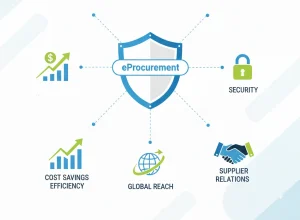 Enterprises that invest in a custom-built e-procurement software gain an additional advantage. They get a system that reflects their unique policies, supply chain processes, compliance mandates, and global scale. This is why more US-based organizations are choosing custom e procurement management software instead of relying entirely on off-the-shelf tools.
This guide explains everything leaders need to know: features, development steps, costs, integrations, AI enhancements, industry use cases, and future roadmap elements.
What Is an eProcurement Software?

eProcurement Software is a digital system that automates, centralizes, and manages the complete procurement lifecycle including requisitioning, approvals, ordering, vendor engagement, contract management, invoicing, and spend analytics.
In simpler terms, procurement software helps organizations buy smarter, faster, and more compliantly.
It eliminates paper-based and email-driven processes and replaces them with a structured procurement software solution that integrates with ERP, finance tools, inventory management systems, and vendor networks.
How eProcurement fits into the digital supply chain ecosystem?
A modern eprocurement platform acts as the connective tissue between:
- Finance teams
- Operations and warehouses
- Vendors and suppliers
- Accounts payable
- Contract management
- Inventory systems
- ERP systems
- Compliance stakeholders
The result is a more intelligent, transparent, and measurable supply chain.
Why U.S. Organizations Increasingly Prefer Custom-Built Solutions?
Enterprises in the United States face unique procurement needs:
- Strict compliance requirements (SOC 2, FAR, ITAR, HIPAA for healthcare)
- Multi-location and multi-entity purchasing
- Complex vendor qualification rules
- Large legacy ERP ecosystems
- Industry-specific purchasing workflows
Off-the-shelf eprocurement platforms offer generic features, but lack the flexibility needed for industries like manufacturing, public sector procurement, healthcare purchasing, energy, and construction.
Custom e procurement software allows US enterprises to design a system fully aligned with:
- Their sourcing policies
- Regulatory obligations
- Integration needs
- User roles and approval chains
- Multi-site procurement operations
This gives organizations significantly more control over performance and scalability.
Common Misconceptions About eProcurement Software
Many decision-makers assume:
- Procurement only needs digital purchase orders
- Any procurement software will fit their workflow
- eprocurement platforms are too complex to build
- Off-the-shelf solutions are always cheaper
- Automation only benefits large enterprises
In reality, modern eprocurement software solutions can be built modularly, integrate easily with existing systems, and scale from mid-market companies to global enterprises.
The biggest misconception is that buying a tool solves procurement challenges.
The real value lies in redesigning procurement workflows and developing software that matches those processes precisely.
Types of eProcurement Software
Organizations typically adopt one of the following:
- Requisition and Purchase Order Automation Tools
Digitize requests, approvals, and order placement.
- Vendor and Supplier Management Systems
Track performance, compliance, onboarding, and communication.
- Sourcing and RFQ/RFP Management Tools
Manage bidding, evaluation, negotiation, and award processes.
- Spend Analytics and Budgeting Platforms
Analyze spend categories, leakage, and cost-saving opportunities.
- Contract Lifecycle Management
Automate terms, renewals, obligations, and compliance.
- Full eProcurement Software Solutions
End-to-end systems covering requisition to invoicing.
- AI procurement software solution and GenAI procurement software solution
Next-generation platforms offering predictive insights, vendor recommendations, anomaly detection, and conversational procurement support.
Most enterprises eventually move toward unified eprocurement platforms that integrate all modules under one ecosystem.
Key Questions Organizations Ask Before Developing eProcurement Software
Before moving forward with development, procurement leaders, CFOs, CTOs, CPOs, and digital transformation teams typically seek clarity on several strategic questions.
- How do we know what features we truly need?
The right features depend on procurement maturity, industry-specific workflows, compliance obligations, and integration needs. A detailed assessment helps organizations decide whether they need basic requisition tools or a full-scale eprocurement platform.
- How much should development cost?
Costs vary based on scope, level of customization, cloud infrastructure, integrations, security requirements, and whether the team is in-house or offshore. We will break this down later in the cost section.
- Should we build in-house or outsource development?
Enterprises often outsource to experts who specialize in procurement software development, workflow automation, integrations, and AI enhancements. Outsourcing accelerates time-to-market and ensures technical reliability.
- How long does it take to develop an eProcurement solution?
Typical timelines range from 12 to 24 weeks for an MVP and 6 to 12 months for a complete procurement software solution depending on features and integrations.
- How do we ensure the system integrates with ERP, accounting, and vendor portals?
Integration planning must be built into the architecture from day one. Secure APIs, middleware, and cloud-native services help connect ERP, finance, inventory, and supplier systems seamlessly.
Organizations that address these questions early on set themselves up for smoother development cycles and higher long-term ROI.
Key Features of eProcurement Software
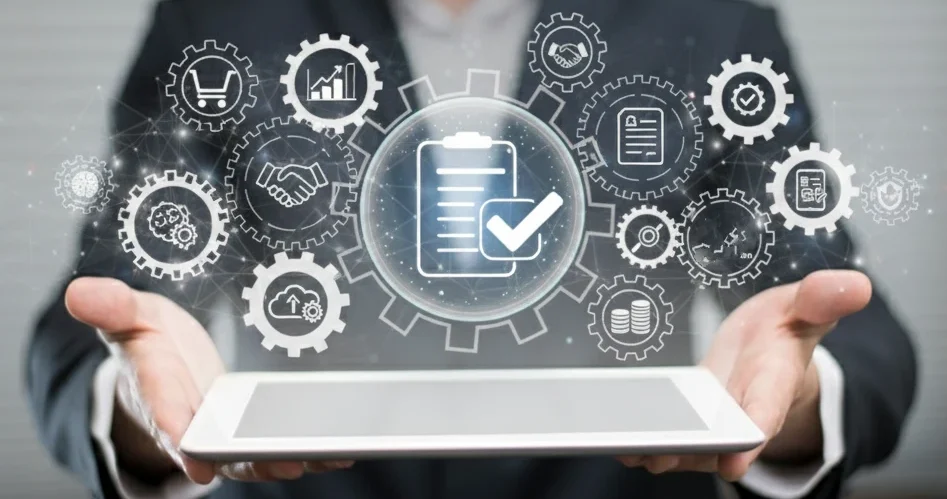
The best procurement software includes modular and advanced features that support the entire purchasing lifecycle:
Core foundational features
- Purchase requisition creation
- Automated purchase order management
- Digital approval workflows
- Vendor and supplier management
- Document storage and audit logs
- Catalog and item master management
- Budget control and spend visibility
- Multi-location procurement views
- Reporting and analytics
Advanced and value-driving features
- Digital RFQs and RFPs
- Automated bid evaluation
- Contract lifecycle management
- Invoice matching and payment workflows
- Supplier performance scoring
- Mobile-first procurement
- Role-based dashboards
Intelligent features using AI procurement software solutions
- AI-driven supplier recommendations
- Predictive demand forecasting
- Anomaly detection for fraud prevention
- AI-based approval routing
- GenAI procurement software solution for conversational sourcing and automatic summary generation
A powerful eprocurement software solution blends these features into a unified and intuitive workflow that procurement teams can adopt quickly.
Step-by-Step Roadmap: How to Develop the Best eProcurement Software
This section provides a complete end-to-end development roadmap used by successful enterprises to build customized eprocurement platforms.
Define Procurement Challenges and Business Goals
Every development journey begins with clarity. Organizations must identify:
- Compliance or audit gaps
- Manual processes slowing down procurement
- Vendor communication problems
- Lack of spend visibility
- Approval bottlenecks
- Issues with multi-site purchasing
- Data inconsistencies
Procurement maturity assessments help classify the organization as beginner, intermediate, or advanced, guiding design choices.
A well-defined vision ensures the software aligns with realistic goals such as reduced cycle time, improved governance, better vendor relationships, or measurable cost savings.
Identify Must-Have Core Features
These features form the backbone of the eprocurement platform.
- Intelligent Purchase Requisitioning
Users create requests with pre-built catalog items, budgeting guidance, and rule-based validation. - Real-Time Purchase Order Management
Track PO creation, supplier confirmations, delivery updates, and change requests. - Automated Approval Workflows
Define rules based on amount, department, location, or category to ensure efficiency and control. - Vendor Management and Performance Tracking
Monitor onboarding, contract terms, delivery timelines, and supplier risk indicators. - Digital RFQs, RFPs, and Bid Evaluation
Streamline sourcing cycles and eliminate manual comparison spreadsheets. - Budgeting and Spending Analytics
Real-time dashboards help teams control overspending and forecast purchasing needs. - Mobile Access for Field and On-Site Teams
Essential for manufacturing, logistics, construction, and energy sectors where approvals need mobility.
These foundational features ensure the e procurement management software delivers immediate value from day one.
Add Next-Gen Features for Competitive Advantage
To build the best procurement software, organizations should incorporate advanced capabilities.
- Predictive Analytics for Demand Forecasting
AI models predict purchasing patterns based on seasonality, project pipelines, and vendor trends. - AI-Driven Recommendations for Vendors and Pricing
AI procurement software solutions evaluate supplier history, pricing performance, and market data to recommend optimal vendors or negotiation strategies. - Contract Lifecycle Automation
Track renewals, expiry dates, compliance rules, and obligations. - Fraud Detection and Anomaly Alerts
Machine learning detects duplicate invoices, abnormal price movements, or unusual order patterns. - Self-Service Vendor Onboarding
Suppliers upload certifications, product catalogs, compliance documents, and bank details, reducing procurement workload. - Integration with Smart Payments and E-Invoicing
Streamline AP workflows with automated matching, electronic invoicing, and digital payment confirmations.
These next-gen features distinguish modern eprocurement software solutions from legacy systems.
Move beyond manual workflows. Discover how Experion can modernize your procurement.
Choose the Right Technology Stack
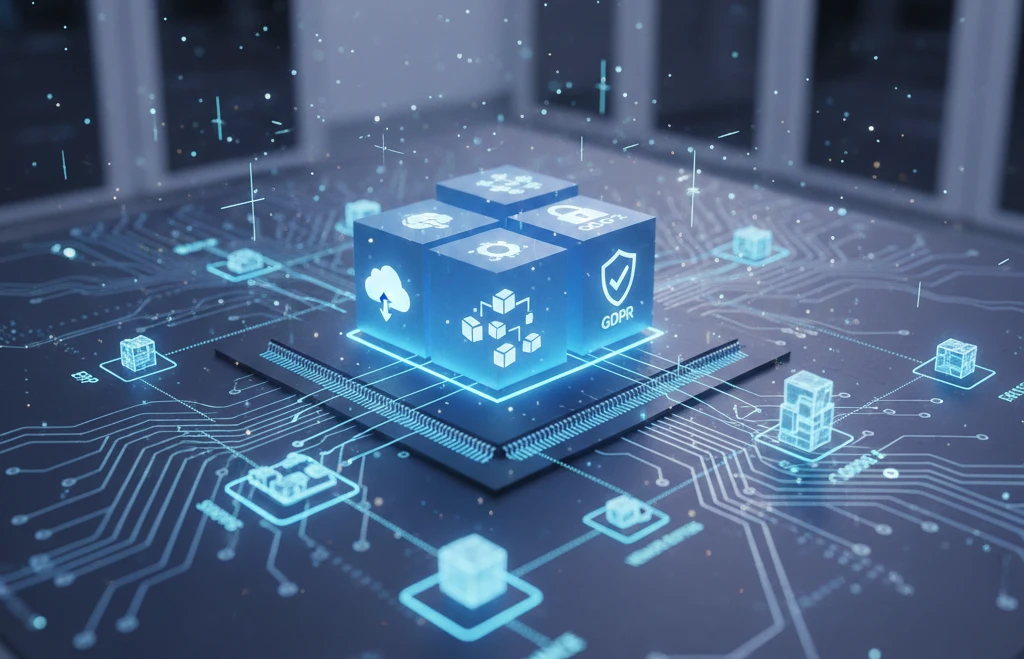
The technology foundation determines system scalability and security.
- Cloud-Native Architecture
Supports multi-location deployments and high performance. - Microservices-Based Structure
Allows modular feature releases without disrupting the entire system. - Secure APIs for Integrations
Ensure interoperability across ERP, finance, inventory, logistics, and vendor systems. - U.S.-Preferred Compliance Frameworks
Depending on industry, e procurement software must support SOC 2, GDPR, HIPAA, FAR, ITAR, or PCI requirements.
Choosing the right stack ensures your eprocurement platform remains future-ready.
Build Integration Layers
A procurement software solution must connect seamlessly with surrounding systems:
- ERP platforms such as SAP, Oracle, Microsoft Dynamics
- Inventory management systems
- Finance and accounting tools
- Supplier networks and B2B marketplaces
- Contract systems
- Payment gateways
Strong integrations ensure data accuracy and eliminate double entry.
UI/UX Development for High Adoption
Even the best procurement software fails if users don’t adopt it.
Key design principles:
- Simple, intuitive dashboards
- Role-based interfaces for buyers, approvers, finance, and suppliers
- Clean navigation with minimal clicks
- Mobile-first screens
- Easy onboarding and guided workflows
Great UI reduces training time and encourages organization-wide adoption.
Testing, Security, and Compliance Validation
Before launch, the system must undergo:
- Functional testing
- API and integration testing
- Security audits
- Load and performance testing
- Data privacy assessment
- Compliance validation for sector-specific rules
This ensures the eprocurement platform is reliable, secure, and audit-ready.
Deployment, Maintenance, and Continuous Improvement
Deployment must follow CI/CD pipelines for seamless updates.
Post-launch, continuous improvement includes:
- Quarterly feature updates
- Security patches
- AI-driven optimization for buying patterns
- Feedback-driven UI enhancements
Experion Technologies supports enterprises across this entire development lifecycle to ensure that their custom e procurement software evolves as their business grows.
Build vs Buy: Making the Right Decision for Custom eProcurement Software
Organizations often debate whether to build a custom eprocurement platform or purchase an off-the-shelf procurement software solution. The right choice depends on workflow complexity, integration needs, industry regulations, and long-term growth plans.
When Building Is the Better Choice
Building custom e procurement software makes sense when an organization has:
- Unique Procurement Workflows
Industries such as construction, energy, healthcare, and manufacturing have complex approval paths, category-specific rules, and compliance-heavy processes that generic platforms cannot support.
- Multi-Location or Multi-Entity Procurement Needs
Enterprises operating across several states or countries often require local compliance rules, currency management, region-specific catalogs, and customized vendor processes.
- Strict Audit and Compliance Requirements
Public sector procurement, healthcare purchasing, and heavily regulated industries benefit from custom audit trails, configurable reporting, and adherence to legal frameworks.
- Deep Integration With Legacy Systems
If procurement is tightly interwoven with ERP, finance, inventory, or supply chain systems, custom integrations offer far better long-term stability.
A custom eprocurement platform delivers high control, flexibility, and future scalability.
When Buying Is the Better Choice
Buying an off-the-shelf eprocurement platform is suitable for organizations with:
- Standardized Procurement Functions
Companies with simple requisitioning and purchasing needs benefit from ready-to-use features.
- Limited Budgets
Subscription tools reduce upfront costs, although long-term expenses may increase.
- Low Customization Needs
If procurement workflows are not highly specialized, a standard system may suffice.
Buying offers speed, but lacks strategic differentiation.
The Hybrid Approach: Customizing on Top of a Ready-Made Platform
Many organizations adopt a hybrid approach by:
- Using a ready-made e-procurement software as the foundation
- Adding custom modules to address workflow gaps
- Integrating AI procurement software solution capabilities for advanced intelligence
- Building GenAI procurement software solution layers for conversational insights and automation
This approach balances speed of adoption with tailor-made value.
Cost Breakdown: Is It Cheaper to Build e Procurement Software with Offshore Developers?
Cost is a major factor in digital procurement decision-making. Understanding the components involved helps organizations budget accurately.
Cost Components
Total development cost depends on:
- Feature complexity
- Number of modules
- Cloud infrastructure
- API integrations
- Security and compliance requirements
- UI/UX sophistication
- Team size and expertise
- Ongoing maintenance and AI model training
Hidden Expenses in Procurement Software
Both custom and off-the-shelf systems have hidden costs.
For off-the-shelf systems, hidden fees may include:
- Per-user licensing charges
- API usage fees
- Vendor onboarding costs
- Integration add-ons
- Restrictions around customization
For custom development, hidden costs usually relate to:
- Legacy system challenges
- Data migration
- Compliance adjustments
Experienced development partners help anticipate these and reduce long-term risks.
Cost Ranges
Below is a typical range across three company sizes:
Small businesses:
USD 60,000 to 120,000 for a focused set of features
Mid-size companies:
USD 150,000 to 300,000 for a full workflow automation system
Enterprise-grade eprocurement software solutions:
USD 400,000 to 1 million depending on scale, AI features, and global deployment
Offshore Development Cost Advantages
Offshore engineering teams significantly reduce costs without compromising quality.
Benefits include:
- Lower hourly rates
- Faster team ramp-up
- Access to specialized procurement technology experts
- 24×7 development cycles
- Higher resource flexibility
Offshoring accelerates development while improving ROI.
Security, Compliance, and Risk Management Essentials
A modern procurement software solution must adhere to strict security frameworks, especially when dealing with financial data, vendor records, and audit-sensitive documents.
- Protecting Financial and Vendor Information
The eprocurement platform should employ:
- End-to-end encryption
- Multi-factor authentication
- Secure cloud environments
- Role-based permissions
- Data loss prevention controls
- Ensuring Auditability for Public and Private Sector Buyers
Features include:
- Tamper-proof digital logs
- Automated compliance reports
- Document traceability
- Time-stamped transactions
- Role-Based Permissions and Access Control
Segregated access ensures that procurement teams only view relevant data, reducing internal risk.
- Disaster Recovery and Cloud Security
Organizations should deploy:
- Redundant cloud systems
- Automated backups
- Regional failover clusters
- SOC 2, ISO 27001 aligned procedures
Security and compliance are core foundations of any reliable e procurement management software.
How AI Enhances the Development and Functionality of eProcurement Software?

AI has become essential in building the next generation of eprocurement platforms. AI procurement software solutions deliver predictive intelligence, better decision-making, and stronger risk management.
AI in Spend Analysis
AI clusters spending data into categories, identifies supplier trends, flags wasteful spending, and helps procurement teams make smarter purchasing decisions.
Predictive Demand and Budgeting
Machine learning models forecast future procurement needs based on historical trends, project pipelines, and supplier performance.
AI-Driven Approval Routing
AI analyzes patterns in past approvals to suggest optimal routing paths and reduce long wait times.
Real-Time Fraud Detection
Algorithms detect patterns that indicate fraud such as:
- Duplicate invoices
- Suspicious price changes
- Vendor conflicts
- Abnormal order volumes
Conversational Agents for Procurement Queries
GenAI procurement software solution capabilities bring natural language interaction to procurement teams.
Users can ask questions such as:
- Show me all pending POs
- What is our spend with Supplier X
- Which vendors offer better pricing
These insights enhance accessibility and decision speed.
AI transforms an eprocurement platform from a digital tool into an intelligent procurement ecosystem.
Transform purchasing with a custom eprocurement platform. Let’s start your roadmap.
eProcurement Systems Across Industries
Industries adopt e procurement software differently based on their operational needs and compliance environments.
Private Sector
Retail, manufacturing, finance, and energy companies rely on eprocurement software solutions to automate spend, minimize delays, optimize working capital, and improve supplier management.
Public Sector and Municipal Procurement
Government procurement demands transparency, auditability, vendor diversity reporting, and compliance with regional laws.
A custom procurement software solution ensures fairness, traceability, and accountability.
Manufacturing and Multi-Site Procurement
Manufacturers require:
- Real-time inventory visibility
- Multi-location purchasing governance
- Integration with warehouse systems
- Supplier quality management
Procurement automation reduces downtime and ensures accurate replenishment.
Healthcare Procurement Automation
Hospitals and healthcare networks require:
- HIPAA-compliant procurement workflows
- Medical equipment traceability
- Multi-tier approvals
- Contract and vendor credentialing
An e procurement management software tailored to healthcare ensures reliability and compliance.
KPIs to Measure the Success of Your eProcurement Software
Once an eprocurement platform is deployed, organizations must track measurable indicators to validate its impact and identify optimization opportunities.
The most effective procurement teams use KPIs that reflect efficiency, cost control, compliance, and supplier performance.
- Reduction in Manual Tasks
Measure how many hours previously spent on data entry, email approvals, vendor communication, and document uploads are now automated.
Automation should reduce manual work by 40 to 70 percent depending on process maturity.
- Purchase Order Cycle Time Improvements
Track the time from requisition creation to PO approval and issuance.
The best procurement software significantly shortens cycle times, enabling faster purchasing decisions and reducing operational delays.
- Cost Savings vs Baseline
Savings can come from:
- Better negotiation through analytics
- Avoiding maverick spending
- Consolidating vendors
- Reducing invoice errors
- Early-payment discounts
- Eliminating subscription fees from multiple older tools
A strong eprocurement software solution should show measurable savings within the first year.
- Vendor Performance Improvements
Monitor metrics such as:
- Delivery timeliness
- Product or service quality
- Compliance with contract terms
- Response times
- Pricing consistency
Vendor performance dashboards inside the e procurement management software help teams make strategic sourcing decisions.
- User Adoption Metrics
Low adoption can undermine even the best procurement software.
Track usage frequency, task completion rates, mobile adoption, and satisfaction scores across procurement teams, finance teams, and suppliers.
Monitoring KPIs ensures the eprocurement platform remains relevant and continues delivering operational and financial value.
Build procurement intelligence that fits your business. Speak with Experion today.
Future of eProcurement Software Development
The future of procurement is intelligent, autonomous, and fully connected. Organizations building eprocurement platforms today must prepare for advancements that will redefine the next decade.
Autonomous Procurement
AI procurement software solution capabilities will evolve into systems that not only recommend actions but perform them autonomously.
Examples include:
- Automatic reordering based on predictive demand
- Autonomous vendor selection
- Exception handling
- Policy-driven purchasing decisions
Autonomous procurement will become a competitive differentiator.
AI Procurement Co-Pilots
GenAI procurement software solution models will act as intelligent co-pilots for procurement teams.
They will:
- Summarize vendor risks
- Generate negotiation strategies
- Draft RFQ documents
- Suggest cost-saving insights
- Explain policy violations
These co-pilots enhance efficiency and support faster decisions.
Blockchain-Based Secure Contracts
Smart contracts will enable tamper-proof agreements and automated compliance.
Blockchain also enhances supplier verification, multi-party approval, and transparent sourcing audits.
Predictive Supplier Risk Analytics
Machine learning will monitor global data sources to identify disruptions related to:
- Geopolitical events
- Logistics bottlenecks
- Financial instability
- ESG failures
- Compliance risks
Proactive supplier risk management will become central to sustainable supply chain operations.
Integrated ESG and Sustainability Scoring
Procurement teams will evaluate suppliers based on:
- Carbon footprint
- Ethical sourcing
- Labor practices
- Environmental impact
eprocurement platforms will embed automated sustainability scoring to align with global ESG regulations.
The future is a unified, intelligent, and sustainable procurement ecosystem.
Conclusion: Roadmap to Creating the Best eProcurement Software
Developing the best eprocurement software requires deep understanding of procurement workflows, strong integration capabilities, secure architecture, and long-term scalability.
Organizations that thoughtfully design their systems, invest in intelligent automation, and align technology with business goals achieve far greater value than those who rely entirely on off-the-shelf tools.
Custom-built e procurement management software supports:
- Precise workflow alignment
- Strong audit and compliance control
- Seamless cross-system integration
- Enterprise-wide automation
- Higher long-term ROI
- Competitive advantage in supply chain digitalization
Digital procurement is no longer optional. Mid-size and enterprise organizations across the United States and globally are modernizing their procurement processes to stay competitive, resilient, and scalable.
Experion Technologies partners with forward-thinking organizations to design and deliver custom eprocurement software solutions that elevate efficiency, strengthen supplier collaboration, and drive measurable transformation.
FAQ’s
- How do you build eProcurement software from scratch?
By defining workflows, designing core features, selecting a technology stack, building integrations, developing UI/UX, performing rigorous testing, ensuring security compliance, and deploying with continuous improvement. - What features should the best eProcurement software include?
Requisitioning, PO management, approvals, vendor management, sourcing tools, budgeting, analytics, mobile access, and advanced AI capabilities such as predictive insights and anomaly detection. - Is custom eProcurement software better than off-the-shelf?
Yes for organizations that require deep customization, advanced integrations, compliance requirements, or multi-location procurement. Off-the-shelf tools suit simpler workflows. - How long does it take to develop eProcurement systems?
An MVP typically takes 12 to 24 weeks, while a full enterprise eprocurement platform may take 6 to 12 months depending on complexity. - How to choose the best eProcurement software for small businesses?
Look for modular systems with affordable pricing, simple workflows, and the ability to expand later. Custom systems can be cost-effective when built incrementally. - How much does eprocurement software cost for mid-size companies?
Typically 150,000 to 300,000 USD for a full-featured system, depending on integrations and scope. - What technologies are used in eProcurement development?
Cloud-native architecture, microservices, secure APIs, AI engines, machine learning models, mobile frameworks, and integration tools for ERP and finance systems. - How does eprocurement software help with supplier diversity reporting requirements?
It tracks vendor categories, diversity classifications, spend patterns, and compliance documentation automatically. - What are common challenges implementing eProcurement software?
Change management, integration difficulties, data migration issues, low user adoption, and alignment with existing workflows. - What is the typical ROI for mid-market US companies after implementing cloud-based e procurement software?
ROI often includes 20 to 40 percent cost savings in sourcing expenses, 50 to 70 percent reduction in manual work, and significant improvements in cycle time and compliance.