

Experion develops high-performance custom trucking dispatch software designed to eliminate operational bottlenecks and maximize fleet utilization through intelligent, automated load matching.
What is Trucking Dispatch Software?
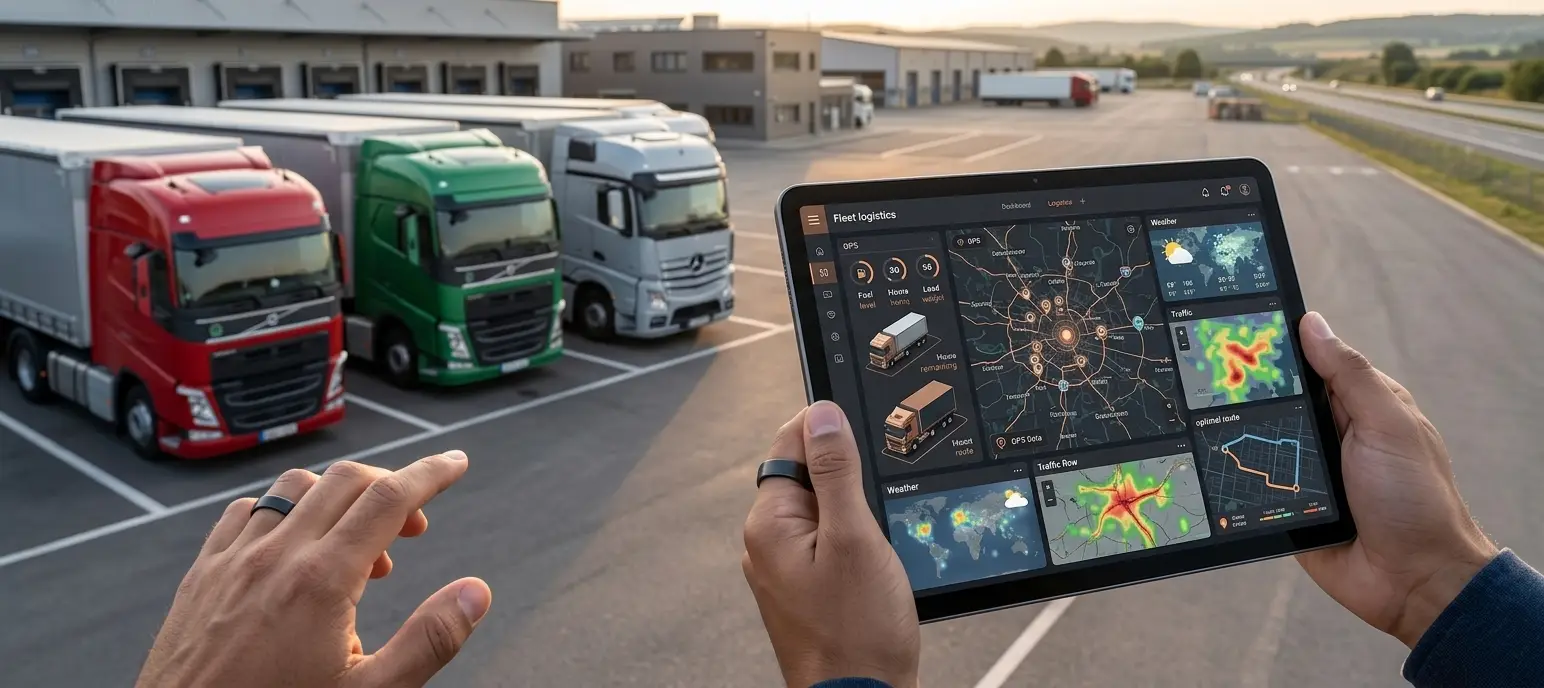
In the fast-paced world of logistics, trucking dispatch software serves as the central nervous system of a fleet’s operations. It is a specialized digital platform designed to manage the end-to-end process of assigning loads to drivers, tracking vehicles in transit, and ensuring timely deliveries.
The core purpose of truck dispatch management software is to replace fragmented communication—like phone calls, texts, and paper manifests—with a single, unified interface. In modern fleet management, this dispatch software is no longer just a luxury; it is a fundamental tool that allows companies to optimize their assets, reduce “deadhead” miles, and provide the transparency that today’s shippers demand.
Why Do Trucking Companies Need Truck Dispatch Software Today?
The logistics landscape has shifted, and traditional methods are no longer sufficient to maintain a competitive edge.
Rising Operational Complexity
- Multi-Location Fleets: As companies grow, managing a diverse fleet across multiple regions requires a centralized dispatch software for trucking to maintain visibility.
- Real-Time Delivery Expectations: Modern supply chains move at lightning speed; truck dispatch software solutions are necessary to handle on-demand routing and last-minute changes.
Manual Processes Are Costly
- Spreadsheet-Based Dispatching Limitations: Manual entry is prone to human error, leading to double-booked loads or missed pickups. Dispatch software for trucking companies automates these tasks to ensure 100% accuracy.
- Communication Delays: Relying on check-calls wastes hours of dispatcher time. Fleet dispatching software provides instant status updates without a single phone call.
Customer Expectations Are Increasing
- Real-Time Tracking: Shippers now expect “Uber-style” visibility. Using the best trucking dispatch software allows you to provide customers with live tracking links.
- Faster Delivery Commitments: To meet tight windows, you need the best software for truck dispatch to identify the closest, most suitable driver for every load.
Key Features of Truck Dispatching Software
The best truck dispatching software offers a comprehensive suite of tools that automate the heavy lifting of logistics management:
- Automated Dispatching: Intelligent automated dispatch software matches the right load with the right driver based on proximity, equipment type, and available HOS (Hours of Service).
- Dynamic Route Optimization: Beyond simple GPS, this feature calculates the most efficient path considering traffic, weather, and fuel stops to lower your cost-per-mile.
- Real-Time GPS Tracking: Gain total visibility into your fleet dispatch software with live maps that show exactly where every asset is at any given moment.
- Driver Communication Tools: A dedicated truck dispatch app allows drivers to receive load details, upload BoLs, and message dispatchers directly from their mobile devices.
- Load & Order Management: Centralize all incoming shipments in one trucking dispatch software interface, making it easy to drag-and-drop assignments.
- Billing & Invoicing Integration: Shorten your “Days Sales Outstanding” (DSO) by automatically generating invoices as soon as the transportation dispatch app confirms a delivery.
- Compliance & Documentation: Ensure your fleet stays audit-ready with digital storage for ELD data, IFTA reporting, and insurance documents.
- Analytics & Reporting: Use the data from your truck dispatcher software to identify high-performing routes and analyze driver efficiency through detailed BI reports.
Don’t just track your trucks, orchestrate your entire future supply chain with ⟶
Consult our ERP Specialists.
The Technical Deep Dive: Architecture and Integration of Truck Dispatch Software
Truck dispatch software has changed a lot from a simple logging tool to a high-performance tool that helps manage things. For truck dispatch software to be really good it must be built on a technical foundation that can last for a long time.
API-First Ecosystems
These days no software works alone. Truck dispatcher software must connect with systems. It must be able to talk to systems like ERPs, such as SAP or Oracle so that financial data is accurate. It must also be able to connect to Load Boards, such as DAT or Truckstop so that dispatchers can find and book backhauls quickly. Without these connections truck dispatch software becomes useless.
Cloud-Native Scalability
The trucking industry has moved away from systems that were installed on site. Now trucking dispatch software is based on the web. Native systems can handle a lot of work and can scale up quickly during peak shipping seasons. This means that whether you have five trucks or five thousand your fleet dispatching software will always work well.
Data Integrity and Security
As truck dispatch software starts to use intelligence to make decisions it becomes more vulnerable to cyber threats. It is very important to protect freight information and customer billing data. Modern truck dispatch management software uses encryption and multi-factor authentication to protect against cyber attacks.
Edge Computing in Telematics
Truck dispatch software now uses edge computing to process data on the vehicles telematics hardware. This allows for real-time alerts, such as warnings about driver fatigue or unsafe lane changes. This provides feedback to the truck dispatch app before an accident can happen.
Benefits of Using Dispatch Software for Trucking Companies
Truck dispatching software is built with a focus on data security and compatibility with different platforms. This gives you an edge in a competitive market.
- Improved Operational Efficiency: By automating tasks, dispatch software allows your team to focus on important problems rather than data entry.
- Cost Reduction: The best truck dispatch software identifies routes and idle time, which directly lowers your fuel and maintenance costs.
- Better Customer Experience: Providing a transportation dispatch app with tracking builds trust and loyalty with your customers.
- Increased Fleet Utilization: Trucking dispatch software helps you keep your trailers full and your drivers moving, reducing miles.
- Data-Driven Decision Making: You can make decisions based on facts than guesses with analytics that show which lanes and drivers are the most profitable.
How Trucking Dispatch Software Works?
The process from a customer order to a settled invoice is a process within a good truck dispatching software suite.
- Load Entry & Job Creation: Orders are imported from an ERP. Entered manually into the dispatch software detailing weight, commodity and deadlines.
- Automated Driver Assignment: The software analyzes driver locations, hours of service and equipment types to suggest the driver for the load.
- Route Optimization: The system generates the efficient path accounting for truck-specific restrictions and real-time traffic.
- Real-Time Tracking and Updates: As the driver moves the truck dispatch management software provides updates to the dispatcher and the customer via GPS.
- Delivery Confirmation: Upon arrival the driver uses the truck dispatch app to capture a signature or photo of the Bill of Lading.
- Billing and Reporting: The web-based trucking dispatch software automatically triggers an invoice. Updates the performance dashboard with the latest project data.
Experion specializes in building end-, to-end trucking dispatch software that masters these steps ensuring your fleet operations are smooth.
Turn predictive analytics and blockchain into your fleet’s new profit centers ⟶
Talk to our Solutions Team
Types of Trucking Dispatch Software
Choosing the truck dispatch software depends on your fleets size, technical setup and the goods you transport.
Modern systems offer ways to manage your transport.
Cloud-Based Dispatch Software
This is the industry norm.
A web-based trucking dispatch software allows dispatchers and managers to access it from any browser.
It suits teams and offers automatic updates, low initial costs and better accessibility.
On-Premise Solutions
Large companies prefer these as they are installed on servers.
They offer control but are less flexible and do not allow access from anywhere like cloud-hosted solutions.
Integrated TMS Platforms
Some companies choose truck dispatching software that’s part of a larger Transport Management System.
This approach links dispatching to functions like freight brokerage and financial auditing.
Mobile-First Dispatch Apps
Designed for drivers these apps focus on simplicity.
They prioritize load acceptance, digital paperwork and GPS updates making them popular for trucking companies.
Trucking Dispatch Software vs. TMS vs. Fleet Management Software

These terms are often used interchangeably. Serve different roles.
Understanding their differences helps select the software for your needs.
Feature Comparison
Trucking Dispatch Software
- Primary Focus: load-to-driver execution
- Core Goal: Move freight efficiently
- Output: Driver manifests and real-time updates
Transportation Management (TMS)
- Primary Focus: Strategic supply chain and procurement
- Core Goal: Optimize freight spend and shipping modes
- Key Output: Freight audits and carrier performance
Fleet Management Software
- Primary Focus: Vehicle health and driver safety
- Core Goal: Maximize asset life and compliance
- Key Output: Maintenance logs and ELD/DVIR data
When to Choose Dispatch Software vs. TMS?
If your main issue is coordinating drivers and loads truck dispatch software is best. However for freight bids and huge contract volumes a full TMS may be needed.
Cost vs. Scalability Comparison
Dispatch software for trucking is generally more affordable and quicker to implement.
A TMS offers scalability for global logistics but requires a larger investment.
Industries That Benefit from Truck Dispatch Software
The best trucking dispatch software handles sectors unique constraints:
- Freight and Logistics Companies: Maximize yield-per-mile. Ensure profitable loads.
- Construction and Heavy Equipment Transport: Account for loads and specialized trailers.
- Retail and E-commerce Logistics: Optimize last-mile deliveries for speed and visibility.
- Food and Beverage Distribution: Integrate with temperature sensors. Manage strict delivery windows.
- Oil & Gas Logistics: Handle safety certifications and hazmat routing.
Experion designs trucking dispatch software that understands these industry nuances providing a solution that’s as specialized, as the freight you carry.
Common Challenges Without Dispatch Software
Operating a fleet using manual methods is essentially driving blindfolded. Without a centralized trucking dispatch software solution, companies face systemic inefficiencies that drain profitability:
- Missed Deliveries: Without automated alerts, small delays snowball into missed windows, leading to frustrated customers and expensive late fees.
- Poor Route Planning: Manual plotting often ignores truck-specific restrictions or real-time traffic, resulting in higher fuel consumption and wasted driver hours.
- Lack of Visibility: Managers cannot provide accurate ETAs to shippers if they have to call drivers for “check-calls” every hour.
- Driver Miscommunication: Relying on verbal instructions or SMS leads to errors in pickup addresses, load requirements, and weight limits.
- Billing Errors: Paper-based logs and manual entry frequently result in lost invoices or incorrect charges, slowing down your cash flow.
How to Choose the Best Trucking Dispatch Software
Selecting the best truck dispatch software is a strategic decision that affects every department in your company. Focus on these pillars during your evaluation:
- Define Your Business Needs: Are you a long-haul carrier or a last-mile delivery service? The dispatch software for small trucking companies will look very different from an enterprise-grade solution.
- Evaluate Key Features: Ensure the tool offers the “Big Three”: automated dispatching, route optimization, and real-time GPS tracking.
- Scalability: Your truck dispatch software solution must be able to handle a 50% increase in fleet size without a dip in system performance.
- User Experience (UX): If the truck dispatch app is too complex, your drivers will refuse to use it. Prioritize intuitive, clean interfaces.
- Integration Capabilities: The best trucking dispatch software should connect seamlessly with your existing ELDs, fuel cards, and accounting software like QuickBooks or Sage.
- Vendor Support & Training: Technology is only effective if your team is trained to use it. Look for vendors who offer 24/7 “hypercare” and dedicated onboarding.
Cost of Best Truck Dispatching Software
Understanding the financial commitment involves looking beyond the initial quote to the Total Cost of Ownership (TCO).
- Subscription-Based Pricing (SaaS): Most web based trucking dispatch software operates on a monthly or annual fee, offering predictable costs and lower upfront investment.
- Per-User or Per-Vehicle Models: You may be charged based on the number of dispatchers in the office or the number of active power units in the field.
- Hidden Costs to Consider: Always budget for data migration from legacy systems, specialized training sessions for field crews, and custom API development for unique integrations.
How Do Custom Trucking Dispatch Software Differ from Ready-Made Software?
Custom trucking dispatch software is built to match the way your business works. Off-the-shelf software is easy to set up. It makes you change the way you work to use it. On the hand custom software is made to fit your business, not the other way around.
When you use custom software you own it.
This means you do not have to pay extra for each person who uses it. These extra costs can add up quickly as your business grows. With custom software you can keep your edge without extra costs.
Ready to lead the era of autonomous and zero-touch logistics? ⟶
Connect with our Dispatch Tech Experts.
Latest Trends in Trucking Dispatch Software Solutions
AI-Powered Dispatching
AI is moving trucking dispatch software from reactive to proactive. Algorithms can now predict which drivers are likely to be delayed based on historical traffic patterns and suggest alternative loads before the delay even occurs.
IoT & Telematics Integration
By linking fleet dispatching software directly to engine sensors, dispatchers can monitor fuel levels, tire pressure, and refrigeration temperatures in real-time, preventing breakdowns before they happen.
Automation & Workflow Optimization
Automated dispatch software now handles the “boring” tasks, like sending status updates to customers or generating digital BoLs, freeing your team for high-level strategy.
Digital Freight Matching
Modern dispatch software for trucking acts like a marketplace, instantly matching available truck capacity with high-paying loads from digital brokers, ensuring your trucks are never empty.
Sustainability & Green Logistics
New modules help fleets track their carbon footprint and optimize routes specifically to reduce CO2 emissions, a growing requirement for government and enterprise contracts.
Future of Truck Dispatch Software Solutions
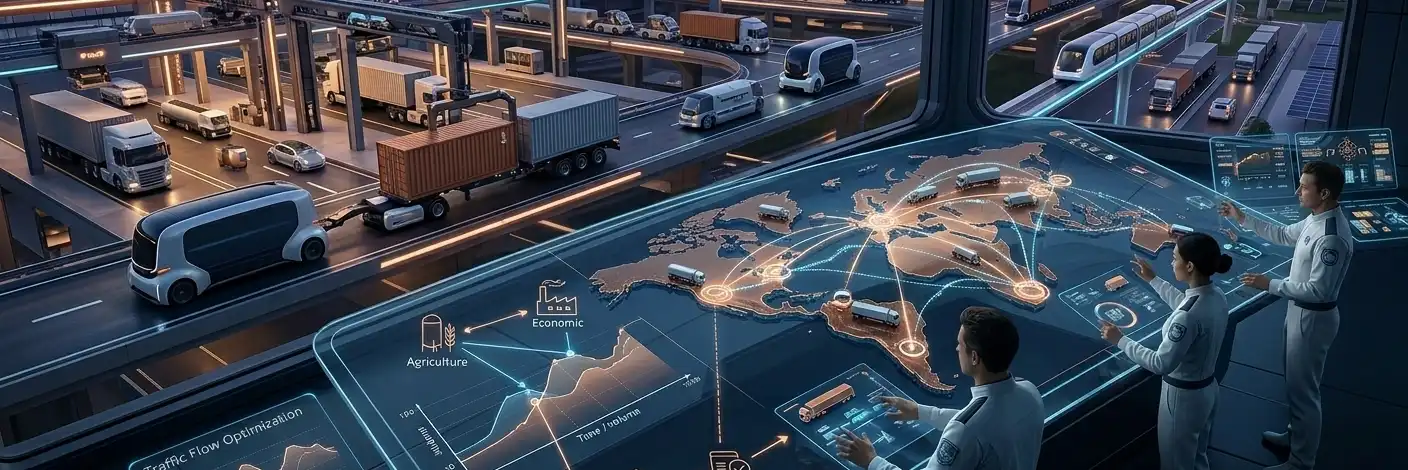
The logistics industry is standing on the brink of a technological renaissance. As trucking dispatch software evolves, it is moving from a passive recording tool to an active, intelligent orchestrator of global trade.
Autonomous Trucking Integration
The transition to self-driving fleets won’t happen overnight; instead, we will see a “hybrid” era. The next generation of truck dispatch management software will act as the conductor for this mixed fleet. It will manage “transfer hubs”—strategic locations where human drivers handle complex urban navigation and “first-mile” tasks, then hand off the trailer to an autonomous rig for the long-haul highway stretch. This truck dispatching software will need to synchronize these handoffs with surgical precision to ensure zero idle time for the equipment.
Advanced Predictive Analytics
Future truck dispatch software solutions are shifting from “descriptive” (what happened) to “prescriptive” (what should happen). By ingesting massive datasets, including historical seasonal surges, economic indicators, and even crop yield forecasts, the system will accurately predict where your trucks should be staged before a customer even places an order. This allows dispatch software for trucking companies to move from reactive chasing to proactive positioning, significantly reducing empty miles.
Hyper-Automation in Logistics (Zero-Touch Dispatch)
We are rapidly approaching the era of “Zero-Touch Dispatch.” In this ecosystem, the transportation dispatch app and backend dispatch software handle the entire lifecycle autonomously. The system accepts an order via API, identifies the best driver/vehicle combo, optimizes the route, sends the dispatch to the truck dispatch app, and triggers the invoice upon GPS confirmation of delivery. This removes human bias and manual entry errors, allowing dispatchers to pivot from data entry to high-level strategic exceptions.
Blockchain for Payments
Financial friction is one of the biggest hurdles in logistics. By integrating blockchain into trucking dispatch software, the industry can move toward “Smart Contracts.” These are self-executing agreements where the payment is “locked” upon load acceptance and automatically released the millisecond the trucking dispatch app confirms a successful geofenced delivery and a digital signature. This eliminates the need for manual factoring and traditional invoicing cycles, providing instant liquidity to carriers.
Digital Twins
Logistics leaders are increasingly using Digital Twins, virtual, real-time replicas of their entire supply chain, within their dispatch software. This allows a dispatcher to run “what-if” simulations. For example, if a major hurricane is forecasted, the truck dispatcher software can simulate the impact on every active route and suggest rerouting strategies in the virtual world before a single truck is ever diverted in the real world. This creates a level of resiliency that traditional fleet dispatch software simply cannot match.
Experion is at the forefront of these innovations, engineering custom truck dispatching software that integrates AI and predictive modeling to ensure your fleet is prepared for the autonomous future. ⟶
Connect with our experts to turn these future trends into your current competitive advantage.
Implementation Best Practices
- Start with Pilot Deployment: Test the trucking dispatch software on a small subset of your fleet (e.g., 5-10 trucks) to work out the kinks before a full rollout.
- Train Dispatchers and Drivers: Use hands-on workshops and video tutorials to ensure every user feels confident using the truck dispatch app.
- Integrate with Existing Systems: Ensure your fleet dispatch software is talking to your payroll and maintenance tools from day one.
- Monitor KPIs and Optimize Continuously: Use the data from your new truck dispatcher software to track “Revenue per Mile” and “Driver Retention,” adjusting your strategy based on the results.
Conclusion
In an era of razor-thin margins and rising fuel costs, trucking dispatch software is the ultimate tool for survival and growth. By centralizing operations, automating routing, and providing real-time visibility, modern dispatch solutions transform a chaotic fleet into a streamlined, data-driven machine. Investing in the right technology today ensures that your logistics business is ready for the automated, high-speed challenges of tomorrow.
Experion engineers custom trucking dispatch software that empowers fleets to move smarter, faster, and more profitably. ⟶
Key Takeaways
- Centralized data prevents missed deliveries and billing errors.
- Automation is the key to scaling without increasing headcount.
- The future of dispatching lies in AI, IoT, and autonomous integration.
Frequently Asked Questions (FAQ’s)
- What is trucking dispatch software?
It is a digital platform used by logistics companies to assign loads, track drivers, and optimize routes in real-time. - What is the difference between dispatch software and a TMS?
Dispatch software focuses on the daily execution of moving loads, while a TMS handles broader strategic planning and freight procurement. - Can small trucking companies benefit from dispatch software?
Absolutely. Dispatch software for small trucking companies helps professionalize operations and provides the tracking transparency needed to win larger contracts. - How does automated dispatch software help with ROI?
It reduces fuel waste through route optimization and lowers administrative costs by automating billing and status updates.
Experion’s commitment to logistics excellence ensures your trucking dispatch software isn’t just a tool, but a competitive advantage that scales with every mile your fleet travels.