




Custom Application Development

Brief Overview of Custom Application Development and Its Importance in Modern Digital Landscape

Custom application development involves designing, creating, deploying, and maintaining software specifically tailored to meet the unique needs of businesses. Unlike off-the-shelf software, which provides a one-size-fits-all solution, custom applications are crafted to address the distinct challenges and goals of a business. This customization is crucial in today’s digital landscape, where businesses must innovate and adapt rapidly to stay competitive.

Importance of Tailored Solutions

Custom Application Development

Tailored solutions offer the precision necessary to optimize business processes, enhance user experiences, and meet specific requirements. Custom applications can be designed to integrate seamlessly with existing systems, scale as the business grows, and evolve to meet changing needs. This flexibility and alignment with business objectives provide a significant competitive edge.

Market Trends, Future Predictions, Emerging Technologies, and Expected Market Evolution 

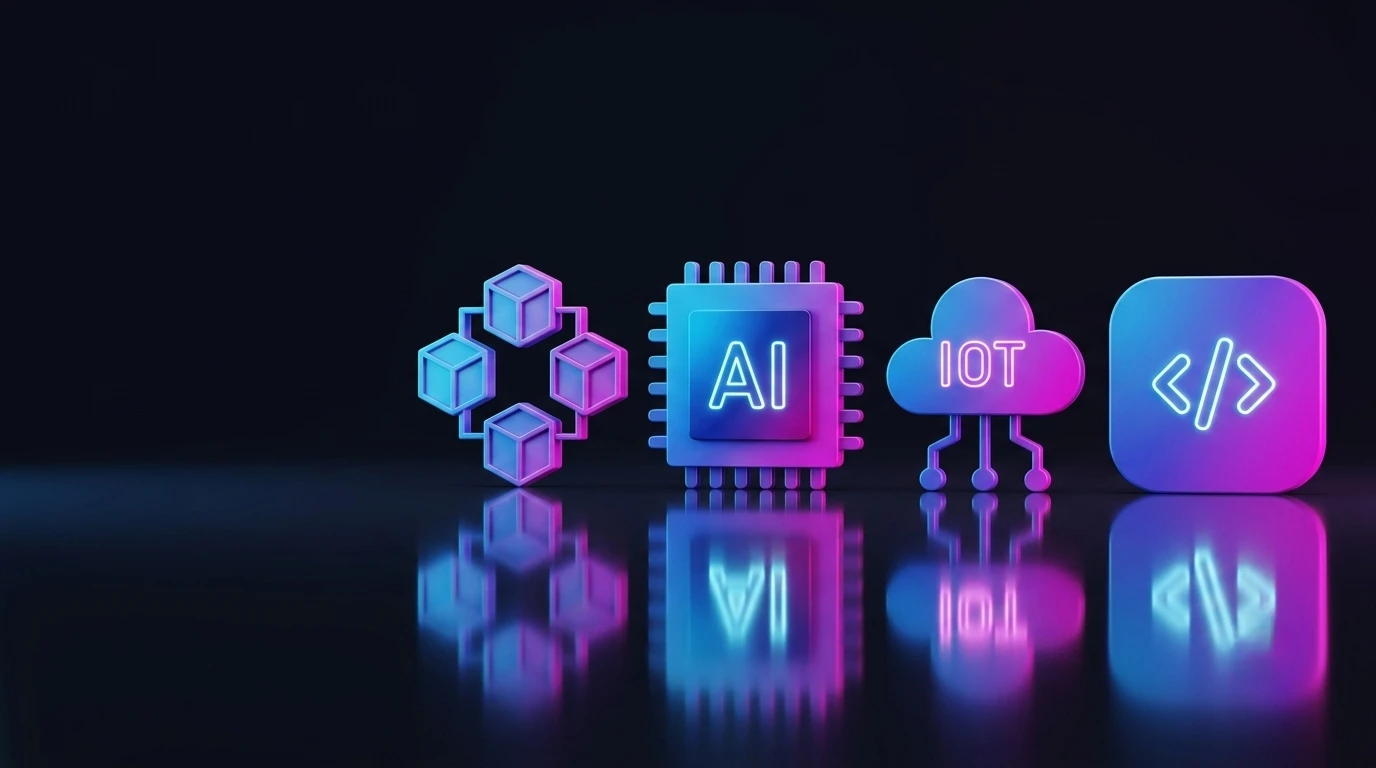
The custom application development market is witnessing substantial growth. According to a report by Grand View Research, the global custom application development market size was valued at USD 24.46 billion in 2020 and is expected to expand at a compound annual growth rate (CAGR) of 7.1% from 2021 to 2028Emerging technologies such as artificial intelligence (AI), machine learning, the Internet of Things (IoT), and blockchain are becoming integral to custom applications, driving innovation and efficiency. Future predictions suggest that as these technologies evolve, they will continue to offer more sophisticated and scalable solutions, further increasing the demand for custom applications. 

Custom Application Development vs Off-the-Shelf Software 

Custom Application Development

When choosing between custom application development and off-the-shelf software, businesses must consider their unique needs, budget, and long-term goals. Off-the-shelf software can be less expensive initially and quicker to deploy but often requires businesses to adapt their processes to fit the software’s limitations. On the other hand, custom applications, while requiring a higher upfront investment, offer a tailored fit that aligns perfectly with business operations, providing greater flexibility, scalability, and a competitive advantage. 

Consider a retail company that needs a point-of-sale (POS) system. An off-the-shelf POS might not fully integrate with their inventory management system, leading to inefficiencies. A custom-developed POS, however, can be tailored to integrate seamlessly with all existing systems, providing real-time data synchronization and improving operational efficiency. 

Brief Overview of Custom Application Development and Its Importance in Modern Digital Landscape

Custom application development involves designing, creating, deploying, and maintaining software specifically tailored to meet the unique needs of businesses. Unlike off-the-shelf software, which provides a one-size-fits-all solution, custom applications are crafted to address the distinct challenges and goals of a business. This customization is crucial in today’s digital landscape, where businesses must innovate and adapt rapidly to stay competitive. 

Importance of Tailored Solutions

Tailored solutions offer the precision necessary to optimize business processes, enhance user experiences, and meet specific requirements. Custom applications can be designed to integrate seamlessly with existing systems, scale as the business grows, and evolve to meet changing needs. This flexibility and alignment with business objectives provide a significant competitive edge. 

Market Trends, Future Predictions, Emerging Technologies, and Expected Market Evolution 

The custom application development market is witnessing substantial growth. According to a report by Grand View Research, the global custom application development market size was valued at USD 24.46 billion in 2020 and is expected to expand at a compound annual growth rate (CAGR) of 7.1% from 2021 to 2028Emerging technologies such as artificial intelligence (AI), machine learning, the Internet of Things (IoT), and blockchain are becoming integral to custom applications, driving innovation and efficiency. Future predictions suggest that as these technologies evolve, they will continue to offer more sophisticated and scalable solutions, further increasing the demand for custom applications. 

Custom Application Development vs Off-the-Shelf Software 

When choosing between custom application development and off-the-shelf software, businesses must consider their unique needs, budget, and long-term goals. Off-the-shelf software can be less expensive initially and quicker to deploy but often requires businesses to adapt their processes to fit the software’s limitations. On the other hand, custom applications, while requiring a higher upfront investment, offer a tailored fit that aligns perfectly with business operations, providing greater flexibility, scalability, and a competitive advantage. 

Consider a retail company that needs a point-of-sale (POS) system. An off-the-shelf POS might not fully integrate with their inventory management system, leading to inefficiencies. A custom-developed POS, however, can be tailored to integrate seamlessly with all existing systems, providing real-time data synchronization and improving operational efficiency. 

Benefits of Custom Application Development

1. Personalization

Custom application development allows businesses to create solutions specifically designed to meet their unique needs and processes. Unlike off-the-shelf software, which offers generic features, custom software is built to address the specific pain points and requirements of an organization. This ensures that the application aligns perfectly with the company’s workflow, resulting in higher efficiency and effectiveness. For instance, a retail business can develop a custom inventory management system that caters precisely to its inventory turnover rates and supplier schedules, thereby optimizing stock levels and reducing costs. 

2. Scalability

Custom applications are designed with scalability in mind, allowing them to grow and evolve alongside the business. As a company expands, its software needs may change; custom solutions can be easily modified to accommodate new requirements, additional users, and increased data volumes. This flexibility ensures that the software remains relevant and functional over time, providing long-term value. For example, an e-commerce platform may start with basic features but can later integrate advanced analytics, AI-driven recommendations, and more robust security measures as the business scales up. 

3. Integration

One of the key advantages of custom application development is the ability to seamlessly integrate new software with existing systems and processes. Custom applications can be designed to work harmoniously with other tools and platforms already in use, ensuring a smooth flow of data and operations across the organization. This eliminates the need for manual data entry and reduces the risk of errors, leading to more efficient and accurate business processes. For instance, a custom CRM system can be integrated with an ERP system to provide a unified view of customer data and operational performance. 

4. Efficiency

Custom applications optimize operations and enhance productivity by addressing specific business requirements. They eliminate unnecessary features and focus on functionalities that directly impact the organization’s performance. By automating routine tasks and providing tools tailored to the company’s workflow, custom software enables employees to work more efficiently and focus on high-value activities. For example, a custom project management tool can automate task assignments, track project progress, and provide real-time updates, thereby improving team collaboration and productivity. 

5. Support and Maintenance

With custom application development, businesses receive dedicated ongoing support to address any issues and ensure continuous improvement. Custom software developers provide comprehensive maintenance services, including bug fixes, updates, and enhancements. This proactive support helps to minimize downtime, improve software performance, and adapt to changing business needs. For instance, a custom-built financial software solution can receive regular updates to comply with new regulatory requirements, ensuring that the business remains compliant and operates smoothly. 

Types of Custom Application Development

Custom applications can be developed for various purposes, including

Enterprise Software

Enterprise software encompasses a variety of applications that are designed to manage and streamline the complex operations, resources, and business processes of large organizations. These solutions often integrate various functions such as accounting, human resources, supply chain management, and customer service into a cohesive system.

Key Features:

  • Scalability: Capable of handling the vast amount of data and transactions typical of large enterprises.
  • Integration: Can integrate with existing systems and software to provide a unified platform.
  • Customization: Tailored to meet the specific needs of different departments and business processes.
  • Security: Robust security features to protect sensitive data and ensure compliance with industry regulations.
  • Analytics and Reporting: Advanced tools for analyzing data and generating comprehensive reports to support decision-making.

Mobile Applications

Key Features:

  • Accessibility: Easy access to business services and information anytime, anywhere.
  • User Experience: Intuitive and user-friendly interfaces designed for smaller screens and touch input.
  • Performance: Optimized for fast loading times and smooth operation on mobile devices.
  • Notifications: Push notifications to keep users informed about important updates and events.
  • Offline Access: Some functionalities can be accessed without an internet connection.

Web Applications

Web applications are accessed through web browsers and are designed to be accessible across different devices and platforms. They do not require installation on the user’s device, making them convenient and easy to update.

Key Features:

  • Cross-Platform Compatibility: Works on any device with a web browser, including desktops, tablets, and smartphones.
  • Ease of Maintenance: Centralized updates and maintenance without the need for user intervention.
  • Scalability: Can be scaled to accommodate a growing number of users and increased demand.
  • Security: Measures to protect against web-based threats such as hacking and data breaches.
  • Interactivity: Rich, interactive user experiences similar to native applications.

E-commerce Solutions

E-commerce solutions provide businesses with the tools needed to conduct online sales and manage inventory, customer interactions, and other aspects of online retail. These platforms can be customized to meet the specific needs of different
types of online businesses.

Key Features:

  • Product Management: Tools for adding, editing, and organizing products and inventory.
  • Payment Processing: Secure methods for processing online payments from customers.
  • Order Management: Systems for tracking orders from placement to delivery.
  • Customer Service: Features such as chat support, email notifications, and return handling.
  • Analytics: Insights into sales performance, customer behavior, and marketing effectiveness.

Customer Relationship Management (CRM)

CRM systems are designed to help businesses manage interactions with current and potential customers. These systems consolidate customer information into a single database so that users can more easily access and manage customer data.

Key Features:

  • Customer Data Management: Centralized storage of customer information and interaction history.
  • Sales Automation: Tools for managing sales pipelines, leads, and opportunities.
  • Marketing Automation: Features for creating and managing marketing campaigns and tracking their performance.
  • Customer Service: Tools for managing customer support requests and communication.
  • Analytics and Reporting: Detailed reports and dashboards for monitoring customer trends and business performance.

When to Choose Custom Application Development
Custom Application Development

Custom application development is a strategic choice in several scenarios:

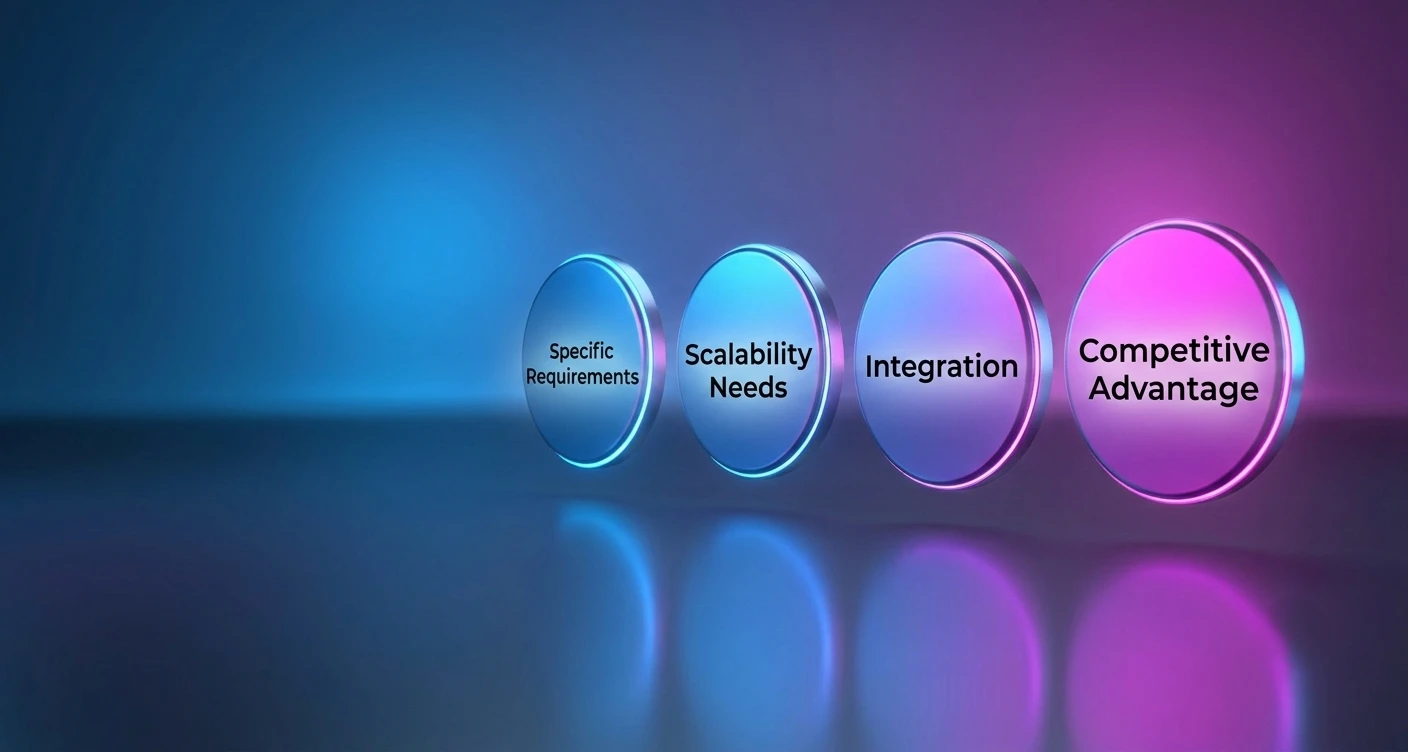
Specific Requirements:

      • Unique Needs: Businesses often have unique workflows and processes that off-the-shelf solutions cannot fully address. Custom applications are tailored to meet these specific requirements, ensuring that all business needs are met efficiently.
      • Flexibility: Custom solutions provide the flexibility to adapt and evolve with the business, incorporating any specific features or functionalities that are crucial for operations.

Scalability Needs:

      • Growth Anticipation: As businesses grow, their software needs often become more complex. Custom applications can be designed with scalability in mind, ensuring they can handle increased data, users, and transactions without compromising performance.
      • Future-Proofing: Custom solutions can be built to accommodate future growth, incorporating modular designs that allow for easy expansion and integration of new features.

Integration:

      • Existing Systems: Many businesses rely on a variety of existing systems and processes. Custom applications can be designed to seamlessly integrate with these systems, ensuring data consistency and operational efficiency.
      • Data Interoperability: Custom solutions can be tailored to facilitate smooth data exchange between different systems, improving overall workflow and reducing manual data entry.

Competitive Advantage:

      • Unique Solutions: By developing custom applications, businesses can implement unique features and functionalities that set them apart from competitors. This can lead to improved customer experiences and operational efficiencies.
      • Innovation: Custom applications allow businesses to innovate and stay ahead of industry trends, continuously adapting to new market demands and technological advancements.

Custom Application Development Process

Initial Consultation and Requirement Analysis:

      • Understanding Needs: The process starts with an in-depth consultation to gather a thorough understanding of the business’s needs and requirements. This involves engaging with stakeholders to identify key objectives and pain points.
      • Requirement Analysis: Analyzing the current systems and workflows helps to identify gaps and areas for improvement. This phase also includes defining the project scope and setting clear goals.

Planning and Design:

      • Project Planning:A detailed project plan is created, outlining timelines, resources, and milestones. This plan serves as a roadmap for the development process.
      • Design Phase: Designers create wireframes and prototypes to visualize the application. These initial designs are reviewed and refined based on feedback from stakeholders, ensuring alignment with business needs.

Development and Implementation:

      • Coding: Developers start coding and building the application using suitable programming languages and development tools. This phase focuses on creating a functional and efficient software solution.
      • Implementation: The developed application is implemented within the business environment, ensuring it integrates seamlessly with existing systems and workflows.

Testing and Quality Assurance:

      • Extensive Testing: Rigorous testing is conducted to identify and fix any bugs or issues. Various testing methods, such as unit testing, integration testing, and user acceptance testing, are employed..
      • Quality Assurance: Ensures that the application meets the required standards and functions as expected, delivering a high-quality user experience.

Deployment and Integration:

      • Final Deployment: The completed application is deployed in the live environment. This phase involves setting up the application on production servers and ensuring it operates smoothly.
      • System Integration: Ensuring that the new application integrates well with existing software and systems, providing a cohesive operational environment.

Maintenance and Support

      • Ongoing Maintenance :Post-deployment, continuous maintenance is provided to address any issues, apply updates, and make necessary improvements.
      • Support Services: Ensuring the application continues to meet business needs by providing support and troubleshooting services as required.

Common Challenges in Custom Application Development and How to Overcome Them

Requirement Changes:

      • Evolving Needs: Business needs can change over the course of a project, leading to altered requirements.
      • Overcoming Strategy: Using agile development methodologies allows for flexibility and iterative improvements, accommodating changing requirements efficiently.

Budget Overruns:

      • Cost Management: Custom projects can often exceed initial budget estimates due to unforeseen complexities.
      • Overcoming Strategy: Clear communication and regular updates help manage expectations and keep the project aligned with budget constraints. Additionally, detailed planning and risk management can mitigate potential cost overruns.

Technical Complexities:

      • Integration Challenges: Integrating new applications with existing systems can be technically challenging and complex.
      • Overcoming Strategy: Engaging experienced developers and leveraging robust integration frameworks can help manage these complexities effectively.

Time Constraints:

      • Deadline Pressures: Meeting project deadlines can be difficult, especially with evolving requirements and unforeseen challenges.
      • Overcoming Strategy: Adopting agile methodologies, which emphasize iterative development and regular feedback, can help manage time constraints by breaking the project into manageable sprints and ensuring continuous progress.

By addressing these challenges with strategic approaches, businesses can successfully navigate the custom application development process and achieve a tailored solution that meets their unique needs and objectives.

Key Considerations in Custom Application Development

Choosing the Right Development Partner

Selecting the right development partner is critical to the success of your custom application. Look for a partner with a proven track record in delivering high-quality solutions, especially in your industry. Review their portfolios and case studies to see the types of projects they have completed and their problem-solving skills. Relevant experience is also essential; a partner with industry-specific knowledge will better understand your unique challenges and requirements. Client testimonials and reviews provide insight into their reliability and ability to meet deadlines. Additionally, speaking with past clients can offer a clearer picture of their satisfaction and the success of previous projects.

Cost and Budgeting

Understanding the total cost of ownership is crucial for budgeting effectively. This includes initial development costs such as labor, technology stack, and any third-party services or licenses required. Deployment costs, such as server infrastructure, cloud services, and necessary hardware, should also be considered. Budgeting should account for ongoing maintenance and support to address bugs, updates, and improvements. It’s important to factor in potential costs associated with scaling the application as your business grows, including additional server capacity and increased user demand. Planning for scope changes and additional resources ensures you can manage unexpected expenses.

Security and Compliance

Ensuring your application adheres to industry standards and regulations is vital for protecting sensitive data and maintaining compliance with relevant laws. Implementing robust security measures, such as encryption, secure coding practices, and regular security audits, helps safeguard your application against threats. Compliance with data protection regulations, like GDPR or HIPAA, is essential to avoid legal issues and protect user privacy. Additionally, incorporating security into the development lifecycle through practices like secure development training for developers and integrating security tools can further enhance the application’s resilience.

Future-Proofing Your Application

Planning for future scalability and technological advancements ensures your application remains relevant and effective over time. Design the application with modularity and flexibility in mind, allowing it to adapt to new technologies and business needs. Consider using scalable cloud infrastructure that can grow with your business and support increased user demand. Staying updated with technological trends and incorporating them into your application can help maintain its competitiveness. Regularly reviewing and updating the application to incorporate feedback and new features also ensures it continues to meet evolving business requirements.

Future Trends in Custom Application Development
Custom Application Development

Takeaways

      • Custom application development offers personalized, scalable, and efficient solutions tailored to your business needs.
      • It provides significant benefits over off-the-shelf software, including better integration, scalability, and alignment with business processes.
      • The custom development process involves detailed planning, development, testing, deployment, and ongoing support.
      • Common challenges can be mitigated with agile methodologies, clear communication, risk management, and experienced teams.
      • Key considerations include choosing the right development partner, budgeting, security, compliance, and future-proofing.
      • Future trends such as AI, blockchain, IoT, and low-code development will continue to shape the custom application landscape.
      • Experion is dedicated to helping businesses achieve their goals through expert custom application development services.

Bespoke Software Development

Consider a growing business facing the challenge of managing diverse data sources and operational workflows efficiently. They need a software solution that can unify data streams, automate routine tasks, and provide insightful analytics to drive strategic decisions. Yes, software plays a pivotal role in driving business efficiency, innovation, and customer satisfaction. Bespoke software development emerges as the ideal approach, offering tailored solutions that align closely with their unique business processes and scalability requirements. Software development, the process of creating software applications, encompasses a vast spectrum of approaches. One powerful approach gaining significant traction is bespoke software development.

What is Bespoke Software Development?

Bespoke software development goes beyond a simple definition. Bespoke software development is the creation of custom-built software solutions designed to meet the specific needs and requirements of a particular organization or individual. Just like a bespoke suit is meticulously tailored to fit a person perfectly, bespoke software caters precisely to unique workflows, challenges, and goals. It’s a collaborative process that translates your vision into a powerful software solution. Bespoke software, also known as custom software, is the antithesis of off-the-shelf software. It’s crafted from the ground up to address your organization’s specific needs. This tailored approach ensures a perfect fit for your workflows, data structures, user interface preferences, and integration requirements.

As user expectations continue to rise, bespoke software development is increasingly prioritizing intuitive, user-friendly interfaces to ensure smooth adoption. Modern practices also emphasize seamless integration with existing software and tools, thereby streamlining operational workflows. This approach is particularly gaining momentum in sectors such as finance, healthcare, and manufacturing, where unique operational needs necessitate specialized software solutions. Additionally, the advent of low-code development platforms has empowered businesses to create customized applications with minimal coding expertise, although complex projects still benefit from the expertise of experienced developers.

Why is Bespoke Software Development Important?

By investing in bespoke software development, you gain a powerful tool that directly translates to a competitive advantage, operational excellence, and a future-proof foundation for your business success. In a world of off-the-shelf software with generic features, bespoke development offers compelling advantages.

Benefits of Bespoke Software Development

Bespoke Software Development

Customization to Meet Specific Business Needs:

  • Tailored Integration: Bespoke software aligns closely with your business’s workflows, adapting to your unique operational requirements without the need for extensive process adjustments.
  • User-Centric Design: Custom user interfaces and functionalities are designed to reflect your organization’s terminology, processes, and user preferences, enhancing usability and adoption rates.
  • Optimized Data Handling: Efficient handling of data ensures that your software not only meets immediate needs but also supports future growth and evolving data demands.

Scalability and Flexibility

  • Built for Growth: Bespoke solutions are designed with scalability in mind, allowing for easy expansion, integration of new features, and adaptation to changing business environments.
  • Future-Proofing: Flexibility ensures that your software investment remains relevant and valuable over time, accommodating technological advancements and evolving market demands.
  • Agility in Operations: Agile development methodologies enable quick adjustments and updates, ensuring that your software evolves alongside your business without disruptions.

Enhanced Efficiency and Productivity

  • Automation of Processes: Bespoke software automates routine tasks, reducing manual errors and streamlining operations for increased efficiency.
  •  Resource Optimization : By freeing up resources from repetitive tasks, employees can focus on strategic initiatives and value-added activities that drive business growth.
  • Operational Streamlining: Custom workflows and integrations eliminate inefficiencies, resulting in faster turnaround times and improved operational performance.

Competitive Advantage

  • Innovative Solutions: Addressing specific business challenges with tailored solutions allows you to differentiate your offerings in competitive markets.
  • Customer-Centric Approach : Enhancing customer experiences through personalized solutions can lead to higher customer satisfaction and loyalty..
  • Market Leadership : By leveraging bespoke software to innovate and meet niche market demands, organizations can establish themselves as industry leaders in innovation and efficiency.

Improved Security and Compliance

  • Tailored Security Measures: Bespoke software enables customized security protocols that address specific organizational needs and compliance requirements.
  • Data Protection : Enhanced security features, such as advanced encryption and access controls, safeguard sensitive data from internal and external threats.
  • Regulatory Compliance : Built-in compliance frameworks ensure adherence to industry regulations and standards, minimizing legal risks and reputational damage.

Industry Trends

The bespoke software development market is experiencing significant growth, driven by several factors.

  • Addressing Complex Business Needs: As businesses become more complex, their needs for specialized software solutions rise. Bespoke development offers a way to meet those evolving requirements.
  • Enhancing Customer Experience : Customers today demand personalized experiences. Bespoke software allows businesses to create software that caters to their customer’s specific needs and preferences.
  • Leveraging Modern Development Tools : The constant evolution of programming languages, frameworks, and development tools makes it easier and more cost-effective to develop customized software.

Key Stages in Bespoke Software Development

Bespoke Software DevelopmentThe bespoke development process typically involves several stages:


  • Requirement Gathering: A thorough analysis of your business needs, challenges, and desired outcomes.
  • System Design and Architecture : Defining the software’s functionality, user interface, data structures, and integration points.
  • Development and Coding : Building the software according to the agreed-upon design specifications.
  • Testing and Quality Assurance : Rigorous testing to ensure the software meets all requirements and functions flawlessly.
  • Deployment and Training : Implementing the software in your environment and providing user training.
  • Ongoing Maintenance and Support : Addressing bugs, enhancing features, and providing ongoing support as your needs evolve.

However, bespoke software development also comes with considerations:

  • Cost : While the initial investment for bespoke development might be higher than off-the-shelf options, the long-term benefits are considerable.
  • Time : Development takes time, and the timeframe can vary depending on the complexity of the project.
  • Project Management: Close collaboration and clear communication are essential for successful bespoke software development.

Considering these factors, bespoke development is ideal for businesses with:

  • Unique processes and workflows that off-the-shelf software can’t accommodate.
  • Specific integration needs that require custom software to connect with existing systems.
  • A strong desire for a competitive advantage through innovative software solutions.
  • The resources to invest upfront.

Bespoke vs. Off-the-Shelf Software: Making the Right Choice

Bespoke Software Development

Choosing the ideal software solution hinges on understanding the distinct strengths and weaknesses of bespoke and off-the-shelf options:

Bespoke Software

Advantages

  • Customization: Tailored to your specific needs, workflows, and data structures.
  • Scalability and Flexibility: Designed to grow alongside your business and adapt to changing requirements.
  • Enhanced Efficiency and Productivity: Streamlines processes and eliminates manual tasks, boosting productivity.
  • Competitive Advantage: Addresses unique business challenges and differentiates you from competitors.
  • Improved Security: Customizable security measures address your specific security concerns.

Disadvantages

Considering these factors, bespoke development is ideal for businesses with:

  • Unique processes and workflows that off-the-shelf software can’t accommodate.
  • Specific integration needs that require custom software to connect with existing systems.
  • A strong desire for a competitive advantage through innovative software solutions.
  • The resources to invest upfront

Off-the-Shelf Software

Choosing the ideal software solution hinges on understanding the distinct strengths and weaknesses of bespoke and off-the-shelf options:

Advantages:

  • Cost-Effective: Typically, lower upfront cost compared to bespoke development.
  • Faster Deployment: Often readily available or can be implemented quickly.
  • Ease of Use: May have a user-friendly interface and pre-built features.

Disadvantages:

  • Limited Customization: May not cater to your specific workflows and needs, requiring adaptations.
  • Scalability Limitations: May not adapt readily to growth or changing requirements.
  • Generic Features: May have features that are irrelevant to your business.
  • Security Concerns: Security features may be limited, potentially increasing risk.

Choosing the Right Path

Consider these factors to make an informed decision:

  • Uniqueness of Needs: If your business processes are highly specific, bespoke development offers a better fit.
  • Budget and Time Constraints: If resources are limited and a quick solution is needed, off-the-shelf software might be suitable.
  • Scalability Requirements: If your business is poised for growth, bespoke development can be a future-proof investment.
  • Security Concerns: If robust security is paramount, a tailored bespoke solution offers an advantage.

Choosing Experion’s bespoke software over off-the-shelf solutions means getting a custom-built system tailored to your unique business needs, offering greater flexibility, scalability, and long-term value.

Bespoke Software Development Process

Bespoke Software Development

Transforming your vision into a powerful software solution requires a well-defined development process. Here’s a breakdown of the key stages involved in bespoke software development:

Initial Consultation and Requirement Gathering:

This is the foundation upon which the entire project rests. Here, you’ll collaborate with the development team to:

  • Define your business goals and objectives.
  • Identify specific challenges and pain points you aim to address.
  • Outline desired functionalities and features for the software.
  • Discuss integration needs with existing systems and tools.
  • Establish project timelines and budget constraints.

Planning and Designing the Software

  • With a clear understanding of your requirements, the development team will:
  • Create a detailed project plan outlining deliverables, milestones, and timelines.
  • Design the software architecture, ensuring scalability, security, and efficient data flow.
  • Develop a user interface (UI) prototype that reflects your desired user experience (UX).

Development and Coding

The development team brings the design to life by:

  • Implementing the software using appropriate programming languages and frameworks.
  • Adhering to best practices for clean and maintainable code.
  • Conducting regular code reviews to ensure quality and adherence to specifications.

Testing and Quality Assurance (QA)

Rigorous testing is crucial for a successful software launch. This phase involves:

  • Unit Testing: Verifying that individual code modules function as intended.
  • Integration Testing: Ensuring different components of the software work seamlessly together.
  • System Testing: Testing the overall functionality of the software against defined requirements.
  • User Acceptance Testing (UAT): Allowing you and your team to test the software and provide feedback before deployment.

Deployment and Implementation

Once the software has passed all testing phases, it’s time to roll it out:

  • Deployment Strategy: Choosing the most appropriate deployment method (cloud, on-premise, etc.).
  • User Training : Providing user training to ensure smooth adoption of the new software.
  • Data Migration (if necessary): Migrating data from existing systems to the new software.

Ongoing Support and Maintenance

The software development journey doesn’t end with deployment. Ongoing support is essential to:

      • Address any bugs or issues that may arise.
      • Implement new features based on changing requirements.
      • Provide technical support to users as needed.
      • Maintain the software’s security posture through updates and patches.

By following these well-defined stages and fostering a collaborative relationship with the development team, you can translate your vision into a bespoke software solution that empowers your business to thrive.

Challenges of Bespoke Software Development

While bespoke software development offers the ultimate fit for your specific needs, it’s important to be aware of the inherent challenges involved. Unlike off-the-shelf solutions that provide a quicker and potentially cheaper entry point, bespoke development requires a more in-depth commitment. Let’s delve into some of the key challenges to consider

Higher Initial Costs

Bespoke software development carries a larger upfront price tag compared to commercially available, pre-built solutions. Here’s a breakdown of the cost factors:

  • Development Team: Assembling a skilled team of developers, designers, and project managers with the specific expertise required for your project is a significant investment. Their expertise and experience directly impact the quality and efficiency of the development process.
  • Project Management: Effective project management ensures the project stays on track, within budget, and meets deadlines. This includes tasks like resource allocation, risk mitigation, and communication management.
  • Technology Stack: Depending on the complexity of your project, you might need to invest in new technologies or frameworks. While open-source options exist, integrating them or acquiring licenses for specific tools can add to the initial cost.

Longer Development Time

Building software from scratch is a time-intensive process. Unlike pre-built options that offer a quicker implementation, bespoke development requires several stages:

  • Requirements Gathering: This initial phase involves meticulously understanding your specific needs, functionalities, and workflows. This includes conducting interviews, workshops, and user research to ensure a clear vision for the final product.
  • Design and Prototyping: Based on the gathered requirements, the development team translates them into a user interface (UI) design and potentially builds prototypes to allow for user feedback and refinement before coding begins.
  • Development and Testing: This stage involves writing code, integrating various components, and rigorously testing the software for functionality, performance, and security.
  • Deployment and Maintenance: Once the software is thoroughly tested, it’s deployed into your environment. Bespoke development also requires ongoing maintenance to address bugs, implement new features, and adapt to changing technologies.

Need for Clear Communication and Collaboration

The success of bespoke software development hinges on a strong foundation of clear communication and collaboration between your team and the development team. Here’s why effective communication is crucial:

      • Clearly Defined Requirements: Having well-defined and documented requirements at the outset is essential. This minimizes ambiguity and ensures the development team is building the software you truly need.
      • Consistent Information Flow: Maintaining open communication channels throughout the development process allows for real-time feedback and course correction as needed.
      • Open Discussions: Regular discussions and progress updates foster transparency and a sense of shared ownership between all stakeholders. This ensures the final product reflects your vision and addresses any potential concerns early on.

How Experion Helps in Your Bespoke Software Development

At Experion, we understand that each business is unique and requires tailored software solutions to achieve its goals. Here’s how we assist you in your bespoke software development journey:

In-Depth Requirement Analysis

We begin by thoroughly analyzing your business needs and objectives. Our team collaborates with you to understand your processes, challenges, and goals, ensuring the software we create aligns seamlessly with your requirements.

Custom Solutions

Our expertise lies in creating custom software solutions designed specifically for your business. Whether you need a complex enterprise application or a simple tool to streamline your operations, we craft software that fits seamlessly into your existing systems and processes.

Expert Development Team

Our development team comprises experienced professionals skilled in the latest technologies and methodologies. We leverage modern programming languages, frameworks, and tools to build robust, scalable, and efficient software solutions.

Agile Development Process

Our development process is agile, promoting flexibility and adaptability. This method helps us incorporate changes and feedback, ensuring the final product fits your evolving requirements.

Quality Assurance

Quality is at the forefront of our development process. Our dedicated QA team rigorously tests the software to ensure it meets the highest standards of performance, security, and usability.

Support and Maintenance

Our commitment to your success continues well beyond the delivery of the software. We provide ongoing support and maintenance to ensure your software remains up-to-date and continues to meet your business needs.

Focus on Long-Term Value

While bespoke development can involve a higher upfront cost, we focus on delivering long-term value. Our solutions are designed to grow with your business, providing a solid return on investment over time.

Key Takeaways

  • Bespoke software seamlessly integrates with existing systems, optimizing workflow efficiency.
  • Custom solutions address unique business challenges, providing a significant marketplace advantage.
  • Tailored software can grow with your business, accommodating future needs.
  • Automates routine tasks, freeing up employees for higher-value activities.
  • Provides an interface tailored to specific user needs, boosting satisfaction and adoption.
  • Bespoke development offers enhanced security measures tailored to specific requirements.
  • Custom software eliminates the need for ongoing licensing fees of off-the-shelf solutions.
  • Rigorous testing ensures the software meets all requirements and functions flawlessly.
  • Bespoke software enhances customer experience by catering to specific preferences.
  • Allows businesses to leverage modern development tools for cost-effective solutions.
  • Ongoing support and maintenance to keep the software up-to-date and efficient.
  • Custom solutions can address complex business needs that generic software cannot.
  • Tailored software provides a solid return on investment over time.
  • Effective project management and collaboration ensure successful bespoke development.
  • Bespoke development fosters long-term value, supporting business growth and evolution.

Visual Testing Mastery: Experion’s Approach to Superior Software Quality

In the dynamic world of software development, ensuring the quality and reliability of applications is paramount, and this is where software testing comes into play. Testing is a critical process that validates whether software performs as expected, identifying any defects before the product reaches the end user. There are various types of testing, each serving a unique purpose: functional testing verifies that software features work according to requirements; performance testing assesses how well the software performs under stress; and accessibility testing ensures that the application is usable by everyone, including those with different needsVisual Testing (VT) complements functional testing by validating the user interface, ensuring that it appears correctly across different releases and devices.


The Importance of Visual Testing

Visual Testing Mastery: Experion’s Approach to Superior Software Quality

Visual Testing is particularly significant in applications where the visual integrity of the user interface (UI) is critical, such as web, mobile and even automotive HMIs (Human-Machine Interfaces). These interfaces, found in car dashboards and consoles, display crucial information like speed, navigation, and climate control settings. Ensuring that these elements are visually consistent and function correctly is vital for both usability and safety. In the automotive sector, visual errors can lead to poor user experience. Therefore, visual testing ensures that all UI components on these screens maintain their intended appearance and functionality, enhancing overall user experience and safety.


All About the Visual Testing Process

The process of visual testing involves comparing a baseline image, which represents the approved visual state of the screen, with the actual screen captured from the latest software version. Any discrepancies are measured against a predefined threshold to determine if they are acceptable. This method helps catch “visual bugs” that could degrade the user experience.  

Integrating visual testing into CI/CD pipelines automates the verification of UI changes with every code update, allowing for early detection of visual issues and maintaining consistent visual quality. CI/CD pipelines bring several advantages to the testing space, enabling continuous testing, running, and scheduling of test cases automatically with every code push. This ensures that testing is performed consistently and without delay, providing early feedback to the stakeholders. This automation speeds up the release process, allowing for faster deployment of new features and fixes while maintaining high-quality standards.


Experion’s Testing Framework

Experion’s testing framework exemplifies this integrated approach, combining both functional and visual testing capabilities. This comprehensive framework ensures that applications not only perform their intended functions but also look as expected. By defining acceptable thresholds for visual deviations, the framework can accommodate minor changes while flagging significant issues that need attention. From a customer perspective, this means that applications are delivered with accurate alignments, readable fonts, and consistent visuals, significantly reducing the manual effort of eyeballing.


Customer Benefits

From a customer’s point of view, visual testing addresses several pain points. It ensures that the application screen is aligned correctly, fonts are readable, and visuals are consistent, reducing the time and effort required for manual visual inspections. This leads to faster releases, increased productivity, and a consistent, high-quality user experience. Visual testing saves significant time and effort compared to manual testing, detects visual regressions and inconsistencies, and ensures that applications meet the high standards expected by users.  

Additionally, visual testing can be used in tasks that involve data comparisons on UI screens and document validations. Manually comparing data represented in a table format or validating paragraphs of texts is not only time-consuming but also prone to human error. Visual testing automates these processes, swiftly and accurately.


Detailed Reporting and Analysis

A comprehensive testing process is incomplete without detailed reporting. Experion’s framework excels in generating insightful, interactive, and detailed reports from the testing process. These reports include key events, screenshots, and relevant metadata, providing a clear and comprehensive view of the testing outcomes. Customizable reports allow stakeholders to focus on the most pertinent information, facilitating informed decision-making. The reports can highlight any visual regressions, inconsistencies, or unexpected changes in the application’s appearance, ensuring that the final product meets the high standards expected by users.  

In conclusion, visual testing is inevitable in the modern software development lifecycle, particularly for applications where UI consistency is vital. Integrating visual testing in CI/CD pipelines ensures faster releases, higher productivity, and superior software quality.