




Workflow Automation Software

What if your business could run like clockwork, with repetitive tasks handled seamlessly, approvals happening instantly, and your team focusing solely on innovation? That’s the promise of workflow automation software – a game-changing solution that eliminates inefficiencies and transforms the way you work. It’s not just about saving time; it’s about rethinking how business gets done.


What is Workflow Automation Software?
Workflow Automation Software

Workflow automation software refers to tools designed to automate and optimize repetitive business processes. These systems are built to reduce human intervention, enhance collaboration, and deliver faster results, helping organizations run like well-oiled machines. By automating workflows, businesses can ensure tasks are completed on time, bottlenecks are eliminated, and teams stay aligned.

Key Components and Capabilities:

  • Task Management: Picture an HR team managing employee onboarding. Instead of juggling forms, emails, and checklists, an automated workflow software system assigns tasks, tracks progress, and sends reminders—all in one place.
  • Process Mapping and Modeling: Visualize complex workflows with ease. For example, an eCommerce business can map its order fulfillment process—from purchase to delivery—using flowcharts, ensuring every step is clear and efficient.
  • Data Integration: Seamless integration with tools like CRMs, ERPs, and databases allows information to flow effortlessly between systems. For instance, a sales team can automate lead assignments directly from their CRM, saving time and reducing manual errors.
  • Reporting and Analytics: Imagine a dashboard that pinpoints bottlenecks in your operations. By tracking metrics, businesses can quickly identify areas for improvement and make data-driven decisions.
  • Customization: No two businesses are the same. Whether you’re a startup or an enterprise, business workflow automation software can be tailored to fit your unique needs, ensuring maximum impact.

Custom Workflow Automation Software

While off-the-shelf solutions are helpful, custom workflow automation software takes things a step further by addressing the specific challenges of your business. For instance, a logistics company might need software that integrates with GPS tracking and delivery scheduling, while a legal firm might require tools to streamline case management and document approvals.

Custom software ensures:

  • Greater Flexibility: You define the rules and processes, not the other way around.
  • Enhanced Integration: Seamlessly connect with your existing tools, whether it’s your accounting software or a proprietary system.
  • Scalable Solutions: As your business grows, so does the software, adapting to new requirements without missing a beat.

A real-world example? Consider a retail business with multiple locations. Using custom automation workflow software, they can automate inventory updates across stores, manage supplier communications, and even generate real-time sales reports—saving hours of manual effort and ensuring consistency.

How Workflow Automation Transforms Businesses

Implementing workflow automation software is more than just a productivity booster; it’s a transformation that reshapes how businesses operate. Here’s how:

  1. Reduction of Manual Effort

Repetitive tasks like data entry, invoice processing, or sending approval reminders consume valuable time. With automation workflow software, these tasks are completed automatically. For instance, a finance team can use the software to auto-generate payment reminders, allowing employees to focus on financial analysis rather than routine follow-ups.

  1. Elimination of Bottlenecks

Ever felt frustrated waiting for an approval or feedback? Workflow automation identifies and addresses bottlenecks in real time. For example, a project team waiting for manager approval can use business workflow automation software to automatically escalate overdue tasks, ensuring no delays derail the project.

  1. Increased Efficiency and Accuracy

Manual processes are prone to errors—misspelled email addresses, overlooked deadlines, or misplaced files. By automating workflows, businesses can minimize human error and deliver faster, more accurate results. For example, a healthcare provider using automated workflow software can streamline patient scheduling and medical billing, improving both efficiency and patient satisfaction.


Key Features of Automated Workflow Software

Workflow Automation Software

Here’s what makes a workflow automation tool truly impactful:

Intuitive Drag-and-Drop Interfaces

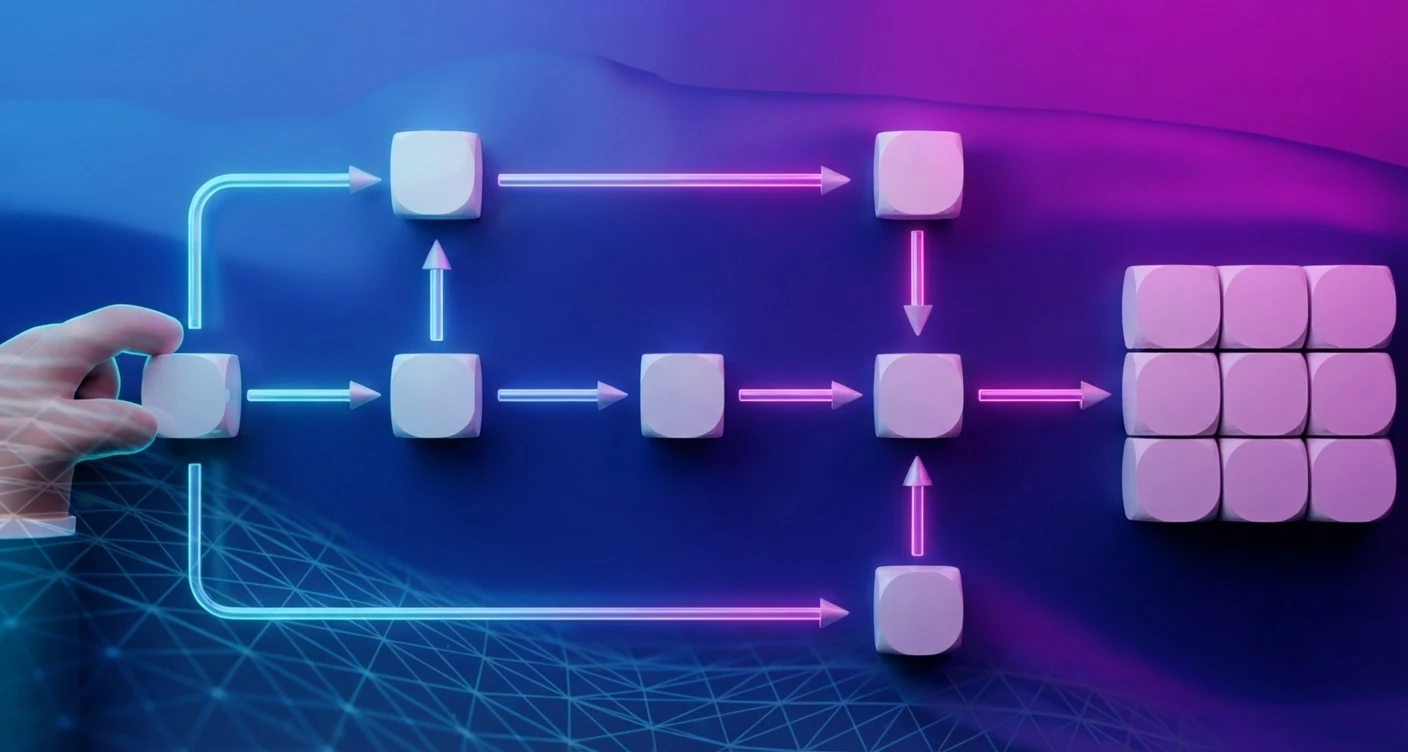
Nobody wants to wrestle with complicated code just to automate a simple process. A user-friendly drag-and-drop interface allows teams to design, modify, and optimize workflows with ease. Whether it’s setting up approvals, assigning tasks, or streamlining data flow, a clear visual representation makes it simple to identify bottlenecks and make quick adjustments—without calling IT for every small tweak. The easier it is to build workflows, the faster businesses can adapt to changing needs.

Integration Capabilities with Existing Tools

Workflow automation software should fit seamlessly into the existing tech stack, not create more work. The best tools integrate effortlessly with CRMs (like Salesforce), ERPs (like SAP), project management platforms (like Asana, Jira), communication tools (like Slack, Microsoft Teams), and email services. This eliminates manual data entry, ensures real-time updates across systems, and keeps operations flowing smoothly without disruption. When systems talk to each other, work gets done faster.

Real-time Monitoring and Reporting

Automation shouldn’t be a black box. You need to see what’s happening in real time. Live workflow tracking helps teams identify bottlenecks, optimize processes, and make data-driven decisions. Built-in reporting tools provide insights into task completion rates, process delays, and efficiency metrics, all accessible through easy-to-read dashboards. Seeing performance at a glance means businesses can tweak and improve processes before problems arise.

Scalability for Business Growth

Your business isn’t static and your automation software shouldn’t be either. The right tool should scale effortlessly as processes become more complex, teams expand, and data volumes grow. A scalable workflow automation system can integrate with new tools, adapt to evolving business models, and support long-term growth without requiring constant reconfiguration. Invest once, and grow continuously.

When automation software combines usability, seamless integrations, real-time insights, and scalability, it transforms workflows from rigid processes into agile, high-performing systems that evolve with the business.


Types of Automation Workflow Software and Use Cases


Workflow automation software comes in various types, tailored to suit the specific needs of businesses, ranging from small startups to large enterprises. Each type brings unique capabilities to streamline operations and boost productivity.

For Small Businesses

Small businesses, often operating with limited resources, can leverage workflow automation software to handle repetitive processes efficiently, allowing them to scale without additional overhead. Here’s how they can benefit:

  1. Simple Task Automation

Automation of routine tasks such as:

  • Data Entry and Invoice Generation: A small retail shop can automate invoice creation whenever a transaction is completed, saving time and reducing human errors.
  • Customer Onboarding: Automating the onboarding process for a service-based business, like a fitness studio, can ensure clients receive timely emails, welcome kits, and appointment scheduling.
  • Order Processing in E-commerce: For instance, a small online business can automate the workflow from order placement to inventory updates and shipping, ensuring a seamless customer experience.
  1. Customer Service Automation

Automation enables small teams to offer exceptional customer service with limited staff:

  • Automated Responses: Chatbots can handle common inquiries such as FAQs, store hours, or return policies, freeing customer service representatives to focus on complex issues.
  • Ticket Management: A small IT support company can automate ticket routing to the appropriate team, ensuring faster resolutions.
  • Email and Social Media Scheduling: A marketing consultancy can automate email campaigns and social media posts to maintain consistent client engagement without manual effort.
  1. Project Management Automation

Project management tools with workflow automation capabilities can help small teams organize and execute projects more efficiently:

  • Task Assignments: Automatically assign tasks to team members when specific project milestones are met, ensuring no step is missed.
  • Timeline Tracking: A design studio can automate project timelines, sending reminders for deadlines and approvals to clients and internal teams.
  • Progress Reports: Automatically generate and share weekly progress reports with stakeholders, improving transparency and collaboration.

Why Workflow Automation Software is Critical for Startups

Startups face the dual challenge of achieving high productivity while managing limited resources. Here’s how automation workflow software can make a difference:

Increased Productivity

Employees can redirect their time from manual, repetitive tasks to high-value activities like strategizing, customer relationship management, and product development. For instance, a tech startup can automate administrative tasks, enabling developers to focus on innovation.

Reduced Operational Costs

With automation reducing the dependency on manual labor, businesses save on hiring additional staff. A small consulting firm, for example, could automate document generation and client communication, significantly cutting overhead costs.

Improved Customer Satisfaction

Faster responses, accurate information, and consistent communication lead to happier customers. For example, a boutique marketing agency using automation to manage client communication can ensure timely updates, boosting trust and loyalty.

Competitive Advantage

Streamlining operations and eliminating inefficiencies allows startups to deliver faster, better-quality services. A startup offering automated client onboarding, for instance, can impress new clients with a seamless and professional experience, setting itself apart from competitors.

Workflow automation software isn’t just a tool for large enterprises; it’s a vital resource for small businesses to scale operations, enhance customer satisfaction, and carve out a strong position in competitive markets. By investing in automation, small businesses can focus on growth while staying lean and efficient.

For Large Enterprises

Large enterprises often manage complex workflows involving multiple teams and departments, where manual processes can lead to delays and inefficiencies. Workflow automation software helps streamline these processes, making operations smoother and more reliable. Here are some key use cases across industries:

Finance

  • Loan Processing Automation: Speeds up loan applications, credit checks, and disbursement processes, helping financial institutions process more applications in less time.
  • Financial Reporting Automation: Automatically generates reports like balance sheets and income statements, ensuring accuracy and saving hours of manual work.
  • Compliance and Risk Management: Automates regulatory compliance checks, fraud detection, and risk assessments, reducing the risk of errors in critical areas.

Healthcare

  • Patient Onboarding and Appointment Scheduling: Simplifies patient registration and scheduling by automating data collection and insurance verification.
  • Medical Records Management: Ensures patient records are securely collected, stored, and retrieved with minimal administrative effort.
  • Claims Processing: Speeds up the handling of medical bills and insurance claims, reducing delays for both patients and providers.

Manufacturing

  • Supply Chain Management: Automates inventory updates, order processing, and logistics tracking, ensuring a seamless supply chain.
  • Production Planning and Scheduling: Optimizes schedules for production lines based on demand and resource availability.
  • Quality Control: Automates defect detection and quality checks, improving consistency in production output.

Benefits of Workflow Automation Software for Large Enterprises

  • Improve Operational Efficiency: Streamline workflows, reduce errors, and free up time for strategic tasks.
  • Enhance Customer Experience: Faster processes lead to shorter wait times and better service delivery.
  • Ensure Compliance: Automating compliance workflows helps meet industry regulations and avoid penalties with minimal oversight.


Benefits of Business Workflow Automation Software

Workflow automation software delivers a range of benefits that enable businesses to operate more efficiently, saving time, cutting costs, and enhancing productivity. Here’s how it can transform your organization:

Time Savings

  • Automating repetitive tasks such as data entry, invoice processing, and report generation frees up valuable employee time for more critical work.
  • Employees can shift their focus to strategic activities like product innovation, customer relationship management, and business development.
  • Examples of tasks streamlined by automation:
    1. Customer Onboarding: Automates tasks like collecting customer information, verifying documents, and setting up accounts, reducing onboarding time significantly.
    2. Order Fulfillment: Simplifies order processing, inventory management, and shipping, making the entire supply chain more efficient.
    3. Expense Reporting: Enables employees to submit, approve, and reimburse expenses with minimal manual effort.

Cost Efficiency

  • Reduces operational costs by minimizing manual errors and the associated expenses of rework or corrections.
  • Identifies and eliminates workflow bottlenecks, ensuring optimal use of resources.
  • Reduces the need to hire additional staff to manage repetitive tasks, helping businesses allocate budgets more effectively.

Improved Productivity

  • Allows employees to dedicate their time and energy to higher-value tasks that drive business growth and innovation.
  • Streamlined workflows lead to faster task completion and increased efficiency across teams.
  • Reduces the mental burden of monotonous tasks, improving employee morale and job satisfaction.

Enhanced Collaboration

  • Provides a centralized platform for communication, task management, and data sharing, ensuring alignment within and across teams.
  • Improves transparency by offering visibility into workflow progress, potential bottlenecks, and task ownership.
  • Facilitates better coordination, allowing teams to work more cohesively and meet deadlines efficiently.


Choosing the Right Workflow Automation Software

Workflow Automation Software

Selecting the right workflow automation software is essential to ensure it meets your business needs and delivers the desired outcomes. Here’s what to consider:

Factors to Consider

  • Compatibility with Existing Systems:
    Ensure the software integrates seamlessly with your current tools, such as CRM, ERP, email systems, or accounting platforms, to avoid workflow disruptions.
  • Scalability and Customization Options:
    Choose software that can grow alongside your business and adapt to evolving workflows. Customizable tools allow for greater flexibility in addressing unique requirements.
  • Security and Compliance Features:
    Ensure the software has robust security protocols to protect sensitive business and customer data. Compliance with industry regulations (e.g., GDPR, HIPAA) is critical for maintaining trust and avoiding penalties.
  • User-Friendliness:
    Opt for tools with an intuitive interface to minimize training time and encourage employee adoption.
  • Budget and Pricing Models:
    Evaluate the pricing model—whether it’s subscription-based, pay-per-user, or based on operations—and ensure it aligns with your budget.

With countless automation tools available, finding the right fit is critical. Experion simplifies the choice with tailor-made solutions that align with your business goals, ensuring efficiency, agility, and lasting value.

Key Considerations for Choosing the Right Tool

  • Complexity of Workflows: If your workflows are simple, Zapier is a great fit. For advanced, multi-layered automation, Workato or Make may be more suitable.
  • Budget: Zapier and Make offer affordable plans, while Workato caters to enterprise-level budgets.
  • Integration Needs: Ensure the tool supports the applications your business relies on, whether it’s marketing platforms, databases, or financial tools.
  • Ease of Use: Choose a tool that aligns with your team’s technical skills, from user-friendly Zapier to feature-rich Make.

By considering these factors, you can select a tool that aligns with your business goals and maximizes the impact of your workflow automation efforts.


Steps to Implement Automated Workflow Software

Implementing workflow automation software effectively requires a clear, structured approach to ensure seamless integration and maximum benefits. Below are the key steps to guide your implementation process:

Step 1: Assess Current Processes

  • Thorough Analysis of Existing Processes: Identify inefficiencies, bottlenecks, and manual tasks that can be automated. For example, if invoice approvals often face delays due to manual checks, it’s a prime candidate for automation.
  • Document Current Workflows: Use visual tools like flowcharts or diagrams to map out existing workflows. This helps uncover redundancies and areas for improvement.
  • Employee Insights: Engage employees to understand their daily challenges. For instance, a customer service team might highlight repetitive data entry as a pain point ripe for automation.

Step 2: Define Goals and Objectives

  • Set SMART Goals: Define clear objectives such as reducing processing times by 50% or increasing task completion rates by 30%.
  • Identify KPIs: Determine metrics like time savings, error reductions, or cost savings to measure the success of the automation initiative.
  • Prioritize Projects: Focus on high-impact workflows first, such as automating customer onboarding or inventory management for maximum ROI.

Step 3: Choose and Configure the Software

  • Select the Right Software: Evaluate options based on business needs, integration capabilities, scalability, and budget. For example, a small business might benefit from a user-friendly tool like Zapier, while enterprises may require the advanced features of Workato.
  • Configuration and Customization: Customize the software to match specific workflows, ensuring it aligns with existing processes.
  • Test and Refine: Pilot the automated workflows with a small team to identify issues and refine the processes before full-scale deployment.

 Step 4: Train Your Team

  • Comprehensive Training: Educate employees on how to interact with the software and automated workflows. Offer hands-on training sessions for maximum impact.
  • Address Concerns: Acknowledge resistance to change by demonstrating how automation benefits daily tasks, like reducing repetitive work or eliminating delays.
  • Ongoing Support: Provide continuous assistance to ensure employees feel confident using the software.

Step 5: Monitor and Optimize

  • Performance Monitoring: Regularly track metrics like task completion times or error rates to evaluate the effectiveness of the automation.
  • Identify Improvement Areas: Pinpoint bottlenecks or inefficiencies in the automated workflows. For instance, if a step in the approval process still requires manual intervention, consider further optimization.
  • Adjust and Evolve: Use performance data and employee feedback to refine workflows and adapt them to changing business needs.


Common Challenges in Business Workflow Automation Software Adoption

While workflow automation software offers significant advantages, businesses may face challenges during implementation. Here’s how to address them:

Resistance to Change

  • Challenge: Employees may fear losing their jobs or struggle to adapt to new technologies.
  • Solution:
    1. Communicate the benefits of automation, such as reduced workload and improved efficiency.
    2. Provide thorough training and involve employees in the implementation process to make them feel included.
    3. Share examples of how automation improves daily tasks, like faster approvals or fewer repetitive entries.

Integration Issues

  • Challenge: Integrating workflow automation software with existing systems like CRMs or ERPs can be complex.
  • Solution:
    1. Test integrations thoroughly before rolling them out organization-wide.
    2. Work with software vendors or IT specialists to ensure smooth implementation.
    3. Use integration platforms or middleware to connect disparate systems seamlessly.

Cost and ROI Concerns

  • Challenge: High upfront costs can deter businesses from adopting automation.
  • Solution:
    1. Track KPIs such as cost savings and efficiency improvements to demonstrate ROI.
    2. Highlight long-term benefits, including reduced operational costs, faster processes, and improved customer satisfaction.


Future Trends in Workflow Automation Software

Workflow Automation Software

Workflow automation continues to evolve, shaped by advancements in technology and the dynamic needs of businesses. Here are the key trends that will define the future of workflow automation:

  1. Role of Artificial Intelligence (AI) and Machine Learning (ML)

AI and ML are revolutionizing workflow automation by enabling more intelligent and adaptive processes:

Intelligent Process Automation (IPA):

  • Combines AI and ML to create smarter workflows capable of handling complex scenarios.
  • For instance, IPA can automatically escalate tasks in case of delays, suggest alternative routes for bottlenecks, or prioritize critical tasks dynamically.

Predictive Analytics:

  • AI-driven algorithms analyze historical data to predict potential bottlenecks or inefficiencies.
  • For example, a manufacturing company can identify supply chain delays in advance and make proactive adjustments to avoid downtime.

Cognitive Automation:

  • Tasks that require human-like reasoning, such as decision-making or problem-solving, are increasingly being automated.
  • Example: AI-powered chatbots can provide 24/7 personalized customer support by understanding inquiries, resolving issues, and even upselling relevant products.
  1. Increasing Focus on No-Code and Low-Code Solutions

The rise of no-code and low-code platforms is democratizing access to workflow automation, enabling even non-technical users to build and deploy workflows:

Democratizing Automation:

These platforms allow employees from various departments to create workflows without relying on IT teams, boosting agility and reducing implementation timelines.

Increased Accessibility:

Departments such as HR, marketing, or finance can automate repetitive processes like recruitment workflows, marketing campaign management, or expense approvals independently.

Citizen Developers:

  • The emergence of “citizen developers” — employees who design simple automation solutions without formal coding expertise — is driving innovation at the grassroots level.
  • Example: An HR executive using a low-code platform can design a workflow for automating employee onboarding without needing advanced technical skills.
  1. Expansion of Automation in Remote and Hybrid Work Environments

The shift to remote and hybrid work has further highlighted the importance of automation in ensuring productivity and collaboration:

Seamless Collaboration:

Workflow automation tools will bridge gaps between geographically dispersed teams by automating updates, approvals, and notifications. Example: In a hybrid team, task updates and file sharing can be automated through tools like Slack or Microsoft Teams integrations.

Remote Task Management:

Automation enables managers to assign, track, and monitor tasks remotely, ensuring accountability and progress. For instance, a manager can use automation to schedule and assign tasks, and track approvals, all from a centralized platform.

Improved Visibility and Transparency:

  • Automation enhances visibility into work progress and team performance by providing dashboards and real-time reports.
  • This allows leaders to make informed decisions, even when teams operate across different time zones.


Conclusion

Workflow automation software is no longer a luxury for businesses; it’s a necessity. Whether it’s automating approvals, integrating data, or providing actionable insights, these tools help businesses operate smarter and more efficiently. And for organizations that require a tailored solution, custom workflow automation software offers the perfect combination of flexibility, scalability, and precision.

By implementing tools like automation workflow software, companies can move beyond manual processes and embrace a future of efficiency, accuracy, and growth. In a world where time is everything, investing in business workflow automation software isn’t just a step forward; it’s a leap into smarter operations and competitive success.


Smart EV Charging

With the increasing adoption of EVs globally, the need for intelligent, scalable, and user-friendly charging solutions has become critical. Smart EV charging systems are reshaping the landscape of EV infrastructure by integrating advanced technologies to ensure seamless, efficient, and sustainable energy management.


The evolution of EV charging technology has been remarkable, moving from simple plug-in solutions to dynamic, data-driven systems. These advancements are not just about convenience; they are about creating a sustainable ecosystem that supports the rapid growth of EVs, reduces energy waste, and aligns with the global push toward clean energy adoption. As a technology partner, Experion helps businesses lead the way by delivering innovative smart EV charging solutions that optimize performance, enhance user experiences, and contribute to a greener planet.

Features of Smart EV Charging

  1. Real-Time Monitoring:
    With real-time monitoring, users and station operators can track charging activities as they happen. The system adjusts in real time based on factors such as grid demand, energy availability, and user preferences, ensuring that the charging process is both efficient and reliable.
  2. Load Balancing:
    Smart EV charging systems distribute electricity efficiently across multiple charging points. This prevents grid overload during peak hours and ensures that all connected vehicles are charged without unnecessary energy waste.
  3. Remote Access:
    Through a smart EV charging app, users can monitor, control, and even schedule their charging sessions remotely. This is particularly beneficial for busy EV owners who want to optimize their charging times without constant supervision.
  4. Energy Optimization:
    Smart charging systems can integrate with renewable energy sources like solar or wind. By utilizing clean energy, these systems significantly reduce the carbon footprint associated with EV charging.

Benefits of Smart EV Charging over Traditional Charging Methods

Smart EV charging offers a host of advantages compared to traditional methods, making it an essential part of modern EV infrastructure.

  1. Efficiency:
    Traditional charging systems operate at a fixed rate, often leading to inefficient energy use. Smart EV charging, on the other hand, dynamically adjusts based on real-time data, optimizing electricity consumption and minimizing waste.
  2. Cost Savings:
    With features like dynamic pricing and load management, smart charging EV helps users reduce electricity costs. Charging during off-peak hours or utilizing renewable energy sources further contributes to cost efficiency.
  3. Sustainability:
    By integrating with renewable energy sources, smart EV charging systems reduce reliance on fossil fuels, supporting the global push for sustainable energy solutions.
  4. Convenience:
    Features like remote monitoring, scheduling, and real-time updates ensure a hassle-free charging experience for users.
  5. Grid Stability:
    Smart systems prevent grid overload by balancing energy demand and supply, especially during peak hours. This not only ensures uninterrupted service but also enhances the reliability of the overall power grid.

Key Components of Smart EV Charging

Smart EV charging systems rely on several key components to deliver an optimized and efficient charging experience:

  1. Smart Charging Stations:
    Equipped with IoT sensors and intelligent software, these stations offer real-time monitoring, load balancing, and energy optimization. They serve as the physical interface between the vehicle and the grid.
  2. Smart EV Charging Software:
    The backbone of the system, this software enables features like load management, data analytics, remote management, and predictive maintenance. It ensures the entire ecosystem operates seamlessly.
  3. Mobile Apps:
    These apps enhance the user experience by providing real-time tracking, scheduling, payment integration, and navigation to the nearest charging station.
  4. Grid Integration:
    Ensures seamless interaction with the local power grid, allowing for energy distribution, renewable energy utilization, and prevention of grid strain.


The Role of EV Smart Charging Station

Smart EV Charging

EV smart charging and EV Smart Charging stations are the cornerstones of modern EV infrastructure. These stations go beyond traditional charging points by incorporating intelligent systems that cater to both user convenience and grid efficiency.

How EV Smart Charging Stations Differ from Conventional Stations

Traditional charging stations are static, offering a simple plug-in system with no real-time capabilities. In contrast, smart EV charging stations are dynamic and adaptive, designed to optimize the charging process while reducing energy consumption. These stations are equipped with sensors, advanced software, and connectivity features that transform the charging experience.

Key Features of EV Smart Charging Station

  1. Real-Time Monitoring:
    Smart charging stations continuously track energy usage, station availability, and charging performance. This ensures that users have access to up-to-date information, improving reliability and user satisfaction.
  2. Load Management:
    By balancing the energy load across multiple charging stations, smart systems prevent overloading during peak times. This feature is particularly critical for public and commercial charging hubs, where multiple vehicles may charge simultaneously.
  3. Renewable Energy Integration:
    One of the most transformative features of smart EV charging station is their ability to integrate with renewable energy sources like solar and wind. This reduces the reliance on traditional energy grids and aligns with sustainability goals.
  4. User-Friendly Interface:
    Smart stations are designed with the user in mind, offering intuitive interfaces and compatibility with mobile apps. Users can easily find nearby stations, check availability, and schedule charging sessions.

Why EV Smart Charging Stations Matter

The integration of smart features into EV charging stations is not just about convenience—it’s about creating a robust and sustainable EV ecosystem. These stations enable:

  • Scalability: Smart stations can adapt to growing EV demands without requiring significant infrastructure changes.
  • Sustainability: By utilizing renewable energy and optimizing energy use, smart stations contribute to environmental conservation.
  • Enhanced User Experience: With features like real-time updates, remote access, and dynamic load balancing, these stations make EV adoption more appealing and practical for users.

Smart charging stations represent the next generation of EV infrastructure, offering a seamless blend of technology, efficiency, and sustainability. By addressing both user needs and grid requirements, they are paving the way for a smarter, greener future in transportation.


Exploring Smart EV Charging Systems

Smart EV Charging

Smart EV charging systems are driven by a combination of cutting-edge technologies, each playing a crucial role in delivering an efficient, seamless, and sustainable charging experience. These systems go beyond traditional charging setups by leveraging advancements in IoT, AI, and data analytics, ensuring the best possible outcomes for users, station operators, and grid operators.

Key Technology Components of Smart EV Charging Systems

  1. IoT (Internet of Things):
    IoT acts as the nervous system of smart EV charging systems, enabling real-time communication between charging stations, vehicles, and grid infrastructure. IoT sensors embedded in chargers gather data on energy usage, vehicle compatibility, and station performance, creating a network of interconnected devices that communicate and respond intelligently to ensure optimal operations.
  2. AI (Artificial Intelligence):
    Artificial intelligence powers the brains behind smart charging. By analyzing vast amounts of data, AI predicts charging demand, identifies patterns in energy consumption, and forecasts potential maintenance needs. These capabilities not only enhance system efficiency but also ensure long-term reliability by minimizing downtime and proactively addressing technical issues.
  3. Data Analytics:
    Smart EV charging systems rely on advanced data analytics to provide insights into energy usage, user behavior, and charging station performance. By understanding these trends, operators can optimize load distribution, anticipate peak demand periods, and enhance overall efficiency. Analytics also play a vital role in improving the user experience by personalizing services and offering dynamic pricing models.
  4. Grid Integration:
    Integration with grid infrastructure ensures that energy demand and supply are balanced, preventing overloading during peak times. This feature enables smart EV charging systems to support energy distribution more effectively, particularly when combined with renewable energy sources like solar and wind.

These technologies work together to make smart EV charging systems not only efficient but also future-proof, serving as the backbone of sustainable energy management.


Smart EV Charging for a Sustainable Future

Smart EV Charging

Smart EV charging station are more than just innovative technologies—they are the cornerstone of a sustainable transportation ecosystem. By reducing energy wastage, integrating renewable energy sources, and optimizing grid usage, these solutions play a critical role in mitigating the environmental impact of increased EV adoption.

Impact of Smart EV Charging Solutions

  1. Grid Strain Reduction:
    Smart charging systems intelligently balance energy demand and supply, preventing blackouts and ensuring uninterrupted energy distribution. This is especially important during peak hours or when multiple vehicles are charging simultaneously.
  2. Support for Renewables:
    Smart systems seamlessly integrate with renewable energy sources like solar and wind, reducing dependency on fossil fuels. This not only lowers greenhouse gas emissions but also accelerates the global transition to clean energy.
  3. Scalability:
    Smart EV charging solutions are designed to cater to diverse use cases, whether for residential homes, commercial buildings, or public charging hubs. Their flexibility allows them to scale with the growing demand for EV infrastructure, making them a long-term solution for sustainable energy management.

Smart EV charging systems are not just tools for charging vehicles—they are essential for creating a greener, more energy-efficient future. By addressing both environmental and operational challenges, these systems pave the way for a smarter transportation ecosystem.


The Role of EV Smart Charging Apps


Smart EV charging apps have revolutionized the way users interact with charging stations, making the process more efficient, accessible, and user-friendly. These apps enhance both the user experience and station management by providing a comprehensive suite of features.

Features of an Effective EV Smart Charging App

  1. Payment Integration:
    Seamless payment options enable users to pay for charging sessions directly through the app, eliminating the need for manual transactions. Integration with multiple payment methods, such as credit cards, digital wallets, and subscription plans, ensures maximum convenience.
  2. Real-Time Tracking:
    Users can monitor charging progress, check station availability, and receive notifications when their vehicle is fully charged. Real-time updates provide peace of mind and enhance operational transparency.
  3. Scheduling:
    The ability to schedule charging sessions is a game-changer for busy EV owners. Apps allow users to book slots in advance, ensuring they never face delays at public charging stations. Scheduling also helps distribute demand evenly, preventing grid strain during peak hours.

These apps empower users to manage their charging needs efficiently while providing operators with tools for better station management. By bridging the gap between users and infrastructure, EV smart charging apps play a vital role in modern EV ecosystems.


Custom Smart EV Charging Software: A Game-Changer

As the EV industry evolves, the need for custom smart EV charging software has become increasingly evident. Unlike off-the-shelf solutions, custom software is tailored to meet specific business and operational requirements, offering unparalleled flexibility and scalability.

Advantages of Custom Smart EV Charging Software

  1. Tailored Solutions:
    Custom software is designed to address unique challenges and objectives, ensuring it aligns perfectly with the client’s operational needs. Whether it’s integrating with specific renewable energy sources or accommodating unique user behaviors, custom solutions provide unmatched adaptability.
  2. Scalability:
    Custom software can be easily scaled to accommodate future growth. As the number of EV users and charging stations increases, the software evolves alongside the infrastructure, ensuring long-term viability.
  3. Enhanced Functionality:
    Custom solutions often include advanced features like predictive maintenance, vehicle-to-grid (V2G) integration, and AI-driven energy optimization. These functionalities provide a competitive edge, enhancing both user satisfaction and operational efficiency.

At Experion Technologies, we specialize in developing custom smart EV charging solutions tailored to your specific requirements. By leveraging our expertise in IoT, AI, and data analytics, we deliver software that optimizes performance, enhances user experiences, and supports your sustainability goals.

The Future of Smart EV Charging Software

Smart EV Charging

As the electric vehicle (EV) ecosystem continues to expand, smart EV charging software is evolving at an unprecedented pace. These advancements are not just incremental—they are redefining how energy is managed, distributed, and utilized. The future of smart EV charging software lies in its ability to create a fully automated, sustainable, and user-friendly charging network.

Advancements in Smart EV Charging Software

  1. AI-Driven Predictive Maintenance:
    Artificial intelligence plays a pivotal role in ensuring the reliability of smart EV charging systems. AI algorithms analyze vast amounts of data to predict maintenance needs, reduce system downtime, and enhance operational efficiency. For example, sensors in charging stations can detect wear and tear, prompting maintenance actions before issues arise. This proactive approach reduces costs and ensures uninterrupted services.
  2. Vehicle-to-Grid (V2G) Technology:
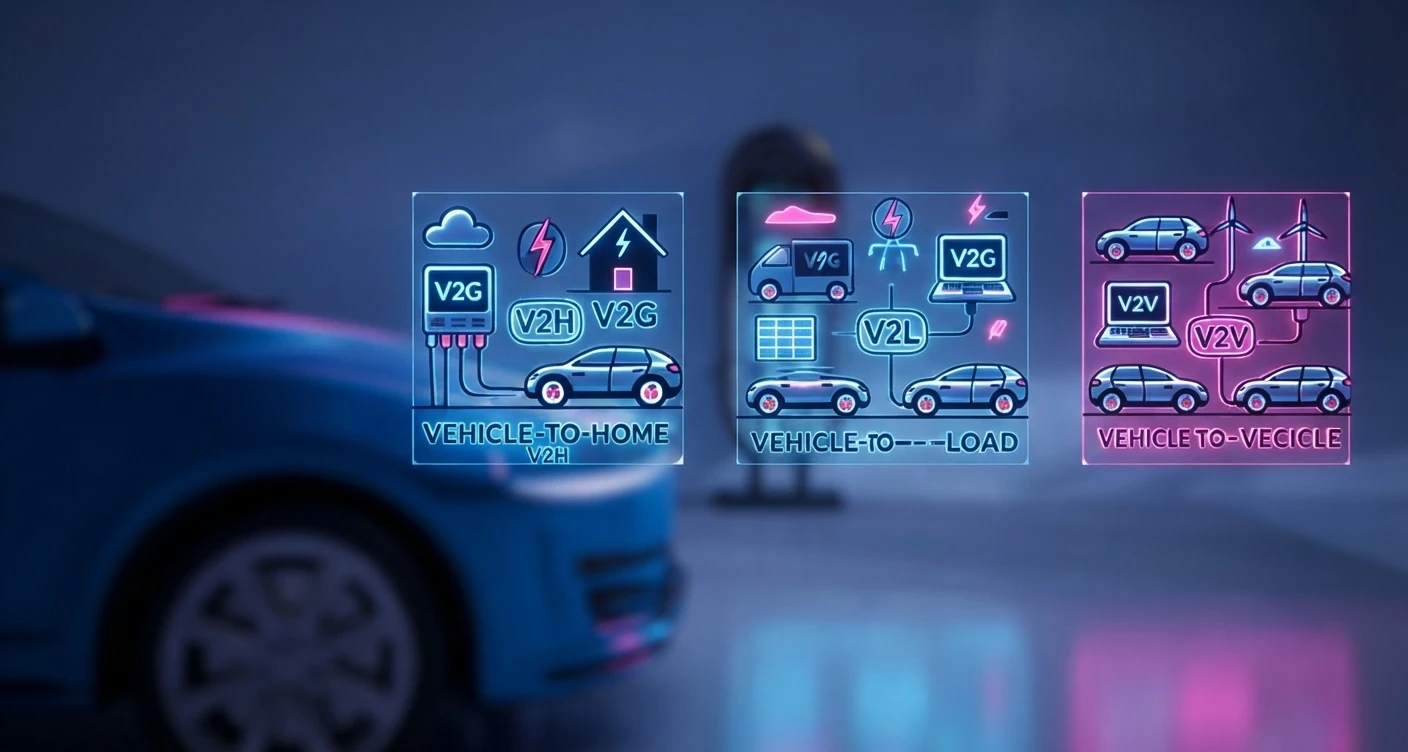
    One of the most exciting advancements in smart charging software is V2G technology. This allows EVs to act as mobile energy storage units, feeding surplus energy back into the grid during peak demand. V2G not only stabilizes the grid but also enables EV owners to earn incentives for sharing their stored energy, making EVs integral to the energy ecosystem.
  3. Enhanced User Interfaces:
    The future of smart EV charging lies in user-centric designs. Intuitive and interactive interfaces enhance user engagement by simplifying navigation, payment processes, and scheduling. Features like voice commands, personalized dashboards, and AI-driven recommendations make charging experiences seamless and enjoyable.

Role of Software in a Fully Automated Charging Network

Smart EV charging software is the backbone of a fully automated and self-sustaining charging network. Automation reduces human intervention, optimizes energy distribution, and enhances system reliability. For instance:

  • Dynamic Load Balancing: Software automatically adjusts energy allocation based on real-time demand and grid capacity.
  • Automated Billing Systems: Seamless integration with payment gateways ensures quick and secure transactions.
  • Energy Source Optimization: Software selects the most sustainable energy sources, prioritizing renewables like solar and wind.

By automating critical processes, smart charging software supports a scalable, resilient, and environmentally friendly charging infrastructure.

Trends to Watch

  • Blockchain for Secure Transactions:
    Blockchain technology is being integrated into EV charging systems to ensure secure and transparent transactions. It enhances trust by creating tamper-proof records of energy usage and payments.
  • Integration of AI with Renewable Energy Forecasting:
    AI-powered forecasting tools predict energy production from renewable sources, optimizing their integration into the grid. This ensures a consistent and reliable supply of green energy for EVs.
  • Development of Universal Charging Standards:
    As EV adoption grows, the need for interoperability between different charging networks is becoming more critical. Universal standards are being developed to ensure compatibility across all EV models and charging stations.


Challenges and Opportunities in Adopting Smart EV Charging

Challenges

  1. High Initial Costs:
    Building the infrastructure for smart EV charging systems requires significant investment, including the deployment of advanced charging stations and software.
  2. Policy Hurdles:
    The regulatory landscape for EV charging is still evolving. Policymakers need to establish clear guidelines to accelerate smart charging adoption.
  3. User Adoption:
    Educating users about the benefits of smart EV charging is essential. Many potential EV owners are unaware of how smart systems enhance convenience, sustainability, and cost-efficiency.

Opportunities

  1. Business Growth:
    The demand for smart EV charging solutions offers immense opportunities for businesses to capture market share in the burgeoning EV industry.
  2. Government Incentives:
    Governments worldwide are offering subsidies, tax breaks, and grants to promote the development of smart charging infrastructure, making it a lucrative area for investment.
  3. Sustainability Goals:
    Smart EV charging aligns perfectly with global efforts to reduce carbon emissions. By integrating renewable energy and optimizing grid usage, these systems contribute to a greener planet.


Conclusion

Smart EV charging is the cornerstone of a sustainable transportation future. By combining cutting-edge technologies like IoT, AI, and blockchain with scalable and flexible solutions, smart EV charging systems are not only transforming how we power vehicles but also shaping the global energy landscape. These advancements provide unparalleled efficiency, convenience, and sustainability, making them essential in meeting the growing demands of EV adoption.

At Experion Technologies, we are proud to be at the forefront of this transformation. Our expertise in IoT, AI, and software development enables us to deliver tailor-made smart EV charging solutions that empower businesses, enhance user experiences, and contribute to a greener world. Whether you’re looking to develop custom software, integrate renewable energy sources, or optimize your charging network, Experion is your trusted partner in building the future of EV charging.

Key Takeaways

  • Smart EV Charging Redefined: A transformative solution that uses intelligent technologies to optimize energy usage, reduce waste, and enhance user convenience.
  • Technological Advancements: Features like AI-driven predictive maintenance, V2G technology, blockchain for secure transactions, and renewable energy integration are revolutionizing the EV ecosystem.
  • Grid-Friendly Solutions: Smart EV charging systems support grid stability by balancing energy demand and supply, preventing blackouts during peak times.
  • Sustainability at the Core: Seamless integration with renewable energy sources helps reduce dependence on fossil fuels and supports global carbon reduction goals.
  • Custom Software is Essential: Tailored solutions provide scalability, flexibility, and advanced features like predictive analytics and automated processes.
  • User-Centric Features: Smart EV charging apps enhance the user experience with payment integration, real-time tracking, scheduling, and intuitive interfaces.
  • Automation for the Future: Fully automated charging networks powered by smart software reduce human intervention and optimize energy distribution.
  • Opportunities for Businesses: The EV industry offers immense growth potential, with smart charging solutions opening new revenue streams and market opportunities.
  • Government Incentives and Support: Subsidies and tax breaks promote the adoption of smart charging infrastructure, making it a lucrative investment area.
  • Universal Standards: Emerging interoperability standards will ensure seamless integration across EV models and charging networks.
  • Global Impact: Smart EV charging systems are not just tools for charging vehicles; they are integral to creating a sustainable, efficient, and green future in transportation.
  • Experion’s Expertise: With tailored solutions and cutting-edge technology, Experion empowers businesses to lead the way in smart EV charging innovation.

EV Range Anxiety – Range Anxiety Software Solution

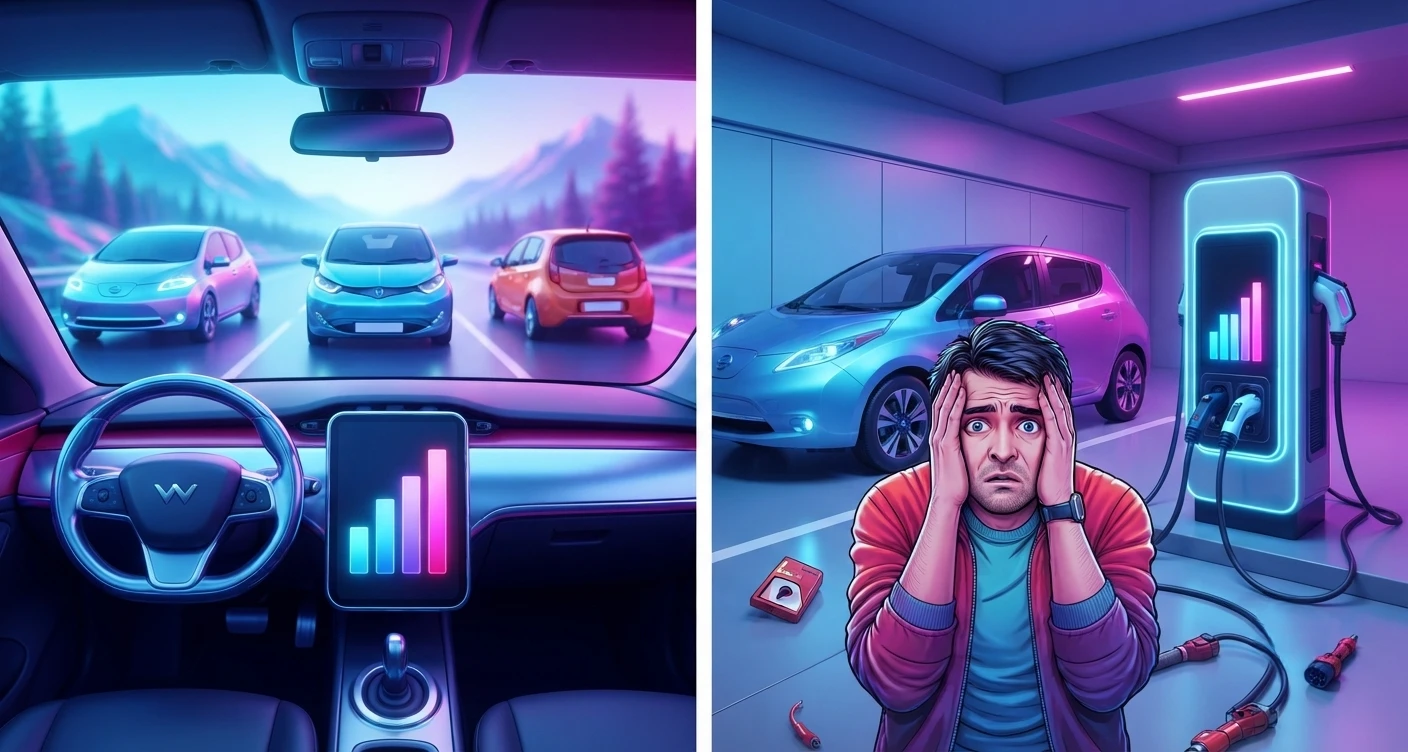
Imagine you’re on a long road trip, cruising along a scenic route in your sleek electric vehicle (EV). The dashboard indicates your battery is running low, but you’re miles away from the next town and unsure if a charging station will be available. A familiar unease settles in – this is EV range anxiety, a fear that continues to hinder EV adoption. Addressing this challenge with innovative solutions like custom EV range anxiety software can make these scenarios a thing of the past, ensuring a confident and enjoyable EV driving experience.


What is EV Range Anxiety?

EV Range Anxiety Range Anxiety Software Solution

EV range anxiety is the worry that your EV’s battery won’t last until the next charging station or your final destination. This fear, often called electric vehicle range anxiety, arises from a lack of charging infrastructure, limited battery ranges, and unpredictable factors like weather or terrain. Whether it’s a daily commute or a cross-country trip, this anxiety can turn an otherwise smooth ride into a stressful journey. Solutions like EV range anxiety software aim to provide real-time support and proactive trip planning to alleviate these concerns.

Understanding the Causes of Range Anxiety

Limited Driving Range
Imagine planning a weekend getaway only to find out that your EV’s range is shorter than expected due to cold weather or steep terrain. AAA’s research shows that extreme temperatures can significantly reduce EV range, leaving drivers second-guessing their plans. Advanced range anxiety software steps in by offering dynamic range predictions that account for factors like weather, driving style, and elevation changes. Instead of guessing, you’ll know exactly how far you can go and where to recharge, ensuring a stress-free drive.

Sparse Charging Infrastructure
Picture this: you’re driving through a rural area, the battery is depleting, and you’re frantically searching for a charging station on your phone. Unfortunately, the nearest one is out of service. This scenario highlights a major challenge—charging station availability. With custom EV range anxiety software, drivers can avoid such predicaments. These tools provide real-time data on charging station locations, availability, and status, ensuring you’re never caught off guard. They can even suggest alternative routes to nearby charging stations, eliminating uncertainty.

Charging Time
You’ve found a charging station—great! But as you plug in, you realize it will take 30 minutes or more to recharge. Compared to the few minutes it takes to refuel a gas car, this feels like an eternity. Solutions like range anxiety EV software help minimize this frustration by displaying estimated charging times, suggesting faster chargers, and even allowing pre-booking at stations. These features make charging an efficient pit stop rather than a prolonged interruption.

Lack of Information and Awareness
Let’s say you’re a new EV owner embarking on your first long trip. You’re unsure how to maximize range or where to find reliable chargers. This lack of knowledge can turn excitement into stress. EV range anxiety software solves this by acting as a virtual co-pilot, offering tips for energy-efficient driving, guiding you to nearby chargers, and even simulating optimal routes. With these tools, you’ll feel empowered, not overwhelmed.

Impact on EV Adoption and User Experience

Hesitancy to Purchase EVs
For many potential buyers, the thought of running out of battery on a highway deters them from going electric. For instance, a study by ICCT found range anxiety to be the top concern among potential EV buyers. By integrating EV range anxiety solutions into the buying experience—such as showcasing route-planning apps or demonstrating real-time battery management—manufacturers can ease these fears and boost consumer confidence.

Limited Driving Freedom
Imagine wanting to take an unplanned detour to visit a quaint town off the beaten path, but you hesitate because you’re unsure if your EV has the range to handle it. This feeling of restriction can diminish the joy of owning an EV. Range anxiety software ensures drivers can explore freely by dynamically updating routes, providing charging options along the way, and giving peace of mind with accurate range calculations.

Increased Stress and Anxiety
Even on short trips, the constant monitoring of battery levels can lead to stress. Consider a parent on a school run, worried about whether they’ll make it to the charger before errands. Custom EV range anxiety software reduces this stress by sending proactive alerts about battery usage and nearby chargers, allowing users to focus on their journey rather than the remaining charge.

Reduced User Satisfaction
A dissatisfied EV owner might reconsider their next purchase. For instance, JD Power’s studies show that range anxiety significantly impacts overall customer satisfaction. Gamification features within range anxiety solutions can enhance user engagement, rewarding energy-efficient driving or milestones like completing long trips. These small incentives contribute to a more fulfilling ownership experience.

How Custom EV Range Anxiety Software Changes the Game

  1. Real-Time Navigation and Charging Assistance
    Imagine driving into a city you’ve never visited before. Instead of guessing where to find a charger, EV range anxiety software guides you to the nearest available station, displays estimated wait times, and lets you reserve a spot—all from your dashboard. It’s like having a personal assistant ensuring your EV journey is smooth.
  2. Predictive Analytics for Stress-Free Driving
    Picture starting your trip with precise insights into your EV’s battery performance. Predictive analytics consider your driving habits, terrain, and weather to offer highly accurate range estimates. These tools adapt to real-time changes, providing unparalleled confidence.
  3. Community-Driven Feedback
    Imagine being part of a network of EV owners who share experiences and station reviews. Community platforms within range anxiety EV solutions allow drivers to rate charging stations, report issues, and recommend the best routes. This collective wisdom makes every journey better.


Difference Between EV Range Anxiety and EV Charging Anxiety

EV Range Anxiety Range Anxiety Software Solution

Electric vehicle (EV) adoption has brought new concerns for drivers, primarily EV range anxiety and EV charging anxiety. While these two challenges are interconnected, they focus on different aspects of the EV experience. Understanding their distinctions is key to developing solutions that enhance user confidence and satisfaction.

EV Range Anxiety

Definition:
The concern of depleting battery power before successfully arriving at a destination.

Primary Concern:
Limited driving range of the EV itself.

Factors Influencing EV Range Anxiety:

  • Battery Size: Determines the maximum distance the EV can travel on a single charge.
  • Driving Conditions: Includes speed, weather, and terrain, which can impact energy consumption.
  • Vehicle Weight: Heavier vehicles typically consume more energy, reducing range.
  • Manufacturer’s Estimated Range: Often optimistic and not reflective of real-world conditions.

EV Charging Anxiety

Definition:
Concerns about the availability, reliability, and convenience of charging stations.

Primary Concerns:

Availability:

    1. Sparse charging infrastructure, particularly in rural or remote areas.
    2. Uneven distribution of chargers, leading to challenges in locating one nearby.

Reliability:

    1. Out-of-order chargers can disrupt plans.
    2. Long queues at charging stations create delays.
    3. Slow charging speeds add to frustration.

Convenience:

    1. Difficulty finding available chargers, especially during peak times.
    2. Long wait times at popular charging stations.
    3. Chargers located in inconvenient or hard-to-access areas.

Key Differences

Aspect EV Range Anxiety EV Charging Anxiety
Focus Fear of running out of battery power. Concerns about finding and using charging stations.
Primary Concern Vehicle’s driving range. Charging infrastructure availability and reliability.
Influenced By Battery size, driving conditions, and vehicle weight. Sparse chargers, reliability issues, and location.
Core Fear “Not going far enough.” “Not being able to charge easily or quickly.”

In Essence

Range Anxiety:

    1. Centers on the vehicle’s limitations and the ability to travel long distances.
    2. Drivers worry about their battery running out before reaching their destination.

Charging Anxiety:

    1. Focuses on the limitations of the charging network.
    2. Drivers stress about finding a functional, nearby charger and the time it will take to recharge.

Why Addressing Both is Crucial

Both range anxiety and charging anxiety present significant barriers to EV adoption. While range anxiety emphasizes the need for better battery technology, charging anxiety underscores the importance of reliable and widespread charging infrastructure. Together, they highlight the necessity for:

  1. Advanced Battery Technology: Increasing range and efficiency for longer drives.
  2. Expanding Charging Infrastructure: Ensuring chargers are accessible, functional, and evenly distributed.
  3. User-Friendly Software Solutions:
  • Providing real-time updates on range and charging options.
  • Offering route planning with integrated charging station information.
  • Reducing stress by streamlining the charging process.

By addressing these challenges, the EV industry can foster confidence, encourage adoption, and drive a seamless transition to sustainable transportation.


How Range Anxiety Software Can Help: Transforming EV Ownership

EV Range Anxiety Range Anxiety Software Solution

For many, the idea of running out of battery mid-journey is a daunting thought that holds back EV adoption. Enter range anxiety software, a game-changer in the EV ecosystem. By offering real-time insights, intelligent planning, and proactive recommendations, this software transforms the EV driving experience, instilling confidence in drivers and addressing common concerns about range and charging infrastructure.

The Role of Range Anxiety Software in Overcoming EV Limitations

Imagine driving your EV on an unfamiliar route, with your dashboard showing a dwindling battery and no idea where the next charging station might be. This is where range anxiety software steps in. By combining predictive analytics, real-time updates, and tailored recommendations, it empowers drivers to tackle EV limitations head-on. It’s not just about getting from point A to B—it’s about doing so stress-free, with a clear plan and reliable support.

Key Features of Effective Range Anxiety Solutions

  1. Accurate Range Prediction

Picture this: You’re heading out for a weekend getaway. Instead of guessing whether your EV can handle the distance, range anxiety software gives you precise, real-time updates.

  • Real-time Estimations: It analyzes battery level, driving style, terrain, weather conditions, and traffic to calculate your remaining range accurately.
  • Predictive Algorithms: Advanced machine learning adjusts range estimates on the fly, considering upcoming driving conditions, so you always know where you stand.
  1. Intelligent Route Planning

No more second-guessing your route. Range anxiety software integrates seamlessly with navigation systems to optimize your journey.

  • Charging Stop Optimization: It identifies the best charging stations along your route, factoring in speed, availability, and cost.
  • Dynamic Adjustments: Encounter traffic or unexpected detours? The software recalibrates, ensuring you’re always on the most efficient path.
  1. Real-time Charging Station Information

Imagine driving to a charging station only to find it occupied or out of service—it’s frustrating and stressful. Range anxiety software eliminates these surprises.

  • Comprehensive Database: Access an up-to-date directory of charging stations, complete with location, speed, cost, and status.
  • Real-time Updates: Know which stations are available, avoiding unnecessary detours or wait times.
  1. Charging Scheduling and Reservations

Say goodbye to waiting in line at busy charging stations.

  • Reservation Capabilities: Pre-book charging sessions at specific stations to secure your spot.
  • Smart Integration: Sync with smart home devices to charge during off-peak electricity hours, saving money and supporting grid efficiency.
  1. Personalized Recommendations

Because no two drivers are the same, range anxiety software tailors its insights to your needs.

  • Driving Habits: Receive suggestions based on how you drive, including efficiency tips and route preferences.
  • Proactive Alerts: Get timely notifications about low battery levels and charging options nearby, so you’re never caught off guard.

Real-time Monitoring and Predictive Analysis

  1. Real-time Vehicle Data

Stay connected to your EV’s status at all times.

  • Continuous Monitoring: Track battery levels, charging status, and driving conditions in real time.
  • Data-driven Insights: Understand your driving and charging patterns for better planning and decision-making.
  1. Predictive Analytics

What if your software could anticipate range issues before they happen?

  • Proactive Solutions: Machine learning algorithms analyze real-time and historical data to predict potential range problems and suggest preventive measures.
  • Behavior Patterns: By understanding your driving history, the software optimizes future strategies, ensuring smoother journeys.


Custom EV Range Anxiety Software: A Tailored Approach

Why Consider Custom EV Range Anxiety Software?

For EV manufacturers and fleet managers, generic solutions may address basic concerns but fail to account for the specific demands of diverse user groups. A custom EV range anxiety solution focuses on understanding these needs and creating a platform that offers unparalleled precision, adaptability, and user satisfaction.

Benefits of Custom Solutions for EV Manufacturers and Fleet Managers

  1. Enhanced Brand Image
    Custom software signals a manufacturer’s commitment to customer satisfaction and innovation. By providing a tailored solution, brands can differentiate themselves as leaders in solving electric vehicle range anxiety while fostering loyalty among their customers.
  2. Competitive Advantage
    Offering a unique and superior range anxiety solution gives EV manufacturers a competitive edge. Custom solutions demonstrate a forward-thinking approach that appeals to both individual drivers and fleet operators.
  3. Data-Driven Insights
    Custom software allows manufacturers to collect and analyze valuable data on driver behavior, charging patterns, and range-related concerns. These insights can be used to improve vehicle design, optimize battery performance, and enhance user experience.
  4. Improved Customer Experience
    Tailored software adapts to individual preferences, ensuring that features like real-time range predictions, intelligent route planning, and charging notifications are precisely aligned with user needs. This level of personalization fosters confidence and satisfaction in EV ownership.
  5. Optimized Fleet Operations
    For fleet managers, custom solutions can streamline operations by improving vehicle utilization, minimizing charging costs, and increasing overall efficiency. By addressing range anxiety EV challenges proactively, fleet managers can reduce downtime and maximize productivity.

Integration with Existing EV Systems and Platforms

Seamless integration is a cornerstone of effective custom EV range anxiety software. Connecting the software with existing EV platforms ensures a cohesive user experience and unlocks the full potential of the solution.

Key Integration Areas

  1. Vehicle Telematics
    Custom software taps into vehicle telematics systems to access real-time data, including battery levels, driving conditions, and charging status. This integration allows for precise range predictions and proactive alerts, directly addressing EV range anxiety concerns.
  2. Charging Network Platforms
    Integrating with charging networks provides up-to-date information on charging station locations, availability, pricing, and speeds. Drivers can make informed decisions, minimizing EV charging anxiety and avoiding unnecessary detours or wait times.
  3. Navigation Systems
    Seamless integration with in-car navigation systems allows for intelligent route planning that incorporates real-time charging recommendations. Drivers receive suggestions for the most efficient stops, saving both time and energy.
  4. Mobile Apps
    A user-friendly mobile app serves as the central hub for accessing features like range monitoring, charging station searches, and scheduling reservations. By delivering real-time updates and personalized insights, the app ensures users stay connected and informed.

With Experion’s proven track record in developing tailored software for complex challenges, our EV range anxiety solutions are designed to empower manufacturers, fleet operators, and drivers with smarter, data-backed technology for a seamless journey.

Driving Adoption Through Tailored Solutions

Developing a custom EV range anxiety software solution that integrates seamlessly with existing EV systems empowers manufacturers and fleet managers to address range anxiety concerns effectively. Tailored solutions provide a competitive edge, enhance user satisfaction, and optimize fleet operations while supporting the broader goal of accelerating electric vehicle adoption. By offering a personalized and integrated approach, these solutions pave the way for a confident, enjoyable, and stress-free EV driving experience.


Core Features of a Reliable Range Anxiety Solution

EV Range Anxiety Range Anxiety Software Solution

Accurate Range Predictions

  • Real-time Estimation: Continuously calculates remaining range by analyzing factors such as battery level, driving style (aggressive vs. eco), terrain (hills, highways, city streets), weather (temperature, wind), and traffic conditions.
  • Predictive Algorithms: Leverages machine learning to anticipate future driving scenarios like sudden stops, traffic congestion, or detours, dynamically updating range predictions.
  • Adaptive Learning: Learns from driver behavior and historical data to refine predictions over time, making the system increasingly accurate and reliable.

Smart Route Planning with Charging Stations

  • Intelligent Routing: Combines GPS and mapping data to create optimized routes, prioritizing pathways with sufficient charging infrastructure.
  • Charging Station Information: Offers real-time updates on charging station availability (occupied/vacant), speeds, and costs, ensuring no surprises.
  • Charging Stop Recommendations: Suggests the most convenient charging stops based on driver preferences such as charging speed, cost efficiency, or location accessibility.

Battery Optimization and Energy Management

  • Eco-Driving Tips: Provides real-time guidance for efficient driving techniques like smooth acceleration, coasting, and regenerative braking to maximize range.
  • Pre-conditioning: Allows drivers to heat or cool the battery before departure, enhancing efficiency and extending range in extreme weather conditions.

Remote Diagnostics and Alerts

  • Vehicle Health Monitoring: Continuously tracks parameters like battery health and charging history, identifying issues early to prevent breakdowns.
  • Proactive Alerts: Notifies drivers of potential range concerns, low battery levels, or nearby charging stations.
  • Over-the-Air Updates: Enables remote software updates to improve functionality and add new features without requiring service visits.


Real-world Applications of Range Anxiety Software

EV Fleet Management Optimization

  • Route Planning and Scheduling: Optimizes delivery routes, ride-sharing services, and logistics operations by factoring in charging needs, minimizing downtime.
  • Predictive Maintenance: Detects potential battery issues early, reducing repair costs and maximizing fleet uptime.
  • Energy Cost Management: Aligns charging schedules with off-peak electricity rates, significantly cutting operational expenses.

Enhanced Customer Experience for Individual EV Users

  • Reduced Stress and Anxiety: Provides drivers with the tools and information needed to manage range confidently, eliminating common worries about running out of charge.
  • Improved Trip Planning: Simplifies travel by offering accurate range predictions, optimal charging stops, and real-time updates on charging station availability.
  • Personalized Recommendations: Tailors suggestions to individual preferences, habits, and charging requirements for a seamless driving experience.

Use Cases in Delivery, Ride-sharing, and Logistics

  • Delivery Services: Optimizes routes for timely and cost-effective deliveries, reducing the need for frequent charging stops.
  • Ride-sharing Services: Ensures vehicles have sufficient range to meet passenger demands and maintain service reliability.
  • Logistics Companies: Enhances fleet operations by reducing downtime and operational costs through efficient charging management and route optimization.


Future Trends in EV Range Anxiety

Integration with AI and Machine Learning

  • Predictive Analytics: AI/ML models provide increasingly accurate predictions of driving conditions, traffic patterns, and energy consumption.
  • Personalized Recommendations: Offers bespoke driving and charging advice based on individual behavior and historical data.
  • Proactive Issue Resolution: Identifies potential range concerns before they arise, delivering seamless and stress-free journeys.

Enhanced Vehicle-to-Grid (V2G) Connectivity

  • Grid Integration: Enables EVs to interact with the power grid, acting as both consumers and suppliers of electricity.
  • Demand Response: Adjusts charging schedules based on grid demand, contributing to peak load management and improved grid stability.
  • Revenue Generation: Empowers drivers to earn income by selling surplus energy back to the grid during high-demand periods.

Upcoming Innovations in Battery Technology

  • Increased Energy Density: Advances in battery chemistry will deliver higher-capacity batteries for longer ranges and faster charging times.
  • Solid-State Batteries: Promises safer, higher-performing, and more energy-dense alternatives to current lithium-ion technology.
  • Advanced Battery Management Systems (BMS): Incorporates smarter systems to optimize battery performance, enhance lifespan, and reduce degradation.


How Experion Can Help You With EV Range Anxiety Software Solutions

Experion Technologies brings its extensive expertise in software development, data analytics, and machine learning to provide cutting-edge solutions for addressing EV range anxiety. With a focus on creating tailored, user-centric software, we help EV manufacturers, fleet managers, and other stakeholders enhance the electric vehicle experience.

Custom Software Development

Experion specializes in designing and developing bespoke software applications that tackle specific EV range anxiety concerns. These custom solutions integrate seamlessly with existing EV systems, ensuring compatibility and ease of use for both manufacturers and end-users.

Data Analytics and Predictive Modeling

By leveraging data analytics and machine learning algorithms, Experion enables:

  • Accurate Range Predictions: Real-time calculations that adapt to driving conditions, battery health, and external factors like weather.
  • Optimized Charging Schedules: Proactive planning to ensure cost-effective and efficient charging.
  • Anticipating Potential Range Issues: Predictive tools that warn drivers of possible range limitations and suggest solutions.

Integration with Existing Platforms

Seamless integration is at the core of Experion’s approach. Our solutions connect with:

  • Vehicle Telematics: For real-time vehicle data, including battery levels and driving conditions.
  • Charging Network Platforms: Providing comprehensive information on station availability, costs, and charging speeds.
  • Navigation Systems: Enabling smart route planning with charging station recommendations.
  • Mobile Apps: Ensuring drivers have easy access to features like range monitoring, charging schedules, and real-time updates.

Cloud-Based Solutions

Experion offers scalable, secure cloud-based solutions for data storage, processing, and analytics. This ensures robust performance and the ability to handle large volumes of data efficiently, making it ideal for manufacturers and fleet operators.

Ongoing Support and Maintenance

Our partnership doesn’t end with development. Experion provides comprehensive support and maintenance services, ensuring that your EV range anxiety software remains reliable, up-to-date, and continuously optimized for performance.

Why Partner With Experion?

Collaborating with us allows stakeholders to leverage our technical expertise and innovative approach to software development. Whether you are an EV manufacturer aiming to differentiate your products, a fleet manager looking to optimize operations, or a charging network provider seeking to enhance user experience, Experion has the tools and knowledge to deliver impactful results.


Conclusion

Range anxiety software is transforming the EV landscape by addressing critical challenges that hinder widespread adoption. From accurate range predictions to intelligent route planning and real-time charging insights, these solutions empower drivers to navigate confidently and stress-free.

Experion Technologies stands ready to support EV manufacturers, fleet managers, and other stakeholders in developing advanced, tailored solutions. By investing in range anxiety software and leveraging cutting-edge technologies like data analytics and machine learning, we can collectively overcome barriers to EV adoption and build a future where electric vehicles become the preferred mode of transportation.

Digital Transformation: Why Integration is Non-Negotiable

Digital transformation has redefined the expectations placed on IT teams, forcing them to adapt to an ever-changing landscape. The demand for seamless customer experiences, AI-driven insights, and automation is at an all-time high. Yet, while project workloads grow exponentially, IT must balance enabling emerging technologies with maintaining daily operations. This balancing act is further complicated by challenges such as skill gaps, disconnected systems, and stringent compliance requirements.

The New Reality of IT in Digital Transformation

In today’s digital-first world, IT leaders must navigate rising expectations while tackling persistent challenges. A recent MuleSoft survey found that 87% of IT leaders agree the nature of digital transformation is changing. Despite this acknowledgment, 95% of organizations struggle to integrate AI with their existing systems, and 79% cite security concerns as a significant roadblock. Furthermore, 66% of automation projects still depend entirely on IT teams, placing immense pressure on already stretched resources.

As AI adoption accelerates, integration and security concerns emerge as the most significant barriers. Integration, however, is not merely a solution—it’s the backbone of digital transformation. Organizations that can seamlessly connect their data, applications, and systems gain agility, accelerate project delivery, and adapt to shifting customer needs more effectively.

The Case for Integration in Digital Transformation

Integration is the foundation for unlocking the full potential of digital transformation. Seamless integration enables businesses to:

⦁ Accelerate project delivery.
⦁ Respond swiftly to evolving customer needs.
⦁ Adapt to rapid market changes.

A proactive API-led strategy and seamless application integration are critical for overcoming barriers to adopting emerging technologies. Organizations leveraging APIs for transformation not only drive revenue growth but also reduce operational costs. Without robust integration, the benefits of data, AI, and automation remain untapped.

The Importance of a Comprehensive Integration Platform

A common mistake organizations make is embarking on integration projects without proper planning. This can lead to oversight in areas such as scalability, security, and governance. For example, while Azure Logic Apps are a popular integration tool, organizations often adopt them without considering broader cloud architecture and adherence to well-architected principles. Although consumption-based pricing models may seem cost-effective initially, neglecting security and governance needs can result in significant long-term challenges.

Digital Transformation: Why Integration is Non-Negotiable

Consumer expectations have fundamentally shifted post-pandemic. Customers now demand seamless digital interactions, and businesses must deliver integrated experiences to retain loyalty and remain competitive. The ease with which business customers can switch providers has made integration a critical priority.
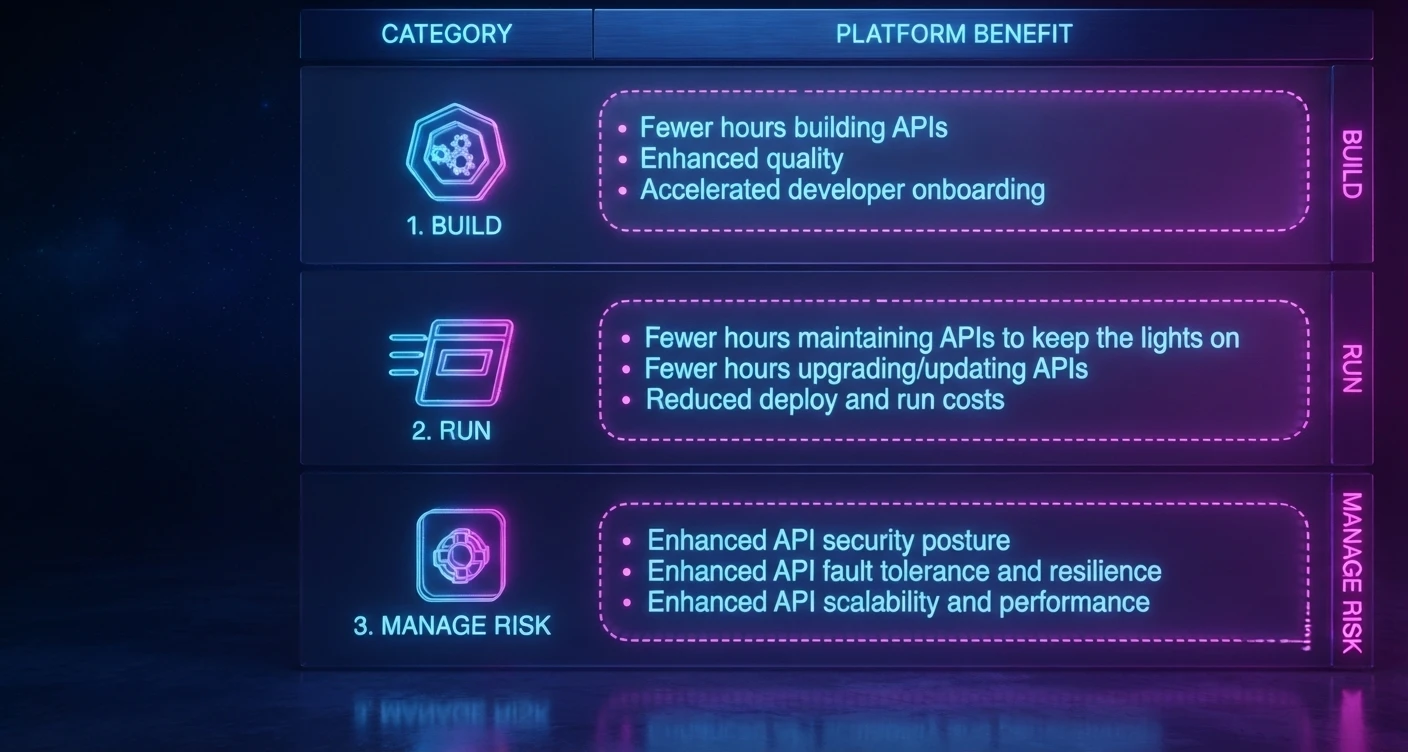
By adopting specific integration technologies and strategies, businesses can achieve significant benefits. Integration platforms must align with an organization’s cloud-native strategy and deliver value across three critical areas:

  • Build: Enable faster development of integration projects by providing pre-built connectors and reusable APIs, reducing time-to-market.
  • Run: Ensure seamless operation of integrations with high reliability, scalability, and availability.
  • Mitigate Risk: Minimize IT vulnerabilities by implementing robust security and governance frameworks across endpoints. This also improves the reliability and scalability of the overall IT infrastructure.

Conclusion: Integration as the Cornerstone of Transformation

Integration is no longer optional—it is non-negotiable for organizations striving to lead in the era of digital transformation. By connecting data, applications, and systems seamlessly, businesses can accelerate innovation, reduce operational complexity, and respond to changing market dynamics with agility.

IIT leaders must prioritize a cohesive and scalable technology stack that supports API-led transformation and fosters interoperability. With the right integration platform and strategy in place, organizations can mitigate risks, drive growth, and unlock the full potential of AI, automation, and data-driven insights.

The future belongs to businesses that recognize integration not just as a technical necessity but as a strategic enabler for innovation and competitive advantage.

Bidirectional EV Charging

The rise of vehicle-to-grid (V2G) technology is transforming Electric vehicles (EVs) into power players in the energy world. EVs represent a significant shift in the automotive industry, relying on clean, renewable energy sources instead of traditional fossil fuels. The cornerstone of EV functionality lies in their ability to recharge using electricity drawn from the grid or other energy sources. Charging an EV involves transferring electrical energy to its battery pack through dedicated EV chargers, which can range from basic Level 1 chargers to advanced DC fast chargers.

As the global focus intensifies on sustainability, EV charging technology continues to evolve, integrating smart features such as dynamic load management, real-time energy monitoring, and renewable energy compatibility. This evolution not only facilitates faster and more efficient charging but also contributes to reducing the carbon footprint associated with transportation.

Importance of Bidirectional Charging in Modern EV Ecosystems

Electric Vehicle bidirectional charging technology has emerged as a transformative force in modern EV ecosystems. By enabling two-way energy transfer, EVs transcend their traditional role as consumers of energy to become dynamic assets in the energy ecosystem. This capability is especially significant in addressing contemporary energy challenges:

  1. Grid Stability: By feeding energy back to the grid, EVs can help stabilize voltage and frequency levels during periods of high demand or fluctuations in renewable energy generation.
  2. Reduced Fossil Fuel Dependency: By promoting renewable energy integration, bidirectional charging reduces reliance on fossil fuels, accelerating the transition to cleaner energy sources.
  3. Financial Opportunities for EV Owners: Bidirectional charging opens avenues for EV owners to monetize excess energy by participating in energy markets, offering services like peak shaving, or providing emergency backup power to homes and businesses.
  4. Emergency Preparedness: EVs equipped with bidirectional capabilities can act as mobile power supplies during outages, contributing to energy resilience.


What is Bidirectional EV Charging?

Bidirectional EV Charging

Bidirectional EV charging, also known as vehicle-to-grid (V2G) technology, represents an advanced approach to EV charging. Unlike conventional systems, which solely transfer energy from the grid to the vehicle, bidirectional systems allow energy to flow in both directions. This means that an EV can charge its battery from the grid and also discharge stored energy back into the grid or other connected systems.

This technology effectively transforms EVs into mobile energy storage units, capable of contributing to energy distribution, reducing peak loads, and serving as backup power sources. The versatility of bidirectional charging positions it as a key enabler in the transition to a more decentralized and resilient energy infrastructure.

How Bidirectional Charging Differs from Conventional Charging

The primary distinction between conventional and bidirectional charging lies in the direction of energy flow:

  • Conventional Charging: Energy flows unidirectionally, from the grid to the EV. This method is straightforward, designed only to replenish the vehicle’s battery.
  • Bidirectional Charging: Energy flows bidirectionally, enabling the EV to function as an energy resource. This two-way interaction allows EVs to discharge energy into the grid, home, or building, making them active participants in energy management.

The advanced capabilities of bidirectional charging introduce new functionalities, such as supporting renewable energy integration and enabling energy trading, which are absent in conventional systems.


Types of Bidirectional Charging

Bidirectional EV Charging

Overview of Different Types

Bidirectional charging encompasses several configurations, each tailored to specific use cases:

Vehicle-to-Grid (V2G):

  • Facilitates the transfer of energy from EVs to the grid.
  • Used for grid stabilization, frequency regulation, and peak load management.
  • Supports renewable energy integration by balancing supply and demand.

Vehicle-to-Home (V2H):

  • Allows EVs to supply power directly to household appliances and systems.
  • Supplies backup power during blackouts or periods of elevated grid prices.
  • Supports energy independence and cost savings for homeowners.

Vehicle-to-Building (V2B):

  • Extends V2H capabilities to larger commercial and industrial facilities.
  • Helps reduce electricity costs by leveraging stored EV energy during peak demand periods.
  • Enhances energy resilience in critical operations.

Vehicle-to-Vehicle (V2V):

  • Facilitates energy transfer between two EVs.
  • Useful in scenarios such as emergency charging or peer-to-peer energy sharing.
  • Promotes collaboration and community energy solutions.

Key Features and Applications

Key Features

  1. Enhanced Grid Stability: EVs contribute to balancing grid loads, ensuring consistent voltage and frequency levels.
  2. Peak Load Shaving: By discharging stored energy during peak demand, bidirectional charging reduces strain on the grid.
  3. Frequency Regulation: Precise energy contributions help maintain grid frequency within acceptable limits.
  4. Renewable Energy Integration: EVs can store surplus renewable energy and discharge it when needed, minimizing wastage.
  5. Emergency Power Supply: EVs serve as reliable backup power sources during outages, ensuring critical systems remain operational.
  6. Revenue Generation: EV owners can earn income by selling stored energy or providing grid services.

Applications

1. Residential Applications (V2H):

  • Backup power during outages.
  • Cost optimization by discharging stored energy during peak electricity rates.

2. Commercial and Industrial Applications (V2B):

  • Reducing operational costs by using EVs as a supplemental power source.
  • Enhancing energy efficiency in large facilities.

3. Grid Services (V2G):

  • Supporting renewable energy integration.
  • Stabilizing grid operations through frequency regulation and voltage control.

4. Disaster Relief:

  • Providing essential power during emergencies or natural disasters.
  • Facilitating rapid deployment of mobile energy solutions.

5. Electric Vehicle Fleets:

  • Fleet vehicles equipped with bidirectional charging can collectively serve as a significant energy resource.
  • Ideal for industries like public transportation, logistics, and shared mobility.

 V2G (Vehicle-to-Grid) Charging: Power Back to the Grid

How V2G Works

Imagine your electric vehicle not just as a car but as a contributor to the larger energy ecosystem. That’s the magic of V2G technology. It’s powered by custom bidirectional EV charging software, enabling a two-way energy dance between your EV and the grid.

Here’s how it works:

  • During Peak Hours: Your EV becomes a team player, sharing a portion of its stored energy to lighten the grid’s load when demand soars—like during those summer evenings when every AC is running full blast.
  • During Off-Peak Hours: Your EV quietly recharges itself when electricity is cheaper, ensuring you’re ready for the road and the next energy-sharing opportunity.

V2G charging turns your car into more than just a ride; it’s a partner in creating a stable, efficient energy network.

Benefits for Energy Management and Grid Stability

So why should your car double as an energy expert? Here are a few reasons that might get you excited:

  1. Peak Load Shaving: Think of your EV swooping in like a superhero to save the grid from overloading. By sharing energy during high-demand hours, it reduces the need for costly and environmentally taxing “peaker plants.”
  2. Frequency Regulation: Ever seen how a conductor ensures an orchestra stays in tune? Your EV does something similar for the grid, helping it stay balanced and reliable.
  3. Renewable Energy Integration: Picture a sunny afternoon when solar panels generate more power than we can use. Your EV steps in as a storage vault, holding that clean energy until it’s needed later.
  4. Grid Resilience: In emergencies or outages, your EV can keep the lights on—not just in your home but potentially in hospitals or shelters too. It’s a rolling lifeline.

Real-World Use Cases and Examples

The concept of V2G is already stepping out of the lab and into real life:

Utility Programs

Forward-thinking energy providers reward EV owners for sharing their battery power during peak demand. Programs like those in California allow owners to earn extra cash or lower their energy bills, making charging an income-generating activity while stabilizing the grid.

Fleet Operators

Companies managing EV fleets, like delivery vans and buses, use V2G to cut energy costs and stabilize the grid. By charging during off-peak hours and discharging surplus energy during peak times, they maximize efficiency and support sustainability efforts.

Residential Applications

Some EV owners are turning their vehicles into grid-support tools, earning incentives while contributing to cleaner energy. With V2G, cars not only charge but also supply power to their homes or neighborhoods during high-demand periods.

V2H (Vehicle-to-Home) Charging: Powering Homes with EVs

Functionality and Integration with Home Energy Systems

Now imagine this: your EV isn’t just powering your journeys; it’s powering your home too. That’s the beauty of V2H charging, where your car becomes your personal backup generator.

Here’s how it works:

  • During grid outages, your EV steps in to keep essential appliances like lights, refrigerators, or even medical devices running smoothly.
  • It syncs seamlessly with home energy management systems (HEMS), optimizing energy flow between your car, home, and even rooftop solar panels.

With vehicle-to-home technology, your EV becomes the quiet hero that keeps your life moving, even when the power goes out.

Backup Power and Energy Cost Savings

V2H isn’t just about emergencies; it’s a game-changer for everyday life too:

  1. Backup Power: Whether it’s a storm cutting off electricity or a routine outage, your EV ensures the essentials are always powered. No more fumbling for candles!
  2. Energy Cost Savings: Charge your EV during off-peak hours, when electricity is cheapest, and use that stored power during peak hours to lower your energy bills. Add rooftop solar to the mix, and you’re practically living off the grid.

Implementation Scenarios

Wondering how V2H could fit into your life? Here are some ideas:

  • New Home Construction: Building a new home? Integrating V2H systems during construction makes everything seamless and future-proof.
  • Retrofitting Existing Homes: Even older homes can join the V2H revolution with a few upgrades to the electrical system and a bidirectional charger.
  • Community-Level V2H: Imagine an entire neighborhood of connected V2H systems forming a virtual power plant, supporting not just homes but the local grid as well.

With bidirectional EV charging leading the way, your EV is no longer just a mode of transport, it’s a partner in reshaping how we consume and share energy. From V2G charging stabilizing the grid to V2H charging powering homes, the possibilities are as exciting as they are transformative. What’s next? Maybe your EV will even power your neighbor’s home through V2L charging.

V2L (Vehicle-to-Load) Charging: Power on the Go

V2L, or Vehicle-to-Load charging, redefines the functionality of electric vehicles by transforming them into mobile power stations. It allows the energy stored in an EV’s battery to power external devices and appliances, making it a practical solution for situations requiring portable electricity. With the use of a special adapter connected to the EV’s charging port, V2L provides standard outlets that can support various electrical loads. Whether it’s for leisure, emergencies, or work, V2L adds an entirely new dimension to what EVs can do.

For outdoor enthusiasts, V2L is a game-changer. It enables the use of camping equipment like portable refrigerators, lights, and cooking appliances, turning any outdoor adventure into a comfortable and connected experience. In emergencies, such as power outages, V2L becomes a lifeline, supplying power to essential home appliances like lights, fans, and medical devices. Additionally, it finds utility in construction and DIY projects, where tools and equipment can be powered directly from the EV, eliminating the need for separate generators.

Several modern EVs already support V2L capabilities, including the Hyundai IONIQ 5, Kia EV6, and Ford F-150 Lightning. As more automakers recognize the growing demand for versatile energy solutions, V2L is quickly becoming a standard feature in new electric vehicles, pushing the boundaries of what EVs can offer beyond mobility.

V2V (Vehicle-to-Vehicle) Charging: EVs Sharing Power

V2V charging, or Vehicle-to-Vehicle charging, introduces an innovative approach to energy sharing, enabling direct power transfer between two EVs. This capability relies on specialized charging cables and communication protocols to ensure efficient and safe electricity exchange. By leveraging the bidirectional flow of power, V2V opens up possibilities for emergency assistance and collaborative energy use among EV owners.

One of the most practical applications of V2V charging is providing emergency assistance. When an EV is stranded with a depleted battery, V2V allows a nearby vehicle to transfer enough charge to get it moving again, ensuring drivers can reach a charging station or continue their journey. Beyond emergencies, V2V has the potential to support the energy grid by enabling EVs to share power during peak demand or outages, creating a decentralized and resilient energy network. Looking further ahead, V2V could facilitate peer-to-peer energy trading, empowering EV owners to buy or sell electricity directly from one another, fostering a collaborative energy ecosystem.

Although still in its infancy, V2V technology promises a revolutionary shift in how we perceive energy sharing and management. As EV adoption grows and supporting infrastructure develops, the integration of V2V into daily life could unlock a more flexible and community-driven approach to energy consumption. These advancements, alongside innovations like V2L, are transforming electric vehicles into versatile platforms that extend far beyond transportation, highlighting their role as dynamic assets in a future shaped by sustainable energy solutions.

Much like V2G chargers powering grids, our solutions at Experion power businesses with forward-thinking technologies tailored for impact.


Benefits of Bidirectional EV Charging

Enhanced Grid Stability

Bidirectional EV charging plays a pivotal role in strengthening grid reliability, allowing electric vehicles to contribute actively to energy management:

  • Peak Load Shaving: During high-demand periods, EVs discharge power back to the grid, easing strain and reducing the risk of blackouts. This not only helps utilities but also ensures a consistent power supply for consumers.
  • Frequency Regulation: V2G technology is highly responsive to fluctuations in grid frequency, acting as a stabilizing force to maintain reliable energy flow.
  • Renewable Energy Integration: EVs store excess energy generated during sunny or windy days, releasing it back when demand spikes or renewable generation dips, creating a smoother, more balanced energy system.

Improved Energy Efficiency

EV Bidirectional charging offers smarter ways to manage energy use, reducing costs and optimizing renewable energy consumption:

  • Time-of-Use Charging: EVs charge when electricity is cheapest, typically during off-peak hours, lowering energy bills while aligning with grid demand cycles.
  • Solar Integration: Excess solar energy from rooftop panels can be stored in EVs and used later, minimizing grid reliance and supporting greener energy consumption.

Increased Grid Resilience

When unexpected outages or emergencies strike, bidirectional charging transforms EVs into mobile power stations:

  • Emergency Power Supply: EVs can power homes, businesses, and critical infrastructure, ensuring essential devices and appliances stay operational during grid failures.

Revenue Generation for EV Owners

By participating in grid-support activities, EV owners can turn their vehicles into income-generating assets:

  • Grid Services: Programs like frequency regulation and peak load shaving allow owners to earn while contributing to energy stability.

Reduced Carbon Emissions

Bidirectional charging directly supports a cleaner energy future:

  • By storing and redistributing renewable energy, EVs decrease reliance on fossil fuels and help decarbonize the energy sector.
  • This results in tangible environmental benefits, including lower greenhouse gas emissions and better air quality.


Challenges and Limitations of Bidirectional EV Charging

Technical Challenges

Infrastructure
The transition to bidirectional charging demands significant upgrades:

  • Existing grid systems require modernization to handle two-way energy flows effectively.
  • Widespread deployment of V2G-capable charging stations necessitates substantial investment and planning.

Compatibility
Ensuring seamless integration across various technologies is another hurdle:

  • EVs, charging stations, and grid systems must align, which can be challenging given the diversity in models and platforms.
  • Standardized communication protocols and universal charging standards are essential for scalability.

Policy and Regulatory Barriers

Government policies and market frameworks need to evolve:

  • Clear incentives and regulations are vital to encourage V2G adoption and address concerns like grid security and data privacy.
  • Mechanisms for compensating EV owners fairly for their contributions to grid services must be established to ensure economic viability.

Cost Considerations for Users

Adoption costs and concerns about long-term implications may deter some consumers:

  • The upfront cost of bidirectional chargers can be prohibitive for individuals or small businesses.
  • Potential impacts on EV battery lifespan raise concerns about maintenance and replacement costs.
  • Compensation models must reflect the value EV owners provide to the grid to foster widespread participation.


Future Prospects of Bidirectional EV Charging

Bidirectional EV Charging

Innovations and Market Trends

Bidirectional EV charging is on the cusp of transformative advancements:

  • Breakthroughs in battery technology, power electronics, and communication systems will enhance efficiency, reliability, and affordability.
  • The growing adoption of renewable energy, coupled with decreasing EV costs, will propel the market for bidirectional charging solutions.

Potential Impact on Renewable Energy Integration

As the world shifts towards renewable energy, bidirectional charging will be indispensable:

  • EVs can act as distributed energy storage units, storing surplus solar and wind power and redistributing it during demand peaks or production lulls.
  • This integration helps address the inherent variability of renewable energy sources, creating a more dependable and sustainable grid.

Long-term Benefits for Consumers and the Environment

The long-term advantages of bidirectional charging extend far beyond convenience:

  • Consumers can actively participate in energy management, reducing dependence on traditional utilities and lowering their electricity costs.
  • On a larger scale, bidirectional charging will accelerate the transition to cleaner energy systems, delivering environmental benefits such as reduced greenhouse gas emissions and healthier air quality.

Bidirectional EV charging is not just a technological evolution; it’s a pivotal step towards a future where vehicles play an integral role in creating sustainable, resilient, and efficient energy ecosystems.


How Experion Can Offer Support

At Experion, we recognize the transformative potential of bidirectional EV charging in reshaping the energy and transportation landscape. Our expertise in custom software development and innovative solutions for transport and logistics uniquely positions us to drive advancements in this emerging field.

  1. Custom Bidirectional EV Charging Software: We specialize in developing intelligent software tailored to enhance V2G, V2H, V2L, and V2V charging technologies. From enabling seamless communication between EVs and the grid to optimizing energy flow, our solutions ensure reliable, efficient, and user-friendly operations.
  2. Integration with Renewable Energy Systems: By leveraging our experience in smart energy solutions, we help integrate bidirectional charging systems with renewable energy sources like solar and wind, enabling efficient energy utilization and reduced dependency on fossil fuels.
  3. Scalable Platforms for EV Ecosystems: Experion’s platforms are designed to support the evolving needs of EV owners, fleet operators, and utilities. Whether it’s real-time energy management or peer-to-peer energy trading, our scalable systems provide a seamless user experience while ensuring compliance with global standards.
  4. Partnerships with Industry Leaders: Our collaborations with leading automotive and energy companies allow us to create interoperable, future-ready solutions that address the challenges of infrastructure, compatibility, and regulation.

By combining our product engineering expertise with insights into the unique demands of the EV ecosystem, Experion is helping shape a sustainable and innovative future for mobility and energy management.


Conclusion

Bidirectional EV charging is more than a technological leap; it’s a vision for a cleaner, smarter, and more sustainable future. By enabling electric vehicles to interact dynamically with the grid, homes, and other vehicles, this technology transforms EVs into active contributors to energy management. From enhancing grid stability and integrating renewable energy to offering backup power and new revenue opportunities, the potential benefits are vast and far-reaching.

While challenges like infrastructure upgrades, standardization, and policy development remain, the rapid pace of innovation and growing global commitment to sustainability signal a promising future. As this ecosystem matures, bidirectional charging will redefine the relationship between energy and mobility, empowering individuals, businesses, and communities to contribute to a more resilient and eco-friendly world.

Key Takeaways

  1. Bidirectional charging turns EVs into mobile energy assets.
  2. V2G helps stabilize the grid during peak demand.
  3. V2H powers homes during outages and reduces energy costs.
  4. V2L allows EVs to run devices and tools anywhere.
  5. V2V enables EVs to share power with each other.
  6. EVs support renewable energy by storing and redistributing excess power.
  7. EV owners can earn revenue through grid services.
  8. Infrastructure upgrades are crucial for widespread adoption.
  9. Standardization of charging systems ensures compatibility.
  10. Policy incentives will drive adoption and growth.

Incident Management Software

Even the smallest disruption in IT services can have far-reaching consequences because businesses today rely heavily on technology for almost every operational aspect. From delayed operations to compromised data, incidents can impact a company’s productivity, reputation, and bottom line. That’s why having a well-defined incident management process is no longer a luxury but a necessity.


What is Incident Management Software?

Incident Management Software

Incident Management Software is a powerful tool designed to streamline and automate the lifecycle of IT incidents, from identification and categorization to resolution and documentation. Its core functionality centers on helping organizations maintain business continuity while providing insights to improve processes. By ensuring swift and structured handling of incidents, IMS minimizes downtime, improves service quality, and enhances overall operational efficiency.

It is a structured approach to identifying, prioritizing, resolving, and documenting disruptions in IT services. These disruptions, or incidents, can range from minor software glitches to critical system failures.

By enhancing communication and collaboration among teams, incident response software ensures faster resolutions and greater visibility into the progress of each incident. Its role extends beyond mere troubleshooting, offering organizations a proactive way to manage and prevent recurring issues. Let’s take a closer look.

Purpose of Incident Management Software:

  1. Accelerated Incident Response
    IMS allows organizations to quickly detect and categorize incidents, ensuring priority is given to the most critical issues. Automated alerts and workflows reduce the time required to initiate responses, enabling faster resolutions.
  2. Enhanced Collaboration
    Seamless communication channels within IMS foster collaboration among cross-functional teams. Incident updates, task assignments, and resolution notes are centralized, reducing miscommunication and ensuring everyone stays informed.
  3. Centralized Incident Tracking
    IMS maintains a comprehensive log of all incidents, including their status, resolutions, and associated timelines. This centralized tracking helps organizations understand patterns, document learnings, and ensure compliance with industry standards.
  4. Improved Problem Management
    By identifying the root causes of recurring incidents, IMS supports proactive problem management. This feature reduces incident recurrence and enhances the stability of IT systems.
  5. Enhanced Reporting and Analytics
    IMS generates detailed reports and analytics, providing insights into incident trends, team performance, and system vulnerabilities. These reports help refine strategies, improve decision-making, and ensure transparency.

Custom Incident Management Software

While off-the-shelf solutions for incident management are widely available, custom incident management software offers unique advantages for organizations with specialized needs. Custom Incident Management Software ensures that the software aligns perfectly with the organization’s processes, providing a tailored solution for efficient incident handling.

Here’s how custom Incident Management Software stands out:

  1. Tailored Workflows
    Custom Incident Management Software enables organizations to design workflows that align precisely with their processes and protocols. For instance, industries such as healthcare or manufacturing often require unique escalation paths or compliance-specific steps, which custom solutions can incorporate seamlessly.
  2. Seamless Integrations
    A custom solution allows for smooth integration with existing systems, such as incident response management software, ticketing systems, and communication tools. This unified environment eliminates silos, reduces manual effort, and creates a more efficient IT ecosystem.
  3. Enhanced Security
    Security incident management software benefits significantly from customization. Tailored Incident Management Software ensures advanced security features, such as role-based access controls, data encryption, and compliance with industry standards like GDPR or HIPAA, making it ideal for sensitive sectors like finance and healthcare.
  4. Scalability
    Unlike standard software, custom Incident Management Software grows with your organization. As incident volumes increase or business needs evolve, custom software adapts to accommodate changes, ensuring continued efficiency and reliability.
  5. Flexibility
    Features and functionalities can be fine-tuned to meet evolving requirements. Whether incorporating new automation tools or adjusting to changes in organizational structure, custom Incident Management Software provides unparalleled flexibility.

Benefits Across Industries

Different industries require tailored approaches to incident management. Here are a few examples of how customized IMS can make an impact:

  • Safety Incident Management Software: Manufacturing and construction industries use custom IMS to handle workplace safety incidents, ensuring compliance with safety regulations and reducing risks.
  • Healthcare Incident Management Software: Hospitals and clinics benefit from IMS by ensuring sensitive patient data is protected while maintaining rapid response to equipment failures or medical incidents.
  • Best Incident Management Software: Organizations seeking a competitive edge rely on custom IMS to deliver optimized workflows and superior user experiences.

Why Choose Custom Incident Management Solutions?

Custom IMS stands out by blending functionality, security, and scalability into a solution specifically tailored to your organization’s unique needs. Unlike generic software, it adapts to your workflows, making it invaluable for handling diverse challenges across industries.

For example, imagine a hospital managing critical patient care. A power outage disrupts equipment connected to life-saving monitors. With a custom healthcare incident management system, the software immediately detects the issue, categorizes it as a high priority, and initiates an automated workflow. It alerts maintenance teams, provides step-by-step compliance protocols, and ensures patient data remains secure throughout the process.

Such customization ensures not only a swift resolution but also compliance with industry regulations like HIPAA, making it the ideal choice for sectors like healthcare, IT, or manufacturing. Whether it’s IT teams tackling server outages, industrial settings handling safety incidents, or medical institutions managing equipment failures, custom IMS provides the precision and adaptability needed to keep operations running smoothly.


Key Benefits of Incident Management Software

Incident Management Software

  1. Accelerated Incident Resolution
    Efficient incident resolution is the cornerstone of operational stability. Incident Management Software ensures this through:

    • Automated Workflows
      The software automates repetitive tasks, such as assigning incidents to the appropriate teams and initiating escalation protocols. This automation not only reduces manual intervention but also speeds up the entire resolution process. For instance, IT incidents that typically require multiple handoffs are swiftly routed, ensuring quicker recovery.
    • Rapid Notifications
      Immediate alerts and notifications ensure that the right individuals or teams are informed as soon as an incident occurs. By integrating with communication tools like Slack or Microsoft Teams, the software reduces response delays, helping minimize the impact on operations.
    1. Improved Communication and Collaboration
      Clear communication and effective collaboration are critical during incident management. Incident Management Software promotes this by:
    • Centralized Platform
      A centralized hub for incident data ensures that all team members and stakeholders have access to a single source of truth. This eliminates confusion caused by scattered information, improving coordination between IT, operations, and other teams.
    • Real-time Updates
      The software provides instant updates about the status of incidents, their progress, and next steps. These updates keep all stakeholders in the loop, ensuring that decision-making is based on the latest information. For example, during a security breach, real-time updates enable rapid containment and resolution.
    1. Enhanced Incident Visibility
      Visibility into incident trends and statuses is essential for proactive management. IMS excels in this area through:
    • Real-time Dashboards
      Dashboards display incident statuses, response times, and KPIs in a visually intuitive format. Managers can quickly assess the health of operations and identify bottlenecks or areas for improvement, enabling more informed decisions.
    • Advanced Analytics
      The software uses advanced analytics to identify recurring incident patterns and root causes. These insights empower organizations to address underlying issues before they escalate, leading to fewer incidents over time. For instance, identifying a recurring hardware failure can prompt preventative maintenance, avoiding future disruptions.
    1. Reduced Operational Costs
      Efficient incident management contributes directly to cost savings. IMS achieves this by:
    • Minimized Downtime
      Rapid resolution of incidents ensures that systems and services experience minimal interruptions. For businesses, this translates to reduced revenue loss due to service unavailability and fewer SLA penalties.
    • Optimized Resource Allocation
      By automating tasks and improving visibility, the software helps allocate resources effectively. Teams focus on high-priority incidents, reducing wasted effort on minor or non-critical issues. This optimization lowers labor costs while enhancing productivity.
    1. Compliance and Audit Readiness
      In regulated industries, maintaining compliance is non-negotiable. IMS simplifies this process with:
    • Built-in Reporting
      Pre-configured reporting tools generate detailed reports showcasing how incidents were handled, who was involved, and the timeline of actions taken. These reports ensure that organizations can demonstrate compliance with regulations such as GDPR, HIPAA, or ISO standards.
    • Audit Trail
      A comprehensive audit trail records every activity associated with an incident, from the initial report to resolution. This detailed documentation not only supports audits but also enables organizations to analyze past incidents and refine their processes for better outcomes.


    Features to Look for in Incident Management Software

    When selecting Incident Management System Software, it’s important to focus on features that align with your organization’s needs and goals. Here are the key features to prioritize:

    1. Integration Capabilities
      Effective IMS should integrate seamlessly with your existing systems to unify processes and centralize data.
    • Seamless Integration
      Look for software that integrates with tools like IT Service Management (ITSM), Customer Relationship Management (CRM), and Enterprise Resource Planning (ERP) systems. This integration reduces data silos, enabling smoother workflows and more cohesive incident handling. For example, linking IMS with ITSM can streamline ticketing processes, while CRM integration ensures customer-related incidents are tracked efficiently.
    1. Automation and AI
      Automation and AI capabilities elevate the efficiency and accuracy of incident management.
    • AI-Driven Incident Detection
      Advanced IMS solutions employ AI to monitor systems continuously and detect potential incidents before they escalate. Predictive analytics can alert teams to issues, such as system overloads or security vulnerabilities, enabling proactive responses.
    • Intelligent Incident Categorization
      Automating incident categorization based on predefined rules or machine learning algorithms saves time and ensures consistent prioritization. For instance, a security breach might be flagged as a high-priority incident, while routine maintenance issues are assigned lower priority.
    • AI-Powered Resolution Suggestions
      AI tools analyze past incidents to recommend solutions or best practices, reducing resolution times and improving first-time fix rates. This feature is especially valuable for IT teams handling complex incidents.
    1. Scalability
      Your IMS should be able to grow with your organization and adapt to increasing demands.
    • Elastic Scaling
      The software should handle fluctuations in incident volumes without compromising performance. Whether during peak operations or system outages, scalable IMS ensures seamless functionality.
    • Flexible Architecture
      Choose a solution with an adaptable architecture that supports future growth and evolving requirements, such as adding new users or integrating additional tools.
    1. Customizable Workflows
      Every organization has unique workflows, and your IMS should accommodate these variations.
    • Flexible Workflows
      The ability to design workflows that align with your organization’s specific incident management processes is crucial. Customization ensures that every step, from reporting to resolution, reflects your operational needs.
    • Drag-and-Drop Workflow Builder
      A user-friendly builder allows non-technical users to create or modify workflows without coding expertise. This feature simplifies the process of adapting workflows to new challenges or regulatory requirements.
    1. Mobile Accessibility
      With mobile accessibility, teams can manage incidents even when they are away from their desks.
    • Mobile-Friendly Interface
      A responsive, mobile-friendly design enables employees to access incident details, assign tasks, or log updates from their smartphones or tablets. This capability enhances flexibility and ensures uninterrupted incident resolution.
    • Real-Time Notifications
      Timely alerts delivered to mobile devices keep teams informed about incident status changes or escalations. For instance, an IT manager can receive an alert about a system outage and initiate resolution steps immediately, even outside office hours.


    The ITIL Framework for Resolving Major Incidents

    Incident Management Software

    The ITIL (Information Technology Infrastructure Library) framework provides a structured approach to resolving major incidents, ensuring minimal disruption to business operations. Here’s a breakdown of the key steps and how Incident Management Software (IMS) enhances each phase:

    Incident Identification

    The first step in managing an incident is recognizing it as a disruption to normal operations.

    • Automated Detection
      IMS employs advanced monitoring tools to continuously scan systems and identify anomalies or potential disruptions. Automated alerts ensure that incidents are flagged promptly, reducing the time between occurrence and recognition. For example, performance degradation in a critical application triggers real-time notifications to the IT team.

    Incident Logging

    Accurate logging of incident details is crucial for effective resolution and future reference.

    • Centralized Logging
      IMS provides a unified platform for recording all incident details, including time of occurrence, affected systems, and potential impact. This centralized repository ensures consistency, simplifies audits, and supports root cause analysis for recurring issues.

    Incident Categorization

    Classifying incidents based on their nature helps streamline the response process.

    • AI-Powered Categorization
      Advanced IMS solutions leverage artificial intelligence to categorize incidents automatically. By analyzing the incident’s attributes, such as error codes or affected systems, AI assigns it to predefined categories like hardware failure, software bug, or security breach. This automation improves accuracy and speeds up the triage process.

    Incident Prioritization

    Determining the severity and urgency of an incident ensures that critical issues receive immediate attention.

    • Priority Assignment
      IMS assigns priority levels to incidents based on criteria like business impact, SLAs, and the number of affected users. High-priority incidents, such as security breaches or critical system failures, are escalated immediately, ensuring resources are allocated efficiently.

    Incident Response

    The core of incident management is activating the right team, coordinating tasks, and working towards resolution.

    • Timely Communication
      IMS fosters real-time communication between team members, stakeholders, and end-users. Automated updates keep everyone informed, ensuring that all involved parties have visibility into the progress of resolution efforts.
    • Task Assignment and Tracking
      Tasks are assigned to the most appropriate team members based on expertise and availability. IMS tracks these tasks in real time, providing a clear picture of what’s being done and who is responsible.
    • Resolution Tracking
      IMS provides a step-by-step view of the resolution process, documenting updates, milestones, and resolution timelines. This transparency not only enhances accountability but also improves post-incident analysis and reporting.

    Designed to adapt, Experion’s IMS solutions improve resolution rates while proactively preventing future disruptions.


    How Incident Management Software Improves Business Continuity

    Incident Management Software (IMS) plays a pivotal role in ensuring business continuity by addressing disruptions promptly and efficiently. Here’s how IMS contributes to maintaining seamless operations:

    1. Minimizing Service Disruptions and Downtime
      Unexpected downtime can result in financial losses and reduced customer satisfaction. IMS mitigates these risks by:
    • Proactive Monitoring
      Advanced IMS tools continuously monitor systems, detecting potential issues before they escalate into critical incidents. Early detection helps teams resolve issues quickly, reducing downtime.
    • Automated Workflows
      IMS automates incident resolution workflows, ensuring that repetitive tasks like logging and categorization are completed swiftly. This automation accelerates the resolution process, minimizing service interruptions.
    1. Ensuring Customer Satisfaction and Trust Through Rapid Incident Response
      Timely responses to incidents are critical for maintaining customer trust. IMS enhances response efficiency by:
    • Real-Time Notifications
      IMS sends instant alerts to relevant teams, ensuring that incidents are addressed without delay. These notifications reduce response times and keep customers informed about service status.
    • Improved Communication
      With centralized incident information and real-time updates, IMS ensures transparent communication between IT teams and customers. This clarity helps build trust and demonstrates a commitment to resolving issues effectively.
    1. Enhancing IT Resilience and Infrastructure Stability
      A resilient IT infrastructure is key to preventing and mitigating incidents. IMS strengthens resilience through:
    • Advanced Analytics
      IMS provides insights into incident trends and root causes, enabling organizations to implement preventive measures. For instance, recurring hardware failures can be addressed by upgrading systems or replacing faulty components.
    • Scalability and Flexibility
      IMS adapts to growing business demands, ensuring that increasing incident volumes don’t overwhelm the IT team. Scalable systems maintain performance even during high-demand periods, ensuring infrastructure stability.


    The Business Continuity Edge


    By reducing downtime, ensuring rapid responses, and bolstering IT resilience, Incident Management Software empowers organizations to maintain uninterrupted operations. This not only safeguards revenue but also strengthens customer trust, positioning businesses for long-term success.

    Incident Management Software (IMS) shines as a versatile tool, designed to adapt to the unique demands of various industries. From ensuring seamless operations to safeguarding critical processes, here’s how IMS supports different sectors:

    IT and Technology
    Streamlining IT outages and system recovery

    • Minimizing Downtime: With proactive monitoring, IMS quickly detects and addresses system failures, ensuring business continuity.
    • Automated Escalation: Critical issues are automatically routed to the right teams, accelerating resolution times.
    • Seamless Integration: IMS works with existing IT tools to create a cohesive system for managing outages and maintaining performance.

    Healthcare
    Prioritizing patient safety and operational efficiency

    • Quick Incident Reporting: IMS simplifies the logging and tracking of incidents such as equipment malfunctions or medical errors.
    • Compliance Made Easy: Built-in features support adherence to standards like HIPAA, keeping patient data secure and audit-ready.
    • Timely Coordination: Real-time notifications enable staff to act swiftly, ensuring that care delivery remains uninterrupted.

    Finance
    Protecting sensitive data and maintaining trust

    • Robust Security Management: IMS handles the detection and resolution of security breaches, protecting financial transactions and customer data.
    • Swift Incident Response: Automated workflows ensure disruptions are resolved quickly, minimizing client impact.
    • Regulatory Assurance: Detailed reports and audit trails support compliance with stringent financial regulations.

    Manufacturing
    Keeping production lines moving and employees safe

    • Real-Time Equipment Monitoring: IMS integrates with IoT systems to flag potential issues before they escalate into downtime.
    • Optimized Workflows: Customizable processes help resolve production challenges faster, maximizing efficiency.
    • Enhanced Safety Oversight: From tracking workplace incidents to ensuring regulatory compliance, IMS promotes a safer work environment.

    Tailored Solutions for Every Industry

    No matter the sector, Incident Management Software is the backbone of effective operations. By addressing industry-specific challenges with precision and adaptability, IMS empowers businesses to stay resilient, productive, and prepared for the unexpected. Whether safeguarding patient care, protecting financial systems, or keeping assembly lines running smoothly, IMS ensures every challenge is met with confidence and efficiency.


    Future Trends in Incident Management Software

    Incident Management Software

    The field of Incident Management Software (IMS) is evolving rapidly, driven by advancements in technology and shifting business needs. Here’s a look at the key trends shaping its future:

    1. The Growing Role of AI and Machine Learning in Predictive Incident Management
    • AI and machine learning are revolutionizing how incidents are detected and managed. Predictive analytics enable IMS to identify potential issues before they occur, reducing downtime and minimizing disruptions.
    • Machine learning algorithms continuously learn from past incidents to provide more accurate categorization, prioritization, and resolution suggestions.
    1. The Importance of Cybersecurity in Incident Management
    • With the rise of cyber threats, cybersecurity has become a critical component of IMS. Modern IMS tools focus on real-time detection and management of security breaches to safeguard sensitive data.
    • Features like automated threat analysis and secure audit trails help organizations maintain compliance with data protection regulations.
    1. Emerging Technologies Like IoT and Their Influence on Incident Tracking and Resolution
    • The integration of IoT devices into IMS provides real-time monitoring of equipment and systems, enabling faster detection of anomalies.
    • IoT-driven IMS solutions can automatically trigger resolution workflows, ensuring a seamless and efficient response to incidents in industries like manufacturing and logistics.


    Selecting Incident Management Software for Your Business

    Choosing the right IMS can significantly impact your organization’s efficiency and resilience. Factors to consider for helping you make the right choice:

    1. Business Size and Industry Requirements
    • Assess whether the IMS aligns with the unique needs of your industry, such as compliance standards in healthcare or rapid response capabilities in IT.
    • Ensure the software is scalable to accommodate your organization’s growth and evolving requirements.
    1. Budget and ROI
    • Evaluate the cost of the software against its potential benefits, such as reduced downtime, improved efficiency, and better customer satisfaction.
    • Look for solutions that offer flexible pricing plans to match your budget.
    1. Vendor Reputation and Customer Support
    • Research the vendor’s track record and read customer reviews to ensure reliability and quality.
    • Choose a provider that offers excellent customer support, including training, troubleshooting, and regular updates.
    1. Top Questions to Ask Vendors
    • What integration capabilities does the software offer?
    • Does the IMS include features for AI-driven automation or predictive analytics?
    • How secure is the system, and does it comply with industry standards?
    • What customization options are available to suit your business needs?


    Conclusion

    As technology drives nearly every aspect of business operations, efficiently addressing IT disruptions has become a critical necessity. Incident Management Software (IMS) empowers organizations to turn potential crises into manageable events, minimizing downtime, enhancing collaboration, and safeguarding operational continuity. Whether through off-the-shelf solutions or customized IMS tailored to specific industry needs, businesses can streamline processes, strengthen resilience, and gain invaluable insights to improve over time.