






Banking Software Development

Banking Software Development


Banking Software Development is the process of creating and maintaining software applications designed to streamline and automate various banking operations. It is where finance meets finesse – a world of software that’s redefining banking, from core platforms that handle every account and loan to smart, specialized tools for retail and digital banking.

As the financial landscape evolves, the demand for digital transformation in the banking sector has become increasingly urgent. Traditional banking methods are being challenged by the rise of fintech companies, changing customer expectations, and the need to adapt to a rapidly evolving technological environment. Banking software development services provide the backbone for this transformation. Let’s see how!


The Role of Software in Modern Banking

Modern banking relies on software to drive both innovation and streamline operations. From simple transactions to complex financial operations, software applications underpin every aspect of the banking industry. Banking software development not only ensures functionality but also keeps banks competitive as they face increasing regulatory, operational, and customer-related demands.

Understanding the Digital Shift

The banking landscape is undergoing a rapid digital transformation. Technological advancements are reshaping the way banks interact with customers, manage operations, and deliver financial services. Factors driving this shift include:

  • Rising Customer Expectations: Customers demand seamless, 24/7 access to their finances through digital channels.
  • Increased Competition: Fintech companies and digital-only banks are disrupting traditional banking models.
  • Regulatory Compliance: Banks must adhere to stringent regulations, which can be efficiently managed through custom banking software development solutions.
  • Cybersecurity Threats: Protecting sensitive customer data requires robust security measures implemented through banking software development services.

Key Functions of Banking Software

Banking software plays a crucial role in enabling various essential functions:

  • Payment Processing: Facilitating secure and efficient transactions, including real-time payments, card payments, and wire transfers.
  • Digital Customer Engagement: Providing user-friendly online and mobile banking platforms, enabling customers to manage their finances conveniently.
  • Risk Management: Implementing sophisticated risk assessment and monitoring tools to mitigate financial risks.
  • Fraud Detection: Employing advanced analytics to identify and prevent fraudulent activities.
  • Regulatory Compliance: Ensuring adherence to regulatory standards through automated compliance checks.
  • Data Analytics: Harnessing data to reveal insights into how customers behave, market dynamics, and operational productivity.

Examples of Banking Software

  • Core Banking Systems: The foundation of a bank’s operations, handling core functions like account management, loan processing, and deposit management.
  • Mobile Banking Apps: Empowering customers to access their accounts, transfer funds, and make payments on the go.
  • Online Transaction Platforms: Enabling secure online transactions, including bill payments, fund transfers, and investments.
  • Fraud Detection Systems: Leveraging AI and machine learning to detect and prevent fraud.
  • Customer Relationship Management (CRM) Systems: Managing customer interactions, preferences, and feedback to enhance customer satisfaction.


Key Features of Banking Software Development

Banking Software Development

Security and Compliance

  • Robust Encryption: Protecting sensitive customer data with advanced encryption techniques.
  • Secure Authentication: Implementing strong authentication methods like multi-factor authentication.
  • Regular Security Audits: Carrying out frequent security evaluations to uncover and address vulnerabilities.
  • Compliance with Regulations: Ensuring adherence to industry standards and regulatory requirements like GDPR, CCPA, and SOX.

Data Management and Analytics

  • Centralized Data Storage: Managing and storing vast amounts of data in a secure and efficient manner.
  • Data Analytics: Leveraging data to gain valuable insights into customer behavior, market trends, and operational efficiency.
  • Real-time Reporting: Generating real-time reports to monitor key performance indicators and make informed decisions.
  • Data Privacy: Protecting customer data privacy and complying with data protection regulations.

Automation in Banking

  • Workflow Automation: Automating routine tasks to improve efficiency and reduce errors.
  • AI-Powered Chatbots: Providing 24/7 customer support through AI-powered chatbots.
  • Machine Learning Algorithms: Utilizing machine learning to automate decision-making processes, such as loan approvals and fraud detection.

Integration with Fintech Solutions

  • API Integration: Integrating with third-party fintech solutions to enhance banking services.
  • Open Banking: Adopting open banking standards to enable seamless data sharing and innovation.
  • Payment Gateways: Integrating with various payment gateways to offer diverse payment options.


Types of Banking Software

Banking Software Development

  1. Core Banking Systems (CBS)

Core Banking Systems serve as the central hub of all banking activities, essential for maintaining the smooth functioning of a bank. Each component plays a vital role:

  • Account Management: CBS allows banks to efficiently create, maintain, and manage various types of customer accounts, such as savings, checking, and fixed deposit accounts. It enables real-time tracking of customer transactions, balance updates, and account modifications while ensuring secure, centralized data storage.
  • Loan Management: From application to disbursement and repayment tracking, CBS simplifies the entire loan lifecycle. It manages interest calculations, payment schedules, and customer notifications, streamlining loan handling and reducing the risk of errors in loan records.
  • Deposit Management: CBS supports managing diverse deposit products, such as fixed deposits, recurring deposits, and other savings instruments. It helps in calculating interest, handling withdrawals, and tracking maturity dates, offering customers transparency and convenience.
  • Payment Processing: This functionality facilitates transactions via cash, checks, electronic transfers, and more. CBS ensures accurate, efficient processing and can integrate with payment networks, allowing banks to meet diverse customer needs.
  • Customer Relationship Management (CRM): Banks use integrated CRM modules to maintain customer interactions and preferences. This includes tracking service history, analyzing feedback, and identifying opportunities for cross-selling and upselling services based on customer profiles.
  • Reporting and Analytics: CBS generates detailed reports and insights into performance metrics and financial health, allowing banks to assess performance, identify trends, and make data-driven decisions to improve operations and services.
  1. Mobile Banking Applications

Mobile banking applications enable customers to manage their finances conveniently from their smartphones. Key features include:

  • Account Balance Inquiry: Customers can view their account balance and recent transactions in real-time, empowering them to stay informed about their financial status and spending habits.
  • Fund Transfers: These apps facilitate easy fund transfers between accounts, whether internal or to external bank accounts, supporting fast, secure financial transactions anytime.
  • Bill Payments: Mobile banking apps offer bill payment services for utilities, credit cards, and other recurring expenses, streamlining the payment process and ensuring timely payments.
  • Mobile Recharge: Users can recharge mobile and DTH services directly, eliminating the need for third-party apps and providing convenience within a single platform.
  • Loan Applications: Customers can apply for loans and track the progress of their applications directly through the app, making loan processing faster and more transparent.
  • Customer Support: Access to customer support is available through chatbots, live agents, and frequently asked questions, allowing for seamless issue resolution and guidance on banking services.
  1. Payment Gateways

Payment gateways are essential for handling secure online payments, bridging the gap between merchants and customers. Their main functions include:

  • Secure Payment Processing: Payment gateways use encryption protocols to protect sensitive information like credit card numbers, ensuring data security and reducing the likelihood of fraud.
  • Multiple Payment Options: They offer a range of payment options, including credit and debit cards, net banking, and UPI, to cater to diverse customer preferences and improve transaction success rates.
  • Real-time Payment Confirmation: These systems instantly verify and confirm transactions, providing immediate feedback to customers and merchants for a smooth purchasing experience.
  • Fraud Prevention: By implementing robust fraud detection algorithms, payment gateways monitor transactions for suspicious activity, helping protect against unauthorized transactions and chargebacks.
  1. Loan Management Software

Loan management software optimizes the entire loan process for banks, reducing manual work and risk. Key features include:

  • Loan Origination: The software helps capture loan applications, assesses customer information, and verifies eligibility, ensuring qualified customers progress through the process.
  • Credit Scoring: It automates credit assessment by analyzing credit histories and scores, reducing manual efforts and ensuring that loans are approved for creditworthy applicants only.
  • Loan Disbursement: Once approved, the loan amount is disbursed to the borrower’s account, and the system records the transaction details for accountability and future reference.
  • Loan Servicing: The software manages repayments, interest calculations, and fee collection, providing reminders and account updates to keep both the bank and customer on track.
  • Loan Portfolio Management: Banks use this feature to monitor loan performance and detect potential risks in their portfolio, enabling them to take corrective action as needed.
  1. Risk Management Systems

Risk management systems provide banks with tools to minimize financial risks, ensuring safe operations. These tools cover:

  • Credit Risk Management: This module assesses a borrower’s creditworthiness, helping banks make informed lending decisions and control exposure to credit risk.
  • Market Risk Management: By analyzing market trends and fluctuations, banks can gauge the impact on their portfolio and adjust strategies to protect assets against market volatility.
  • Operational Risk Management: The system identifies risks such as system downtimes, human error, and procedural flaws, ensuring banks have protocols to prevent operational disruptions.
  • Regulatory Risk Management: It assists banks in complying with financial regulations, reducing the risk of non-compliance penalties and helping maintain regulatory integrity.
  • Fraud Risk Management: Risk management systems monitor transactions for red flags and anomalies, enabling timely action to prevent financial losses and protect customer trust.


Benefits of Banking Software Development

Here’s a breakdown of the benefits of banking software development across key areas:

Enhanced Customer Experience

Banking software development focuses on meeting customer demands for convenience, personalization, and real-time information. The primary benefits include:

  • 24/7 Accessibility: By providing round-the-clock access, customers can manage accounts, transfer funds, and conduct other banking transactions anytime, from anywhere, boosting customer satisfaction and loyalty.
  • Personalized Services: Leveraging data analytics, banks can offer tailored financial products, customized investment options, and targeted loan offers, creating a more relevant and valuable experience for each customer.
  • Seamless Digital Experience: Well-designed, intuitive user interfaces enhance customer interactions, making it easy to navigate services like checking balances, transferring funds, and paying bills without any frustration.
  • Real-time Insights: Real-time account access provides immediate updates on account balances and recent transactions, giving customers confidence in managing their finances with transparency and control.

Operational Efficiency

With banking software development, banks can streamline operations, minimize errors, and enhance productivity, resulting in numerous efficiencies:

  • Automation of Processes: Routine banking tasks, like payment processing, data entry, and report generation, are automated, allowing employees to focus on high-value activities while reducing the risk of human error.
  • Improved Decision-Making: Data-driven insights generated through banking software development services help banks analyze trends, understand customer behavior, and make informed decisions on products, pricing, and risk management.
  • Faster Time-to-Market: With streamlined development cycles, banks can quickly roll out new products or update existing services, staying competitive in an ever-evolving market and responding to customer needs promptly.
  • Reduced Operational Costs: By digitizing processes, banks minimize paper-based operations and reduce redundancies, leading to significant savings on administrative and operational costs.

Cost Savings

Banking software development supports cost reduction while enabling revenue growth through innovative services and efficient operations:

  • Reduced Overhead Costs: Digital banking lowers the need for physical infrastructure and staffing, reducing branch-based expenditures and administrative costs, especially with self-service solutions.
  • Increased Revenue Opportunities: The flexibility to launch new, innovative services—like mobile payment solutions or targeted lending programs—opens avenues for increased revenue streams.
  • Improved Risk Management: Advanced risk management tools within banking software development help banks proactively identify and mitigate financial risks, reducing potential losses from fraud, credit risk, or regulatory penalties.

Scalability

Scalability allows banks to grow smoothly without compromising performance, meeting increasing demands in an efficient way:

  • Flexible Solutions: Banking software development solutions are adaptable to changing needs, allowing banks to customize features and functionality as their customer base grows or regulatory requirements shift.
  • Scalable Infrastructure: Modern software infrastructure can handle greater workloads as the bank grows, accommodating more users, transactions, and data without needing a full system overhaul.
  • Future-Proof Technology: By integrating cutting-edge technologies like AI, blockchain, and cloud computing, banking software development enables banks to keep pace with industry advancements and be ready for future demands.

As your trusted partner in innovation, Experion leverages data-driven insights and cutting-edge technology to create banking solutions that go beyond functionality—they transform.


Challenges in Banking Software Development

Banking Software Development comes with several challenges, impacting everything from security to customer expectations. Here’s a detailed look at each:

Regulatory and Compliance Hurdles

Banks operate in a highly regulated environment, and compliance with these regulations is essential but complex:

  • Evolving Regulations: The financial sector is constantly adapting to new regulations, which can vary by region and market conditions. Keeping software updated to remain compliant with these frequent changes requires a flexible and responsive development process.
  • Strict Compliance Standards: Regulations like GDPR, CCPA, and SOX impose stringent data privacy, security, and transparency standards. Ensuring compliance demands robust encryption, access control, and regular audits to prevent breaches and unauthorized access.

Data Security and Cybersecurity

Security is paramount in banking software development, given the high stakes of protecting financial data:

  • Cyber Threats: Banks face constant cyber threats, such as phishing, ransomware, and DDoS attacks. Protecting software against these threats requires a proactive, multi-layered approach to security.
  • Data Breaches: Breaches can lead to significant financial and reputational damage, making data breach prevention a critical priority. Regular security testing, employee training, and incident response protocols are essential to mitigate these risks.
  • Protecting Sensitive Data: Banking software must be designed to protect personal and financial information with advanced encryption, secure authentication, and strict data handling procedures to meet customer and regulatory expectations.

Legacy Systems Integration

Many banks continue to rely on legacy systems, which pose obstacles in modernizing operations and implementing new solutions:

  • Outdated Technology: Legacy systems may lack the flexibility, speed, and security needed for modern banking demands. These outdated systems are costly to maintain and are often incompatible with newer technologies, limiting banks’ ability to innovate.
  • Integration Challenges: Integrating modern software with legacy systems is complex, requiring expertise in both old and new technologies. This process can be time-consuming and may disrupt regular banking services if not managed carefully.
  • Data Migration: Moving data from legacy systems to new platforms without data loss is a significant challenge. This process requires careful planning and verification to ensure data integrity and minimize downtime.

Customer Expectations

Modern customers expect a high-quality digital banking experience that is fast, secure, and personalized:

  • Digital-First Approach: Today’s customers want convenient, digital access to banking services across all channels, from mobile apps to web portals. Delivering a seamless, unified experience requires strong UX design and technology that integrates well across platforms.
  • Real-time Services: Customers expect real-time access to account information and transaction updates. Implementing these real-time capabilities requires robust backend systems and a reliable infrastructure.
  • Personalized Banking: To meet customer demand for personalized financial products, banks need advanced data analytics and AI. This personalization, however, must be balanced with security, as more data is analyzed to offer these tailored services.
  • High Security Standards: Customers expect their personal and financial data to be well-protected. Banks need to uphold high security standards while providing a seamless user experience, which can be challenging to balance.


Key Trends Driving the Future of Banking Software Development

Banking Software Development

Banking software development is rapidly evolving, with several key trends influencing the direction of new innovations. Here’s a closer look at the trends shaping the future.

Artificial Intelligence (AI) and Machine Learning (ML)

AI and ML are transforming banking by enabling smarter, faster, and more secure processes:

  • Enhanced Fraud Detection: Advanced algorithms detect suspicious patterns and alert banks to potential fraud, significantly improving the bank’s ability to prevent security breaches.
  • Improved Customer Service: AI-driven chatbots provide instant, full-time customer support, efficiently addressing common questions and resolving issues, which reduces wait times and boosts satisfaction.
  • Personalized Banking: AI can analyze transaction data, spending habits, and personal preferences, allowing banks to offer customized financial products and services that meet individual customer needs.

Blockchain and Cryptocurrencies

Blockchain technology provides transparency, security, and efficiency in banking transactions:

  • Secure Transactions: Blockchain’s decentralized ledger ensures that all transactions are immutable and transparent, improving trust and reducing the risk of fraud.
  • Decentralized Banking: Blockchain enables peer-to-peer transactions, reducing reliance on intermediaries and lowering transaction costs.
  • Smart Contracts: These self-executing contracts automate processes, reducing paperwork, cutting operational costs, and enhancing efficiency in areas like loan approvals and settlements.

Cloud Banking

Cloud-based solutions are revolutionizing the flexibility and scalability of banking services:

  • Scalability: Cloud infrastructure allows banks to easily scale resources up or down based on demand, ensuring seamless operations without requiring costly on-premise hardware.
  • Cost-Effectiveness: Cloud services follow a pay-as-you-go model, minimizing initial infrastructure investment and enabling banks to allocate resources more efficiently.
  • Improved Disaster Recovery: Cloud solutions often include robust data security, backups, and disaster recovery capabilities, ensuring business continuity in the event of a system failure.

Open Banking and APIs

Open banking initiatives encourage innovation and expand customer access to diverse financial services:

  • Innovation: By exposing their APIs, banks enable third-party developers to build innovative applications that integrate with bank services, fostering a collaborative financial ecosystem.
  • Enhanced Customer Experience: Open banking provides customers with a broader selection of services, from investment advice to budgeting tools, enriching the customer experience.
  • Data-Driven Insights: Banks can leverage data shared through APIs to gain insights into customer needs, enabling informed decision-making and tailored product development.


Selecting the Right Partner for Banking Software Development

Selecting the right software development partner is crucial for the success of banking software. Here’s what to look for:

Experience in the Financial Industry

Partnering with a firm that understands the complexities of the financial sector is vital.

  • Domain Expertise: Choose a partner experienced in banking regulations and industry standards. This expertise ensures they skillfully navigate compliance and build software solutions that meet essential standards.
  • Proven Track Record: Evaluate their portfolio to ensure they have successfully delivered banking software projects with measurable results. Testimonials, case studies, and client reviews offer insight into their capabilities.

Security-First Approach

Given the sensitivity of banking data, prioritizing security is essential.

  • Robust Security Measures: Ensure your software partner enforces strong security protocols, such as encryption, access control, and regular security audits. These practices are essential to safeguard against data breaches and cyber threats, ensuring your system is protected and remains resilient in today’s digital landscape.
  • Compliance with Regulations: Your software partner needs in-depth knowledge of key regulations, like GDPR, CCPA, and SOX, ensuring compliance from the start. This understanding helps build secure, regulatory-aligned solutions that protect data and uphold customer trust, making it easier for your organization to meet industry standards confidently.

Customization and Flexibility

A flexible partner who can tailor software to unique business needs ensures that the solution fits your specific operational requirements.

  • Tailored Solutions: Look for a partner capable of creating customized features aligned with your bank’s services and operational processes.
  • Adaptability: As banking technology continues to evolve, ensure the partner can incorporate new technologies and respond to changing business needs, keeping the software future-proof.

Ongoing Support and Maintenance

Reliable support and consistent maintenance are critical to ensure the long-term success and security of banking software.

  • Reliable Support: A dedicated support team should be available to handle any issues, ensuring minimal disruption to banking services.
  • Regular Updates and Maintenance: Choose a partner that provides regular software updates, keeping the system secure and aligned with the latest industry standards.


How Experion Can Help You in Banking Software Development

At Experion, we’re dedicated to empowering banks with advanced digital solutions that ensure efficiency, security, and regulatory compliance. Here’s how our expertise stands out:

  • Custom Platform Engineering: We design and develop platforms tailored to banking needs, from loan automation to wealth management tools.
  • Data-Driven Insights: Our analytics capabilities support fraud prevention, customer insights, and optimized decision-making.
  • Seamless IntegrationWe integrate modern solutions with legacy systems, ensuring a smooth digital transition.
  • Enhanced Cybersecurity: We prioritize data protection and regulatory alignment.
  • End-to-End Support: From development to maintenance, our team ensures consistent, secure performance.

Key Takeaways

  • Banking software development automates core operations like account management and loan processing, improving efficiency and service quality.
  • Software enables banks to offer 24/7 personalized digital experiences, meeting modern customer expectations.
  • Automating routine tasks through software reduces errors, accelerates workflows, and frees resources for high-value services.
  • Security measures like encryption and multi-factor authentication protect customer data and mitigate cyber risks.
  • Compliance features within banking software help banks meet regulations like GDPR and SOX, avoiding potential penalties.
  • Core banking systems support essential functions such as account and loan management, deposits, and reporting.
  • Mobile banking apps and secure payment gateways provide convenient, secure access to financial services on the go.
  • AI-powered tools, including chatbots and fraud detection, enhance customer support, risk management, and operational efficiency.
  • Emerging technologies like AI, blockchain, and open banking will continue driving innovation in banking services.
  • Selecting a development partner with financial expertise, strong security, and ongoing support is key to successful software implementation.

European Union`s Instant Payments Regulation 2024

Context

On April 8, 2024, the European Union`s Instant Payments Regulation came into force, making instant Euro payments fully accessible to consumers, businesses and investors throughout the EU and EEA countries.


Need for instant payments and the key beneficiaries

The key aim of instant payments is to ease the cash flow for all players especially retail clients, SMEs, NGOs and other smaller institutions by ensuring immediate credit at a cost that is not more than any other traditional payment mechanism. As a reference, in 2022, only 11% of the payments were executed within seconds. Nearly €200bn is locked in transit on any given day. Instant payments will unlock this lost value and ease cash flows delays in which typically stymie the smaller businesses. This will also pave way for EU in its attempt to reduce the extensive dependence on foreign financial operators like Visa and Mastercard to strengthen its own financial autonomy.

Salient features:

  • Instant credit transfers processed 24×365 and within 10 seconds with receipt generation
  • Instant conversion to Euros by PSPs if payment is submitted from a non-Euro account
  • PSPs should have established robust fraud detection measures to prevent transfers to a wrong person
  • PSPs to have extra measures to prevent criminal activities such as money laundering and terrorist financing
  • Instant payments should cost no more than the traditional transactions in Euros
  • The Instant Payments Regulation amends the Settlement Finality Directive to allow payment and e-money institutions (PIEMIs) access to payment systems, mandating instant credit transfer services after a transitional period. It also implements safeguards to mitigate any additional risks to the system.


How does this translate into a key technology and operational impact for PSPs?

Implementing instant payments will call for a full impact assessment across the lifecycle of a transaction. Broadly it will cover the channels from which the transactions are generated, payment routing technology (the scheme/rail against which the payment needs to be routed and in this case, the Instant payment connecting to RT1 system), pre-transaction checks including new rule bases, customer screening, beneficiary validation impacting either the master data modules or the payments hub technology in play at an institution. In addition, the accounting impact to reflect the value date to equate with transaction date may call for changes to ERP as well as core banking engines which would record the journal entries for each transaction.

Some specific and critical impact areas for institutions to bear in mind are:

  • Instant credit will mean value date to remain the same as the transaction date irrespective of which calendar day it This means introduction of rules in payments technology to override holiday calendars that traditionally have been applicable to payment settlements
  • Instant euro conversion will mean the payment engines in play at PSPs are geared to convert non-euro payments into euros instantaneously and the rule bases are established accordingly
  • Payee verification / confirmation of payee becomes a mandatory feature to be implemented to prevent payments getting routed to the wrong person. Under the new regulations, instant payment providers must confirm that the beneficiary’s IBAN (International Bank Account Number) and name correspond to one another, enabling them to notify the payer of potential errors or fraud before the transaction is completed
  • Daily verification of the entire customer base of an institution against all relevant and applicable sanctions list becomes mandatory for each and every PSP. Furthermore, if any of the sanctions list as applicable to a PSP is updated intra-day by the relevant regulatory body, the sanctions screening will also need to be run intra-day by each and every institution responsible for processing a payment
  • There would be rule bases in payments technology to be implemented to ensure that instant payments are not levied with charges that exceed the traditional credit transfers
  • There is a cap of €100,000 per transaction. This calls of introduction of a new rule base with a logic to identify a transaction that is pre-agreed to be executed instantaneously if it exceed this value.
  • Since the Instant Payments Regulation will enable PSP, including all organizations licensed to offer payment services within the European Union, such as banks, payment services providers, and mobile payment providers, some of these players will need to embark on implementing the entire technology framework to execute instant payments.


Implementation timelines as applicable to institutions. Failure to implement this would mean that institutions can be fined upto 10% of their turnover:

European Union`s Instant Payments Regulation 2024


About Experion

Experion Technologies is a Global Product Engineering Services company offering enterprises future-ready and transformative digital solutions. The company is a partner to 500+ global customers across 36 countries, driving new revenue streams and digitalizing businesses for Fortune 100 and Fortune 500 companies in the Healthcare, Retail, Transport and Logistics, BFSI, Construction and Engineering, and EdTech sectors.

Custom API Development

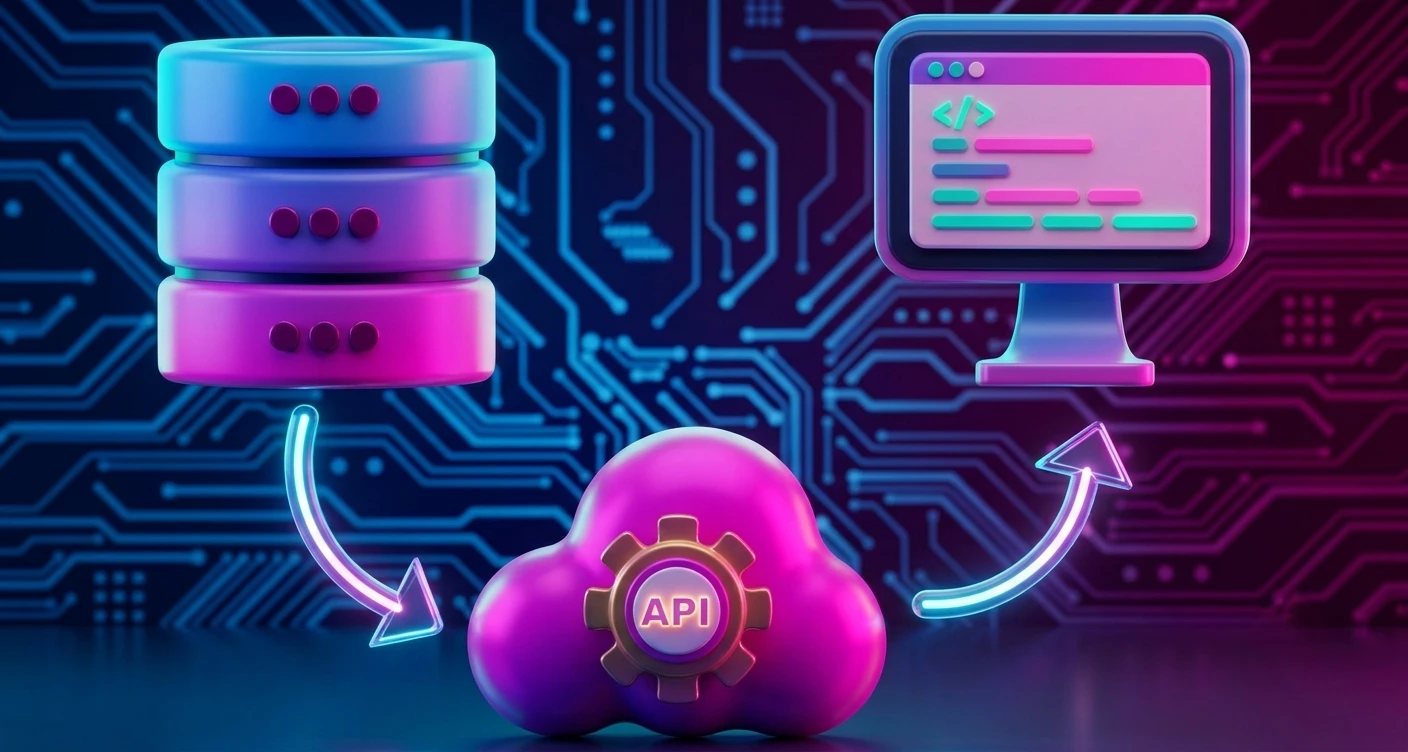
In a world where digital transformation is the key to staying competitive, APIs (Application Programming Interfaces) play a crucial role by enabling smooth communication between software applications, platforms, and devices. Whether it’s enhancing customer experiences, improving operational efficiency, or driving innovation, APIs have become essential tools for modern enterprises.


What is Custom API Development?

Custom API Development

Custom API development refers to the process of building APIs tailored specifically to fit a business’s unique needs and ecosystem. Unlike third-party APIs, which offer standardized solutions to a broader audience, custom APIs are designed with the flexibility to align perfectly with your company’s software architecture, business goals, and workflows.

By choosing custom API development services, companies gain complete control over how their systems communicate and evolve. Custom APIs allow businesses to address unique challenges, enhance security measures, and ensure that integrations grow alongside their future needs. While third-party APIs can provide quick solutions, they often come with limitations, such as dependency on external providers and restricted customization. With custom APIs, businesses are free to design features and integrations that deliver maximum value, ensuring a future-proof digital strategy.


Benefits of Custom API Development

Scalability

Custom APIs are designed with scalability in mind, meaning they can grow alongside your business. As your organization expands, your custom APIs can accommodate increasing user demands, data traffic, and additional services without requiring major overhauls. Whether adding new features, expanding integrations, or scaling infrastructure, custom APIs provide the agility to adapt seamlessly to evolving needs. For instance, an online marketplace with a growing customer base can rely on scalable custom APIs to handle rising transaction volumes and integrate with new logistics partners, ensuring smooth operations as business demand increases.

Tailored Integration

Custom APIs align perfectly with your existing workflows, tools, and platforms, eliminating the need to adjust your operations around off-the-shelf solutions. They allow for highly customized interactions between internal and external systems, improving coordination and creating a seamless user experience.

Enhanced Security

Custom APIs allow businesses to implement robust security measures that align with their unique risk profiles and compliance needs. Unlike third-party APIs that may pose security vulnerabilities or limit your control over sensitive data, custom APIs ensure strict authentication, encryption, and access management, giving you peace of mind. For example, financial services company can use custom APIs to encrypt sensitive data and enforce multi-factor authentication across platforms, ensuring data integrity and regulatory compliance.

Improved Efficiency

Custom APIs reduce manual processes by automating communication between applications, improving productivity, and minimizing the risk of human errors. With custom APIs, data flows seamlessly between systems, enabling faster operations and smoother workflows.

Cost-Effectiveness

While custom APIs may involve higher initial development costs, they offer long-term savings by eliminating the recurring fees and constraints associated with third-party APIs. Additionally, businesses avoid the hidden costs of retrofitting generic APIs to meet their specific needs, resulting in more efficient operations over time. For instance, an enterprise with multiple internal applications can replace expensive third-party API licenses with custom APIs, gaining full control over functionality and reducing ongoing costs.


Use Cases of Custom API Development

Custom API Development

Custom API development enables seamless communication between different software components, systems, and devices. APIs (Application Programming Interfaces) serve as the backbone for modern applications, facilitating data exchange and ensuring smooth interaction between various systems. Here’s an expanded look at key use cases of custom API development across different industries and applications:

E-commerce Platforms

In the fast-paced world of e-commerce, ensuring smooth and efficient operations across multiple systems is crucial for delivering a seamless shopping experience. Custom APIs are instrumental in integrating various essential components, ensuring the entire sales process functions without disruption. These integrations include:

  • Inventory Management: APIs connect e-commerce platforms with inventory management systems, ensuring real-time stock updates across multiple channels. This prevents overselling or out-of-stock situations, improving customer satisfaction.
  • Payment Gateways: Custom APIs link e-commerce websites with various payment providers, allowing businesses to offer multiple payment options to customers. This enhances the checkout process by providing secure, fast, and reliable payment methods.
  • CRM (Customer Relationship Management): APIs enable integration with CRM tools, allowing businesses to capture customer data and use it for personalized marketing, sales forecasting, and improving customer engagement.
  • Shipping and Logistics: Custom APIs automate shipping processes by integrating with logistics services. This allows customers to track their orders in real time and ensures timely delivery, leading to higher customer satisfaction and retention.

By automating these processes with custom APIs, e-commerce platforms can reduce manual intervention, expedite order fulfillment, and deliver a smooth, frictionless experience for customers.

Mobile App Development

Mobile apps are heavily dependent on robust backend systems to function smoothly and provide an optimal user experience. Custom APIs act as the bridge between the mobile interface and the backend databases or services, allowing users to interact with the app’s functionalities in real time. Specific use cases in mobile app development include:

  • User Authentication: APIs facilitate secure login and authentication processes, enabling users to register, log in, and authenticate themselves across different devices and platforms. This can include OAuth-based social logins (e.g., Google, Facebook) or custom authentication mechanisms tailored to an app’s requirements.
  • Data Retrieval and Synchronization: Mobile apps often need to retrieve data (e.g., user profiles, transactions, or content) from cloud databases or remote servers. Custom APIs ensure this data is fetched in real time, providing users with updated and synchronized information.
  • Push Notifications and Real-Time Updates: Custom APIs enable mobile apps to send notifications, alerts, and updates directly to users’ devices. This is critical for apps like social media platforms, messaging apps, and ride-hailing services, which rely on timely updates.
  • Custom Feature Rollout: Businesses can use APIs to roll out new features or updates without interrupting the user experience. APIs allow for modular updates, where changes in backend systems or specific features don’t require an overhaul of the entire app.

Custom APIs help mobile apps maintain high performance, optimize for speed, and deliver responsive interfaces, ensuring a superior user experience while enabling swift updates based on user demands.

Data Integration

For businesses that operate with data scattered across different systems, custom APIs play a crucial role in connecting and consolidating this data into a unified platform. This not only improves operational efficiency but also helps businesses derive better insights from their data. Use cases of APIs for data integration include:

  • Cross-Platform Data Synchronization: Many organizations use separate tools for various functions (e.g., HR systems, finance software, marketing platforms). APIs connect these disparate tools, ensuring data flows smoothly between them. This creates a single source of truth for all business operations.
  • Data Warehousing and Analytics: Custom APIs facilitate the movement of data from operational systems into data warehouses, where it can be used for reporting and analytics. This integration enables businesses to aggregate data from various sources, providing accurate insights that lead to better decision-making.
  • Customer Data Platforms (CDPs)APIs integrate customer data from multiple touchpoints (e.g., website visits, social media interactions, email engagement) into a central platform, allowing businesses to get a 360-degree view of their customers. This enhances marketing efforts by enabling personalized targeting and improved customer experience.

Through API-driven data integration, businesses can break down data silos, improve data accessibility, and enable seamless collaboration between different departments, tools, and platforms.

IoT Applications

The Internet of Things (IoT) ecosystem involves numerous connected devices that need to communicate with each other and with centralized systems. Custom APIs play a pivotal role in enabling real-time data exchange and ensuring secure, reliable communication across IoT devices. Some specific use cases include:

  • Device-to-Cloud Communication: IoT devices generate large amounts of data that need to be processed and stored in the cloud. Custom APIs facilitate the flow of this data from devices to the cloud for storage, processing, and analytics. For example, a network of smart sensors in a factory can send data on machine performance and environmental conditions to a cloud-based system for real-time monitoring and predictive maintenance.
  • Smart Home Systems: IoT-enabled smart home devices such as thermostats, security cameras, and lighting systems rely on custom APIs to communicate with centralized control apps. Custom APIs enable these devices to be managed remotely via mobile apps or voice-activated assistants like Google Home and Alexa, providing users with convenience and flexibility in managing their home environment.
  • Healthcare IoT Devices: In healthcare, wearable devices and remote monitoring tools collect patient data such as heart rate, glucose levels, or blood pressure. Custom APIs ensure this data is securely transmitted to healthcare providers in real time, enabling more effective monitoring and early intervention in case of anomalies.

By facilitating real-time communication, ensuring secure data transmission, and supporting device-specific protocols, custom APIs help businesses manage and control complex IoT environments with ease.

Custom API development is a powerful tool that drives efficiency, scalability, and innovation across various industries. From e-commerce platforms streamlining operations to IoT applications enabling real-time device communication, APIs serve as the glue that binds different systems together. Businesses that leverage custom APIs gain a significant competitive advantage by improving performance, enhancing customer experience, and enabling seamless integration across their digital ecosystems.

At Experion, our custom API development services are designed to provide businesses with the tools they need to thrive in today’s interconnected world. Whether you’re looking to enhance e-commerce platforms, streamline data integration, or enable IoT solutions, Experion’s expertise ensures your APIs are built for success.


Custom API Development Process

Custom API Development

  • Planning and Strategy

This initial phase focuses on understanding business objectives and defining the API’s specific requirements. Stakeholders identify the systems to be integrated, data flows, and how the API will support operational goals. Clear planning ensures the API aligns with business needs from the outset.

  • Designing the API

The design phase involves creating the API’s architecture and defining endpoints that will allow systems to interact. Thoughtful design ensures the API is intuitive, consistent, and scalable. Security protocols and error-handling mechanisms are also established to prevent issues during use.

  • Development

In this phase, developers code the API with a focus on scalability, maintainability, and industry best practices. APIs are versioned to accommodate future updates, ensuring smooth upgrades without service disruption.

  • Testing

Thorough testing ensures that the API performs as expected under different scenarios. Functional testing verifies correct implementation, load testing evaluates performance under varying workloads, and security testing identifies and mitigates vulnerabilities.

  • Deployment and Maintenance

Once tested, the API is deployed and made available for use. Ongoing monitoring and regular updates ensure continued performance, security, and compatibility. Maintenance also involves troubleshooting issues and implementing improvements based on user feedback.


Best Practices for Custom API Development

Custom API Development

Custom API development is critical for modern applications to enable smooth integration between different systems and platforms. To ensure that APIs are robust, secure, and easy to use, developers should adhere to certain best practices that promote efficiency, reliability, and maintainability. Here’s a closer examination of these practices:

1. Adopt RESTful Standards

Using REST (Representational State Transfer) standards is one of the most widely accepted practices in API development due to its simplicity and scalability. RESTful APIs are stateless and use standard HTTP methods (GET, POST, PUT, DELETE) for interactions, making them easier to understand and implement. Key benefits include:

  • Uniform Interface: By adhering to standard conventions, RESTful APIs make interactions predictable and uniform across platforms.
  • Scalability: RESTful APIs can scale easily as they rely on stateless interactions, where each request is independent.
  • Cross-Platform Compatibility: REST APIs are not tied to any particular technology, making them versatile across various systems and languages.
  • Improved Developer Experience: RESTful APIs are more intuitive for developers to adopt and work with, leading to faster adoption and better integration.

2. Prioritize Security

Security must be a top concern during custom API development. APIs handle sensitive data, making them attractive targets for cyber-attacks. To build secure APIs:

  • Authentication and Authorization: Implement robust authentication mechanisms such as OAuth 2.0 or JWT (JSON Web Token) to verify the identity of users and systems requesting access to the API.
  • Encryption: Always encrypt data in transit using protocols like HTTPS to prevent interception and data breaches.
  • Rate Limiting and Throttling: Protect APIs from denial-of-service attacks by limiting the number of requests a user can make within a certain timeframe.
  • Regular Security Audits: Periodically conduct security audits to identify vulnerabilities and ensure the API adheres to the latest security protocols.
  • API Keys: Use API keys for basic access control and to monitor usage.

3. Clear and Detailed Documentation

Documentation is essential for ensuring seamless collaboration between developers and end-users. Without comprehensive documentation, even the most well-designed API may go underutilized. Effective documentation should include:

  • Endpoints: Clearly define all available endpoints, their functions, and when to use them.
  • Request/Response Formats: Describe the expected formats for both requests and responses, including supported data types, headers, and parameters.
  • Authentication Methods: Provide instructions on how to authenticate users or systems, including examples and error handling for failed attempts.
  • Error Codes: Include an exhaustive list of error codes with explanations to help users troubleshoot issues.
  • Usage Examples: Offer practical code snippets or real-world examples for using the API in different languages and frameworks.

4. Version Control

Introducing version control in API development allows for seamless evolution and updates without disrupting existing services. By versioning APIs:

  • Backward Compatibility: Older versions of the API can continue to function while new features and improvements are introduced in updated versions, ensuring smooth transitions for users.
  • Smooth Transition for Developers: Clear versioning (e.g., v1, v2) enables developers to continue using the older versions while they migrate to newer ones at their own pace.
  • Dealing with Deprecation: Version control makes it easier to phase out outdated features without causing downtime or breaking existing integrations.

5. Optimize for Performance

Performance is key to a successful API, as it directly impacts user satisfaction and system efficiency. A high-performing API should deliver fast response times and be able to handle high traffic with minimal downtime. Best practices to enhance performance include:

  • Efficient Code: Write clean, optimized code that reduces the number of processing steps required for each request.
  • Caching Mechanisms: Implement caching strategies to store frequently requested data, reducing the load on servers and minimizing the need to fetch data repeatedly.
  • Monitoring and Logging: Use monitoring tools to keep track of API performance metrics, such as response time and error rates. Logging can help detect bottlenecks and troubleshoot performance issues.
  • Scaling: Ensure your API infrastructure can scale horizontally (adding more servers) or vertically (upgrading existing servers) to meet increasing demand.
  • Regular Performance Reviews: Periodically assess performance and make improvements, such as refactoring code or upgrading hardware, to maintain optimal reliability.

Adhering to these best practices for custom API development ensures that your APIs are user-friendly, secure, and scalable. By adopting RESTful standards, focusing on security, providing comprehensive documentation, maintaining version control, and optimizing performance, you’ll create APIs that are both easy to use and highly effective, enabling better integration and system functionality across various platforms.


Challenges in Custom API Development

Complexity

Developing custom APIs involves managing complex integrations between various systems, platforms, and databases. As more systems are interconnected, ensuring that every component communicates correctly and efficiently can be challenging. Additionally, designing APIs that scale with business growth adds to this complexity.

Security Risks

Custom APIs can expose systems to vulnerabilities if not designed with proper security protocols. Ensuring secure communication between systems, managing data privacy, and protecting against threats such as unauthorized access or data breaches are ongoing challenges. Robust security frameworks, including encryption and authentication, are necessary to mitigate these risks.

Maintenance

Maintaining custom APIs requires continuous monitoring, updates, and version management to ensure smooth operation. As business needs evolve, new features and improvements may need to be introduced, which can demand time and resources. Ensuring backward compatibility and minimizing downtime during updates are also critical aspects of maintenance.


How Experion Helps You in Custom API Development

At Experion, we offer end-to-end custom API development services designed to address the challenges businesses face while delivering seamless and future-proof solutions.

  • Expert Planning and Design: Our team collaborates closely with stakeholders to define requirements, design intuitive APIs, and create scalable architectures aligned with your long-term goals.
  • Security at Every Step: We integrate advanced security practices such as OAuth authentication, encryption, and threat detection to protect your systems from vulnerabilities.
  • Seamless Integration and Scalability: Whether you need to connect legacy systems or new platforms, our APIs are designed for smooth integration with future scalability in mind.
  • Ongoing Support and Maintenance: Our post-deployment support ensures your API stays updated, secure, and aligned with evolving business needs through regular monitoring and upgrades.


Conclusion

Investing in custom API development empowers businesses to unlock new opportunities, streamline operations, and drive innovation. Custom APIs offer flexibility, control, and scalability, making them invaluable assets for organizations looking to integrate systems and improve efficiency.

Choosing the right development partner is essential for successful implementation. A reliable development team will not only ensure smooth API creation but also provide long-term support, ensuring the API grows with your business needs.

Key Takeaways

  • Custom APIs offer tailored solutions that align perfectly with a company’s workflows, goals, and systems.
  • APIs designed for growth ensure seamless integration of new features, systems, and services over time.
  • Implementing robust authentication, encryption, and access management ensures safe communication and data integrity.
  • Automating workflows and data exchanges between systems reduces manual effort, errors, and operational delays.
  • Custom APIs eliminate recurring fees associated with third-party services and reduce the costs of retrofitting generic APIs.
  • APIs consolidate data from multiple sources, improving decision-making and operational visibility.
  • For mobile apps and e-commerce platforms, APIs ensure responsive, real-time interactions that meet customer expectations.
  • With version control, businesses can update APIs without service disruption, ensuring compatibility with evolving technologies.
  • Regular monitoring, updates, and improvements keep APIs secure, efficient, and aligned with business needs.
  • APIs are not just connectors but strategic tools that unlock new opportunities and enable long-term business growth.

Navigating the Fintech Wave: Key Innovations Driving the Future of Financial Services

Navigating the Fintech Wave: Key Innovations Driving the Future of Financial Services

The fintech revolution is reshaping the global banking landscape, bringing forth innovations that are transforming how financial services are delivered. While these changes are felt worldwide, their impact varies significantly between regions. In this blog, we’ll explore key fintech trends and innovations in the US and UK, examining how these markets are navigating the fintech wave.

In the United States, artificial intelligence (AI) and machine learning are leading the charge in banking innovation. US banks are leveraging these technologies to enhance customer experience and risk management. AI-driven tools offer personalized banking experiences by analysing customer behaviour and predicting financial needs. This means loan approvals can be tailored based on individual credit histories and spending patterns. Furthermore, AI is revolutionizing fraud detection. Advanced algorithms analyse transaction data in real-time to identify unusual patterns that might indicate fraudulent activity, making security measures more robust.

Across the Atlantic, in the UK, AI is similarly transforming customer service. UK banks have embraced chatbots and virtual assistants to handle routine inquiries, offering round-the-clock support and streamlining operations. Additionally, AI plays a critical role in regulatory compliance, aiding banks in adhering to anti-money laundering (AML) and Know Your Customer (KYC) regulations. This integration not only ensures compliance but also reduces the manual workload for financial institutions.

Blockchain technology and digital currencies are also making significant strides in both the US and UK. In the US, blockchain is being explored for its potential to enhance transaction security and streamline operations. Major banks like JPMorgan Chase are developing blockchain networks to facilitate faster and more secure cross-border payments. The concept of Central Bank Digital Currencies (CBDCs) is gaining traction, with the Federal Reserve considering the implications of a digital dollar to improve payment efficiency and financial inclusion.

The UK’s approach to blockchain and cryptocurrencies involves a strong regulatory framework. The Financial Conduct Authority (FCA) regulates cryptocurrency exchanges to ensure they comply with anti-money laundering regulations, creating a safer environment for innovation. Additionally, the Bank of England is researching the possibility of a digital pound, reflecting the UK’s commitment to remaining at the forefront of financial innovation.

Fintech partnerships and ecosystems are thriving in both regions, though they manifest differently. In the US, collaborations between traditional banks and fintech startups are common, resulting in enhanced digital banking services and new financial products. Neobanks like Chime and N26 are disrupting traditional models with their tech-driven approaches. Venture capital investments are fuelling these fintech startups, demonstrating confidence in their potential to revolutionize financial services.

In the UK, regulatory sandboxes have played a crucial role in fostering fintech innovation. These sandboxes, created by the FCA, allow startups to test new products under regulatory supervision, reducing entry barriers and encouraging experimentation. The Open Banking Initiative is another significant development, requiring banks to share customer data with third-party providers (with consent) to boost competition and innovation in financial services.

Digital payments and contactless technologies are also at the forefront of fintech advancements. In the US, mobile payment platforms like Apple Pay and Google Wallet have become mainstream, offering consumers a convenient and secure way to make transactions. The adoption of contactless payments has surged, driven by the need for quick and hygienic payment methods.

In the UK, contactless payments have been widely embraced, contributing to the country’s move towards a cashless society. The use of contactless cards and digital wallets is prevalent, reflecting changing consumer preferences for speed and convenience in financial transactions.


The Rise of Low-Code Platforms in Fintech

Another significant trend shaping the future of fintech is the rise of low-code and no-code platforms. These technologies are transforming how financial institutions develop and deploy applications, making it easier to innovate and respond to changing market demands.

In the US, low-code platforms are empowering banks and fintech companies to rapidly create and deploy custom applications without extensive coding knowledge. This democratization of app development allows for faster rollouts of new features and services, helping banks stay competitive in a rapidly evolving landscape. For instance, low-code platforms enable institutions to streamline processes such as loan origination, customer onboarding, and compliance management, reducing time-to-market and operational costs.


Looking Ahead: The Future of Fintech Innovations

Looking ahead, the fintech landscape is poised for further transformation. In the US, we can expect accelerated advancements in AI and machine learning, with more sophisticated tools for predictive analytics and automated financial planning. The rise of quantum computing might also revolutionize data security and processing capabilities, offering new dimensions of efficiency and protection in banking.

In the UK, the focus on regulatory frameworks will continue to evolve, with an emphasis on balancing innovation with consumer protection. The development of the digital pound could reshape the UK’s financial ecosystem, potentially integrating new technologies and creating more inclusive financial services. Additionally, the Open Banking Initiative may inspire similar reforms in other regions, fostering a more interconnected global financial landscape.

As fintech innovations mature, we will likely see greater cross-border collaborations and harmonization of regulations. This could lead to a more unified global approach to digital financial services, enhancing interoperability and expanding opportunities for both consumers and businesses. The next few years will be crucial in shaping the future of finance, with ongoing advancements promising to drive greater efficiency, security, and inclusivity in the financial sector.

The next few years will be crucial in shaping the future of finance, with ongoing advancements promising to drive greater efficiency, security, and inclusivity in the financial sector. The fintech wave represents not just a trend but a fundamental shift poised to reshape the financial landscape. Staying informed about these developments will be essential for both consumers and industry professionals as they navigate the evolving world of financial services.

Automotive Software Development

As cars evolve from mere transportation devices to connected, intelligent machines, the role of software development for automotive has become paramount. Recent findings indicate that 84% of development teams are now focusing on electric components, while 79% are tackling connectivity challenges. This shift is driving a wave of innovation, with new software platforms emerging to enhance user experiences and simplify vehicle functionalities. From self-driving cars to advanced infotainment systems, software is at the heart of this automotive revolution. Let’s explore how automotive software development is shaping the future of mobility.


The Role of Software in Modern Vehicles

Automotive Software Development

Software has emerged as a critical component of modern vehicles, enhancing safety, performance, and user experience. From basic functions like engine control to advanced features like autonomous driving, the software is integral to contemporary automobiles, showcasing the capabilities of automotive software development services.

  1. Enhanced Safety: Software-driven features such as adaptive cruise control, lane departure warning, and automatic emergency braking have significantly improved road safety. These systems rely on sophisticated algorithms and sensors to detect potential hazards and take appropriate actions.
  2. Improved Performance: Automotive software can optimize engine performance, fuel efficiency, and emissions. Advanced systems also enhance vehicle handling and stability, providing a more enjoyable driving experience.
  3. Enhanced User Experience: Modern vehicles offer a wide range of features, thanks to advancements in automotive software. Infotainment systems, navigation, and connectivity options have transformed the driving experience, making it more convenient and enjoyable.


Why Automotive Software Development Matters

Automotive Software Development

The Shift from Hardware-Centric to Software-Centric Vehicle Innovation

The automotive industry is moving from a hardware-centric focus to a software-centric approach. While traditional manufacturers prioritized mechanical components, the rise of electric vehicles (EVs) and autonomous driving technologies highlights software’s critical role in defining the future of mobility.

The Increasing Complexity of Automotive Software Systems

Modern vehicles feature increasingly complex software systems that control various functions, from engine management to infotainment. This complexity necessitates skilled software engineers who can develop, test, and maintain these systems to ensure safety, performance, and reliability.

Relevance to Electric Vehicles (EVs) and Autonomous Driving

EVs and autonomous driving are two significant trends in the automotive industry, both heavily reliant on software. EVs require advanced software to manage battery systems, charging infrastructure, and energy efficiency. Autonomous vehicles depend on sophisticated algorithms to perceive the environment, make decisions, and control movements.

The development of automotive software for EVs and autonomous driving presents unique challenges, requiring expertise in artificial intelligence, machine learning, and cybersecurity. As these technologies evolve, the demand for skilled automotive software engineers will only grow, underscoring the importance of automotive software development services.


Key Components of Automotive Software Development

Embedded Systems

Embedded systems are computer systems tailored to perform specific functions within a larger system. In the automotive industry, embedded systems are ubiquitous, controlling various functions from engine management to infotainment.

Examples include:

  • Engine Control Unit (ECU): Responsible for managing engine performance, fuel consumption, and emissions.
  • Infotainment Systems: Provide entertainment, navigation, and connectivity features.
  • Driver Assistance Systems: Power features like adaptive cruise control and lane departure warning.
  • Vehicle Communication Systems: Enable communication between the vehicle and external devices.

Importance in Automotive Applications

Embedded systems are critical to modern vehicles. They provide the intelligence and control necessary for various functions, ensuring safety and performance. These systems must be reliable and efficient, capable of operating in harsh environments, making them essential to automotive software development.

ADAS (Advanced Driver Assistance Systems)

Advanced Driver Assistance Systems (ADAS) are a group of technologies that use sensors and software to help drivers with different tasks, improving safety and convenience. These systems aim to make driving more comfortable and secure, enhancing road safety and paving the way for semi-autonomous driving. By leveraging advanced sensors and software algorithms, ADAS features help drivers avoid accidents and reduce injury risk.

Examples of ADAS Features

  • Adaptive Cruise Control (ACC): ACC automatically adjusts the vehicle’s speed to maintain a safe following distance from the car ahead, reducing the risk of rear-end collisions.
  • Lane Departure Warning (LDW): LDW alerts the driver if the vehicle deviates from its lane without signaling.
  • Blind Spot Monitoring (BSM): BSM uses sensors to detect vehicles in blind spots, providing visual or audible warnings to the driver.
  • Automatic Emergency Braking (AEB): AEB can automatically apply the brakes to avoid or mitigate a collision with another vehicle, pedestrian, or cyclist.
  • Traffic Jam Assist (TJA): TJA enables the vehicle to follow the car ahead in slow-moving traffic, reducing driver fatigue and improving safety.

Infotainment Systems

Infotainment systems refer to the in-vehicle systems that provide entertainment, navigation, and communication features. They are essentially the “infotainment” centers of modern cars, combining information and entertainment functionalities.

Integration with Mobile Devices and Smart Technologies

At Experion Technologies, we understand that the future of a great automotive lies in the seamless integration of technology and creativity. Our holistic approach to automotive software development equips organizations with the tools they need to thrive, guiding them through every stage of the process

Infotainment systems are essential in modern vehicles, providing drivers and passengers with a range of entertainment, navigation, and connectivity options. The integration of mobile devices and smart technologies has further enhanced the capabilities of infotainment systems, offering a more seamless and personalized user experience.

  • Smartphone Connectivity: Infotainment systems often support seamless integration with smartphones, allowing users to access their favorite apps, music, and navigation services directly from the vehicle’s screen.
  • Voice Assistants: Many infotainment systems are equipped with voice assistants like Siri, Google Assistant, or Alexa, enabling users to control various functions using voice commands.
  • Over-the-Air (OTA) Updates: Infotainment systems can receive software updates wirelessly, ensuring that vehicles have access to the latest features and security patches.

User Interface and Experience (UX) Considerations

The user interface (UI) and user experience (UX) of infotainment systems are crucial for ensuring driver satisfaction and safety. A well-designed UI should be intuitive, easy to navigate, and minimize distractions while driving.

  • Intuitive Design: The UI should be designed to be intuitive and easy to understand, even for users who are not tech-savvy.
  • Minimal Distractions: Infotainment systems should be designed to minimize distractions and avoid overwhelming drivers with too much information.
  • Customization: Users should be able to customize the settings and preferences of their infotainment system to suit their individual needs and preferences.

By prioritizing mobile integration, smart technology, and intuitive design, automotive manufacturers can develop infotainment systems that not only improve the driving experience but also give them an edge over competitors.

Connectivity Solutions

Vehicle-to-Everything (V2X) Communication

V2X communication enables vehicles to connect with other vehicles, infrastructure, and pedestrians, enhancing safety and efficiency. V2X technology can help with:

  • Traffic Congestion Management: Optimizing traffic flow through real-time information sharing.
  • Collision Avoidance: Detecting potential collisions and alerting drivers.
  • Emergency Response: Alerting emergency services in case of accidents or breakdowns.
  • Autonomous Driving: Essential for developing fully autonomous vehicles, enabling communication and coordination with their surroundings.

Over-the-Air (OTA) Updates and Cybersecurity Concerns

OTA updates allow vehicles to receive software updates wirelessly, ensuring access to the latest features. However, this introduces cybersecurity risks.

To address these concerns, automotive manufacturers must implement robust security measures, including:

  • Secure Communication Protocols: Protecting data transmitted over the air.
  • Regular Software Updates: Ensuring vehicle software stays up to date with the latest security patches.

Powertrain Software

Powertrain software is essential in modern vehicles, as it manages the engine and transmission systems.

Management of Engine and Transmission Systems

Powertrain software is crucial for managing engine and transmission systems. This software is responsible for:

  • Engine Control: Optimizing performance, fine-tuning fuel efficiency, and minimizing emissions.
  • Transmission Control: Managing gear shifts for smooth operation.
  • Hybrid System Management: Coordinating the operation of electric motors and internal combustion engines in hybrid vehicles.

Impact on Vehicle Efficiency and Performance

Well-designed powertrain software significantly improves efficiency and performance. By optimizing control, software can:

  • Reduce Fuel Consumption: Minimize waste and enhance fuel economy.
  • Enhance Performance: Improve acceleration and overall driving experience.
  • Reduce Emissions: Minimize harmful emissions, contributing to a cleaner environment.


The Automotive Software Development Lifecycle

Automotive Software Development

Software development in the automotive industry follows a rigorous lifecycle to ensure safety and reliability. The stages include:

Requirements Gathering and Analysis

  • Understanding OEM and Regulatory Requirements: Gathering information about needs and compliance with industry standards like ISO 26262.
  • Defining Software Features: Outlining functionalities the software must provide.

Design and Development

  • Architectural Design: Establishing the overall framework and key components of the software system.
  • Detailed Design: Specifying designs for individual modules, including data structures and algorithms.
  • Coding: Implementing the software using programming languages like C, C++, and Python.

Testing and Validation

  • Unit Testing: Verifying the functionality of individual components to ensure they perform as expected.
  • Integration Testing: Assessing how different components work together and interact.
  • System Testing: Verifying that the software meets specified requirements.

Integration

  • Integrating with Vehicle Hardware: This involves ensuring that the software works seamlessly with the vehicle’s hardware components, such as sensors, actuators, and controllers.

Deployment and Maintenance

  • Deployment: This stage encompasses deploying the software to vehicles, which can be done through on-site installations or over-the-air (OTA) updates, making it easier to roll out new features and fixes.
  • Bug Fixes: Addressing any issues or defects that are discovered post-deployment is critical for maintaining software reliability.
  • Updates and Enhancements: Over time, implementing new features or improvements to the software ensures it remains competitive and meets evolving customer needs.
  • Technical Support: Providing assistance to OEMs and end-users in case of problems or questions is important for maintaining customer satisfaction.


Key Considerations in Automotive Software Development

  1. Safety and Reliability

Ensuring that the software is safe, reliable, and meets the highest quality standards is crucial in the automotive industry. Software failures can have serious consequences, including the risk of putting lives in danger.

  1. Security

Protecting the software from cyber threats and ensuring data privacy is increasingly important, especially with the rise of connected vehicles. Cybersecurity measures must be implemented at every stage of development.

  1. Efficiency

Optimizing the software for performance and resource utilization not only enhances user experience but also contributes to the overall efficiency of vehicle systems.

  1. Scalability

Designing the software to handle future growth and changes in requirements ensures that it can adapt to new technologies and market demands.

  1. Regulatory Compliance

Adhering to industry regulations and standards, such as ISO 26262 for functional safety, is essential for maintaining credibility and ensuring that products can be legally sold in various markets.

Importance of Precise and Clear Requirements

Clear requirements are essential for successful software development. In automotive, vague or ambiguous requirements can lead to costly mistakes and delays.

Well-defined requirements help to:

  • Avoid Scope Creep: Preventing project expansion beyond the original scope helps keep timelines and budgets intact.
  • Ensure Quality: Meeting OEM expectations and compliance standards are critical for product acceptance.
  1. Design and Architecture

The software architecture acts like a blueprint for the whole system, detailing the components, how they interact, and the overall framework. Here are few key points to consider:

  • Modularity: Breaking down the system into smaller, reusable components enhances maintainability and flexibility.
  • Scalability: Designing the architecture to accommodate future growth and changes in requirements ensures long-term viability.
  • Performance: Ensuring that the architecture meets the performance requirements of the vehicle, such as real-time response times, is crucial.
  1. Implementation and Coding

Use of Automotive-Specific Coding Standard

Adhering to strict coding standards is vital for ensuring safety and maintainability. MISRA (Motor Industry Software Reliability Association) is a widely used set of coding guidelines specifically designed for embedded systems in the automotive industry.

MISRA Compliance: Adherence to MISRA standards can significantly reduce the risk of software defects and improve code quality. MISRA guidelines promote coding practices that enhance the readability, maintainability, and portability of automotive software.

  1. Testing and Validation

Types of Testing

  • Unit Testing: Testing individual software components to ensure they function as expected.
  • Integration Testing: Testing how different components interact with each other, ensuring that integrations are smooth and effective.
  • System Testing: Testing the entire software system to verify that it meets the specified requirements.
  • Hardware-in-the-Loop (HIL) Testing: Testing software on a simulated hardware environment to ensure compatibility and performance.
  • Software-in-the-Loop (SIL) Testing: Testing software without physical hardware, using simulation models to represent the environment.
  • HIL and SIL Testing: These methods provide valuable data on software performance, compatibility, and integration with hardware.
  • Test Automation: Utilizing automation tools can significantly improve testing efficiency and coverage, allowing for more thorough validation in less time.
  • Continuous Testing: Integrating testing into the development process can help identify and address issues early on, reducing the risk of defects in the final product.

Deployment Strategies, Including OTA Updates

  • Over-the-Air (OTA) Updates: This method allows vehicles to receive software updates wirelessly, enabling quicker access to new features and fixes.
  • On-Site Updates: Installing software updates at dealerships or service centers ensures that vehicles are maintained properly without requiring a trip to the manufacturer’s facility.

Continuous Monitoring and Updates for Safety and Performance

  • Telematics Data: Analyzing data collected from vehicles allows manufacturers to monitor performance, identify issues, and optimize software updates.
  • Customer Feedback: Gathering feedback from customers helps understand their experiences and identifies areas for improvement.
  • Predictive Analytics: Using data analytics to predict potential problems and proactively address them can significantly enhance the reliability of automotive software.


Challenges in Automotive Software Development

Safety and Compliance

Following safety standards like ISO 26262 is crucial in the automotive industry. Developers need to make sure their products comply with strict safety regulations, which involve thorough testing, validation, and proper documentation.

Cybersecurity Concerns

Connected vehicles are increasingly vulnerable to cyberattacks, which can compromise safety, privacy, and functionality. Automotive software developers must implement robust security measures to protect against hacking.

Complexity and Integration

Managing the complexity of interconnected systems is a challenge. Modern vehicles come equipped with a vast array of interconnected systems, each with its own software components. This complexity requires careful planning, coordination, and integration to ensure seamless operation.

Regulatory Requirements

Navigating global automotive regulations is vital. Automotive software developers must comply with a complex web of regulations that vary from country to country. This can be challenging, as regulations are constantly evolving, requiring ongoing education and adaptation.


Emerging Trends in Automotive Software Development

Automotive Software Development

Autonomous Driving

Autonomous driving is one of the most exciting and challenging areas of automotive software development. AI and machine learning are essential for enabling vehicles to perceive their surroundings, make decisions, and navigate safely.

  • Perception: AI algorithms process data from sensors such as cameras, radar, and lidar to create a 3D map of the environment.
  • Decision-Making: Machine learning models train vehicles to make decisions in complex driving scenarios, such as merging into traffic or avoiding obstacles.

Electrification

Software is crucial for managing power systems in EVs, including battery management, charging processes, and energy efficiency. Effective power management ensures that EVs operate optimally, enhancing performance and extending battery life.

Artificial Intelligence and Machine Learning

AI and machine learning improve vehicle reliability and efficiency.

  • Predictive Maintenance: AI algorithms analyze data from sensors and vehicle systems to predict potential failures and schedule maintenance proactively.
  • Driver Assistance: AI-driven features such as adaptive cruise control and lane departure warning enhance safety and comfort.

IoT and Connectivity

The Future of Connected Cars and V2X Communication

Connected cars equipped with sensors and communication technologies connect with other vehicles, infrastructure, and the internet, providing benefits such as improved traffic management and enhanced safety.

  • Remote Diagnostics: Connected cars can be monitored and diagnosed remotely, reducing downtime and maintenance costs.

The Impact of 5G on Automotive Software

The rollout of 5G networks will significantly impact automotive software. 5G offers faster speeds, lower latency, and greater capacity, enabling new features and applications in connected cars.

Best Practices for Automotive Software Development

Adopting a Robust Software Development Process

  • Agile and DevOps: Embracing methodologies for iterative development allows for faster adjustments and continuous improvement.

Focus on Quality Assurance

  • Rigorous Testing: Conducting comprehensive testing at every stage ensures that software is reliable and performs as expected.

Collaboration and Communication

  • Cross-Functional Teams: Fostering collaboration between developers, testers, OEMs, and other stakeholders enhances innovation and problem-solving.


Why Choose Experion?

Experion is recognized for its strong commitment to quality and innovation, having been awarded multiple recognitions in product engineering and software development. At Experion, we understand that the future of automotive lies in the seamless integration of technology and creativity. Our holistic approach to automotive software development equips organizations with the tools they need to thrive, guiding them through every stage of the process

Key Areas of Expertise

  • Connected Vehicles: Emphasizing the development of connected vehicle solutions leveraging V2X technology.
  • Electric Vehicle (EV) Ecosystem: Offering tailored solutions for the growing EV market.
  • Sustainability and Emission Control: Helping automotive companies address environmental challenges.


Conclusion

In summary, the automotive industry is at an exciting crossroads where technology and innovation are reshaping the driving experience. To keep pace with these changes, it’s crucial for organizations to invest in strong software development practices. By focusing on safety and user experience and leveraging the latest technologies, businesses can create vehicles that not only meet regulatory standards but also delight their customers.

Key Takeaways

  • Invest in Automotive Software Development: Essential for competitiveness and efficiency.
  • Enhance Safety and Performance: Prioritize features like ADAS and infotainment systems.
  • Leverage Embedded Systems: Improve functionality and user experience in vehicles.
  • Adopt V2X Communication: Enhance traffic management and vehicle connectivity.
  • Utilize AI and Machine Learning: Drive predictive maintenance and improve driver assistance.
  • Ensure Ongoing Support: Regular updates and support keep systems secure and efficient.
  • Compliance Matters: Adhere to standards like ISO 26262 for safety and reliability.
  • Stay Ahead of Trends: Monitor electrification and autonomous driving for innovation opportunities.

AI Inventory Management

Today, AI is revolutionizing inventory management in ways that were unimaginable just a few years ago. This guide will explore how AI is shaping the future of inventory management and why it’s more important than ever for businesses to embrace these innovations.


The Evolution of Inventory Management

Brief History: From Manual Tracking to ERP Systems

AI Inventory Management

Inventory management has come a long way. In the early days, businesses relied heavily on manual tracking using handwritten logs or basic spreadsheets. This process was slow, prone to error, and inefficient. As businesses grew, so did the complexity of inventory systems, leading to the development of more advanced tools like barcodes and later Enterprise Resource Planning (ERP) systems. These systems automated many tasks and helped businesses maintain real-time control of their stock. However, even ERP systems have limitations, particularly when it comes to predicting demand fluctuations and responding to market dynamics in real time.

Emergence of AI: How AI is Transforming Inventory Management

The introduction of AI into inventory management is akin to the leap from using calculators to supercomputers. With AI-driven solutions, businesses can now automate more complex tasks, such as demand forecasting, stock replenishment, and warehouse organization. The beauty of AI is that it continuously learns from data, allowing for dynamic and real-time decision-making. This leads to more accurate predictions of future demand, optimized stock levels, and reduced waste. Companies like Amazon are leading the way by using AI to handle vast amounts of inventory data, ensuring that the right product is available at the right time and place.

Importance of Efficient Inventory Management: The Role it Plays in Business Profitability

Inefficient inventory management can be a major drain on profitability. Overstocking ties up capital and leads to higher storage costs, while understocking can result in missed sales and damaged customer relationships. AI helps balance this delicate equation by enabling smarter decision-making. It can predict when to reorder stock, optimize order quantities, and even anticipate demand surges due to market trends or seasonal changes. In short, AI-powered inventory management can significantly boost a company’s bottom line by reducing costs and increasing operational efficiency.


What is AI Inventory Management?

AI Inventory Management

AI inventory management involves the use of artificial intelligence technologies to automate and enhance the processes involved in managing stock. At its core, AI helps businesses make data-driven decisions that minimize errors and streamline operations. From tracking goods in a warehouse to predicting future inventory needs, AI can analyze historical data, identify patterns, and make real-time adjustments to optimize inventory levels.

Key Technologies

AI inventory management leverages a combination of technologies that work together to improve efficiency:

  • Machine Learning (ML): ML algorithms analyze past data to predict future demand patterns, allowing businesses to manage their stock more effectively.
  • Predictive Analytics: By analyzing trends, predictive analytics helps forecast future inventory requirements, preventing overstocking or understocking situations.
  • Computer Vision: This technology is used to monitor inventory levels in real time through cameras, identifying discrepancies and alerting managers to potential issues.
  • Internet of Things (IoT): IoT devices such as RFID tags and smart sensors enable businesses to track products throughout the supply chain, ensuring real-time visibility into inventory levels and locations.

Together, these technologies form a robust AI inventory management system that is far more responsive and adaptive than traditional methods.

Comparison: Traditional vs. AI-Driven Inventory Management

Traditional inventory management systems rely heavily on static rules and historical data. While they work, they don’t offer the flexibility and foresight that AI brings. In contrast, AI-driven inventory management systems can adapt to changes in demand in real-time, providing businesses with a more agile and responsive approach. For example, if a sudden spike in demand for a product occurs, AI systems can quickly recognize this trend and automatically trigger a replenishment order, ensuring that stockouts are avoided. Traditional systems, by comparison, would lag behind and require manual intervention, increasing the risk of human error.


Benefits of AI Inventory Management

Enhanced Accuracy:
Minimizing Human Error in Inventory Tracking

Human errors in manual inventory tracking can lead to costly mistakes, such as overstocking or stockouts. AI drastically reduces these errors by automating inventory counts and using sensors and machine learning algorithms to track items in real-time. This ensures that the information is always accurate and up to date, leading to better decision-making.

Demand Forecasting:
How AI Predicts Trends and Optimizes Stock Levels

AI-powered demand forecasting uses historical data, market trends, and even external factors like seasonality and economic shifts to predict future demand. This enables businesses to optimize stock levels by anticipating demand changes, ensuring that the right products are available at the right time while minimizing excess inventory.

Real-Time Inventory Tracking:
Continuous Monitoring and Instant Updates

With AI-driven real-time tracking, businesses can monitor inventory levels at every point in the supply chain—from warehouse to storefront—24/7. This ensures that inventory data is continuously updated, allowing businesses to make informed decisions quickly and respond to unexpected changes in demand or supply.

Cost Reduction:
Lowering Overhead and Operational Costs

By optimizing stock levels and automating manual tasks, AI helps businesses reduce carrying costs and lower overhead. Fewer stockouts mean fewer lost sales, and optimized inventory levels prevent excess stock from sitting idle. Additionally, AI streamlines warehouse operations, cutting down on labor costs.

Automation of Routine Tasks:
Freeing Up Human Resources for Higher-Value Activities

AI handles many of the routine tasks traditionally associated with inventory management, such as stock counts, reordering, and tracking. This frees up human employees to focus on more strategic activities, such as improving customer service or analyzing sales data for new business opportunities.

With Experion’s expertise in deploying AI-driven inventory solutions, we help businesses not only streamline their operations but also unlock new levels of efficiency and agility, giving them the competitive edge to thrive in an ever-evolving market.


Key Applications in AI Inventory Management

AI Inventory Management

Predictive Analytics for Demand Forecasting

Predictive analytics, powered by AI, leverages historical data to forecast future inventory needs. By identifying patterns and trends, AI models can accurately predict when and how much stock will be needed. This prevents both overstocking and understocking, leading to a more balanced and cost-efficient inventory.

Automated Reordering Systems

AI-powered systems can automatically trigger reorder points based on real-time inventory levels and demand forecasts. This eliminates manual intervention in reordering processes and ensures that stock is replenished before it runs out, keeping operations smooth and reducing lead times.

Smart Warehousing

Smart warehousing systems use AI to optimize how products are stored and retrieved. From autonomous robots navigating the warehouse floor to AI algorithms that determine the most efficient storage locations, these systems maximize space utilization and minimize the time it takes to fulfill orders.

Supply Chain Optimization

AI is also used to optimize supply chains by analyzing vendor performance, identifying bottlenecks, and ensuring that the right goods are delivered on time. AI-driven logistics tools help streamline transportation, reduce delays, and manage vendor relationships more effectively.

Inventory Classification and Segmentation

AI can automatically classify and segment inventory based on demand, value, and turnover rate. This helps businesses prioritize the most important items, streamline stock management, and implement inventory strategies such as ABC analysis, ensuring that high-demand items are always available while reducing excess stock of low-priority items.


Challenges and Considerations

Data Quality

AI relies on data to function correctly, and poor data quality can lead to inaccurate predictions and decisions. Ensuring that data is clean, accurate, and up to date is a critical step in implementing AI for inventory management. Businesses need to invest in proper data collection and validation processes to get the most out of AI.

Integration with Existing Systems

One of the biggest challenges businesses face is integrating AI with their existing inventory management systems. This requires careful planning and collaboration between IT, operations, and vendors. Ensuring a smooth transition is vital to avoid disruptions in inventory processes and maintain business continuity.

Cost and ROI

Adopting AI systems often comes with hefty expenses, especially for small to medium enterprises. Companies must weigh the upfront costs against the long-term benefits, such as reduced labor costs, improved efficiency, and better inventory optimization. Calculating the ROI of AI implementation is crucial to determine whether it’s a viable investment.

Security Concerns

As AI systems handle sensitive data, including sales trends, vendor information, and customer data, they become attractive targets for cyberattacks. Businesses need to invest in robust cybersecurity measures to protect their AI-driven inventory systems from data breaches and other security threats.

Employee Training and Change Management

Introducing AI into the inventory management process requires employees to learn new systems and workflows. Proper training and change management are essential to ensure that staff can effectively use the new technology and embrace the changes AI brings. A well-prepared workforce can help drive the successful adoption of AI systems.


The Future of AI Inventory Management

AI Inventory Management

AI is rapidly reshaping how businesses approach inventory management, allowing for smarter, more efficient, and data-driven operations. As we look towards the future, the role of AI will only continue to grow, integrating with new technologies and expanding its capabilities. Let’s dive into the trends, opportunities, and challenges that AI presents for inventory management, with a particular focus on how businesses can leverage these innovations for success.

Upcoming Trends: AI Advancements That Will Shape Inventory Management

The future of AI in inventory management is bright and full of possibilities. Key trends on the horizon include:

  • Hyper-Automation: With AI becoming more sophisticated, we’ll see greater automation of not just routine tasks but also decision-making processes. Hyper-automation will streamline everything from supply chain management to order fulfillment, making inventory operations almost entirely hands-free.
  • AI-Driven Robotics: In warehouses, AI-powered robots will take on more complex roles, from picking and packing to dynamically reorganizing stock based on predictive analytics.
  • Cognitive Computing: AI systems will soon be able to simulate human thought processes, enabling businesses to anticipate and respond to unexpected supply chain disruptions in real time.

AI and Sustainability: How AI Can Contribute to Eco-Friendly Inventory Practices

Sustainability is increasingly becoming a priority for businesses seeking to reduce their environmental footprint and operate more responsibly. AI plays a pivotal role in enabling eco-friendly inventory management practices by optimizing various aspects of the supply chain and overall operations.

  1. Supply Chain Optimization for Reduced Carbon Footprint
    One of the most impactful ways AI promotes sustainability is through supply chain optimization. By analyzing real-time data on transportation routes, fuel consumption, and vendor practices, AI can help businesses make more environmentally conscious decisions. For instance, AI algorithms can identify more efficient delivery routes that reduce travel distance and fuel consumption, leading to lower emissions. Additionally, AI can recommend eco-conscious suppliers who prioritize sustainable practices, ensuring that businesses can support a greener supply chain.
  2. Predictive Analytics for Reducing Waste and Overproduction:
    A significant contributor to environmental harm is the overproduction of goods, which often leads to excess stock and waste. AI’s predictive analytics capabilities help businesses accurately forecast demand, allowing them to adjust production schedules and stock levels accordingly. By predicting seasonal fluctuations, market trends, and consumer behavior, businesses can produce just enough to meet demand without generating unnecessary surplus. This approach minimizes waste, reduces energy usage, and conserves resources.
  3. Smarter Inventory Planning for Energy Efficiency:
    Warehouses and storage facilities consume considerable amounts of energy. AI can optimize inventory storage by strategically organizing goods to minimize the energy required to move and store products. For instance, frequently accessed items can be placed closer to loading docks to reduce transportation time and energy. AI systems can also regulate energy usage by monitoring and controlling temperature, lighting, and other environmental factors in the warehouse, ensuring that resources are used efficiently.
  4. Sustainable Packaging and Materials Management:
    AI can assist businesses in selecting sustainable packaging materials and reducing packaging waste. By analyzing product dimensions, AI can recommend the optimal packaging size, reducing the use of excess materials. AI systems can also track the lifecycle of packaging materials, ensuring that reusable or recyclable materials are used whenever possible, further reducing the environmental impact.
  5. Circular Economy Initiatives:
    AI can support circular economy models by facilitating the return, reuse, or recycling of products and materials. By tracking products from production to post-consumer use, AI can enable businesses to implement reverse logistics programs that retrieve used goods for refurbishing or recycling, contributing to a more sustainable product lifecycle. This approach reduces the need for raw materials and lowers the environmental cost of manufacturing.

By implementing AI-driven solutions, businesses can not only enhance operational efficiency but also significantly contribute to sustainability efforts, making eco-friendly practices an integral part of their inventory management strategies.

AI and IoT Integration: The Convergence of AI with IoT for Smarter Inventory Systems

The integration of AI and the Internet of Things (IoT) is revolutionizing inventory management, creating systems that are smarter, more responsive, and deeply interconnected. Together, AI and IoT provide businesses with real-time data and automated decision-making capabilities, enabling more efficient and agile inventory management practices.

  1. Real-Time Inventory Tracking and Visibility:
    IoT devices such as RFID tags, smart sensors, and GPS trackers collect vast amounts of real-time data about inventory location, condition, and movement. AI processes this data instantaneously, providing businesses with a comprehensive view of their inventory at every stage of the supply chain. For example, RFID tags on products allow businesses to track the exact location of goods within warehouses or during transit, while AI analyzes this data to identify potential bottlenecks or inefficiencies in the process. This real-time tracking reduces the risk of misplaced goods, theft, or delays, ensuring smooth inventory flow.
  2. Predictive Maintenance for Warehouse Equipment:
    AI and IoT work hand-in-hand to improve the maintenance of warehouse equipment, such as forklifts, conveyor belts, or robotic systems. IoT sensors monitor the condition and performance of these machines, sending real-time data to AI systems that can predict when maintenance is needed. This predictive maintenance approach helps avoid equipment breakdowns, minimizes downtime, and extends the life of the machinery, resulting in smoother operations and cost savings. By preventing unexpected failures, businesses can maintain the continuity of inventory processes and reduce energy and resource waste associated with equipment breakdowns.
  3. Automated Replenishment and Stock Control:
    IoT devices provide continuous monitoring of inventory levels, while AI analyzes the data to trigger automatic stock replenishment when needed. This real-time monitoring eliminates the guesswork associated with manual stock checks and ensures that businesses never run out of essential products. AI systems can predict future stock needs based on past trends, seasonality, and sales patterns, automatically adjusting reorder points to avoid overstocking or understocking. This automated approach helps businesses maintain optimal inventory levels and improves overall efficiency.
  4. Temperature and Environmental Control for Sensitive Goods:
    In industries where inventory includes perishable or temperature-sensitive goods, such as food or pharmaceuticals, AI and IoT are crucial for maintaining product quality. IoT sensors monitor environmental conditions, such as temperature, humidity, and light exposure, within storage and transit facilities. AI then analyzes this data to ensure that optimal conditions are maintained and immediately alerts managers if there are any deviations that could compromise product quality. This level of control ensures that businesses can reduce spoilage and waste while meeting regulatory requirements for product storage.
  5. Enhanced Supply Chain Coordination:
    AI and IoT integration provides enhanced visibility and coordination across the entire supply chain. IoT devices track goods at every stage, from production to delivery, while AI analyzes supply chain data to identify inefficiencies, predict delays, and optimize routes. Businesses can use this data to improve supplier collaboration, ensure timely deliveries, and reduce transportation costs. For example, AI can recommend alternative routes or adjust schedules in response to real-time traffic conditions or weather changes, helping businesses save time and fuel.


How Experion Helps You in AI Inventory Management

At Experion, we specialize in helping businesses harness the power of AI for smarter inventory management. Our team of experts has extensive experience in implementing AI-driven solutions tailored to the specific needs of each client. Whether it’s predictive analytics, smart warehousing, or IoT integration, we provide the tools and expertise necessary to optimize inventory processes and enhance business performance. With our global presence and a proven track record across multiple industries, Experion is the partner you need to take your inventory management to the next level.


Conclusion

In summary, AI offers numerous benefits that can transform inventory management. These include enhanced accuracy in tracking, demand forecasting, real-time updates, cost reductions, and the automation of routine tasks. AI also enables businesses to adopt more sustainable practices and optimize their entire supply chain for greater efficiency and profitability. As AI technology continues to advance, these benefits will only grow, offering businesses a competitive edge in a fast-paced market.

Now is the time for businesses to explore AI-driven inventory management solutions. With AI becoming more accessible and affordable, even small and medium-sized enterprises can reap the rewards. By investing in AI technology today, companies can future-proof their operations, reduce costs, and improve customer satisfaction.

Secure Software Development

Yes, implementing strong security measures is no longer just a good practice – it’s an absolute necessity. Think of the massive Equifax breach that exposed sensitive data of over 147 million people or the WannaCry ransomware attack that crippled systems worldwide, costing billions in damages. These incidents serve as reminders that a single vulnerability can have catastrophic effects on individuals, businesses, and entire industries. Protecting data and maintaining trust requires proactive steps to stay ahead of potential risks. The consequences of insecure software can be far-reaching, impacting individuals, businesses, and entire industries. The risks associated with vulnerable software include data breaches, financial losses, legal liabilities, and reputational damage. Implementing strong security measures is essential to mitigate these threats effectively. Combining software development and security ensures that applications are designed with built-in protection, reducing risks without compromising functionality or performance.

Objective:

This guide aims to provide readers with actionable insights and practical recommendations for secure software development:

  • Offer actionable insights for secure software development.
  • Highlight strategies for addressing vulnerabilities and secure coding.
  • Recommend tools and frameworks to strengthen application protection.
  • Promote a security-conscious approach within development teams.
  • Focus on staying informed about emerging cyber threats.


Understanding Secure Software Development

Secure Software Development

Integrating security in software development involves applying protective strategies and testing at each stage to minimize vulnerabilities. Secure software development is a process that ensures software is designed, developed, and maintained with security as a top priority. It involves implementing measures to protect the software from vulnerabilities that malicious actors could exploit. Given the increasing sophistication of cyber threats, the importance of secure software development is more critical than ever. Adopting secure practices helps organizations minimize the risk of data breaches, financial losses, and reputational damage.

Key Components

By incorporating the following components into their development processes, organizations can create software that is more resilient to attacks and better protects sensitive information. Experion’s expertise in DevSecOps and secure coding practices ensures that Experion’s software solutions meet the highest security standards without compromising on performance or innovation.

  • Risk Management

This involves identifying, assessing, and mitigating potential security risks throughout the software development lifecycle. It includes activities such as threat modeling, vulnerability analysis, and risk assessment.

  • Security Testing

Identifying and evaluating security vulnerabilities in software involves using various testing techniques such as penetration testing, vulnerability scanning, and code analysis. These methods help uncover potential weaknesses in the application, enabling developers to address and fix them before they can be exploited.

  • Compliance with Standards

Adhering to established security standards and frameworks ensures that software meets industry best practices. One widely recognized standard is the NIST SSDF (Secure Software Development Framework), which provides a comprehensive set of guidelines for secure software development.


The Imperative of Robust Security Requirements

Secure Software Development

In the ever-evolving landscape of digital warfare, where cyber threats lurk around every corner, the cornerstone of secure software development lies in the meticulous crafting of ironclad security requirements. These requirements, akin to the fortified walls of a medieval castle, must be designed to withstand the relentless onslaught of modern-day digital marauders.

Internal Policies: The Blueprint for a Secure Citadel

Organizations must establish a robust framework of internal policies that serve as the blueprint for a secure digital citadel. These policies should encompass a wide range of security measures, including:

  • Access Controls: Implementing stringent access controls ensures that only authorized individuals have access to sensitive data systems and credentials.
  • Incident Response Procedures: A well-defined incident response plan outlines the steps to be taken in the event of a security breach, minimizing damage and swiftly restoring operations.
  • Data Protection Measures: Robust data protection measures, such as encryption and data masking, safeguard sensitive information from unauthorized access.

Risk Management Strategies: A Proactive Defense

Proactive risk management is crucial for identifying and neutralizing potential vulnerabilities before they can be exploited. By anticipating risks and addressing them early in the software development process, organizations can prevent security issues from escalating and ensure a stronger security posture.

  • Threat Modeling: Involves pinpointing potential threats and vulnerabilities to evaluate their impact on a system.
  • Vulnerability Analysis: Regularly scanning for and addressing vulnerabilities in software and infrastructure.
  • Risk Assessment: Evaluating the likelihood and severity of potential risks to prioritize mitigation efforts.

Compliance Mandates: Navigating the Regulatory Maze

In today’s highly regulated environment, organizations must navigate a complex maze of compliance mandates. Adherence to these regulations is not only a legal requirement but also a critical aspect of ensuring data security.

  • GDPR: The General Data Protection Regulation imposes strict data protection requirements on organizations operating within the European Union.
  • HIPAA: The Health Insurance Portability and Accountability Act sets forth specific security standards for healthcare organizations handling protected health information.
  • PCI DSS: The Payment Card Industry Data Security Standard mandates security requirements for organizations that handle cardholder data.

Training and Tools: Empowering the Digital Defenders

A well-trained and equipped workforce is essential for defending against cyber threats. Organizations should invest in:

  • Role-Specific Training: Tailored training programs ensure that individuals have the skills and knowledge to perform their security-related duties effectively.
  • Security Tools: Advanced security tools, such as vulnerability scanners, intrusion detection systems, and code analysis tools, provide the necessary arsenal to combat cyber threats.


Best Practices for Secure Software Development

Secure Software Development

By conducting regular audits and reviews, organizations can identify and address vulnerabilities early in the development lifecycle, reducing the risk of security breaches.

Secure Coding Guidelines

Adhering to secure coding guidelines is a fundamental aspect of developing secure software. Standards like OWASP (Open Web Application Security Project) and NIST (National Institute of Standards and Technology) provide comprehensive lists of best practices for writing secure code. These guidelines cover a wide range of vulnerabilities, including:

  • Injection Attacks: Preventing the injection of malicious code into applications.
  • Cross-Site Scripting (XSS): Protecting against the injection of malicious scripts into web pages.
  • Cross-Site Request Forgery (CSRF): Preventing unauthorized actions on behalf of authenticated users.
  • Insecure Direct Object References: Ensuring that direct references to sensitive resources are not exposed.
  • Sensitive Data Exposure: Protecting sensitive data from unauthorized access.

By following these guidelines, developers can significantly reduce the likelihood of introducing vulnerabilities into their code.

Threat Modeling

Threat modeling is a proactive strategy for identifying and mitigating security risks early in the development process by analyzing systems from an attacker’s perspective. This technique helps organizations anticipate potential vulnerabilities and prioritize their security efforts effectively. Common methodologies include STRIDE (Spoofing, Tampering, Repudiation, Information Disclosure, Denial of Service, and Elevation of Privilege) and PASTA (Process for Attack Simulation and Threat Analysis), each providing structured approaches to uncover and address security gaps.

Regular Security Audits and Code Reviews

Regular security audits and code reviews are essential for detecting vulnerabilities before they can be exploited. Security audits involve a comprehensive evaluation of the system’s security posture, while code reviews focus on analyzing the source code for potential weaknesses.

  • Security Audits: Security audits can be conducted by internal teams or external consultants to evaluate an organization’s security posture. They often include activities like vulnerability scanning, penetration testing, and compliance assessments to identify potential risks and ensure adherence to security standards.
  • Code Reviews: Code reviews can be conducted by peers or dedicated code review teams. They involve examining the code for potential vulnerabilities, coding errors, and adherence to coding standards.


Implementing Security Throughout the SDLC

Protection of Code Integrity

Protecting the integrity of code is paramount in ensuring the security of software. This involves implementing measures to prevent unauthorized access, modification, or deletion of code.

Secure Repositories: Centralized repositories, such as Git or SVN, provide a secure location to store and manage code. These repositories offer features like access controls, version history, and branching capabilities, allowing organizations to track changes and prevent unauthorized modifications.

Version Control: Version control systems help track code changes over time, making it easier to spot and undo any unintended or suspicious modifications. By maintaining a history of code changes, it becomes possible to pinpoint the exact source of a security vulnerability and take corrective action.

Cryptographic Methods: Cryptographic methods can be used to protect the integrity of code during transmission and storage. Code can be encrypted using strong algorithms to prevent unauthorized access and modification. Additionally, digital signatures can be used to verify the authenticity of code and detect tampering.

Automated Security Testing

Automated security testing is essential for spotting vulnerabilities and ensuring compliance with security standards at every stage of the software development lifecycle. It helps identify risks early, maintain code quality, and reduce manual effort, making security an integral part of the development process.

Static Application Security Testing (SAST): SAST tools analyze source code to identify potential vulnerabilities without executing the code. This allows for early detection of security flaws and can be integrated into the development process.

Dynamic Application Security Testing (DAST): DAST tools test the application while it is running, simulating real-world attacks to identify vulnerabilities. These tools can be used to detect vulnerabilities that may not be apparent during static analysis.

Interactive Application Security Testing (IAST): IAST combines the benefits of SAST and DAST by instrumenting the application to detect vulnerabilities as they occur. This provides real-time feedback to developers and can help identify vulnerabilities that may be difficult to detect using traditional testing methods.

Secure Software Configuration

Properly configuring software with secure defaults is essential for minimizing risks post-deployment. Default settings are often less secure and may leave the system vulnerable to exploitation. By configuring software with secure defaults, organizations can reduce the attack surface and mitigate potential threats.

Regular Updates and Patches: Applying regular updates and patches is crucial for addressing known vulnerabilities and improving the security of software. These updates often include security fixes and enhancements that can help protect against emerging threats.

Least Privilege Principle: The least privilege principle dictates that users should be granted only the minimum permissions necessary to perform their tasks. This helps prevent unauthorized access and lowers the risk of data breaches.

Strong Authentication: Using strong authentication methods like multi-factor authentication (MFA) adds an extra layer of security by requiring multiple forms of identification, such as a password and a one-time code, making it hard for unauthorized users to gain access.

Responding to Vulnerabilities

Vulnerability Management

A structured approach to vulnerability management is essential for effectively addressing security threats. This involves a three-step process:

  1. Detection: Identifying vulnerabilities is the first step in the vulnerability management process. This can be achieved through a combination of automated tools, manual testing, and external intelligence. Vulnerability scanning tools can help identify known vulnerabilities, while manual testing can uncover more subtle issues.
  2. Prioritization: Once vulnerabilities are identified, they must be prioritized based on their severity and potential impact. This involves assessing factors such as the likelihood of exploitation, the potential consequences of a successful attack, and the availability of mitigation strategies.
  3. Remediation: The final step involves remediating vulnerabilities to eliminate or mitigate the risks they pose. This may involve patching software, updating configurations, or implementing security controls.

Incident Response Planning

A well-prepared incident response plan is critical for effectively addressing security breaches. The plan should specify the actions to be taken in response to a security incident, such as:

  • Incident Identification: Establishing procedures for detecting and reporting security incidents.
  • Incident Containment: Implementing measures to isolate and contain the breach to prevent further damage.
  • Incident Investigation: Conducting a thorough investigation to determine the cause of the breach and identify any affected systems or data.
  • Incident Eradication: Eliminating the root cause of the breach and securely restoring affected systems is crucial to prevent recurrence and ensure a stable environment.
  • Incident Recovery: Restoring normal operations and implementing measures to prevent future incidents.
  • Incident Communication: Developing a communication plan to inform stakeholders, regulatory bodies, and the public as necessary.

A well-prepared incident response plan helps organizations reduce the impact of security breaches and handle threats more efficiently.

Additionally, organizations should consider the following best practices for vulnerability management and incident response:

  • Regular Security Audits: Regularly conduct audits to spot vulnerabilities and check how well current security measures are working.
  • Security Awareness Training: Educate employees regularly to recognize and prevent potential security threats.
  • Continuous Monitoring: Implement continuous monitoring and logging to identify and address security incidents in real-time.
  • Incident Response Drills: Carry out incident response drills to test and refine the incident response plan for better preparedness.
  • Collaboration with External Experts: Engage with external security experts for specialized advice and assistance in managing vulnerabilities and incidents.


Leveraging Industry Standards and Frameworks for Secure Software Development

Secure Software Development

Industry standards and frameworks play a crucial role in guiding organizations to establish, maintain, and continuously improve their software security posture. Adopting these standards helps organizations align with best practices, mitigate risks, and demonstrate a commitment to secure software development. Two widely recognized frameworks are the NIST Secure Software Development Framework (SSDF) and the OWASP Software Assurance Maturity Model (SAMM).

  1. NIST Secure Software Development Framework (SSDF)

The NIST SSDF provides a structured set of guidelines and best practices for developing secure software. It outlines a five-stage process that organizations can implement to strengthen their security posture throughout the software development lifecycle:

  • Plan: Establish a comprehensive security plan that outlines the organization’s security objectives, responsibilities, and strategies. This stage involves setting up a governance structure, defining security roles, and assigning accountability to ensure that security considerations are embedded from the very beginning.
  • Requirements: Integrate security requirements into the software development lifecycle to ensure that security is considered at every stage. This involves identifying security needs, documenting security requirements, and ensuring that all stakeholders are aware of these requirements.
  • Design: Design the software with a security-first approach by using secure design principles, such as minimizing attack surfaces and using secure coding patterns. This phase involves threat modeling, architectural reviews, and incorporating mechanisms to avoid common vulnerabilities.
  • Implementation: During implementation, follow secure coding practices and implement established security controls to mitigate vulnerabilities. This phase involves regular code reviews, using static and dynamic code analysis, and following secure coding standards.
  • Review: Continuously review and test the software to identify vulnerabilities and ensure that it remains secure throughout its lifecycle. This includes conducting regular security testing, penetration testing, and monitoring for newly discovered threats and vulnerabilities.

By adopting the NIST SSDF, organizations can establish a structured approach to secure software development, ensuring that security is not an afterthought but an integral part of every development phase.

  1. OWASP Software Assurance Maturity Model (SAMM)

The OWASP SAMM is a framework that helps organizations assess their current security practices, identify areas for improvement, and create a roadmap for enhancing software security. It is built on a maturity model with five levels: Ad Hoc, Managed, Defined, Measured, and Optimized. Each level provides specific practices and capabilities that organizations can implement to elevate their security posture.

The OWASP SAMM framework allows organizations to:

  • Assess Security Maturity: Conduct an assessment to evaluate the current state of security practices within the organization, highlighting strengths and pinpointing areas that require improvement.
  • Set Security Goals: Define clear security goals and objectives that align with the organization’s business strategy and security needs.
  • Prioritize Security Initiatives: Identify and prioritize security initiatives based on impact, resources, and feasibility to ensure that efforts are focused where they will be most effective.
  • Measure and Track Progress: Use key performance indicators (KPIs) and relevant metrics to track progress toward security objectives. This approach ensures visibility into the effectiveness of security strategies and supports ongoing improvements by highlighting areas that need attention.

By following the OWASP SAMM, organizations can customize their security practices based on their maturity level, business goals, and technology stack, creating a tailored approach to secure software development.

Best Practices for Leveraging Industry Standards and Frameworks

While the NIST SSDF and OWASP SAMM provide comprehensive guidelines, organizations should consider the following best practices to maximize the benefits of these frameworks:

  • Customization: Adapt the NIST SSDF and OWASP SAMM to fit the organization’s unique environment, business objectives, and technology landscape. This ensures that the frameworks are relevant and applicable to the organization’s specific context.
  • Training and Education: Provide ongoing training and education for developers, security teams, and stakeholders on how to implement these frameworks effectively. This helps build a strong security culture and ensures that everyone is equipped with the knowledge to follow best practices.
  • Integration with Other Processes: Integrate the NIST SSDF and OWASP SAMM into existing software development methodologies, such as Agile or DevOps. This integration ensures that security is incorporated seamlessly into the organization’s established workflows.
  • Continuous Improvement: Regularly review and update security practices to keep up with evolving standards and threats. Create a feedback loop to learn from past incidents, ensuring ongoing improvement and stronger defenses.


How Experion Helps You in Secure Software Development

Experion Technologies specializes in creating secure software solutions by integrating security at every stage of the development lifecycle. Our comprehensive services include CybersecurityDevSecOps, and Data & AI, focusing on proactive risk management, vulnerability analysis, and robust data protection measures. Experion leverages advanced security tools, rigorous testing frameworks, and adherence to industry standards to deliver resilient and compliant software applications. Our expertise spans industries such as healthcare, finance, retail, and more, ensuring tailored security strategies for diverse business needs.


Conclusion

Incorporating security into every stage of the software development lifecycle (SDLC) is vital for building software that’s resistant to vulnerabilities and cyber threats. By using secure coding techniques, conducting rigorous testing, and adhering to industry standards, organizations can reduce the likelihood of data breaches and ensure the safety and reliability of their applications. This proactive approach helps create robust software that can withstand evolving security challenges.

Key Takeaways

  • It Is important to define clear security requirements and incorporate them into the development process.
  • There is a need for ongoing training and education to ensure that team members are aware of security best practices.
  • The value of using automated tools to identify and address vulnerabilities.
  • The importance of conducting regular security audits and code reviews.
  • The benefits of leveraging industry standards and frameworks, such as the NIST SSDF and OWASP SAMM.

Warehouse Automation AI

Over the years, warehouse automation has evolved from simple mechanized systems to fully automated, AI-driven solutions capable of transforming the entire supply chain. Initially focused on reducing manual labor and improving productivity, the field has now entered a new phase, driven by AI.


Why AI is the Game-Changer?

AI is transforming the traditional warehouse model by significantly enhancing efficiency, accuracy, and cost-effectiveness. Through intelligent data processing and advanced robotics, AI-driven automation systems can perform tasks faster than human workers while ensuring near-perfect accuracy. Machine learning algorithms continuously optimize routes for picking and packing, reducing the time and distance involved in manual processes. These innovations directly lead to lowered operational costs, fewer errors, and quicker delivery times, resulting in improved customer satisfaction.


The Role of AI in Warehouse Automation

Warehouse Automation AI

AI plays a critical role in modern warehouse operations, enabling smarter decision-making, real-time analytics, and optimized workflow processes. With AI, warehouses can operate with minimal human intervention, leveraging machine learning to predict demand, adjust stock levels, and improve overall accuracy. In a global landscape where rapid delivery and fulfillment are becoming competitive necessities, AI-powered warehouses offer companies the ability to stay ahead of the curve by automating tasks that were once labor-intensive and prone to error.

AI-Driven Warehouse Operations

AI is revolutionizing warehouse operations through a set of key technologies that enable smarter, more responsive, and adaptable processes:

  • Machine Learning (ML): ML enables warehouse systems to “learn” from data, improving decision-making over time. It can predict stock needs, adjust inventory in real-time, and optimize picking routes, ensuring that warehouses run as efficiently as possible.
  • Computer Vision: Computer vision allows systems to visually interpret and process data from camera feeds, enabling real-time object recognition and monitoring. This is particularly valuable for automated quality checks, inventory management, and package sorting.
  • Natural Language Processing (NLP): NLP empowers voice-assisted systems to interact with warehouse workers, improving communication and task management. Through voice commands, workers can retrieve data, get real-time updates on stock levels, and operate machines with minimal physical effort.

AI vs. Traditional Automation

When comparing AI-powered solutions to traditional automation, the advantages of AI become clear. Traditional warehouse automation relies on pre-programmed rules and repetitive mechanical tasks. While it offers improvements in speed and consistency, it lacks the flexibility and adaptability required to handle today’s complex supply chains.

AI-powered automation, on the other hand, uses advanced algorithms to not only perform tasks but also adapt to changing conditions. AI systems can learn from data, make predictive adjustments, and process vast amounts of information far beyond human capabilities. Unlike traditional systems, AI-driven warehouses can handle unexpected changes in demand, optimize resources in real-time, and continually improve through self-learning capabilities. This adaptability makes AI essential for any business looking to future-proof its warehouse operations.


Applications: Warehouse Automation AI

Warehouse Automation AI

  1. Automated Inventory Management
    AI enables real-time tracking and forecasting of inventory, ensuring that warehouses maintain optimal stock levels. Using machine learning algorithms, AI systems predict future demand based on historical data and market trends, helping warehouses avoid overstocking or running out of essential items. This real-time data flow also improves transparency and visibility across the supply chain, allowing managers to make data-driven decisions and avoid bottlenecks.
  2. Optimized Order Picking and Packing
    AI-powered robotic systems have revolutionized order picking and packing processes by offering unprecedented precision and speed. These robots, equipped with computer vision and advanced algorithms, can identify products, navigate the warehouse, and pick items faster than human workers, while minimizing errors. This not only increases throughput but also reduces the physical strain on human workers, enabling them to focus on higher-value tasks.
  3. Autonomous Mobile Robots (AMRs)
    AI plays a crucial role in enhancing the capabilities of Autonomous Mobile Robots (AMRs). These robots can navigate complex warehouse environments without human intervention, thanks to AI-driven sensors and real-time mapping technologies. They transport goods across the warehouse with precision and can avoid obstacles, improving both safety and efficiency. AI’s adaptability allows AMRs to learn and adjust their routes over time, optimizing operations in a dynamic environment.
  4. Predictive Maintenance
    AI-powered predictive maintenance systems can analyze equipment performance in real-time to forecast when a machine might fail or require servicing. By anticipating these breakdowns, AI helps warehouse operators schedule maintenance during non-peak hours, reducing downtime and extending the lifespan of machinery. This predictive approach lowers repair costs and minimizes disruptions, keeping warehouse operations running smoothly.
  5. Warehouse Layout Optimization
    AI is also instrumental in designing efficient warehouse layouts. Using advanced simulations, AI analyzes operational data to suggest layout changes that can optimize space usage, reduce walking distances for workers and robots, and speed up the flow of goods. This process not only improves efficiency but also ensures that the warehouse can adapt to changing demands, such as seasonal peaks or the introduction of new product lines.
  6. Demand Forecasting
    AI’s ability to analyze historical data and market conditions enables it to anticipate customer demand with remarkable accuracy. By using AI-driven demand forecasting, warehouses can adjust inventory levels to meet anticipated changes, ensuring they are neither understocked nor overstocked. This results in reduced waste, improved customer satisfaction, and more efficient use of resources.
  7. Enhanced Security and Safety
    AI-powered surveillance systems enhance warehouse security by monitoring activities in real-time and detecting potential security threats. Computer vision and machine learning technologies can identify suspicious behavior or unauthorized access, triggering alerts and preventing theft. Additionally, AI systems help prevent accidents by detecting unsafe working conditions, such as misplaced objects or machinery malfunctions, further improving workplace safety.


Key Metrics for Measuring AI Impact in Warehousing

Productivity Metrics

AI allows for precise tracking of productivity within the warehouse. By monitoring the efficiency of robotic systems, the speed of order fulfillment, and the flow of goods, AI provides data-driven insights that help managers identify areas for improvement. Metrics such as orders processed per hour, picking speed, and overall warehouse throughput can be significantly improved through AI automation.

Accuracy Metrics

Measuring error rates before and after AI implementation provides valuable insights into the accuracy improvements brought about by AI. AI-driven systems, particularly in inventory management and order picking, drastically reduce human errors. With AI, warehouses can track how many orders are accurately fulfilled, how often stock levels are correct, and how frequently products are correctly identified and packed.

Cost Reduction Metrics

Cost savings attributed to AI automation can be measured by analyzing reductions in labor costs, downtime, and maintenance expenses. Predictive maintenance, optimized workflows, and reduced errors all contribute to significant operational cost savings. These metrics help in calculating the return on investment (ROI) for AI implementation and demonstrate how automation can improve the bottom line.

Customer Satisfaction Metrics

AI-driven automation directly impacts customer satisfaction by improving order accuracy, reducing delivery times, and ensuring product availability. Metrics such as on-time delivery rates, customer feedback scores, and retention rates can help measure how AI is improving customer experiences. A faster, more reliable warehouse operation leads to increased customer loyalty and long-term business success.

At Experion, we prioritize our clients by diligently tracking key performance metrics such as productivity, accuracy, cost savings, and customer satisfaction, ensuring that our AI-driven warehouse automation solutions consistently deliver exceptional value and measurable results.


Benefits of Warehouse Automation AI

Warehouse Automation AI

Increased Efficiency and Productivity

One of the most significant advantages of AI in warehouse automation is the dramatic increase in efficiency and productivity. AI-driven systems can process tasks much faster than human workers, leading to quicker order fulfillment, reduced lead times, and higher throughput. Additionally, AI helps reduce labor costs by automating repetitive and labor-intensive tasks, allowing businesses to allocate human resources to more strategic activities.

Enhanced Accuracy and Reduced Errors

AI minimizes human errors by utilizing machine learning, computer vision, and predictive analytics to ensure that tasks such as inventory management, order picking, and packing are performed with near-perfect precision. AI systems can cross-check orders and stock levels in real time, ensuring that mistakes in shipping or inventory counts are significantly reduced, resulting in more accurate and reliable operations.

Scalability and Flexibility

AI-powered warehouse automation systems are inherently scalable and flexible, allowing businesses to adapt to changing needs without overhauling their entire infrastructure. Whether dealing with seasonal demand spikes or expanding product lines, AI systems can seamlessly scale up or down based on real-time requirements, optimizing resource allocation and ensuring operational continuity.

Cost Savings

While AI integration requires an initial investment, the long-term cost benefits are significant. AI reduces labor costs, minimizes errors, and optimizes energy consumption, leading to substantial savings over time. Predictive maintenance also helps reduce unexpected equipment breakdowns, further lowering costs associated with downtime and repairs. With these efficiencies, businesses can quickly recoup their investment and continue to save money in the long run.


Challenges and Considerations

Integration with Existing Systems

One of the primary challenges in implementing AI in warehouse automation is the integration with existing legacy systems. Many warehouses still rely on traditional automation or manual processes, making it difficult to merge AI technologies seamlessly. The process often requires a comprehensive review of current systems, infrastructure upgrades, and extensive training for staff to ensure smooth operation between AI and non-AI systems.

Data Management and Privacy

AI systems rely heavily on data to function, and with that comes concerns around data management and privacy. Warehouses must ensure that sensitive data, such as customer information and operational metrics, is securely stored and protected from breaches. Implementing robust cybersecurity measures and adhering to industry regulations is crucial to maintaining trust and avoiding legal liabilities when using AI-powered automation.

Initial Investment and ROI

The initial investment in AI warehouse automation can be a considerable expense, particularly for small and mid-sized businesses. The cost of purchasing AI-powered equipment, upgrading existing infrastructure, and training staff may present a significant barrier to entry. However, the long-term benefits, such as increased efficiency, reduced errors, and cost savings, must be weighed against this upfront expense to evaluate the return on investment (ROI). A detailed cost-benefit analysis is essential to ensure that AI implementation will deliver the expected financial rewards over time.


The Future of AI in Warehouse Automation

Warehouse Automation AI

Emerging Trends

As AI continues to push the boundaries of what is possible in warehouse automation, several emerging technologies are poised to dramatically reshape the industry. These trends reflect advancements in connectivity, computing power, and AI’s ability to process large datasets in real-time, bringing about innovations that will further improve warehouse efficiency, safety, and scalability.

  1. 5G Connectivity: The advent of 5G technology is set to revolutionize the speed and responsiveness of warehouse operations. With ultra-fast data transmission and low latency, 5G networks will allow AI-driven robots, sensors, and machines to communicate and make decisions in real-time. This improved connectivity will enhance the precision of automated systems, enable real-time monitoring and coordination of warehouse activities, and support the simultaneous operation of thousands of connected devices without any lag, drastically improving efficiency.
  2. Edge Computing: Edge computing refers to processing data closer to the source—such as AI-enabled robots, drones, or automated vehicles—rather than relying on centralized cloud servers. This reduces latency and allows for faster decision-making, which is critical in time-sensitive warehouse operations. With edge computing, AI algorithms can rapidly process data on-site, allowing systems to adapt to changes in the warehouse environment in real time. This is particularly important in large-scale operations where split-second decisions can lead to massive productivity gains.
  3. Collaborative Robots (Cobots): While traditional robots have already proven effective in automating tasks such as picking, packing, and sorting, the next evolution involves collaborative robots, or cobots. These robots are designed to work alongside human workers rather than replace them, enhancing both safety and efficiency. Equipped with AI, cobots can assist with physically demanding or repetitive tasks while adapting to the actions of human co-workers. This creates a more dynamic and flexible working environment, where humans and machines can collaborate to optimize workflows and boost productivity.
  4. AI-Powered Drones: The use of drones for warehouse inventory management is another emerging trend that will take warehouse automation to the next level. Equipped with AI and computer vision, drones can fly through warehouses to scan barcodes, check stock levels, and even locate misplaced inventory. This eliminates the need for manual checks, making inventory tracking faster, more accurate, and less labor-intensive, especially in large-scale warehouses. AI-powered drones are expected to become a critical tool for streamlining inventory audits, especially in facilities with high-volume stock turnover.
  5. Robust AI-Powered Predictive Analytics: AI’s predictive capabilities will become even more robust in the coming years. Predictive analytics will enable warehouses to forecast demand fluctuations more accurately, analyze seasonal patterns, and preemptively manage inventory based on anticipated customer behaviors. This will allow companies to optimize their stock levels, reduce waste, and minimize storage costs. Furthermore, predictive analytics will be integrated into larger supply chain networks, allowing for real-time optimization of deliveries, restocking, and logistics.
  6. Autonomous Warehouses: Looking further into the future, fully autonomous warehouses may become the standard. These facilities will use a combination of AI, robotics, and IoT (Internet of Things) devices to handle nearly all warehouse functions without human intervention. Automated systems will oversee everything from inventory management and order fulfillment to predictive maintenance and resource allocation. These warehouses will be capable of self-optimizing, adjusting workflows and operations based on real-time data and historical trends, leading to a level of efficiency and accuracy far beyond what current manual or semi-automated systems can achieve.

The Road Ahead

As we look toward the future, AI’s role in warehouse automation and supply chain management will only continue to expand, driven by increasing demand for faster, more efficient, and scalable solutions. Here are some predictions for the road ahead:

  1. End-to-End Supply Chain Optimization: In the coming years, AI will not only streamline individual warehouse operations but also integrate and optimize entire supply chains. AI will enable real-time coordination between suppliers, warehouses, and logistics providers, ensuring that goods flow seamlessly from production to final delivery. This integration will provide better visibility into every stage of the supply chain, allowing companies to make smarter, data-driven decisions that reduce costs, improve efficiency, and enhance customer satisfaction.
  2. Personalized Supply Chains: With advancements in AI, companies will be able to create highly personalized supply chains that cater to specific customer demands. AI systems will analyze customer data and purchasing behaviors to customize fulfillment processes, ensuring that each customer receives the right products at the right time. Personalized supply chains will become a key competitive differentiator, allowing businesses to offer more tailored services and experiences.
  3. AI-Driven SustainabilitySustainability is becoming a top priority for many companies, and AI will play a significant role in helping warehouses operate more sustainably. AI systems will optimize energy consumption by managing power usage for lighting, HVAC, and automated equipment based on real-time data. Additionally, AI will help reduce waste by optimizing packaging materials and routes for transportation, cutting down on unnecessary emissions and resource use. The focus on greener operations will not only reduce operational costs but also help businesses meet growing consumer and regulatory demands for sustainable practices.
  4. Enhanced Human-AI Collaboration: While automation will continue to reduce the need for manual labor in certain areas, the future of AI in warehousing will likely see greater collaboration between human workers and AI-powered systems. Rather than replacing workers, AI will augment human capabilities, enabling them to perform more strategic, higher-value tasks. Humans will oversee and manage AI systems, intervening in complex scenarios that require human judgment, while AI takes care of the repetitive, time-consuming tasks. This synergy will create a more efficient, adaptable, and responsive warehouse environment.
  5. AI-Driven Resilience: The global supply chain disruptions caused by the COVID-19 pandemic highlighted the importance of resilience in warehouse operations. In the future, AI will be critical in building more resilient warehouse ecosystems. AI can predict potential disruptions, such as supply chain delays or natural disasters, and allow warehouses to proactively adjust their strategies, ensuring business continuity even in the face of unforeseen challenges. Warehouses equipped with AI-driven resilience capabilities will be able to navigate uncertainty more effectively, ensuring they can meet customer demands regardless of external disruptions.


How Experion Helps You in Warehouse Automation

Overview of Experion’s Expertise and Services

At Experion, we specialize in providing tailored AI-driven warehouse automation solutions that address the unique needs of your business. From integrating cutting-edge AI technologies like machine learning and autonomous robots to optimizing warehouse layouts and enhancing security, our solutions are designed to deliver measurable improvements in efficiency and accuracy. With a deep understanding of warehouse operations and supply chain management, we offer comprehensive services, from strategy development to seamless implementation, ensuring your warehouse is future-ready and capable of scaling with your business needs.

Key Takeaways

  1. AI Revolutionizing Warehouse Operations: AI has transformed warehouse automation by improving efficiency, accuracy, and cost-effectiveness, making it an essential tool for modern supply chain management.
  2. Core AI Technologies: Machine learning, computer vision, and natural language processing are key AI technologies used in warehouse automation, driving innovations such as real-time tracking, robotic picking, and predictive analytics.
  3. Enhanced Productivity and Accuracy: AI minimizes human error, speeds up processing times, and ensures precise operations, resulting in more reliable order fulfillment and reduced labor costs.
  4. Scalability and Flexibility: AI-powered systems can scale and adapt to dynamic business needs, allowing warehouses to handle fluctuating demand, new product lines, and operational challenges with ease.
  5. Emerging AI Trends: Technologies like 5G connectivity, edge computing, collaborative robots (cobots), AI-powered drones, and predictive analytics are shaping the future of warehouse automation, enabling smarter, faster, and more autonomous operations.
  6. Sustainability and Personalization: AI is driving efforts toward more sustainable warehouse practices by optimizing energy consumption and reducing waste, while also allowing businesses to offer more personalized supply chain solutions.
  7. Challenges in AI Implementation: Integrating AI with legacy systems, ensuring data security, and managing the initial investment are some key challenges businesses face when adopting AI-driven warehouse automation.
  8. Measuring AI’s Impact: Key metrics such as productivity, accuracy, cost savings, and customer satisfaction are vital for tracking the benefits of AI in warehouse operations and assessing the return on investment.
  9. Future of Autonomous Warehouses: Fully autonomous warehouses are on the horizon, with AI set to manage end-to-end supply chains, improve sustainability, and enhance resilience against disruptions.

Desktop Application Development

In a world dominated by web and mobile applications, desktop apps are quietly making a comeback. While it might seem counterintuitive, the demand for desktop applications is growing as businesses and users recognize the unique benefits they bring to the table. But why, in an era obsessed with cloud and mobile, are desktop applications still holding their ground? Let’s explore the enduring appeal of desktop application development and why it’s more relevant today than ever before.


What is Desktop Application Development?

Desktop Application Development

Desktop applications are like the unsung heroes of the software world. Unlike web applications that require a browser or mobile apps confined to your smartphone screen, desktop applications run directly on your computer. They interact intimately with the operating system, allowing them to leverage the full power of your device. Whether it’s Windows, macOS, or Linux, desktop applications are designed to perform a variety of tasks without needing to be constantly online. This means they’re always ready to work, even when you’re off the grid.

Some of the most powerful tools we use every day are desktop applications. Imagine working without Microsoft Word to craft documents, or trying to design without Adobe Photoshop. And let’s not forget the sheer convenience of watching videos on VLC Media Player, which handles virtually every file format you throw at it. These aren’t just apps—they’re powerhouses that have defined productivity and creativity for decades.


Key Differences Between Desktop, Mobile, and Web Applications

Platform & Installation

Desktop applications are meticulously crafted for specific operating systems—be it Windows, macOS, or Linux—and require installation directly on your device. This installation process, although sometimes perceived as cumbersome, is actually one of the key strengths of desktop apps. Unlike web applications that run within browsers or mobile apps that are confined to the limited real estate of smartphones and tablets, desktop applications offer unparalleled integration with your system.

By being rooted in the operating system, desktop applications can access hardware resources more effectively, enabling advanced functionalities like real-time data processing and complex graphical rendering. This deeper integration also translates to enhanced offline capabilities. Need to run a data-heavy simulation on a remote project site without internet access? A desktop app has you covered. In contrast, web applications falter without connectivity, and mobile apps often struggle with limited processing power and storage.

This installation process also allows desktop applications to deliver more sophisticated user experiences. Whether it’s a designer working on a complex 3D model or a financial analyst crunching vast datasets, the power and flexibility of desktop applications ensure users can operate without constraints, right from their workstations.

Performance & User Experience

When it comes to sheer performance, desktop applications are in a league of their own. They can tap into your device’s full CPU and GPU potential, making them the go-to choice for resource-intensive tasks. Whether you’re rendering high-definition video, running sophisticated machine learning algorithms, or engaging in an immersive gaming experience, desktop applications offer the muscle needed to get the job done without compromise.

Moreover, the user experience of desktop applications is tailored for efficiency and precision. No more squinting at tiny screens or battling sluggish performance due to network limitations. Instead, users enjoy a responsive interface that feels smooth and intuitive, with the power to handle anything from intricate design work to heavy-duty data crunching. Think of it as the difference between driving a compact car and a high-performance sports vehicle; both will get you from point A to point B, but the experience is worlds apart.


Why Choose Desktop Application Development?

Desktop Application Development

  1. Performance: Desktop applications can fully harness the computing power of your device. This is why most creative and enterprise software, from CAD tools to financial modeling programs, are desktop-based. They deliver unmatched speed and efficiency, handling everything from 3D rendering to real-time data processing without breaking a sweat.
  2. Offline Functionality: Not all applications need to be connected 24/7. Imagine losing your internet connection halfway through editing a video or designing a logo. Desktop apps don’t let that happen. They store data locally, ensuring that you can continue your work without interruption, whether you’re in a coffee shop or on a flight.
  3. Security: Desktop applications run in a more controlled environment compared to web applications, which are exposed to a wider range of vulnerabilities. With robust encryption and access controls, they offer an added layer of security, making them ideal for sensitive business operations.

Business Use Cases

While web and mobile apps have their place, there are scenarios where desktop applications are the undeniable choice:

  • Enterprise Software: Large-scale operations, data analytics, and integrated systems often require the power and stability that only desktop applications can provide.
  • Creative Tools: Graphic designers, video editors, and animators rely on desktop apps for their advanced features and seamless performance.
  • Data-Intensive Applications: Financial modeling, scientific simulations, and big data processing are best handled by desktop apps, where performance and data integrity are paramount.


Popular Frameworks and Tools for Desktop Application Development

When it comes to building powerful desktop applications, choosing the right framework is crucial. Each platform has its own set of tools and libraries that offer unique advantages, from stunning user interfaces to seamless cross-platform capabilities. Let’s dive deeper into some of the most popular frameworks that make desktop application development not just feasible, but incredibly efficient and engaging.

Windows Presentation Foundation (WPF)

Windows Presentation Foundation (WPF) is the flagship framework for developing visually sophisticated desktop applications on the Windows platform. Launched by Microsoft, WPF is built on top of the .NET framework and is known for its ability to create applications with stunning UIs and interactive experiences.

Key Features:

  • Rich UI Capabilities: WPF allows developers to create visually compelling applications with support for 2D and 3D graphics, animations, and complex user interface elements like data grids and charts.
  • Scalability: It uses a vector-based rendering engine, which means your applications look crisp and professional on any screen resolution, making it perfect for high-DPI displays.
  • Data Binding and MVVM: WPF’s robust data-binding feature, combined with the Model-View-ViewModel (MVVM) pattern, enables a clean separation between UI design and business logic, enhancing code maintainability and scalability.

Use cases: WPF is ideal for applications that require high interactivity and complex graphical interfaces, such as enterprise resource planning (ERP) systems, financial analytics tools, and multimedia applications.

Electron.js

Electron.js has revolutionized desktop application development by making it possible to use web technologies like HTML, CSS, and JavaScript to build cross-platform desktop applications. It bridges the gap between web and desktop, allowing developers to create robust, native-like applications using familiar web development skills.

Key Features:

  • Cross-Platform Compatibility: With Electron.js, you can build applications that run seamlessly on Windows, macOS, and Linux with a single codebase, reducing development time and costs.
  • Access to Native APIs: Despite using web technologies, Electron apps can access native system functionalities like file handling, notifications, and more, offering the best of both worlds.
  • Developer-Friendly: Electron’s large ecosystem of libraries and tools, combined with Node.js integration, makes it a powerful platform for creating sophisticated applications with advanced backend capabilities.

Use Cases: Electron.js is perfect for creating applications that require a consistent experience across multiple operating systems, such as collaborative tools (Slack), code editors (Visual Studio Code), and content management systems.

Cocoa

For developers looking to create native macOS applications, Cocoa is the go-to framework. It is the backbone of macOS development, providing a comprehensive set of APIs that enable developers to create applications that feel right at home on Apple devices.

Key Features:

  • Deep System Integration: Cocoa provides native access to macOS features like the Dock, menus, and Finder integration, allowing developers to create applications that are intuitive and consistent with the macOS ecosystem.
  • User Interface Flexibility: Using the Interface Builder and Swift programming language, developers can craft highly polished, responsive interfaces that align with macOS design standards.
  • Robust Performance: Cocoa applications are optimized for the macOS hardware and software stack, ensuring smooth performance, efficient memory usage, and fast execution.

Use Cases: Cocoa is ideal for building macOS-exclusive applications such as graphic design software, audio and video editing tools, and productivity applications that benefit from macOS-specific features.

QT

QT is a versatile, cross-platform framework used for developing desktop, mobile, and embedded systems applications. It is renowned for its flexibility and is widely used in industries where performance and stability are critical.

Key Features:

  • Cross-Platform Development: QT allows developers to write applications once and deploy them across various platforms, including Windows, macOS, Linux, iOS, and Android, with minimal code modifications.
  • High-Performance Graphics: QT’s robust graphics engine supports complex UI components and high-performance rendering, making it a preferred choice for applications that require detailed visualizations, like CAD tools and industrial automation systems.
  • Extensive Functionality: With an extensive range of libraries, QT supports a broad spectrum of functionalities, from database access and networking to multimedia and XML processing.

Use Cases: QT is particularly favored in industries such as automotive, healthcare, and manufacturing, where applications must run reliably across different hardware configurations and operating systems.


The Development Process

Desktop Application Development

Building a successful desktop application is much more than just writing code. It involves a structured approach that ensures every aspect of the application, from user experience to performance, is meticulously planned and executed. At Experion, we follow a robust development process that covers every phase in detail, ensuring that the final product not only meets but exceeds client expectations.

Planning & Requirement Gathering

Every successful application starts with a well-thought-out plan. During planning and requirement gathering, the focus is on understanding the purpose of the application, the problems it aims to solve, and the target audience it will serve. This helps in mitigating risks and ensures smooth project execution. Here’s how it is done:

  1. Stakeholder Interviews: We begin by engaging with key stakeholders—clients, end-users, and project managers—to gather insights into the business needs and expectations. This helps in defining the scope of the project and setting clear, measurable goals.
  2. Requirement Analysis: This step involves translating business needs into technical specifications. We document all functional and non-functional requirements, including features, performance criteria, and security considerations.
  3. Technical Feasibility Study: Here, we assess the technical challenges and identify the tools, frameworks, and resources required. This ensures that we choose the most effective technology stack that aligns with the project’s goals and constraints.
  4. Project Roadmap: Based on the gathered requirements, we create a detailed project plan that outlines milestones, deliverables, and timelines. This roadmap serves as a guide throughout the development process, keeping the team aligned and focused.

Designing the User Interface

The User Interface (UI) is the face of your application—it’s the first thing users see and interact with. A well-designed UI is crucial for creating a positive user experience and ensuring that your application is intuitive and easy to use. Here’s how we approach UI design:

  1. Wireframing and Prototyping: Using tools like Sketch, Figma, and Adobe XD, we create wireframes that outline the basic structure and flow of the application. This step allows us to visualize the layout, navigation, and functionality before committing to a final design.
  2. User-Centric Design: We prioritize user needs and behaviors by conducting user research and usability testing. This ensures that the design is not only visually appealing but also functional and accessible. Elements like buttons, menus, and forms are designed to be intuitive and easy to interact with.
  3. Consistency and Branding: We ensure that the UI reflects the brand identity of the client, maintaining consistency in color schemes, typography, and visual elements. This helps in building a cohesive user experience and reinforcing brand recognition.
  4. Responsive Design: Although desktop applications primarily run on larger screens, we ensure that the design adapts to different screen sizes and resolutions, providing a seamless experience across all devices.

At Experion, our design team collaborates closely with clients to create UI designs that not only look great but also enhance usability. We believe that a well-designed interface can significantly improve user engagement and satisfaction.

Implementing Core Functionality

This is where the real magic happens—the point where ideas and designs are transformed into a functional application. Implementing core functionality involves building the backbone of the application, focusing on performance, reliability, and scalability. Here’s how we tackle this phase:

  1. Choosing the Right Architecture: We select an appropriate architectural pattern—whether it’s MVC (Model-View-Controller), MVVM (Model-View-ViewModel), or Microservices—based on the complexity and requirements of the application. This ensures a robust structure that supports future scalability and maintainability.
  2. Programming Paradigms: Depending on the project, we employ different programming paradigms such as Object-Oriented Programming (OOP) for modularity and code reuse, or Functional Programming for handling complex data transformations efficiently.
  3. Database Design and Integration: We design efficient database schemas that support the application’s data management needs. Whether it’s SQL or NoSQL, we ensure optimal data storage, retrieval, and security. Integration with third-party APIs and services is also handled meticulously to ensure smooth interoperability.
  4. Concurrency and Multithreading: For applications that require high performance and responsiveness, we implement multithreading and concurrency strategies. This ensures that the application can handle multiple tasks simultaneously without lag or crashes.
  5. Code Quality and Reviews: Our development process includes regular code reviews and adherence to coding standards. This not only improves code quality but also ensures that the application is secure, maintainable, and free of technical debt.

Testing & Debugging

No application is flawless from the get-go. Testing and debugging are essential to ensure that the application runs smoothly and is free from bugs. Our comprehensive testing approach includes:

  1. Unit Testing: We begin by testing individual components and functions to ensure they work as expected. Automated unit tests help in identifying and fixing issues early in the development process.
  2. Integration Testing: We test the interactions between different modules to ensure they work harmoniously. This is crucial for applications with complex interdependencies and integrations.
  3. System Testing: The entire application is tested as a whole, simulating real-world usage scenarios to identify any issues related to performance, usability, or security.
  4. User Acceptance Testing (UAT): Before deployment, the application is tested by real users to ensure it meets their needs and expectations. Feedback from UAT is used to make final adjustments and improvements.
  5. Debugging Tools: We use advanced debugging tools like Visual Studio, Eclipse, and specialized profiling tools to identify performance bottlenecks and resolve issues efficiently.


Packaging and Deployment

Once the application is developed and tested, it’s time to package and deploy it for users. This phase involves preparing the application for distribution and ensuring a smooth installation and update experience.

Packaging Tools

Packaging is more than just bundling files—it’s about ensuring that the application is easy to install, use, and update. We use specialized tools for each platform:

  1. Windows (MSI/EXE): We create MSI or EXE packages that include all necessary files and configurations for installation. Advanced options like silent installation and custom configurations are included for enterprise deployment.
  2. macOS (DMG/PKG): For macOS, we package applications in DMG or PKG formats, providing a user-friendly drag-and-drop installation experience. We also ensure compatibility with the latest macOS security features like notarization.
  3. Linux: Packaging for Linux involves creating DEB or RPM files, along with scripts for various distributions. We ensure that dependencies are managed correctly, making installation hassle-free for users.

Deployment Strategies

How and where your application is deployed can significantly impact its success. We offer tailored deployment strategies based on your needs:

  1. Self-Hosting: Ideal for enterprises that require full control over distribution and updates. We set up secure servers for hosting the application and provide tools for monitoring and managing deployments.
  2. App Stores: For broader reach, we help clients publish their applications on platforms like the Microsoft Store or Mac App Store. We handle compliance with store guidelines, ensuring smooth approval and listing.
  3. Enterprise Distribution: For internal applications, we offer secure distribution channels with tools for version control, access management, and automated updates.


Post Launch Maintenance and Updates

The launch of an application is just the beginning. Continuous maintenance and updates are crucial for keeping your application relevant, secure, and aligned with user needs.

Bug Fixes and Iteration

Post-launch, user feedback plays a critical role in identifying areas for improvement. We follow an agile approach to iterate on the application, focusing on:

  1. Bug Fixes: Prioritizing and resolving any issues reported by users to maintain a smooth and error-free experience.
  2. Feature Enhancements: Based on user feedback and evolving business needs, we add new features and improve existing ones to enhance functionality and usability.
  3. Performance Optimization: Regular profiling and optimization ensure that the application continues to perform well as the user base grows and requirements evolve.

Version Control

Managing different versions of your application is essential, especially as it evolves over time. We use advanced version control systems to:

  1. Track Changes: Every change is documented, ensuring a clear history of updates, fixes, and feature additions.
  2. Branching and Merging: For larger projects, we use branching strategies to manage different features and releases concurrently, reducing conflicts and ensuring smooth integration.
  3. Release Management: We maintain a structured release cycle, ensuring that updates are tested and deployed systematically without disrupting users.

Documentation

Comprehensive documentation is vital for both users and developers. It ensures that everyone can make the most of your application, from daily use to troubleshooting and future development.

  1. User Documentation: We create clear, concise user manuals, FAQs, and guides to help users navigate and utilize the application effectively.
  2. Developer Documentation: For applications that require ongoing development, we provide detailed technical documentation, including API references, code structure, and best practices.
  3. Changelog: We maintain a detailed changelog that tracks all updates, bug fixes, and new features, providing transparency and keeping users informed about the evolution of the application.


Best Practices for Successful Desktop Application Development

Desktop Application Development

Code Quality & Security

Good code is the backbone of any application. Regular code reviews, adherence to coding standards, and secure coding practices aren’t just best practices—they’re necessities. They ensure your application is robust, efficient, and secure from the ground up.

Performance Optimization

Performance isn’t just about speed—it’s about the user experience. Use profiling tools to identify bottlenecks, optimize resource usage, and ensure your application runs smoothly, even under heavy loads.


How Experion Helps You in Desktop Application Development

At Experion Technologies, we specialize in building robust, high-performance desktop applications tailored to your business needs. Whether you need a custom enterprise solution or a powerful creative tool, our team of experts is equipped to deliver top-notch applications that drive efficiency and innovation.


Conclusion

Desktop applications may not always be in the spotlight, but their power, performance, and offline capabilities make them indispensable. From creative tools to enterprise solutions, they’re still the preferred choice for many demanding applications. As technology evolves, so too do the possibilities for desktop apps, making them an exciting field for innovation and development.

Key Takeaways

  • Desktop applications offer unparalleled performance and security, making them ideal for a range of business scenarios.
  • Choosing the right framework and following best practices is key to developing successful desktop applications.