




IT Staff Augmentation

Product launches don’t wait. Neither do competitors. Yet most organizations still wrestle with long recruitment cycles and scarce IT skills. The answer many have found is staff augmentation: a way to scale teams instantly without losing control of projects.

Unlike traditional hiring, which is often slow and expensive, or outsourcing, which can sometimes reduce control, staff augmentation blends flexibility with direct oversight. It allows companies to temporarily scale their teams by bringing in highly skilled professionals from external providers while still keeping projects and processes in-house.

From startups racing against time to launch their first product to global enterprises managing massive digital transformation initiatives, this model has become an essential workforce strategy. Let’s dive deep into what makes IT staff augmentation such a powerful tool for modern businesses.


What is IT Staff Augmentation?

What-is-IT-Staff-Augmentation

At its simplest, IT staff augmentation is the practice of extending your in-house IT team with external professionals for specific projects or durations. These individuals are hired through a third-party service provider but work as integrated members of your team. They use your tools, follow your processes, and report directly to your managers.

It’s a pay-as-you-go workforce strategy. You only pay for the expertise when you need it—no long-term contracts, no idle resources. This makes it extremely attractive in industries where project workloads fluctuate or where specific technologies are required for limited periods.

Difference Between Traditional Hiring and Outsourcing

Difference-Between-Traditional-Hiring-and-Outsourcing


Traditional Hiring

Hiring full-time employees gives businesses a sense of permanence and stability. Teams develop culture, shared knowledge grows, and there’s long-term commitment. But this also comes at a high cost: salaries, benefits, training programs, workspace, recruitment expenses, and often months of time spent sourcing the right candidate. It’s also risky if the role requires niche expertise that may not be needed once the project ends.

Outsourcing

Outsourcing takes a different route. Here, a company hands over entire projects, or sometimes entire business functions to a third-party vendor. While outsourcing often reduces management overhead, it also means relinquishing control. Misalignment in vision, communication gaps, and lack of transparency are common concerns.

IT Staff Augmentation

Staff augmentation sits right in the middle. It gives companies control like traditional hiring and flexibility like outsourcing. Instead of giving up a project, you keep ownership, but you strengthen your team by “plugging in” experts as needed.

The Staff Augmentation Process

While the concept sounds simple, successful implementation follows a clear process.

  1. Identifying Skill Gaps

The first step is clarity. What’s your project about? Which technologies are needed? Does your existing team have all the expertise? For instance, a fintech startup may have great web developers but no blockchain engineers to integrate secure payment solutions. Recognizing such gaps early prevents delays.

  1. Partnering with a Staff Augmentation Provider

Next comes choosing the right partner. With countless IT staff augmentation companies in the market, businesses can decide whether to hire locally, offshore, or nearshore.

  • Local talent ensures smoother communication but costs more.
  • Offshore talent (e.g., from India or Eastern Europe) reduces costs but may involve time zone differences.
  • Nearshore IT staff augmentation offers a sweet spot, skilled professionals in neighboring regions with similar work cultures and overlapping time zones.
  1. Onboarding and Integration

Once hired, the external experts are integrated into your workflows. They use the same collaboration tools, attend daily stand-ups, and follow your coding or design standards. The goal is seamless integration, so the external staff feels like part of the team rather than contractors.

  1. Management and Monitoring

Unlike outsourcing, where the vendor manages the team, with staff augmentation, the business retains control. You assign tasks, monitor progress, and evaluate performance. This ensures the augmented staff’s output is perfectly aligned with your goals.


Benefits of IT Staff Augmentation
Benefits-of-IT-Staff-Augmentation

So why do so many companies choose staff augmentation over other models?

  1. Immediate Access to Specialized Skills

Niche expertise is often hard to find locally. Need a cloud migration expert or a machine learning engineer? Traditional recruitment might take months. Staff augmentation gives you instant access to a global talent pool.

  1. Cost Savings

Hiring full-time employees comes with hidden costs: benefits, office space, taxes, and training. With staff augmentation, you eliminate these overheads. You pay only for productive hours.

  1. Scalability on Demand

Projects rarely move at a steady pace. Deadlines often create workload spikes. Instead of over-hiring and facing idle capacity later, you can scale your team up or down dynamically.

  1. Speed of Deployment

Time-to-hire is one of the biggest advantages. Where traditional hiring can take months, staff augmentation can fill roles within weeks, or sometimes days. This speed is critical for industries like retail or fintech, where timing determines competitiveness.

  1. Risk Reduction

Permanent hires are a big commitment. If the market shifts or a project ends, you’re left with redundant staff. Staff augmentation reduces this risk, as engagements are temporary and flexible.


IT Staff Augmentation vs. Other Engagement Models

A quick breakdown:

  • Staff Augmentation vs. Outsourcing – Control remains with you.
  • Staff Augmentation vs. Managed Services – You get people, not outcomes. With managed services, the provider controls delivery.
  • Staff Augmentation vs. In-House Hiring – Faster, cheaper, more flexible.

This clarity helps businesses decide which model fits their needs!


When Should Businesses Consider IT Staff Augmentation?

When-Should-Businesses-Consider-IT-Staff-Augmentation

There’s no one-size-fits-all. But some situations make staff augmentation especially effective:

  • Short-term projects needing niche skills (e.g., a six-month AI proof of concept).
  • Startups needing to scale without the burden of a full HR function.
  • Enterprises handling workload spikes (e.g., seasonal demand in retail).
  • Companies adopting new technologies like cloud migration or cybersecurity.
  • Businesses struggling with local talent shortages but open to offshore or nearshore IT staff augmentation.


Common Roles Filled Through IT Staff Augmentation Services

The range of roles is broad, covering almost every area of IT:

  1. Software developers (frontend, backend, full-stack)
  1. Mobile app developers
  2. Cloud engineers
  3. Cybersecurity professionals
  4. Data scientists and ML experts
  5. DevOps engineers
  6. QA testers
  7. UI/UX designers

Essentially, if a role exists in IT, there’s probably a staff augmentation provider who can fill it.


Challenges in IT Staff Augmentation and How to Overcome Them

While IT staff augmentation has clear benefits, it isn’t a magic bullet. Like any business model, it comes with its own set of challenges. Organizations need to be aware of these potential issues and address them proactively.

  1. Integration with In-House Teams
  • Challenge: Augmented staff may feel like “outsiders,” which can lead to poor collaboration or reduced productivity. Cultural mismatches or differences in work styles can make integration difficult.
  • Solution: Create a structured onboarding process, similar to what you would offer to full-time employees. Introduce them to the company culture, communication tools, and processes. Encourage team bonding through virtual coffee chats, informal discussions, and collaborative work sessions.
  1. Knowledge Transfer Issues
  • Challenge: When augmented staff exit after the project ends, vital project knowledge may leave with them. This can create continuity gaps.
  • Solution: Enforce comprehensive documentation practices. Regularly schedule handover sessions where external staff share insights with internal employees. Pair external professionals with internal team members to ensure cross-learning.
  1. Dependency on External Talent
  • Challenge: Relying too heavily on augmented staff for core operations can weaken the internal team’s expertise.
  • Solution: Use staff augmentation for specialized or temporary needs, but maintain a strong in-house team for strategic functions. Think of augmentation as support, not replacement.
  1. Security & Compliance Concerns
  • Challenge: Augmented staff may need access to sensitive data, intellectual property, or proprietary code. This can create risks around data leaks or compliance breaches.
  • Solution: Sign robust Non-Disclosure Agreements (NDAs). Provide role-based access to systems (only give access to what’s necessary). Choose staff augmentation providers with proven compliance and security track records.


Best Practices for Successful IT Staff Augmentation

Best-Practices-for-Successful-IT-Staff-Augmentation

For staff augmentation to deliver real value, organizations should follow certain best practices.

  1. Clearly Define Goals and Requirements

Be precise about what you need. Which technologies? What project phase? How long? The clearer you are, the better the provider can match you with the right professionals.

  1. Choose the Right Provider

Not all IT staff augmentation companies are equal. Evaluate them on:

  • Quality and depth of their talent pool.
  • Screening and vetting process.
  • Industry reputation and client feedback.
  • Flexibility in engagement models.
  1. Ensure Cultural and Communication Alignment

Soft skills matter as much as technical skills. Choose staff who can collaborate effectively with your team. If working across time zones, ensure there are at least a few overlapping hours for real-time discussions.

  1. Leverage Agile Methodologies

Agile frameworks like Scrum or Kanban are ideal for staff augmentation setups. They encourage collaboration, iterative progress, and continuous feedback, ensuring external staff stay aligned with project goals.

  1. Monitor and Provide Regular Feedback

Treat augmented staff as part of your team. Recognize achievements, give constructive feedback, and provide guidance. This not only boosts morale but also ensures accountability and consistent output quality.


Future of IT Staff Augmentation

Future-of-IT-Staff-Augmentation

The future of IT staff augmentation is promising and evolving. Several key trends are shaping where this model is headed.

Rise of Remote Work

The global acceptance of remote work has unlocked talent pools worldwide. Companies are no longer restricted by geography. This trend will only accelerate, making offshore and nearshore IT staff augmentation more mainstream.

AI-Driven Talent Matching

Providers are increasingly using artificial intelligence and machine learning to match businesses with the right professionals faster and more accurately. This reduces hiring time and improves fit.

Hybrid Engagement Models

We’ll see more models blending staff augmentation, managed services, and outsourcing. For example, a company may use augmented staff for development while outsourcing maintenance, creating a tailored workforce strategy.

Focus on Niche Tech Skills

As emerging technologies like quantum computing, generative AI, and cybersecurity frameworks become critical, staff augmentation will be the fastest way for companies to secure rare expertise.

Globalization of Talent

Talent markets will continue to globalize, with countries like India, Poland, Ukraine, and Latin America becoming major hubs for specialized IT staff. This globalization will drive cost efficiency and innovation.


Real-World Scenarios of IT Staff Augmentation

To make this more concrete, let’s look at how different types of organizations use staff augmentation:

  1. A Startup Building an MVP

A health-tech startup needs to launch an app in six months. The founders have great ideas but no in-house development team. Instead of building a full-time team—which would take months—they augment their staff with mobile developers, UI/UX designers, and a QA engineer. Once the MVP is live, they scale down.

  1. An Enterprise Migrating to Cloud

A traditional retail enterprise wants to move its legacy systems to the cloud. While their IT team manages day-to-day operations, they lack cloud migration expertise. By bringing in cloud architects and DevOps professionals on a short-term basis, they successfully execute the migration without disrupting business operations.

  1. A Fintech Company Facing Security Concerns

A fintech firm handling sensitive financial data faces increased regulatory pressure. They bring in cybersecurity experts through staff augmentation to strengthen their systems, implement compliance frameworks, and train the internal team.

  1. Seasonal Spike in Retail

During holiday shopping seasons, retail companies experience massive spikes in online transactions. To handle the surge, they augment staff with backend developers and DevOps engineers who optimize server performance and ensure uptime.

These examples highlight how flexible and versatile the model is across industries.


Conclusion

IT staff augmentation is not just a short-term patch; it’s a long-term strategy for organizations that want to stay agile, innovative, and competitive. It provides the perfect balance between control, cost efficiency, and speed, allowing companies to focus on growth without being bogged down by talent shortages.

When combined with clear planning, careful provider selection, and strong management practices, staff augmentation becomes more than a staffing solution—it becomes a growth enabler. Businesses can scale intelligently, access world-class talent, and adapt to the rapidly changing digital landscape with confidence.

Key Takeaways

  • IT staff augmentation bridges skill gaps by supplying specialized talent on demand.
  • It offers speed, flexibility, and cost savings compared to traditional hiring.
  • Unlike outsourcing, it allows businesses to retain full control of projects.
  • Success depends on clear goals, provider quality, and effective integration.
  • As remote work and emerging technologies grow, this model will become even more critical for future-ready organizations.


Digital Patient Engagement

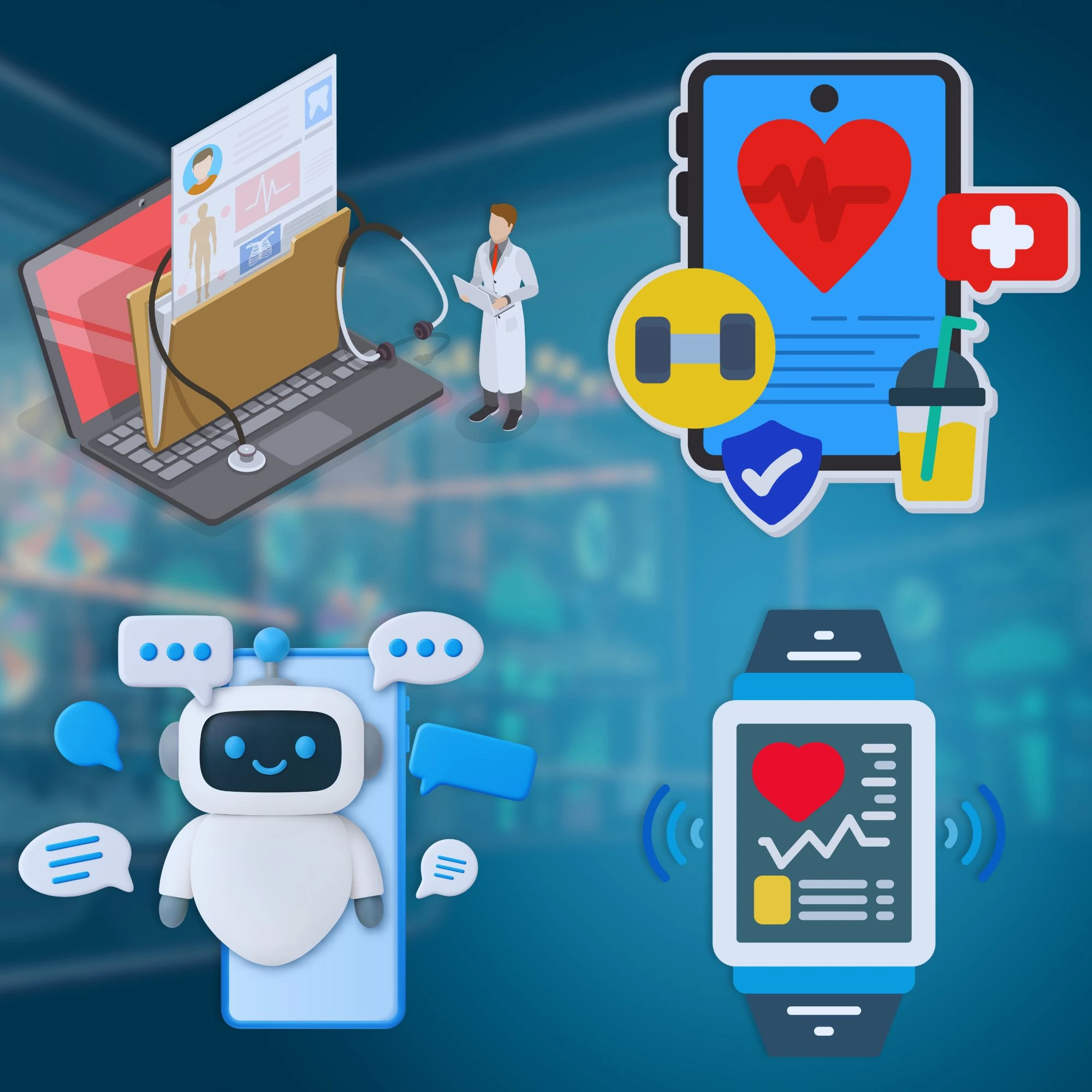
Healthcare is no longer confined to hospital visits or episodic interactions. Patients today demand convenience, personalization, and around-the-clock access to care providers. This growing expectation has accelerated the adoption of digital patient engagement platforms and digital patient engagement software, reshaping the way providers connect with patients. By embracing digital health patient engagement, healthcare organizations can move beyond traditional care models to deliver seamless, always-on experiences that improve outcomes, build loyalty, and elevate the overall digital patient experience.

Forward-thinking providers are increasingly turning to patient engagement software solutions and digital patient engagement tools to meet these new demands. Whether through patient portals, mobile apps, or remote monitoring devices, digital patient engagement solutions are bridging the gap between care delivery and patient expectations, enabling a more proactive and patient-centered approach to healthcare.


What is Digital Patient Engagement?

What-is-Digital-Patient-Engagement

Digital Patient Engagement refers to the strategic use of technology to strengthen the way patients connect with healthcare providers, services, and health information throughout their care journey. It is more than just a digital interface; it represents a shift in how patients take part in their health management. By combining communication tools, education resources, remote monitoring, and self-service capabilities, a strong digital patient engagement solution empowers individuals to play an active role in improving their own outcomes.

Unlike traditional models where patient interactions were limited to in-person visits, digital health patient engagement enables a continuous connection between patients and providers. Whether it is accessing medical records online, joining a virtual consultation, or receiving reminders via a mobile app, the focus is on creating seamless, patient-centered experiences that build trust and loyalty.

Importance of a Patient Engagement Software or Digital Patient Engagement Platform

Importance-of-a-Patient-Engagement-Software-or-Digital-Patient-Engagement-Platform

In today’s healthcare landscape, implementing a digital patient engagement platform is no longer a value-add but a necessity. Patients expect the same convenience, personalization, and responsiveness from healthcare that they already experience in retail, banking, and other digital-first industries. The rapid adoption of telehealth, accelerated digital transformation during the pandemic, and a broader shift toward consumer-driven healthcare have pushed providers to reimagine patient interaction strategies.

A well-designed digital patient engagement software supports this shift by delivering multiple benefits:

  • Enhances patient satisfaction through easier access to information and services.
  • Reduces no-shows with automated reminders and real-time scheduling tools.
  • Strengthens the digital patient experience by offering personalized content, secure communication, and proactive health management.
  • Enables healthcare organizations to thrive in value-based care models where outcomes and patient loyalty are directly linked to success.

Forward-looking providers that invest in patient engagement software solutions and digital patient engagement tools are not only improving operational efficiency but also creating a more meaningful partnership with patients. These digital capabilities are setting the foundation for a future where digital patient health becomes an integral part of overall care delivery.


The Evolution of Patient Health Engagement

The-Evolution-of-Patient-Health-Engagement

The journey of patient digital health has undergone a remarkable transformation. What once centered exclusively on in-person visits and episodic interactions has evolved into a hybrid, digital-first model where patients remain connected to their providers before, during, and after clinical encounters. This evolution reflects the growing importance of digital patient engagement solutions in shaping modern healthcare delivery.

Key Drivers

  1. Smartphones and Wearables: The widespread use of mobile devices and connected health trackers has empowered patients to monitor their own health, schedule appointments, and access results anytime, fueling demand for digital patient engagement platforms.
  1. Regulatory Pushes: Requirements such as HIPAA compliance and secure data-sharing mandates have encouraged healthcare providers to adopt digital patient engagement software that ensures privacy while supporting efficient communication.
  2. Consumer Demand: Patients increasingly expect the same level of convenience, transparency, and personalization from healthcare that they already receive from other digital-first industries. This shift has made the digital patient experience a key differentiator for providers.


Reimagine healthcare with Experion, delivering digital patient engagement that puts people first


Core Pillars of Digital Patient Engagement

Modern healthcare organizations rely on several foundational elements to deliver meaningful engagement through patient engagement software solutions:

  • Omnichannel Communication: Secure messaging systems, mobile apps, and patient portals create always-on accessibility and allow patients to engage across their preferred channels.
  • Personalized Care Journeys: AI-powered analytics provide customized recommendations, proactive follow-ups, and treatment plans tailored to individual health needs, enhancing digital patient health outcomes.
  • Remote Monitoring and Telehealth: Connected devices and telemedicine extend engagement beyond the hospital, enabling continuous care for chronic conditions and post-discharge monitoring.
  • Education and Self-Service: Interactive content, FAQs, and decision-support tools empower patients to manage their own care more effectively, making digital patient engagement tools central to building trust and knowledge.

By focusing on these pillars, healthcare organizations can deliver a robust digital patient engagement experience that not only improves clinical outcomes but also builds stronger, more loyal relationships with patients.


Digital Patient Engagement Tools Powering Patient Health

Digital-Patient-Engagement-Tools-Powering-Patient-Health

A strong digital patient engagement platform brings together multiple tools that enhance how patients connect with their providers and manage their health. These technologies not only improve clinical outcomes but also strengthen trust and loyalty by creating a seamless digital patient experience.

  1. Patient Portals: Centralized platforms where patients can access medical records, lab results, prescriptions, and schedule appointments. Portals are often at the core of patient engagement software solutions, providing transparency and convenience.
  1. Mobile Apps: Mobile-first digital patient engagement tools allow patients to schedule visits, receive secure messages, and view test results on the go, ensuring healthcare is always within reach.
  2. Telemedicine Platforms: Virtual consultation systems integrated with EHRs expand access to care, reduce wait times, and keep patients engaged regardless of location.
  3. AI and Chatbots: Intelligent assistants available 24/7 to handle triage, send medication reminders, and offer personalized recommendations, enhancing digital health patient engagement.
  4. Wearables and IoT Devices: Smartwatches, fitness trackers, and connected devices continuously monitor chronic conditions and share real-time data with providers, enabling proactive care.
  5. Data Analytics and CRM: Insights drawn from patient data help providers deliver personalized outreach, close care gaps, and improve engagement outcomes.


Technologies Driving Digital Patient Engagement

Technologies-Driving-Digital-Patient-Engagement

Behind every successful digital patient engagement solution is a set of enabling technologies that ensure scalability, security, and innovation.

  • Cloud-Based Platforms: Provide secure, scalable infrastructure to store sensitive health data and deliver services across multiple devices.
  • Artificial Intelligence and Predictive Analytics: Improve early detection of conditions, personalize care plans, and predict patient needs before they arise.
  • Internet of Things (IoT): Connects devices and wearables to create a continuous flow of real-time health data, enhancing patient digital health monitoring.
  • Virtual and Augmented Reality: Transform patient education and therapy by delivering immersive experiences for training, rehabilitation, or chronic disease management.
  • Blockchain: Strengthens trust by ensuring transparent, tamper-proof storage and sharing of electronic health records.

By integrating these tools and technologies, healthcare organizations can unlock the full potential of digital patient engagement software, transforming the way patients experience care and enabling providers to deliver smarter, more personalized health services.


Empower patients. Improve outcomes. Transform healthcare

Partner with Experion today


Benefits of Digital Patient Experience for Healthcare Organizations

Implementing digital patient engagement solutions delivers measurable benefits that go far beyond convenience. By creating a connected and proactive care environment, healthcare organizations can improve outcomes, enhance patient relationships, and achieve long-term sustainability.

  • Improved Patient Satisfaction, Loyalty, and Trust: A seamless digital patient experience strengthens provider–patient relationships, making patients more likely to remain engaged and loyal.
  • Better Clinical Outcomes Through Continuous Engagement and Monitoring: Remote care tools, wearables, and digital patient engagement software enable proactive intervention, reducing hospitalizations and improving health results.
  • Reduced No-Shows and Improved Efficiency with Automated Communication: Appointment reminders, secure messaging, and real-time notifications lower missed visits and free up staff resources.
  • Revenue Growth Supported by Patient Retention and Value-Based Care: By keeping patients engaged, organizations achieve stronger retention rates and deliver on value-based care models, which reward improved outcomes and satisfaction.


Challenges and Barriers

While the benefits are substantial, organizations adopting digital patient engagement platforms often face hurdles that must be addressed to ensure long-term success.

  • Data Security and Privacy: With sensitive health data at stake, compliance with HIPAA, GDPR, and other regulatory standards is critical. Patient engagement software solutions must prioritize encryption, role-based access, and secure data exchange.
  • Integration with Legacy EHRs: Many healthcare providers rely on outdated systems that can be difficult to integrate with modern digital patient engagement software, creating data silos and workflow disruptions.
  • Digital Divide: Not all patients have equal access to technology. Providers must account for elderly individuals, underserved populations, and those without smartphones or reliable internet access.
  • Change Management: Introducing new digital patient engagement tools requires training for staff and workflow alignment. Resistance to change can hinder adoption unless organizations create clear strategies and support structures.

By overcoming these challenges, healthcare providers can unlock the full value of digital health patient engagement, building platforms that are secure, inclusive, and future-ready.


Strategies to Implement Digital Patient Engagement Successfully

Strategies-to-Implement-Digital-Patient-Engagement-Successfully

Adopting digital patient engagement solutions requires more than just deploying technology. Healthcare organizations need a structured, patient-first approach that ensures scalability, compliance, and measurable results.

  1. Conduct Readiness Assessments to Evaluate Digital Maturity: Before adopting a digital patient engagement platform, providers should assess existing workflows, infrastructure, and patient needs to identify gaps and opportunities.
  2. Choose the Right Digital Patient Engagement Platform and Technology Stack: Selecting a secure, scalable, and interoperable system is key. A robust digital patient engagement software must integrate seamlessly with EHRs and other clinical systems.
  3. Design Patient-Centric Interfaces with Intuitive UI/UX: Usability is critical to adoption. Patient engagement software solutions should be designed for accessibility across demographics, including elderly and underserved populations.
  4. Ensure Data Security and Compliance are Built-In: Compliance with HIPAA, GDPR, and other regulatory requirements must be embedded at the architecture level to protect sensitive health data.
  5. Establish Feedback Loops with Real-Time Analytics: Continuous improvement depends on monitoring user behavior and outcomes. Analytics-driven feedback helps refine digital patient engagement tools and optimize experiences over time.


Measuring Success in Digital Patient Health

Implementing a digital patient engagement solution is only the first step. Measuring impact through the right metrics ensures organizations know whether their initiatives are truly improving patient outcomes and satisfaction.

Key Performance Indicators (KPIs)

  1. Patient Satisfaction Scores (NPS, CSAT): Track loyalty, trust, and overall experience.
  1. Appointment Adherence Rates and Reduced No-Shows: Evaluate operational efficiency and patient reliability.
  2. Portal and Mobile App Adoption Rates: Measure how effectively patients are embracing digital patient engagement software.
  3. Clinical Outcomes and Reduced Readmissions: Assess whether digital patient health initiatives are driving measurable improvements in care delivery.

Real-Time Monitoring

Advanced analytics dashboards give providers continuous visibility into patient behavior, engagement levels, and outcomes. By leveraging digital patient engagement tools and real-time data, healthcare organizations can refine strategies quickly and ensure that both clinical and operational goals are met.


The Future of Digital Patient Engagement Solutions

The-Future-of-Digital-Patient-Engagement-Solutions

The future of healthcare is being defined by smarter, more connected, and patient-centered technologies. Digital patient engagement solutions are set to evolve from simple portals into intelligent ecosystems that proactively guide patients through their health journeys.

  • AI and Predictive Analytics: By analyzing health patterns, providers can anticipate patient needs, deliver proactive interventions, and improve population health management. AI-powered digital patient engagement tools will also personalize care journeys in real time.
  • Voice Technology and Virtual Health Assistants: Conversational platforms make healthcare more accessible, particularly for elderly or less tech-savvy patients, while supporting 24/7 engagement.
  • Integration with Ecosystems: The future of patient digital health lies in creating holistic networks that connect pharmacies, insurers, community health centers, and hospitals for seamless care.
  • Emerging Standards like FHIR: Standards such as FHIR are driving true interoperability, ensuring that digital patient engagement software can exchange data securely and efficiently across platforms and providers.

As these innovations mature, healthcare organizations adopting digital patient engagement platforms will gain a strong competitive edge by delivering personalized, efficient, and proactive care.


How Experion Can Help You in Digital Patient Engagement?

Handshake-Image-Digital-Patient-Engagement

At Experion Technologies, we design and deliver next-generation digital patient engagement solutions that empower providers to build meaningful, lasting connections with their patients. Our patient engagement software solutions are built with innovation, compliance expertise, and a user-first approach at their core.

From intuitive digital patient engagement platforms and telehealth applications to AI-powered chatbots and wearable integrations, we help healthcare organizations transform care delivery into an experience that is connected, secure, and future-ready. By combining deep domain expertise with modern technologies such as cloud, AI, and IoT, Experion enables providers to create engagement strategies that drive both better outcomes and stronger patient loyalty.


Reimagine healthcare with Experion, delivering digital patient engagement that puts people first


Case Study: HIPAA-Compliant Telehealth Platform for Behavioral Health & Wellness

A leading provider of behavioral health and wellness services sought to modernize their telehealth offering. Their existing system relied on multiple disconnected components, a call center app, a customer management app, and a legacy account builder. These fragmented systems led to frequent outages, high infrastructure costs, and compliance risks.

The Challenge

  • The identity server (authentication & authorization) was embedded directly in the API layer, reducing scalability and making the system vulnerable to overload.
  • Daily API requests ranged from 1.4 million to 2.1 million for just 25–35 concurrent users, causing system downtime, performance degradation, and occasional data loss — risks that jeopardized HIPAA compliance.
  • The user interface was outdated, making it difficult for stakeholders across the platform to use the system efficiently.

Experion’s Solution

Using digital patient engagement software and deep domain expertise, Experion delivered a more scalable, resilient, and user-centric system:

  • Introduced a client-side queuing mechanism and batch processing (via a browser service worker) to reduce real-time API calls. Commands are queued locally and synced in intervals, significantly cutting request volume and infrastructure costs.
  • Separated the authentication mechanism into its own microservice, removing it from API logic and improving modularity, scalability, and security.
  • Redesigned the user interface to be intuitive, facilitating better interaction for multiple user roles across behavioral health services.
  • Developed resilience mechanisms to prevent data loss during system failures, preserving the integrity of health records and compliance.
  • Post-delivery, continued providing development and maintenance support as part of an ongoing engagement.

Business Impact

  • The system architecture became highly modular and scalable, allowing new features to be introduced without disrupting core services.
  • API requests were reduced from ~1.48 million to ~990,000 per day, significantly easing backend load.
  • Average compute usage (DTU) dropped from about 60% to 4%, resulting in substantial infrastructure savings.
  • The client saved over $75,000 annually in infrastructure costs.
  • Improved stability, performance, and compliance, crucial for a digital patient engagement platform used in behavioral health.


Conclusion

Digital patient engagement has emerged as the foundation of modern healthcare. By adopting the right tools, technologies, and strategies, providers can deliver care that is accessible, personalized, and future-ready. From real-time portals and mobile apps to AI-driven chatbots and remote monitoring, the ability to engage patients digitally ensures stronger relationships, better outcomes, and greater operational efficiency. Healthcare organizations that embrace this transformation will be well-positioned to thrive in a digital-first ecosystem where patient expectations continue to rise.

Key Takeaways

  • A digital patient engagement platform enables 24/7, personalized access to care across multiple touchpoints.
  • Digital patient engagement software enhances satisfaction, compliance, and efficiency while reducing no-shows.
  • Digital patient engagement tools like wearables, mobile apps, and chatbots empower patients beyond the clinic.
  • Digital patient health solutions support proactive care, continuous monitoring, and improved clinical outcomes.
  • Robust patient engagement software solutions ensure scalability, security, and compliance with HIPAA, GDPR, and other standards.
  • Data analytics and predictive insights make digital patient experience strategies measurable and adaptable.
  • Successful adoption requires overcoming challenges such as EHR integration, digital divide, and change management.
  • Future-ready organizations will integrate AI, IoT, and interoperability standards like FHIR into their digital patient engagement solutions.
  • Experion Technologies partners with healthcare providers globally to deliver secure, scalable, and patient-centered digital engagement platforms that create measurable impact.


Final Experion Capability Conclusion

At Experion Technologies, we believe digital patient engagement is not just about technology but about transforming healthcare into a connected, patient-first experience. Our expertise in building digital patient engagement platforms, software, and tools ensures providers can deliver secure, compliant, and scalable solutions that meet today’s demands while preparing for tomorrow’s innovations. Whether it is telehealth, wearables, AI-driven apps, or data-driven platforms, Experion helps healthcare organizations design digital-first strategies that empower patients and improve care delivery.

Mortgage Software Development

Technology is reshaping the mortgage industry at every stage of the lending lifecycle. From digital loan origination and automated underwriting to borrower self-service portals, software is now the driving force behind faster approvals, stricter compliance, and improved transparency. By investing in custom mortgage software development, lenders and brokers can streamline operations, reduce errors, and create borrower experiences that are seamless and trustworthy.

Forward-looking institutions are increasingly turning to custom mortgage software development services to differentiate themselves in a competitive landscape shaped by FinTech challengers and evolving regulations. Through secure, cloud-ready, and user-friendly platforms, mortgage & lending software development is enabling organizations to achieve agility, compliance, and sustained growth in today’s digital-first financial ecosystem.


What is Mortgage Software?

What-is-Mortgage-Software

Mortgage software development focuses on building technology platforms that manage the entire loan lifecycle. These platforms handle everything from origination and underwriting to approval, servicing, and compliance reporting. The purpose of mortgage software is to simplify processes for lenders and brokers while giving borrowers faster, more transparent, and more secure access to credit.

By adopting custom mortgage software development, financial institutions can eliminate manual inefficiencies, improve accuracy, and enhance borrower engagement. Unlike off-the-shelf solutions, tailored platforms are designed to align with unique workflows and compliance requirements, making them a powerful tool for sustainable growth in the lending sector.

Different Types of Mortgage Software

  • Loan Origination Systems (LOS): Automate loan applications, eligibility checks, and initial assessments.
  • Underwriting and Risk Management Platforms: Analyze borrower creditworthiness and minimize default risks.
  • Borrower-Facing Portals and Mobile Apps: Provide self-service capabilities for application tracking and document uploads.
  • Document Management and E-Signature Systems: Replace paperwork with secure digital documentation and signatures.
  • Mortgage Servicing and Repayment Platforms: Manage ongoing repayments, escrow, and account servicing.
  • Compliance and Audit Management Solutions: Ensure alignment with regulations and maintain audit-ready records.

Each of these software types plays a critical role in the larger ecosystem of mortgage and lending software development, enabling organizations to deliver more efficient, compliant, and customer-friendly services.


Future-proof your lending journey

Partner with Experion for custom mortgage software development


Market Landscape & Current Trends

Growth of Digital Mortgage Platforms and FinTech Competition

The rise of FinTech companies has transformed borrower expectations. Customers now seek digital-first experiences that are fast, transparent, and mobile-friendly. To remain competitive, traditional banks and lending institutions are increasingly investing in custom mortgage software development services that replicate the agility and speed of FinTech platforms while maintaining the reliability of established financial institutions.

Regulatory Changes Influencing Software Requirements

The mortgage sector is heavily regulated, with frameworks such as CFPB, RESPA, and GDPR shaping operational practices. Evolving compliance rules demand software that can embed regulatory checks into workflows, automatically generate audit-ready reports, and adapt quickly to new legal requirements. Custom mortgage software development allows lenders to integrate compliance features directly into their platforms, reducing risk and ensuring accountability.

Rise of AI, Automation, and Cloud Computing in Lending

Modern lending software development services leverage advanced technologies to transform core processes. AI and automation are enhancing credit scoring, fraud detection, and underwriting accuracy, while cloud-based architectures ensure scalability, security, and cost efficiency. By combining these technologies within lending software development, institutions are not only improving efficiency but also future-proofing their platforms for evolving borrower expectations and market needs.


Core Features of Modern Mortgage Software

Core-Features-of-Modern-Mortgage-Software

Modern mortgage software development focuses on creating platforms that are comprehensive, secure, and user-friendly. A successful solution integrates multiple capabilities that simplify workflows for lenders while improving transparency and convenience for borrowers.


  • Loan Origination, Underwriting, and Approval Workflows: Automates the entire process from application intake to final loan approval, reducing turnaround times and eliminating repetitive manual tasks.
  • Document Management Systems with E-Signatures: Enables secure digital storage of borrower documents and supports electronic signatures, minimizing paperwork while ensuring compliance.
  • Integrated CRM for Customer Lifecycle Management: Provides lenders and brokers with a unified view of customer data to improve engagement and build stronger relationships.
  • Compliance, Risk Management, and Audit Trails: Incorporates built-in checks to align with CFPB, RESPA, GDPR, and other regulations while generating audit-ready records.
  • Third-Party Integrations: Connects seamlessly with banking systems, credit bureaus, and payment providers, creating a smooth end-to-end lending process.
  • Advanced Analytics Dashboards and Reporting Tools: Delivers real-time insights into borrower behavior, loan performance, and portfolio risks to enable data-driven decision-making.
  • Omnichannel Borrower Experiences Across Web and Mobile: Ensures accessibility for borrowers on any device, offering flexibility and convenience at every stage.
  • User-Friendly UI/UX for Greater Adoption: Simplifies navigation for both staff and borrowers, reducing training requirements and improving overall adoption.

By embedding these features, custom mortgage software development services ensure institutions deliver efficiency, compliance, and superior borrower experiences.


The Benefits: Why Go Digital?

Digitizing mortgage operations through mortgage & lending software development creates tangible advantages for both financial institutions and their customers.

For Lenders and Brokers

  • Faster Loan Origination and Approvals: Automated workflows reduce bottlenecks and speed up decision-making.
  • Improved Accuracy and Reduced Risk of Errors: System-driven validations and automated data entry reduce human error.
  • Automated Compliance and Risk Monitoring: Built-in compliance checks keep processes aligned with evolving regulations.
  • Significant Cost Savings Through Streamlined Processes: Automation lowers operational costs and improves overall efficiency.

For Borrowers

  • Seamless and Transparent Application Experiences: Borrowers can apply, upload documents, and track progress online.
  • Real-Time Updates on Loan Status: Applicants receive instant notifications, reducing uncertainty and increasing trust.
  • Faster Closing Times and Improved Trust: Digital processes shorten timelines, enhancing borrower satisfaction and confidence.

By leveraging custom mortgage software development, financial institutions can deliver exceptional value on both sides of the lending equation, strengthening competitiveness in a market shaped by speed, compliance, and customer-centricity.


Key Challenges in Mortgage Software Development

While the advantages of mortgage software development are significant, financial institutions often face hurdles in the design and implementation process. Recognizing these challenges is the first step toward building sustainable, future-ready solutions.

  • Navigating Complex and Evolving Regulations: Mortgage firms must adhere to laws such as CFPB, RESPA, and GDPR. Regulatory shifts require continuous updates, and compliance features must be embedded directly into workflows.
  • Safeguarding Sensitive Borrower and Financial Data: With rising cyber threats, protecting personal and financial information is paramount. Strong data encryption, role-based permissions, and secure cloud architectures are essential.
  • Integrating with Legacy Systems: Many lenders still rely on older infrastructure. Developing software that integrates with these systems while enabling digital innovation is a key challenge for lending software development services.
  • Managing Cost and Development Timelines: Enterprise-scale projects demand significant investment. Balancing budgets, timelines, and expectations requires an experienced mortgage & lending software development partner.


Custom Mortgage Software Development

Custom-Mortgage-Software-Development

Generic, off-the-shelf tools often cannot keep up with the complexity of modern lending. Custom mortgage software development ensures platforms are designed around specific business goals, borrower expectations, and compliance obligations.

Advantages of a Tailored Platform

  • Scales with Loan Volumes and Growth: Supports increasing transaction volumes without sacrificing performance.
  • Adapts to Unique Workflows and Underwriting Models: Customized to match lending policies, credit scoring methods, and risk assessment processes.
  • Seamless Integrations with Internal and Third-Party Systems: Bridges gaps with credit bureaus, payment gateways, banking systems, and existing enterprise tools.

Steps in Building Custom Solutions

  1. Discovery and Requirements Gathering: Identifying core needs, compliance priorities, and user expectations.
  2. System Architecture and Technology Selection: Choosing cloud providers, databases, and frameworks for scalability and security.
  3. Development and Integration: Building core modules and ensuring smooth connectivity with existing systems.
  4. Testing for Performance, Compliance, and Scalability: Validating speed, accuracy, and adherence to regulations.
  5. Deployment and End-User Training: Launching the platform with proper onboarding to ensure adoption.

By investing in custom mortgage software development services, lenders and brokers gain long-term flexibility, scalability, and control that generic platforms cannot provide.


Mortgage & Lending Software Development

While mortgage software solutions are tailored specifically for home loans, mortgage & lending software development encompasses a wider range of financial products, including personal loans, refinancing, and commercial mortgages. Building flexible platforms that support multiple lending products requires a thoughtful approach to scalability, compliance, and customer experience.

Common Modules

  • Credit Scoring Engines: Automate borrower evaluations using credit bureau data and predictive analytics.
  • Integrated Payment Gateways: Enable secure and seamless payment processing for loan repayments.
  • CRM for Customer Relationships: Manage borrower interactions, improve engagement, and strengthen retention.

Best Practices for Multi-Product Lending Platforms

  • Unified Dashboards: Provide a single view for managing multiple loan types, reducing complexity for staff.
  • Consistent Security Policies: Apply standardized protocols for data protection across different products.
  • Scalable Architectures: Design systems that can handle growing transaction volumes and adapt to new product offerings.

Experion Technologies specializes in both mortgage and lending software development, offering secure, compliant, and scalable platforms that support diverse loan products while ensuring regulatory alignment and superior user experiences.


Accelerate your lending transformation with Experion’s custom-built mortgage software solutions


The Mortgage Software Development Process: From Idea to Launch

The-Mortgage-Software-Development-Process-From-Idea-to-Launch

Delivering effective custom mortgage software development services requires a clear, structured approach. Each stage ensures that the final product aligns with business needs, regulatory requirements, and borrower expectations.

  1. Discovery Phase

Collaborative workshops and in-depth analysis with stakeholders to define project objectives, compliance needs, and borrower-centric goals.

  1. Technology Stack & Architecture Considerations

Designing cloud-first infrastructure with API-based integrations for banking systems, credit bureaus, and third-party services. Prioritizing mobile-first responsive design to ensure accessibility across devices.

  1. Design and Prototyping

Developing wireframes and interactive prototypes to validate workflows, borrower journeys, and user experience before coding begins.

  1. Development and Testing

Using agile sprints for faster delivery, continuous testing to ensure performance, and robust migration strategies to transition from legacy systems without disruption.

  1. Deployment and Maintenance

Rolling out the solution in real-world environments, training staff for adoption, providing technical support, and delivering ongoing upgrades to maintain compliance, scalability, and innovation.

By following this structured process, organizations investing in mortgage & lending software development can launch future-ready platforms that streamline operations, reduce risks, and improve borrower satisfaction.


Compliance and Regulatory Essentials

Compliance is at the heart of mortgage software development. Lenders operate in an environment governed by strict rules and frequent regulatory updates. A robust software platform not only supports lending operations but also ensures that compliance obligations are met seamlessly.

Key Regulations

Mortgage platforms must align with a range of global and regional regulations, including:

  • CFPB (Consumer Financial Protection Bureau): Protects borrowers by enforcing fair lending practices.
  • RESPA (Real Estate Settlement Procedures Act): Governs the mortgage settlement process to ensure transparency.
  • GDPR (General Data Protection Regulation): Requires strict protection and privacy measures for customer data, particularly in international operations.
  • Industry-Specific Rules: Sectoral compliance frameworks such as SOX in finance or HIPAA when mortgages intersect with healthcare data.

Automating Compliance

Modern custom mortgage software development services embed compliance into everyday workflows. Automated checks flag discrepancies, while audit logs provide a transparent record of all transactions. The ability to generate compliance-ready reports reduces the administrative burden and minimizes risks of penalties or oversight.

Security and Data Protection

Protecting sensitive borrower and financial data is non-negotiable. Best practices in mortgage & lending software development include:

  • Role-Based Access Controls: Ensuring users only access information relevant to their role.
  • Data Encryption for Storage and Transfer: Safeguarding data integrity across systems.
  • Secure Cloud Infrastructure with Monitoring: Providing a resilient and monitored environment for large-scale mortgage operations.


Cost Factors and ROI

Cost-Factors-and-ROI-Mortgage-Software-Development

The cost of building a mortgage platform varies depending on scope, complexity, and integrations. Understanding these factors helps organizations plan strategically for custom mortgage software development and anticipate long-term value.

Variables Affecting Development Cost

  • Scope and Complexity of Features: Advanced functionality such as AI-driven underwriting or real-time credit bureau integrations increase development effort.
  • Required Integrations with Third-Party Systems: Connecting with banking systems, credit scoring platforms, and payment gateways adds to cost and complexity.
  • Scalability Requirements and User Base Size: Enterprise-grade solutions for thousands of users require more robust infrastructure.
  • Development Partner Expertise and Geography: Choosing a seasoned custom mortgage software development company ensures quality but may also influence pricing depending on location.

Measuring ROI

Despite higher upfront costs, lending software development services deliver significant long-term returns:

  • Reduced Loan Processing Time: Automation accelerates origination, underwriting, and approvals.
  • Lower Error and Compliance Costs: Automated workflows minimize human errors and reduce compliance risks.
  • Increased Borrower Satisfaction and Retention: Faster closings, transparency, and improved customer experiences strengthen long-term loyalty.

By carefully evaluating both costs and ROI, lenders can justify investments in custom mortgage software development as a strategy for long-term growth, compliance, and customer trust.


Future Outlook

Future-Outlook-Mortgage-Software-Development

The future of mortgage software development is being shaped by disruptive technologies that will redefine efficiency, compliance, and customer experience in lending. Financial institutions that embrace these innovations early will be better positioned to compete in a fast-changing market.

  • AI and Machine Learning for Predictive Underwriting and Risk Analysis: Intelligent algorithms will evaluate borrower data more accurately, reducing default risks and improving loan approval timelines.
  • Blockchain for Digital Identity, Smart Contracts, and Secure Loan Records: Distributed ledgers will provide tamper-proof identity verification, automated contract execution, and enhanced transparency in mortgage transactions.
  • Embedded Finance and Real-Time Approvals in Partner Ecosystems: Mortgage and lending software development services will increasingly integrate with partner platforms, offering borrowers instant approvals and seamless financial experiences.

These advancements highlight why custom mortgage software development must remain adaptable and future-ready, capable of integrating emerging technologies without disrupting ongoing operations.


Efficiency. Compliance. Growth.

Let Experion build the mortgage platform your business deserves

How Experion Can Support in Mortgage Software Development?

How-Experion-Can-Support-in-Mortgage-Software-Development

Experion Technologies specializes in delivering custom mortgage software development services that combine innovation, compliance expertise, and user-first design. We help financial institutions build platforms that are secure, scalable, and aligned with regulatory requirements.

Our expertise spans the full spectrum of mortgage & lending software development, from loan origination systems and underwriting platforms to borrower-facing portals and compliance management tools. By blending deep domain knowledge with cutting-edge technologies such as AI, cloud, and blockchain, we create solutions that not only solve today’s challenges but also prepare lenders and brokers for tomorrow’s opportunities.

Experion’s approach to custom mortgage software development ensures measurable business outcomes, whether it is reducing loan processing times, enhancing borrower engagement, or strengthening compliance frameworks. With our support, financial institutions can confidently navigate the complexities of digital transformation and deliver superior lending experiences.

Case Study: Transforming Mortgage and Lending with a Digital Origination Platform

About the Project

A leading US-based non-banking financial company providing both mortgage and non-mortgage lending products was struggling with inefficiencies caused by outdated legacy systems. Their existing desktop-based mortgage servicing platform was costly to maintain, lacked scalability, and failed to support evolving business needs. The institution required a future-ready solution to streamline loan origination, underwriting, servicing, and compliance while ensuring zero downtime during migration.

Challenges

  • Legacy systems created operational inefficiencies and customer dissatisfaction.
  • Multiple disconnected mortgage platforms made data management complex.
  • Lack of scalability limited the ability to support growing loan volumes.
  • Rising costs during the pandemic highlighted inefficiencies in the legacy servicing platform.

Experion’s Approach

Experion applied its expertise in custom mortgage software development services to reimagine the client’s lending ecosystem. The team:

  • Conducted a full system assessment to identify vulnerabilities and inefficiencies.
  • Designed a strategic roadmap for upgrading to a modern, scalable architecture.
  • Developed a digital mortgage platform integrating origination, underwriting, compliance, and servicing.
  • Leveraged reusable frameworks, rapid prototyping, and behavior-driven development to accelerate delivery.
  • Ensured seamless integration with existing enterprise systems and third-party services.

Outcomes Delivered

The new platform offered a future-ready foundation for mortgage & lending software development, delivering measurable business results:

  • 10% improvement in loan processing time through automation.
  • 20% reduction in task duplication, boosting staff productivity.
  • Optimized document compression reduced network usage by 32%.
  • Real-time data synchronization reduced risk analysis time by 8% to 11%.
  • Improved compliance, security, and audit readiness.
  • Seamless borrower experiences through digital portals and omnichannel support.

Why It Matters?

This project demonstrates how custom mortgage software development can modernize complex lending operations. By addressing inefficiencies, embedding compliance, and scaling for growth, the client transformed its mortgage servicing into a secure, agile, and customer-centric platform.


Conclusion

Mortgage software development is reshaping the lending industry by creating platforms that enhance efficiency, strengthen compliance, and deliver superior borrower experiences. In a competitive financial landscape, businesses that invest in tailored platforms are better positioned to scale, innovate, and thrive in a digital-first world. By embracing custom mortgage software development services, institutions gain the flexibility to adapt to regulatory changes, harness emerging technologies, and meet evolving customer expectations.

Key Takeaways

  • Custom mortgage software development ensures scalability, security, and alignment with unique workflows.
  • Mortgage & lending software development supports diverse products such as personal loans, refinancing, and commercial mortgages.
  • Emerging technologies like AI, blockchain, and cloud computing are transforming credit scoring, risk management, and compliance.
  • Custom mortgage software development services improve accuracy, reduce risk, and accelerate loan processing.
  • Seamless third-party integrations with credit bureaus, banking systems, and payment providers enhance operational efficiency.
  • Lending software development services create borrower-friendly digital portals that improve transparency and trust.
  • Long-term ROI is achieved through reduced processing time, lower compliance costs, and improved borrower satisfaction.
  • Regulatory compliance is embedded through automated workflows, real-time reporting, and secure data management.
  • Scalability ensures platforms grow with the business, adapting to rising loan volumes and new product lines.
  • Experion Technologies partners with global financial institutions to deliver secure, future-ready platforms that accelerate lending transformation and drive measurable business impact.

At Experion Technologies, we combine domain expertise with cutting-edge innovation to deliver custom mortgage software development solutions that are secure, compliant, and scalable. Our approach integrates AI, cloud, blockchain, and analytics into lending platforms that not only solve today’s challenges but also prepare institutions for tomorrow’s opportunities. Whether it is mortgage origination, underwriting, compliance, or servicing, Experion provides end-to-end mortgage & lending software development services that deliver efficiency, agility, and growth.

Enterprise AI Solutions

Enterprise AI Solutions bring together advanced technologies such as machine learning, natural language processing, and computer vision to solve the complex challenges of large organizations. Unlike consumer AI, which is designed for simple everyday tasks, enterprise systems are built to operate at scale with stronger security, regulatory compliance, and seamless integration into existing business ecosystems.

For enterprises, AI is not just about automating workflows. It is about creating new opportunities: enabling early disease detection in healthcare, preventing fraud in financial services, offering personalized shopping experiences in retail, and improving efficiency in global supply chains. With rising data volumes and customer expectations, a custom enterprise AI solution has become a foundation for staying competitive rather than an optional add-on.


What Are Enterprise AI Solutions?

What-Are-Enterprise-AI-Solutions

Enterprise AI Solutions refer to the structured application of artificial intelligence within large-scale business environments. They go beyond plug-and-play consumer tools. Instead, they are secure, scalable, and customized systems designed to address the unique requirements of enterprises.

Scalability, security, and compliance form the backbone of these solutions. Take a global bank as an example. An AI fraud detection model in such a setting must be able to analyze millions of transactions every day while meeting international regulations like GDPR and ensuring the highest level of data protection. A consumer chatbot may be able to answer a few customer queries, but an enterprise artificial intelligence solution safeguards critical operations where mistakes are not an option.

With the right enterprise AI solution, organizations can turn massive volumes of data into actionable insights. Leaders gain the ability to make decisions in real time with confidence, while tailored systems integrate smoothly with enterprise infrastructure and deliver measurable business results.

Enterprise-level AI vs Consumer AI Tools

The contrast between enterprise-level AI and consumer AI is much like comparing a personal bicycle with a high-speed bullet train! Both move people, but their scope, speed, and infrastructure needs are worlds apart.

Consumer AI tools like Siri, Alexa, or Grammarly focus on individual convenience. Their scope is limited to personal assistance, grammar correction, or music recommendations. In contrast, enterprise AI solutions are designed for large-scale, high-stakes environments:

  • Scale & Complexity: Enterprise AI must handle massive, diverse datasets. A telecom giant, for example, uses AI to monitor millions of daily network interactions to ensure service quality.
  • Security & Governance: Enterprises are accountable to regulators, shareholders, and customers. Enterprise AI solutions must adhere to strict governance frameworks such as HIPAA in healthcare or SOX in finance.
  • Integration: Consumer AI can operate in isolation, but enterprise AI must integrate with complex ERP, CRM, SCM, and HRM systems.
  • Customization: Off-the-shelf consumer AI cannot match the specialized requirements of enterprises. Businesses often demand custom enterprise AI solutions fine-tuned for their workflows and KPIs.

Key Capabilities of Enterprise AI Solution

A complete enterprise artificial intelligence solution includes multiple interconnected capabilities that power transformation at scale:

  • Automation: Replaces repetitive manual tasks with machine-led efficiency. For instance, AI-driven robotic process automation (RPA) can handle invoice approvals or employee onboarding at speed and scale.
  • Predictive Analytics: Enables businesses to forecast future outcomes. Retailers use predictive models to optimize inventory levels before demand spikes, while insurers use it to assess risk in policy underwriting.
  • Machine Learning: Algorithms learn from historical data to improve predictions. In manufacturing, ML-powered systems identify early warning signs of machine failure, preventing costly downtime.
  • Natural Language Processing (NLP): Helps enterprises communicate with customers in more natural ways. AI chatbots, sentiment analysis on social platforms, and internal knowledge assistants all rely on NLP.
  • Computer Vision: Powers applications like defect detection in automotive plants, medical imaging diagnostics, and automated warehouse tracking.

These capabilities transform raw data into insights, automate decision-making, and create entirely new opportunities for business growth.


Business Drivers for Adopting AI for Enterprise Solution

Business-Drivers-for-Adopting-AI-for-Enterprise-Solution

Why are enterprises rushing toward AI? The answer lies in a mix of competition, efficiency, customer demands, and risk management.

Competitive Advantage and Innovation

Enterprises that adopt AI early often disrupt markets. Consider Tesla’s use of AI in autonomous vehicles. It positioned the company as a leader in the automotive industry. Similarly, financial institutions use AI to create innovative credit scoring models for underbanked populations, opening new markets.

Cost Optimization and Operational Efficiency

AI delivers operational efficiency by automating routine processes and optimizing resource allocation. Logistics companies like UPS use AI algorithms to determine delivery routes, saving millions in fuel costs annually. Manufacturing companies deploy enterprise solutions powered by AI to predict maintenance needs, cutting down unplanned downtime and extending equipment lifespan.

By adopting AI for enterprise solutions, organizations reduce wastage, streamline workflows, and improve bottom-line performance.

Enhancing Customer Experiences and Personalization

Today’s customers expect tailored experiences. Streaming platforms like Netflix or Spotify thrive on personalization powered by AI. Similarly, eCommerce giants use AI to recommend products, anticipate needs, and provide personalized offers.

An enterprise artificial intelligence solution makes it possible to deliver personalization at scale, whether it’s financial institutions tailoring loan offers or healthcare providers recommending preventative treatments.

Risk Mitigation, Fraud Detection, and Improved Decision-Making

Risk is inherent in enterprise operations, but AI helps mitigate it. In finance, AI-driven fraud detection systems analyze transaction patterns in real time to flag suspicious activities. In cybersecurity, AI detects anomalies before breaches occur.

Decision-making also improves. Instead of relying on static reports, enterprises now leverage AI dashboards that analyze millions of data points and suggest optimal strategies. Leaders using enterprise AI solutions move from intuition-driven to evidence-driven decisions, enhancing resilience and competitiveness.


Core Components of Enterprise AI

To deploy AI effectively, enterprises need a strong backbone. These core components define the foundation of a reliable enterprise AI solution:

  • Data Infrastructure: Enterprises generate colossal data volumes. Data lakes and warehouses store and structure this data, while governance ensures accuracy and accessibility. Without clean data, even the best models fail.
  • Machine Learning Models: These are the engines of AI. From supervised learning (credit scoring in banks) to unsupervised clustering (customer segmentation in retail) and reinforcement learning (robotics in warehouses), ML is central to enterprise AI.
  • AI Platforms & Tools: Enterprises rely on platforms like AWS SageMaker, Google Vertex AI, or Azure AI. These provide MLOps pipelines, monitoring tools, and automation frameworks for faster deployment.
  • Integration Layer: APIs and middleware connect AI models with existing enterprise systems. For instance, predictive analytics can feed directly into ERP platforms for real-time supply chain adjustments.
  • Security & Compliance: Enterprises must prioritize data privacy, ethical AI usage, and adherence to regulations like GDPR or CCPA. Encryption, access control, and bias monitoring are essential safeguards.


Implementation Roadmap for Enterprise Artificial Intelligence Solutions

AI adoption is not a single step but a structured journey.

  1. Assessment & Strategy: Enterprises first identify where AI will bring the most value. For instance, a healthcare provider may prioritize predictive diagnostics over administrative automation.
  2. Data Readiness: Data must be cleaned, labeled, and secured. Poor-quality data undermines AI effectiveness.
  3. Model Development & Testing: Pilot projects and proofs-of-concept validate AI feasibility. For example, a retailer may run a PoC on personalized recommendations before scaling across all channels.
  4. Deployment & Scaling: Once proven, AI models integrate into workflows. Continuous monitoring ensures that models remain accurate as conditions change.

Change Management and Training Employees for Adoption

Technology alone cannot drive transformation. Employees must understand and embrace AI tools. Enterprises must invest in training programs, workshops, and clear communication strategies. By framing AI as a tool that enhances roles rather than replaces them, organizations ease resistance and foster adoption.


Key Use Cases Across Industries

Key-Use-Cases-Across-Industries

The versatility of enterprise AI solutions makes them applicable across diverse industries:

  • Healthcare: AI supports predictive diagnostics, accelerates drug discovery, and automates patient scheduling. For example, AI models can analyze CT scans to detect diseases earlier than human radiologists.
  • Finance: Fraud detection algorithms prevent billions in annual losses. AI-driven robo-advisors provide personalized investment advice to millions simultaneously.
  • Retail & E-commerce: AI predicts demand trends, optimizes inventory, and delivers personalized product recommendations that increase conversion rates.
  • Manufacturing: Predictive maintenance powered by AI reduces downtime, while computer vision ensures defect-free production.
  • Logistics & Supply Chain: Route optimization minimizes fuel consumption, while AI demand forecasting improves planning accuracy.
  • Public Sector: Smart city projects leverage AI for traffic flow management, energy efficiency, and improved citizen services.

With a strong understanding of healthcare, retail, finance, logistics, and other enterprise domains, Experion brings the engineering depth needed to shape AI solutions around real industry challenges. From identifying opportunities to reducing operational risks, our approach helps businesses explore smarter, more scalable pathways to growth.


Benefits of Enterprise AI Solutions

Enterprises adopting enterprise artificial intelligence solutions experience multiple benefits:

  • Real-time insights and faster decision-making: Leaders can respond instantly to changing market conditions.
  • Improved productivity and reduced human error: Automation ensures accuracy while freeing employees for higher-value work.
  • Scalability for growing data needs: As enterprises expand, AI systems scale seamlessly to accommodate new datasets and workloads.
  • Enhanced customer satisfaction: Personalization and responsiveness drive stronger loyalty and trust.


Challenges and Considerations

Challenge Explanation Considerations for Enterprises
Data Privacy, Security, and Ethics Handling sensitive customer and business data brings risks of leaks, misuse, or biased outcomes. A biased model can damage reputation and lead to penalties. Invest in data governance, bias detection tools, and explainable AI frameworks. Build transparency and fairness into every custom enterprise AI solution.
Integration with Legacy Systems Older ERP, CRM, and mainframe platforms are often incompatible with AI, making integration slow and costly. Plan for middleware and APIs early. Prioritize modular AI architectures that can integrate gradually with existing systems.
High Initial Investment and ROI Calculation Developing enterprise AI requires significant upfront costs in infrastructure, engineering, and skilled staff. ROI may take time to materialize. Begin with pilot projects to demonstrate early value. Track measurable KPIs to build confidence for scaling.
Talent Gap The demand for AI experts exceeds supply, causing delays in projects and retention issues. Upskill existing staff through continuous training. Partner with vendors or consultants to bridge immediate talent shortages.
Regulatory Compliance and Governance New AI regulations are emerging globally, creating a moving target for compliance. Stay updated on regional AI laws like GDPR or the EU AI Act. Implement regular compliance audits and ethical AI practices.


Best Practices for Success

Best-Practices-for-Success-Enterprise-AI-Solutions

Enterprises that succeed with AI do so by following disciplined best practices. These practices create a foundation for sustainable, scalable, and ethical AI adoption.

  • Start small with high-impact pilot projects. Instead of deploying AI across the organization immediately, identify one or two business problems where success will be visible and impactful. For instance, a retail enterprise may begin with AI-powered inventory optimization before expanding into customer analytics.
  • Foster a data-driven culture across departments. Technology alone cannot transform an organization. Employees must embrace data as the foundation for decision-making. Workshops, leadership messaging, and democratized analytics tools build this culture.
  • Prioritize explainable AI for transparency. In enterprises, stakeholders must understand why an AI model made a particular decision. For example, a bank cannot deny a loan without providing customers with a clear explanation. Explainable AI frameworks ensure accountability.
  • Partner with experienced technology vendors. Building everything in-house is not always feasible. Collaborating with trusted vendors ensures enterprises gain access to advanced tools, pre-built models, and support systems while focusing internal resources on strategy and integration.
  • Continuous training and upskilling of teams. AI is a fast-evolving field. Enterprises must commit to regular training programs for IT teams, business users, and leadership to stay updated on new tools and practices.


How to Choose the Right Enterprise AI Solution?

Selecting the right AI system for an enterprise can be daunting. The stakes are high; choosing poorly can lead to wasted investment, compliance issues, and missed opportunities.

Define Your Business Goals

The first step is clarity. Enterprises should define specific objectives, such as:

  • Reducing customer churn by 10% within a year.
  • Optimizing logistics to cut fuel costs by 15%.
  • Improving fraud detection accuracy by 20%.

Starting with a pilot or “quick win” is often the best strategy. Once a custom enterprise AI solution proves its value in one area, organizations can scale it to others.

Evaluate Solutions and Vendors

When assessing potential AI solutions, enterprises must consider the following:

  • Scalability: Can the system grow with your business as data volumes increase?
  • Integration Capabilities: Does it connect seamlessly with ERP, CRM, and other enterprise systems?
  • Security and Compliance: Does it meet industry regulations (e.g., HIPAA, GDPR, SOX)?
  • Customization and Support: Can it be adapted to specific business workflows, and does the vendor provide reliable long-term support?

Choosing the right partner often makes the difference between success and failure. Enterprises should look for vendors with proven industry experience and the ability to deliver enterprise artificial intelligence solutions aligned with their vision.

The Build vs. Buy Decision

Enterprises must also decide whether to build solutions internally or purchase them.

  • Building In-House: Pros include complete control, IP ownership, and tailored design. Cons involve high costs, long development cycles, and the need for specialized talent.
  • Buying Ready-Made Solutions: Pros include faster deployment and vendor support. Cons involve limited customization and risk of vendor lock-in.
  • Hybrid Approach: Many enterprises adopt a hybrid model—using pre-built platforms and customizing them with proprietary data. This balances speed with flexibility and often leads to the best outcomes.


The Future of Enterprise AI

The-Future-of-Enterprise-AI

AI evolves at lightning speed. Enterprises adopting AI today must prepare for emerging trends that will define the next decade.

Emerging Trends

  • Generative AI: Enterprises are increasingly adopting generative AI to create marketing content, generate code, or design synthetic datasets for training.
  • Multimodal AI: These systems process multiple types of input (text, images, audio, video) simultaneously. For instance, a customer support AI might interpret a customer’s tone of voice while analyzing their complaint message.
  • Edge AI: Instead of sending all data to the cloud, AI algorithms run directly on edge devices (e.g., IoT sensors and cameras). This reduces latency, making it ideal for industries like healthcare or autonomous vehicles.
  • Autonomous Decision-Making: Enterprises are moving toward systems that can execute decisions within predefined limits. For example, supply chains could automatically reroute shipments in response to weather disruptions.

Increasing Role of AI in Sustainability and ESG Initiatives

AI will also play a growing role in sustainability. Enterprises can use AI to monitor carbon emissions, optimize energy consumption, and ensure ESG compliance reporting. For instance, AI-powered smart grids already reduce energy waste in cities, while supply chain AI minimizes fuel usage.

Predictions for the Next 5–10 Years in Enterprise Adoption

Looking ahead, enterprise AI solutions will become as fundamental to business as the internet is today. Predictions include:

  • Enterprises will allocate a significant portion of their IT budgets specifically to AI.
  • AI will evolve from being a competitive advantage to a basic requirement for survival.
  • Regulatory frameworks will mature, enforcing stricter guidelines for ethical and transparent AI.
  • Hybrid AI models combining generative, predictive, and multimodal systems will become the norm.
  • Enterprises that fail to adopt AI strategically risk becoming obsolete, much like businesses that resisted digital transformation.


How Can Experion Offer Support?

Handshake-Enterprise-AI-Solutions

At Experion Technologies, we understand that implementing enterprise artificial intelligence solutions requires strategy, industry expertise, and long-term partnership.

We design custom enterprise AI solutions tailored to business goals, ensuring scalability, security, and compliance. Our expertise spans industries such as healthcare, retail, logistics, and finance. Whether it’s predictive analytics for hospitals, personalized shopping recommendations for retailers, or fraud detection for financial institutions, Experion delivers practical AI that drives measurable outcomes.

Our approach includes:

  • Business-First AI Strategy: We don’t start with algorithms; we start with your business problem. Every solution is tied directly to measurable outcomes such as reducing churn, optimizing operations, or driving new revenue streams.
  • Domain-Aligned Expertise: From healthcare and retail to finance and logistics, our teams bring hands-on experience in industry-specific workflows, ensuring our AI is not just technically sound but also context-aware.
  • Ethical and Responsible AI Practices: We embed fairness, transparency, and explainability into every solution. This means your AI not only performs but also builds trust with regulators, stakeholders, and customers.
  • Living Solutions, Not Static Models: AI doesn’t stop at deployment. Our approach includes continuous monitoring, retraining, and adaptation so your AI grows with your business and data.
  • Co-Creation with Clients: Instead of a black-box handover, we build AI together with your teams, transferring knowledge, training staff, and ensuring adoption is smooth and lasting.


Conclusion: The Enterprise AI Imperative

The message is clear: enterprises cannot afford to ignore AI. As industries become increasingly data-driven and competitive, Enterprise AI Solutions represent not just an opportunity but an imperative.

Enterprises that act now by investing in data infrastructure, building AI-ready cultures, and partnering with experienced vendors will be positioned to thrive in the AI-driven economy. Those who delay risk falling behind in a landscape that rewards speed, agility, and intelligence.

Key Takeaways

  • Enterprise AI Solutions are built for scale, compliance, and integration, distinguishing them from consumer tools.
  • Success depends on aligning AI initiatives with business goals, starting small, and scaling strategically.
  • Enterprises must address challenges such as data privacy, integration, cost, and talent shortages.
  • The future of enterprise AI includes generative models, multimodal capabilities, edge processing, and autonomous decision-making.
  • AI is no longer optional; it is the foundation for competitive advantage, sustainability, and long-term resilience.

Custom Enterprise Software Development

In today’s fast-moving digital economy, enterprise software has become the backbone of organizations, powering critical functions such as finance, supply chain management, human resources, and customer relationship management. As markets become more competitive and customer expectations continue to rise, businesses are finding that generic, one-size-fits-all tools often fail to keep pace with their evolving demands.

This is where custom enterprise software development comes into play. Unlike off-the-shelf platforms that provide standard features for a wide audience, custom software development for enterprises focuses on building solutions that align directly with business goals, optimize specific workflows, and scale as the organization grows. By partnering with a trusted custom enterprise software development company, businesses gain the flexibility to integrate seamlessly with legacy systems, adopt modern technologies, and create solutions that provide long-term competitive advantage.

Forward-looking organizations are increasingly choosing custom enterprise software development services to address complex challenges, ensure compliance with industry standards, and unlock new opportunities for innovation. Whether it is streamlining supply chains, enhancing customer engagement, or improving decision-making through real-time analytics, custom software development for enterprise delivers measurable impact that goes beyond efficiency to drive sustainable growth.


Enterprise transformation starts with the right software.

Let Experion lead the way


Browse the sections:

  1. What is Custom Enterprise Software Development?
  2. Why Businesses Need Custom Enterprise Software?
  3. Key Features of Custom Enterprise Software
  4. Transforming Industries through Innovation and Custom Enterprise Software Solutions
  5. The Custom Enterprise Software Development Process
  6. Benefits of Custom Enterprise Software
  7. Challenges in Custom Enterprise Software Development
  8. Choosing the Right Custom Enterprise Software Development Company
  9. Cost Considerations
  10. Future Trends in Enterprise Software Development
  11. How Experion Offers Custom Enterprise Software Development Services?
  12. Case Study: Digital Healthcare Solutions
  13. Conclusion
  14. Takeaways


What is Custom Enterprise Software Development?

What-is-Custom-Enterprise-Software-Development

Enterprise software refers to large-scale applications designed to manage essential business processes such as resource planning, customer management, and operational efficiency. These platforms are the foundation of modern enterprises, ensuring that complex functions across departments work in harmony.

Custom enterprise software development services go a step further by designing, building, and deploying solutions that are created specifically for an organization’s unique needs. Instead of adapting to generic tools, businesses gain applications that reflect their workflows, integrate seamlessly with existing systems, and evolve with future growth. By working with a reliable custom enterprise software development company, organizations can ensure their technology infrastructure is not just supportive but also strategic.

Difference Between Custom Enterprise Software and Off-the-Shelf Solutions

Difference-Between-Custom-Enterprise-Software-and-Off-the-Shelf-Solutions

  • Custom Enterprise Software: Purpose-built to match business workflows, highly scalable, and fully capable of integrating with both legacy and modern systems. It provides long-term adaptability and competitive advantage.
  • Off-the-Shelf Software: Pre-packaged with standard features, lower upfront cost, and faster deployment. However, it offers limited customization, reduced scalability, and often requires businesses to adjust their processes to fit the software rather than the other way around.

Real-World Applications

Custom software development for enterprise can take many forms, depending on the industry and organizational needs. Common examples include:

  • Enterprise Resource Planning (ERP) Systems: Streamlining finance, supply chain, and operations into one unified platform.
  • Customer Relationship Management (CRM) Solutions: Enhancing customer engagement, retention, and lifecycle management.
  • Supply Chain and Logistics Platforms: Improving efficiency in procurement, inventory management, and distribution.
  • Human Resource Management Systems (HRMS): Automating recruitment, payroll, and employee lifecycle management.
  • Industry-Specific Solutions: Healthcare platforms for patient data security, financial applications for compliance and reporting, or retail systems for personalized shopping experiences.

Through these applications, custom software development for enterprises ensures that technology is not just a tool but a growth enabler, helping organizations overcome challenges that off-the-shelf solutions cannot address.


Why Businesses Need Custom Enterprise Software?

Modern enterprises face unique challenges that off-the-shelf platforms often fail to address. Custom enterprise software development provides organizations with tailored, future-ready solutions that directly align with their goals and processes.

  • Tailored Workflows: Unlike generic software that forces teams to adapt, custom enterprise software solutions are designed around existing workflows, ensuring seamless adoption and higher productivity.
  • Scalability: As businesses grow, so do their technology needs. Custom software development for enterprises ensures that applications scale effortlessly without disrupting operations.
  • Integration Capabilities: A key advantage of custom enterprise software development services is the ability to bridge legacy systems with modern applications, enabling data consistency and process continuity.
  • Competitive Advantage: By aligning software with unique strategies, businesses gain tools that differentiate them in the marketplace and allow them to respond faster to industry changes.
  • Security and Compliance: Sensitive data requires industry-specific safeguards. A trusted custom enterprise software development company can design solutions that meet compliance standards in healthcare, finance, and other regulated sectors.


Key Features of Custom Enterprise Software

Key-Features-of-Custom-Enterprise-Software

Successful custom software development for enterprise is built on features that drive usability, security, and efficiency across the organization.

  • Multi-User Accessibility with Role-Based Permissions: Ensures secure access tailored to specific user roles and responsibilities.
  • Workflow Automation for Repetitive Tasks: Saves time, reduces errors, and boosts productivity.
  • Real-Time Data Analytics and Reporting: Empowers decision-makers with insights into operations, sales, and customer behavior.
  • Third-Party Integrations and API Connectivity: Connects seamlessly with ERP, CRM, and other enterprise applications.
  • Cloud Deployment for Global Scalability: Provides flexibility, reduces infrastructure costs, and supports distributed teams.
  • Custom UI/UX: Intuitive designs encourage adoption across departments and minimize training time.

These features ensure that enterprises not only streamline operations but also foster innovation and agility across the business. From strategy to deployment, Experion delivers custom enterprise software solutions built for tomorrow.


Transforming Industries Through Innovation and Custom Enterprise Software Solutions

Across industries, custom enterprise software development services are unlocking new levels of efficiency and growth.

  • Healthcare: Building secure, HIPAA-compliant systems for patient data and hospital management.
  • Retail: Developing tailored ERP and CRM platforms to improve inventory tracking and enhance customer experiences.
  • Finance: Automating compliance reporting and fraud detection with advanced analytics.
  • Logistics: Designing custom supply chain platforms to reduce costs and improve real-time visibility.

By investing in custom software development for enterprises, organizations gain the agility to adapt to fast-changing markets, innovate with confidence, and outperform competitors who rely on inflexible, off-the-shelf tools.


The Custom Enterprise Software Development Process

Building effective custom enterprise software solutions requires a structured approach that ensures alignment with business needs and long-term scalability. Each stage plays a critical role in delivering software that is secure, reliable, and impactful.

  1. Requirement Gathering and Analysis: The process begins with understanding the organization’s unique challenges, goals, and workflows. This step ensures the solution is built around real business needs.
  2. Planning and Roadmap: Clear milestones, budget allocations, and a suitable technology stack are defined to set expectations and reduce risks.
  3. UI/UX Design: User experience is at the heart of adoption. Intuitive, user-friendly designs make the solution easier to use across departments.
  4. Development: Robust backend and frontend development bring the vision to life, powered by scalable frameworks and secure coding practices.
  5. Integration: A hallmark of custom software development for enterprises is seamless connectivity with ERP, CRM, and other existing systems, ensuring consistency across platforms.
  6. Testing and Quality Assurance: Rigorous testing validates performance, scalability, and compliance with industry standards before deployment.
  7. Deployment: The software is rolled out in real-world environments, ensuring minimal disruption to ongoing operations.
  8. Maintenance and Upgrades: Ongoing support keeps the solution aligned with emerging technologies, regulatory changes, and evolving business needs.

Experion Technologies delivers end-to-end enterprise software development services with a strong focus on scalability, usability, and measurable business impact.


Benefits of Custom Enterprise Software

Organizations that invest in custom enterprise software development services realize both immediate and long-term advantages:

  • Full Ownership and Control: Businesses retain complete authority over their software, features, and data.
  • Cost-Effectiveness Over Time: While upfront investment is higher, custom solutions reduce licensing costs and deliver greater ROI in the long run.
  • Increased Productivity and Streamlined Workflows: Automation and tailored processes eliminate inefficiencies and enhance team performance.
  • Competitive Differentiation: Unlike generic tools, custom software development for enterprise creates solutions that reflect unique strategies and provide market advantage.
  • Adaptability to Emerging Technologies: Custom systems can easily integrate AI, IoT, blockchain, or other innovations as business demands evolve.


Challenges in Custom Enterprise Software Development

While the benefits are significant, organizations must also address the challenges that come with custom enterprise software development:

  • Higher Upfront Costs: Initial investment is larger than purchasing an off-the-shelf solution.
  • Longer Build Timelines: Tailored software requires more time to design, develop, and test thoroughly.
  • Skilled Development Partners: Success depends on choosing a capable custom enterprise software development company with proven expertise.
  • Continuous Maintenance and Updates: Custom systems require ongoing support to remain secure and up to date.
  • Change Management and Employee Adoption: Businesses must prepare teams to embrace new systems and adapt to updated workflows.

By working with an experienced partner like Experion, enterprises can minimize these challenges and focus on the transformative value that custom enterprise software development solutions deliver.


Choosing the Right Custom Enterprise Software Development Company

Choosing-the-Right-Custom-Enterprise-Software-Development-Company

Selecting the right partner for custom enterprise software development is one of the most important decisions an organization can make. The right company not only builds technology but also aligns solutions with business strategy and industry requirements.

A strong custom enterprise software development company should demonstrate:

  • Experience in Enterprise-Scale Projects: Proven expertise in handling large, complex systems across industries such as healthcare, retail, finance, and manufacturing.
  • Knowledge of Compliance Frameworks: Familiarity with standards like HIPAA, GDPR, or SOX to ensure secure, regulation-compliant solutions.
  • End-to-End Service Delivery: Ability to provide the complete spectrum of custom enterprise software development services, from consulting and design to integration, testing, and long-term support.
  • Agile Methodology and Transparent Communication: A collaborative, iterative approach that keeps stakeholders informed and ensures the final product meets expectations.

Experion stands out by combining deep domain expertise with a human-first approach, helping enterprises embrace digital transformation with confidence and clarity.


Turn complexity into opportunity!

Partner with Experion for custom enterprise software development


Cost Considerations

Every custom enterprise software development solution is unique, and the investment varies based on several factors.

Factors Influencing Cost

  • Complexity of Features and Architecture: Advanced features such as AI-driven analytics or predictive modeling require more time and resources.
  • Technology Stack and Integrations: The choice of frameworks, programming languages, and the number of system integrations directly affect cost.
  • Number of Users and Scalability Needs: Applications designed for thousands of users require greater infrastructure and higher development effort.
  • Location and Expertise of the Development Team: Offshore teams may reduce costs, while highly specialized teams ensure quality at a premium.

ROI vs. Off-the-Shelf Investments

Although custom software development for enterprise involves higher upfront costs, the long-term benefits outweigh the initial investment. Custom solutions reduce dependency on licenses, eliminate inefficiencies, and provide adaptability for future growth. In contrast, off-the-shelf software often demands costly workarounds and additional customization, which can diminish ROI over time.


Future Trends in Enterprise Software Development

The future of enterprise technology is being shaped by innovations that prioritize agility, intelligence, and security. Businesses investing in custom enterprise software development solutions today must prepare for tomorrow’s digital landscape.

  • Artificial Intelligence and Machine Learning: Predictive insights, advanced analytics, and automated decision-making are becoming essential for competitive enterprises.
  • Cloud-Native and Microservices Architecture: Scalable infrastructures that improve performance and support global operations.
  • Low-Code and No-Code Platforms: Faster customization that empowers enterprises to adapt quickly without heavy reliance on coding resources.
  • Blockchain Technology: Enhanced transparency and security for data-driven industries such as finance, healthcare, and supply chain.
  • IoT Integration: Real-time monitoring and optimization for industries such as logistics, manufacturing, and utilities.

These innovations highlight why custom software development for enterprises is critical for organizations seeking long-term agility, resilience, and leadership in their industries.


How Experion Offers Custom Enterprise Software Development Services?

How-Experion-Offers-Custom-Enterprise-Software-Development-Services

Experion Technologies delivers comprehensive custom enterprise software development services designed to create measurable business outcomes. With years of experience across industries such as healthcare, retail, logistics, and finance, we specialize in building solutions that are secure, scalable, and future-ready.

Our team combines deep domain expertise with modern technologies, cloud, AI, IoT, blockchain, and data analytics, to design custom enterprise software solutions that align with organizational goals and regulatory requirements. Whether it is streamlining operations through ERP, improving customer engagement with CRM, or building industry-specific applications, Experion ensures every solution is tailored to maximize efficiency and long-term growth.

By choosing Experion as your custom enterprise software development company, you gain a trusted partner capable of delivering end-to-end support: from consulting and planning to development, integration, and continuous innovation. Our focus is not just on building software but on helping enterprises unlock agility, ensure compliance, and gain a competitive edge in their markets.


Your vision, our expertise.

Let Experion craft enterprise software that grows with you


Case Study: Digital Healthcare Solutions

When a mid-sized healthcare provider approached Experion Technologies, their core challenge was managing patient data, appointments, and care coordination across multiple clinics while adhering to strict compliance rules. They needed more than a generic platform. They needed custom enterprise software development services built specifically for healthcare.

The Challenge

  • Patient records were fragmented across clinics, making it difficult for clinicians to access comprehensive medical histories.
  • Appointment scheduling was manual, causing delays, double-bookings, and patient dissatisfaction.
  • Regulatory compliance (HIPAA, industry data standards) was not consistently enforced in their older systems.
  • Lack of analytics meant no real face of operational inefficiencies or patient flow bottlenecks.

Our Approach

  • Built a centralized Electronic Health Records (EHR) system with role-based permissions so doctors, nurses, and admin staff see only what they need.
  • Designed intuitive UI/UX to make patient registration, appointment management, and charting seamless. This made adoption faster among staff.
  • Integrated with third-party tools: lab systems, billing software, and insurance providers to eliminate manual data transfers.
  • Embedded real-time analytics dashboards for monitoring patient wait times, clinic utilization, and compliance audits.
  • Ensured full security and compliance via data encryption, audit trails, and strict access controls.

Outcomes & Benefits

  • Data fragmentation was resolved: clinicians gained comprehensive access to patient histories across clinics.
  • Appointment scheduling errors reduced by ~50%, improving patient satisfaction.
  • Compliance with healthcare data regulations improved significantly; internal audits reported nearly zero gaps.
  • Operational efficiency increased: admin time saved, staff could focus more on patient care.
  • Analytics enabled the provider to identify bottlenecks and reduce patient wait times by ~30%.

Why It Matters?

This project shows how custom enterprise software solutions in the healthcare sector can deliver on both patient welfare and organizational efficiency. Off-the-shelf healthcare tools often can’t adapt to clinic-specific workflows or regulatory nuances. Experion, as a custom enterprise software development company, helped this provider elevate their care delivery while maintaining compliance, security, and operational transparency.


Conclusion

Custom enterprise software development is more than a technology decision—it is a long-term strategy for sustainable business growth. Unlike off-the-shelf tools, tailored solutions provide adaptability, security, and a competitive edge in industries that are constantly evolving. Organizations that embrace custom-built software gain not only operational efficiency but also the agility to innovate, scale, and stay ahead of disruption.

Key Takeaways

  1. Custom enterprise software solutions align seamlessly with unique business goals and processes.
  1. Tailored systems deliver greater scalability, integration, and compliance compared to generic tools.
  2. Partnering with the right custom enterprise software development company ensures end-to-end delivery and long-term ROI.
  3. Custom software development for enterprises enhances data security, regulatory compliance, and overall control.
  4. Cloud-native, AI, IoT, and blockchain technologies are driving the future of enterprise platforms.
  5. Custom solutions encourage higher user adoption through intuitive design and workflow-specific functionality.
  6. Long-term cost-effectiveness outweighs the higher upfront investment by reducing licensing and inefficiency costs.
  7. Continuous maintenance and upgrades ensure adaptability to new business models and market trends.
  8. Industry-specific compliance knowledge is critical for sectors such as healthcare, finance, and manufacturing.

Transportation Software Development

The transportation industry is the backbone of global trade, urban mobility, and logistics. Every package delivered, every fleet on the move, and every city’s public transport system depends on seamless coordination to keep economies and communities thriving. As customer expectations shift toward real-time visibility, faster delivery, and greener solutions, businesses are under immense pressure to adapt.

This is where a trusted transportation software development company makes all the difference. Through advanced transportation software development services, ranging from fleet management platforms to route optimization tools, organizations can tackle rising operational costs, ensure compliance, and boost sustainability efforts. Unlike generic solutions, custom transportation software development enables enterprises to integrate cloud, mobile, IoT, and AI capabilities tailored to their specific challenges, making operations not just smarter but also future-ready.

Whether it’s streamlining transportation and logistics software development for global supply chains or building mobile-first platforms for urban transit, technology is shaping the way we move people and goods. The future belongs to businesses that harness these innovations to unlock efficiency, transparency, and resilience.


Your journey to efficient, future-ready transportation software begins here.

Partner with Experion


Browse the Sections:

  1. Understanding Transportation Software Development
  2. Core Challenges in the Transportation Industry
  3. Cost Factors in Transportation Software Development
  4. Key Features of Modern Transportation Software
  5. Emerging Technologies Driving Transportation Software
  6. Benefits of Transportation Software Development
  7. Custom Transportation Software Development vs. Off-the-Shelf Solutions
  8. Industries Leveraging Transportation Software
  9. Steps in the Transportation Software Development Process
  10. How to Choose a Transportation Software Development Partner?
  11. Security and Compliance in Transportation Software
  12. Future of Transportation Software Development
  13. How Experion Can Help in Developing Transportation Software?
  14. Conclusion
  15. Key Takeaways


Understanding Transportation Software Development

Transportation Software Development

Transportation software development focuses on building digital solutions that optimize and automate every aspect of transportation and logistics operations. From planning and execution to real-time monitoring, these solutions help businesses achieve efficiency, safety, and reliability at scale.

A transportation software development company like Experion doesn’t just provide generic tools, it designs platforms tailored to specific business needs, industry challenges, and long-term goals. By combining technology with domain expertise, organizations can unlock smarter workflows, reduce costs, and deliver superior customer experiences.

Key Categories of Transportation Software

  • Logistics Management Software: Manages freight, shipments, and warehouse operations to streamline end-to-end logistics.
  • Fleet Management Software: Tracks and maintains vehicles, drivers, and fuel consumption for better utilization.
  • Route Optimization Software: Analyzes traffic, distance, and delivery schedules to recommend the fastest and most cost-efficient routes.
  • Public Transportation Apps: Enhance urban mobility by providing commuters with real-time updates, ticketing systems, and schedule tracking.
  • Supply Chain Integration Platforms: Bridge gaps between manufacturers, distributors, and retailers by ensuring smooth data flow and transparency.

Role of Cloud, Mobile, and AI in Modern Transportation Software

Modern transportation and logistics rely heavily on advanced technologies to stay competitive. Cloud computing provides scalability, flexibility, and the ability to connect global networks without heavy infrastructure costs. Mobile platforms ensure that drivers, managers, and customers have instant access to critical information on the go. Meanwhile, AI-powered systems offer predictive insights, such as anticipating delays, optimizing delivery schedules, and even automating decision-making. Together, these technologies make transportation and logistics software development more adaptive, efficient, and future-ready.


Core Challenges in the Transportation Industry

The transportation sector is essential to global commerce and urban mobility, but it faces several pressing challenges:

  • Traffic Congestion and Inefficient Routing: Growing urbanization and increased freight movement often result in delays and inefficiencies.
  • Rising Fuel and Operational Costs: Businesses struggle to manage high fuel prices, fluctuating operational expenses, and vehicle maintenance.
  • Demand for Sustainability: Customers and regulators expect eco-friendly solutions, pushing companies to adopt greener transport practices.
  • Compliance and Safety Regulations: Adhering to local and international standards for driver safety, vehicle maintenance, and cargo handling is critical.
  • Data Silos Across Logistics Networks: Disconnected systems prevent real-time decision-making and create inefficiencies across the supply chain.
  • Customer Expectations for Real-Time Visibility: End users now demand instant updates on shipment status, delivery times, and transport schedules.

By addressing these challenges with intelligent, integrated systems, custom transportation software development empowers businesses to modernize operations, enhance sustainability, and meet rising customer expectations.


Cost Factors in Transportation Software Development

Transportation Software Development

Investing in transportation software development services requires careful consideration of multiple factors that directly impact cost and long-term value. Organizations must look beyond initial budgets and understand what shapes the overall investment.


  • Type of Solution: The complexity of the application plays a big role. For example, a fleet management system typically involves vehicle tracking, driver management, and reporting, whereas a ride-hailing app requires advanced real-time matching, payment gateways, and customer-facing interfaces.
  • Features and Integration Needs: The more advanced the feature set, such as predictive analytics, IoT integration, or automated billing, the higher the development cost. Integration with existing enterprise systems like ERP and CRM also influences pricing.
  • Real-Time Processing and GPS Tracking Complexity: Building robust custom transportation software development solutions that deliver accurate real-time location data, traffic updates, and route optimization requires sophisticated algorithms and processing power.
  • Development Team Setup: Costs vary depending on whether businesses choose an offshore development partner, an in-house team, or a hybrid model. Many enterprises turn to a trusted transportation software development company to balance expertise with cost efficiency.
  • Ongoing Scaling and Maintenance Costs: After deployment, continuous support, updates, and scalability are crucial. Future-proof transportation and logistics software development ensures that solutions adapt to evolving business needs without excessive reinvestment.

By understanding these cost factors, companies can better plan their digital transformation journeys and ensure maximum ROI from their software investments.


Transform challenges into opportunities.

Connect with our experts today!


Key Features of Modern Transportation Software

Modern transportation software development solutions are designed with flexibility, intelligence, and scalability in mind. The right feature set not only enhances day-to-day operations but also ensures long-term competitiveness.

  • Real-Time GPS Tracking: Provides accurate location updates, enabling better fleet visibility and customer transparency.
  • Dynamic Route Planning and Optimization: Analyzes live traffic, weather, and delivery schedules to identify the most efficient paths, reducing delays and fuel consumption.
  • Driver Management and Safety Monitoring: Tracks driver behavior, compliance, and working hours to improve safety and reduce risks.
  • Predictive Maintenance with IoT Integration: Monitors vehicle health using sensors and telematics, preventing costly breakdowns and downtime.
  • Automated Billing and Invoicing: Simplifies financial processes by automating payments, receipts, and invoicing, reducing manual errors.
  • ERP and CRM Integrations: Ensures smooth collaboration between transportation systems and existing enterprise tools for a unified workflow.
  • Advanced Analytics and Reporting: Converts raw transport and logistics data into actionable insights for better decision-making.
  • Mobile-First Design: Offers accessibility on the go for drivers, managers, and customers, improving overall responsiveness.

Incorporating these features into custom transportation software development allows businesses to modernize operations, enhance efficiency, and deliver better customer experiences across logistics, mobility, and public transport ecosystems.

Emerging Technologies Driving Transportation Software

Transportation Software Development

The future of transportation software development is being shaped by breakthrough technologies that make mobility smarter, safer, and more connected. Businesses that adopt these innovations early can gain a strong competitive advantage in the evolving transportation landscape.


  • Artificial Intelligence and Machine Learning: AI-powered algorithms enable demand forecasting, predictive scheduling, and advanced route optimization. ML models learn from historical data to reduce inefficiencies and improve delivery performance.
  • IoT and Telematics: Connected vehicles equipped with IoT sensors provide real-time insights into fuel usage, driver behavior, and vehicle health. This enables predictive maintenance that minimizes downtime and lowers operational costs.
  • Blockchain Technology: With its secure and transparent framework, blockchain ensures reliability in freight transactions, supply chain contracts, and cargo tracking. It reduces fraud and enhances accountability.
  • Cloud Computing: Modern transportation and logistics software development relies on cloud platforms for scalability and global accessibility. Businesses can expand operations without heavy infrastructure investments.
  • AR and VR Solutions: Augmented and virtual reality are transforming training programs for drivers and warehouse staff by simulating real-world scenarios, reducing risk, and improving readiness.
  • 5G and Edge Computing: Ultra-fast connectivity allows seamless real-time communication between vehicles, logistics hubs, and management platforms, making connected and autonomous mobility a reality.

Benefits of Transportation Software Development

Adopting custom transportation software development services empowers organizations to modernize operations, increase profitability, and deliver better customer experiences. Key benefits include:

  • Streamlined Operations and Higher Efficiency: Automated workflows reduce errors and speed up decision-making across logistics networks.
  • Optimized Routes for Reduced Fuel Costs: Intelligent route planning lowers fuel consumption, cutting both expenses and carbon emissions.
  • Enhanced Customer Experiences: Real-time tracking and delivery updates keep customers informed and engaged.
  • Improved Compliance and Safety Monitoring: Integrated safety protocols help businesses meet regulatory standards while ensuring driver well-being.
  • Smart Fleet Utilization: Better allocation of vehicles and resources maximizes productivity and reduces idle time.
  • Sustainable Transportation Strategies: Eco-friendly practices such as green routing and electric vehicle tracking support corporate sustainability goals.

Custom Transportation Software Development vs. Off-the-Shelf Solutions

Transportation Software Development

When choosing the right solution, businesses often face the decision between custom transportation software development and ready-made off-the-shelf platforms. Both approaches have advantages, but the choice depends on organizational needs, growth potential, and system compatibility.

  • Custom Transportation Software Development: Provides fully tailored features that align with business goals. These solutions are highly scalable, integrate seamlessly with existing ERP and CRM systems, and evolve with the company’s long-term growth strategy.
  • Off-the-Shelf Software: Offers quick deployment and lower upfront costs, making it attractive for smaller businesses or those with limited customization needs. However, flexibility is often restricted, and scaling can become a challenge.

Enterprises that prioritize innovation, scalability, and integration often benefit most from custom solutions. A trusted transportation software development company like Experion brings deep expertise, domain knowledge, and advanced technology capabilities to deliver future-ready transportation platforms that balance flexibility with innovation.


Industries Leveraging Transportation Software

Transportation software development solutions are not limited to a single sector. They have become indispensable across industries that rely on the movement of goods, people, and critical resources.

  • Logistics and Freight Providers: Real-time fleet tracking, automated invoicing, and route optimization are crucial for companies handling global supply chains.
  • Public Transit Systems: Mobile ticketing apps, passenger information systems, and scheduling platforms enhance urban mobility and improve commuter experiences.
  • Ride-Hailing and Mobility Services: Custom transportation software development supports dynamic ride-matching, digital payments, and driver management systems for companies in the shared mobility space.
  • E-commerce and Retail Supply Chains: Fast delivery expectations make route optimization, last-mile logistics, and warehouse integration essential.
  • Healthcare Logistics: Ambulance dispatch systems, pharmaceutical supply tracking, and compliance-focused logistics help safeguard lives and sensitive medical goods.
  • Construction and Manufacturing: Transportation and logistics software development ensures heavy equipment, raw materials, and finished products reach sites efficiently and safely.

By tailoring solutions to these sectors, a transportation software development company like Experion empowers businesses to increase efficiency and meet customer expectations with precision.


Ready to accelerate your digital journey in transportation?

Let Experion guide the way


Steps in the Transportation Software Development Process

Transportation Software Development

Developing a robust solution involves a structured process that balances innovation with business objectives. Each stage is critical for delivering reliable and scalable software.

  1. Requirement Analysis and Business Discovery: Understanding operational challenges, customer expectations, and long-term goals.
  2. Wireframing and Intuitive UI/UX Design: Creating user-friendly designs that streamline navigation for managers, drivers, and customers.
  3. Tech Stack Selection: Choosing the right combination of cloud, mobile, AI, and IoT technologies to ensure scalability and adaptability.
  4. Backend and Frontend Development: Building the software’s functional core while ensuring seamless, responsive interfaces.
  5. Integration with GPS, ERP, and Payment Gateways: Connecting with third-party systems to deliver real-time data and smooth workflows.
  6. Testing for Security, Performance, and Usability: Ensuring reliability and resilience through rigorous quality checks.
  7. Deployment and Scaling: Launching the platform while enabling expansion as demand grows.
  8. Continuous Maintenance and Updates: Keeping systems current with evolving technologies, user feedback, and compliance requirements.

Following these steps helps businesses benefit from custom transportation software development services that meet industry-specific needs while maintaining scalability and efficiency


How to Choose a Transportation Software Development Partner?

Selecting the right transportation software development company is a critical decision that influences long-term success.

Key Considerations

  • Proven Domain Expertise: Look for partners with experience in transportation, logistics, or supply chain systems.
  • Ability to Scale Solutions: Ensure the provider can support both immediate needs and future expansion.
  • Industry-Specific Knowledge: A partner with prior exposure to your industry can anticipate challenges and deliver tailored solutions.

Vendor Checklist

  • Security-First Approach: Strong cybersecurity measures to safeguard sensitive data.
  • Cloud Readiness: Infrastructure that supports remote access, scalability, and global operations.
  • Performance-Driven Builds: Reliable software capable of handling high traffic and real-time processing.
  • Reliable Support System: Ongoing maintenance, timely updates, and responsive issue resolution.

The ideal partner offers more than technology—they provide strategic guidance, innovation, and ongoing support to ensure your custom transportation software development project succeeds.


Security and Compliance in Transportation Software

Security and compliance are at the heart of transportation and logistics software development. Protecting data, adhering to regulations, and securing transactions are non-negotiable in today’s interconnected world.

  • End-to-End Data Encryption: Protects sensitive information such as GPS data, financial transactions, and personal details from unauthorized access.
  • Compliance with Transportation Standards and Regulations: Adherence to international and regional transportation laws ensures legal reliability and trustworthiness.
  • Secure Financial and Payment Integrations: Safeguards online transactions within ride-hailing apps, freight platforms, and logistics systems, ensuring customer confidence.

By embedding these measures into every stage of custom transportation software development, businesses not only meet regulatory obligations but also strengthen customer trust and protect brand reputation.


Future of Transportation Software Development

Transportation Software Development

The next wave of transportation software development is set to redefine how goods and people move across the globe. With rapid advances in digital technologies, businesses are preparing for smarter, greener, and more connected transportation ecosystems.

  • AI-Powered Autonomous Logistics Systems: Artificial intelligence is driving automation in freight handling, autonomous vehicles, and self-learning logistics systems that minimize human intervention while maximizing efficiency.
  • Eco-Friendly Smart Transport Networks: Sustainability is becoming a priority. Custom transportation software development now incorporates eco-routing, electric vehicle support, and carbon footprint tracking to promote green logistics.
  • Connected Mobility Ecosystems in Smart Cities: As urban areas grow, transportation and logistics software development is enabling seamless integration of ride-hailing, public transport, and micro-mobility into one connected system.
  • Predictive Analytics for Transportation Planning: Data-driven forecasting helps businesses plan routes, manage fleets, and allocate resources more effectively, turning analytics into a powerful decision-making tool.

The future of transportation software will not just improve efficiency but will also contribute to smarter cities and more sustainable economies.


How Experion Can Help in Developing Transportation Software?

Transportation Software Development

Experion Technologies brings together domain knowledge, innovation, and cutting-edge technology to deliver custom transportation software development services that create measurable business impact. From fleet management systems to intelligent route optimization tools, our solutions are built to empower organizations in navigating today’s challenges while preparing for tomorrow’s opportunities.

Case Study: How Experion Transformed a Logistics Company with Custom Transportation Software

When a leading logistics provider approached Experion Technologies, they had a clear challenge. Their fleet operations were growing rapidly, but outdated systems made it difficult to onboard drivers quickly, allocate loads efficiently, and keep operations transparent. They needed more than a generic tool. They needed a custom transportation software development solution built around their business goals.

Reimagining Driver Onboarding

We started with the drivers, the heart of any logistics network. Their onboarding process was time-consuming, manual, and inconsistent. Our team designed a mobile-first transportation management system that made onboarding as simple as downloading an app. Drivers could register, train, and get started on the road in record time. The result was not just faster onboarding but a more confident and engaged driver workforce.

Solving the Idle Fleet Problem

Idle fleets are costly, both financially and operationally. With our expertise in transportation and logistics software development, we introduced automated load allocation. The system intelligently matched drivers with available loads in real time. This minimized downtime, reduced empty miles, and gave managers complete visibility into fleet performance. Suddenly, every vehicle was working smarter, not harder.

Motivating Drivers with Built-In Incentives

Adoption of new systems often fails when users don’t see personal value. To counter this, we built an integrated incentive feature. Drivers could now see how their performance translated into rewards. This not only motivated them but also ensured high adoption of the new system across the organization.

The Impact

The transformation was immediate:

  • Reduced Idle Time: Fleets stayed active, boosting overall efficiency.
  • Faster Onboarding: New drivers became road-ready much quicker.
  • High Adoption Rates: The combination of user-friendly design and incentives won over the driver community.

Why It Matters?

This project is a powerful example of how custom transportation software development services can solve challenges that off-the-shelf solutions simply cannot. By tailoring the platform to the company’s unique needs, we helped them achieve measurable improvements in efficiency, sustainability, and employee engagement.

At Experion, we take pride in being a trusted transportation software development company that builds solutions around people as much as processes. For us, it is not just about creating software; it is about creating impact.


Conclusion

Transportation software is no longer just a supporting tool; it is the foundation of modern mobility, logistics, and global trade efficiency. Companies that adopt custom transportation software development gain the agility to adapt, the intelligence to optimize, and the sustainability to thrive in competitive markets.

Key Takeaways

  • Transportation software development is redefining global mobility, logistics, and supply chains.
  • Emerging technologies like AI, IoT, blockchain, and cloud computing are shaping the future of connected transportation ecosystems.
  • Custom transportation software development delivers tailored, scalable solutions that outperform generic off-the-shelf tools.
  • Transportation software development services enable real-time visibility, optimized routing, predictive maintenance, and improved compliance.
  • Transportation and logistics software development empowers industries from logistics and retail to healthcare and public transit.
  • Choosing the right transportation software development partner is critical for ensuring scalability, innovation, and security.
  • Experion’s proven expertise and people-first approach enable enterprises to design transportation platforms that are intelligent, resilient, and ready for tomorrow.

Software Product Testing

In today’s highly competitive business landscape, testing is no longer seen as the final checkpoint in the software development lifecycle. Instead, it has become a critical enabler of business success. A well-executed software testing process ensures superior user experiences, reduces the risk of costly post-release failures, and builds long-term customer trust. By investing in end-to-end software testing, organizations can detect defects early, validate performance, and align product outcomes with customer expectations.


Browse the Sections:

  1. What is Software Product Testing?
  2. Types of Software Testing
  3. The Importance of Software Testing in Product Development
  4. Common Challenges in Software Product Testing
  5. Building a Software Product Testing Strategy
  6. Achieving Quality with End to End Software Testing
  7. Trends and Innovations in Software Product Testing
  8. Common Pitfalls to Avoid in Software Product Testing
  9. Significance of Software Testing Services
  10. How Experion Can Support in Software Product Testing?
  11. Conclusion
  12. Key Takeaways


What is Software Product Testing?

Software Product Testing

Software product testing is the process of evaluating and validating a software application or product to ensure it meets defined business requirements, technical specifications, and quality standards. The ultimate objective of product testing is to confirm that the software behaves as expected under different conditions, delivers consistent performance, and provides a seamless user experience.

The discipline is not limited to identifying defects. It also involves proactively measuring efficiency, scalability, and security, ensuring that businesses can deliver solutions that are both innovative and dependable. This is where a structured software product testing strategy becomes essential.

The software testing lifecycle (STLC) provides a systematic framework to achieve these objectives. It typically involves several phases:

  • Requirement Analysis: Identifying business goals and technical specifications to shape the testing scope.
  • Test Planning: Designing test strategies, estimating resources, and scheduling testing activities.
  • Test Case Design: Developing detailed test cases and test scripts that cover functional and non-functional aspects.
  • Test Environment Setup: Preparing infrastructure and data environments to simulate real-world conditions.
  • Test Execution: Running test cases, recording outcomes, and validating expected results.
  • Defect Tracking and Reporting: Logging defects, analyzing their root causes, and prioritizing fixes.
  • Closure Activities: Reviewing deliverables, measuring coverage, and preparing reports to validate test effectiveness.

Following the STLC ensures that organizations achieve consistent and thorough software testing results, reducing risks and supporting faster, more reliable product launches.


Quality isn’t an afterthought, it’s the foundation.
Let Experion test your way to success.

Start your quality journey with us


Types of Software Testing

There are several types of software testing services available to ensure that every aspect of a product is validated. Each plays a unique role in creating high-quality outcomes.

  1. Manual Testing: This approach requires testers to perform test cases manually, without automation. It is particularly useful in exploratory scenarios, usability validation, or situations where human intuition is critical. Although slower than automation, it is invaluable for detecting user experience issues.
  2. Functional Testing: This form of testing verifies that all software features work according to defined specifications. By simulating real-world scenarios, functional testing ensures that core product functionalities deliver the intended outcomes without defects.
  3. Non-functional Testing: Beyond functionality, non-functional testing evaluates aspects such as performance, scalability, reliability, and usability. It ensures that the product performs well under stress and meets expectations for speed, responsiveness, and stability.
  4. Regression Testing: Whenever updates or new features are introduced, regression testing checks that existing functionalities continue to work as expected. It minimizes the risk of unintended side effects from code changes and supports continuous delivery.
  5. Performance Testing: This involves testing the product under varying levels of load and stress to measure responsiveness, stability, and scalability. Performance testing helps prevent bottlenecks and ensures a consistent experience across user volumes.
  6. Exploratory Testing: Exploratory testing relies on the creativity and domain knowledge of testers who design and execute tests on the fly. It is particularly effective in identifying unexpected defects that structured test cases might miss.
  7. Usability Testing: Usability testing evaluates how user-friendly and intuitive the product is. By observing real users interacting with the software, testers can uncover issues that hinder user adoption and satisfaction.
  8. Security Testing: Security testing is designed to uncover vulnerabilities, ensure data protection, and validate that the product meets regulatory compliance requirements. It is especially important for industries like finance, healthcare, and e-commerce where sensitive data is at stake.

Together, these testing types form the foundation of a comprehensive software product testing strategy. By combining manual testing, automated software testing services, and specialized approaches, organizations can achieve maximum coverage and deliver products that meet the highest quality standards.


The Importance of Software Testing in Product Development

Software Product Testing

Software testing is one of the most crucial aspects of modern product development, ensuring that applications are not only functional but also reliable, secure, and scalable. Without a carefully planned software product testing strategy, businesses face the risk of delivering products that are defective, unstable, or unable to meet customer expectations. The consequences of poor testing are significant, ranging from revenue loss and reputational damage to reduced user adoption.

  • Quality Assurance: Rigorous software product testing provides confidence that the product meets both functional and non-functional requirements. This involves validating features against business specifications while also ensuring that performance, usability, and security standards are consistently maintained.
  • Cost Implications: Addressing defects after a product has been released is considerably more expensive than identifying them early in the development process. Investing in strong software testing services, including automated software testing services, reduces long-term costs by catching defects during development, where fixes are simpler and less disruptive.
  • Customer Satisfaction: A seamless, bug-free experience is vital for customer trust and loyalty. When businesses invest in testing software products thoroughly, they ensure faster adoption rates and improved retention. Products that are stable and intuitive foster confidence, ultimately enhancing customer satisfaction and strengthening brand reputation.

In essence, software product testing is not a cost center but a value enabler. It allows businesses to accelerate time-to-market, reduce risks, and deliver products that are built for long-term success.


Common Challenges in Software Product Testing

Despite its importance, organizations face several challenges when implementing effective software product testing processes. These challenges highlight the need for a strategic, adaptable approach.

  • Managing Complex Environments and Integrations: Modern software products are built to integrate with multiple systems, APIs, and third-party services. Testing across these complex environments is resource-intensive and requires specialized expertise. Without proper planning, gaps in integration testing can lead to failures in production.
  • Keeping Pace with Frequent Release Cycles in Agile/DevOps: Agile and DevOps methodologies demand continuous delivery and rapid iteration. Testing must keep pace with these accelerated cycles, which often strains traditional approaches. Incorporating continuous testing and automation is essential to meet deadlines without compromising quality.
  • Balancing Manual and Automated Software Testing Services: While manual testing is critical for areas such as exploratory and usability testing, automation is indispensable for regression, performance, and large-scale validation. Striking the right balance between manual effort and automated software testing services remains a challenge, particularly when budgets and timelines are tight.
  • Ensuring Complete Test Coverage While Meeting Tight Deadlines: Comprehensive test coverage is necessary to uncover hidden defects, yet achieving it under strict time constraints can be difficult. Teams often face trade-offs between speed and thoroughness, which can result in incomplete testing and overlooked issues.

These challenges make it clear that organizations require not only skilled testing teams but also a well-defined software product testing strategy that leverages tools, automation, and best practices to ensure consistent outcomes.


Don’t just build software, build trust with every release.
Explore our testing solutions


Building a Software Product Testing Strategy

Software Product Testing

A well-structured software product testing strategy is essential for ensuring consistency, maximizing test coverage, and aligning testing efforts with broader business objectives. Without a defined approach, testing software products can become fragmented, leading to inefficiencies and missed defects. By following a systematic framework, organizations can balance speed, cost, and quality to deliver reliable outcomes.

Key steps in building an effective software product testing strategy include:

  • Requirement Analysis: The foundation of any testing effort begins with a clear understanding of both business needs and technical requirements. This step ensures that test cases are designed with the end user in mind, covering functional expectations as well as performance, usability, and security needs.
  • Test Planning and Environment Setup: Once requirements are defined, teams move into detailed test planning. This includes designing test cases, preparing test data, and creating the necessary environments. A well-prepared test environment mirrors real-world conditions, making validation more accurate and reliable.
  • Automation vs. Manual Testing: No single method fits all testing scenarios. Manual testing is valuable for usability, exploratory checks, and areas where human judgment is essential. At the same time, automated software testing services play a critical role in regression, load testing, and repetitive tasks. Striking the right balance ensures efficiency while maintaining depth and accuracy.
  • Continuous Testing in Agile/DevOps: In today’s fast-paced development environments, testing must be embedded into the continuous integration and continuous delivery (CI/CD) pipeline. Continuous testing ensures rapid feedback loops, enabling quicker defect resolution and supporting faster, more reliable product releases.
  • Best Practices for Strategy Alignment: An effective software product testing strategy is not just about tools and processes but also about aligning with business goals. This means maintaining traceability across requirements, test cases, and results while ensuring transparency in reporting and accountability at every stage.

At Experion Technologies, we design customized testing strategies that combine domain expertise with automated software testing services, ensuring that every client achieves maximum value from their investment in quality assurance.


Achieving Quality with End-to-End Software Testing

Delivering a seamless user experience requires more than isolated checks. End-to-end software testing validates the entire user journey, ensuring that every interaction, workflow, and integration performs as intended. By simulating real-world scenarios, it verifies that different components of a system work together flawlessly, eliminating risks before the product reaches users.

Coverage areas in end-to-end testing include:

  • User Journey Validation: From login and navigation to checkout or data submission, every user flow is tested thoroughly to ensure that all features function correctly and consistently. This approach captures gaps that might only become evident when multiple features interact.
  • Integrations and APIs: Modern products rarely operate in isolation. They rely on integrations with third-party services, APIs, and internal systems. End-to-end testing ensures seamless data exchange and consistent performance across these connections, reducing the risk of integration failures.
  • Workflows and Systems: Business processes often span multiple modules and systems. End-to-end testing verifies that these workflows execute as expected, from start to finish, without interruptions or errors.

Tools and Frameworks Supporting End-to-End Testing

Organizations can rely on a wide range of tools to achieve reliable end-to-end software testing. Popular frameworks such as Selenium, Cypress, Appium, and JUnit support automation across functional and non-functional tests. These tools not only accelerate testing cycles but also provide repeatable, scalable validation that aligns with modern development practices.

By validating the complete ecosystem, end-to-end testing ensures a cohesive product experience that strengthens customer trust. It minimizes the risk of defects slipping into production and provides organizations with the confidence that their product will perform seamlessly across real-world environments.


Launch faster, safer, and smarter with Experion’s software testing services.
 Request a consultation


Trends and Innovations in Software Product Testing

Software Product Testing

The field of software product testing is undergoing rapid transformation as organizations look for ways to improve speed, accuracy, and cost efficiency in their quality assurance processes. Traditional testing approaches are giving way to advanced methods and tools that support modern development practices such as Agile and DevOps. These innovations not only reduce time-to-market but also improve reliability across complex systems.

  • AI-Driven Test Automation: Artificial intelligence is making test automation smarter by enabling intelligent test case creation, predictive defect identification, and adaptive testing. This reduces human effort, enhances accuracy, and allows businesses to focus resources on higher-value testing activities.
  • Ethical and Fairness Testing: As AI and machine learning become integral to software products, testing must also ensure fairness, transparency, and absence of bias. Ethical testing frameworks help validate that AI-driven systems are free from discrimination and comply with responsible AI standards.
  • Low Code/No Code Testing: Low code and no code platforms are democratizing software testing services by enabling non-technical users to design and execute automated tests. This accelerates adoption of automated software testing services and reduces dependency on specialized coding skills.
  • Shift-Left Testing: By moving testing earlier in the development lifecycle, shift-left testing helps teams detect defects during the design and coding phases. This reduces rework, shortens release cycles, and lowers overall costs associated with testing software products.
  • Cloud-Based Test Environments: Cloud platforms are enabling scalable, on-demand, and cost-efficient testing environments. Teams can replicate real-world scenarios across devices, browsers, and operating systems without maintaining expensive in-house infrastructure.
  • Continuous Integration/Continuous Testing Pipelines: CI/CT pipelines integrate end-to-end software testing into the development process, ensuring that every code change is automatically validated. This continuous approach provides instant feedback, supports faster releases, and aligns perfectly with Agile and DevOps practices.

Together, these innovations are redefining the future of software product testing strategy, enabling enterprises to test faster, smarter, and at greater scale.


Common Pitfalls to Avoid in Software Product Testing

While investing in software testing services is critical for quality, many organizations still encounter pitfalls that reduce the effectiveness of their efforts. Being aware of these challenges can help businesses strengthen their approach and improve results.

  • Over-Reliance on Manual Testing: Manual testing is essential for usability and exploratory testing, but depending on it exclusively can slow down release cycles and reduce coverage. Incorporating automated software testing services is necessary to achieve efficiency and scalability.
  • Incomplete Test Coverage Leading to Hidden Defects: Skipping certain scenarios or failing to account for edge cases often results in undetected bugs that surface in production. A comprehensive software product testing strategy ensures that coverage spans functional, non-functional, and integration testing.
  • Poor Documentation Affecting Reproducibility: Inadequate documentation makes it difficult to reproduce defects and hinders collaboration between development and QA teams. Clear and traceable documentation is vital for accurate defect resolution and long-term maintainability.
  • Ignoring Non-Functional Requirements Such as Performance and Security: Many organizations focus primarily on functionality and overlook performance, scalability, and security. These aspects are just as critical as core features, particularly in industries like healthcare, finance, and retail where compliance and reliability are paramount.

Avoiding these pitfalls ensures that businesses maximize the value of their investment in software product testing while delivering products that are secure, reliable, and customer-ready.


Significance of Software Testing Services

Software Product Testing

For many organizations, managing in-house testing teams can be resource-intensive and difficult to scale. This is why an increasing number of businesses rely on external software testing services to ensure quality while optimizing costs and delivery timelines. By partnering with experienced providers, enterprises gain access to proven methodologies, advanced tools, and specialized expertise that might not be available internally.

  • Why Outsource? Outsourcing allows organizations to scale testing efforts quickly while accessing dedicated professionals with deep technical expertise. Businesses benefit from cost optimization, faster time-to-market, and the ability to focus their internal teams on product development rather than testing overhead.
  • Core Services Offered: Leading testing providers offer a comprehensive range of services such as QA consulting, automated software testing services, performance testing, security testing, and usability testing. These services ensure that both functional and non-functional aspects of the software are thoroughly validated.
  • Benefits: By leveraging external software product testing services, businesses achieve faster releases through automation, improved quality through broader test coverage, and scalability to handle peak testing needs. They also reduce risks associated with compliance failures, undetected defects, or unstable releases.
  • Choosing a Partner: Selecting the right provider is critical. Organizations should evaluate domain knowledge, proven testing frameworks, and the ability to align with Agile and DevOps practices. Equally important is the provider’s expertise in both manual and automated testing, as well as their ability to deliver an end-to-end software testing strategy that supports long-term business goals.

When done strategically, outsourcing testing is not just a cost-saving measure but a way to enhance quality, accelerate product launches, and strengthen overall business competitiveness.


How Experion Can Support in Software Product Testing?

Software Product Testing

At Experion Technologies, we bring together deep engineering expertise, domain knowledge, and modern testing frameworks to deliver high-quality end-to-end software testing for global clients. Our approach integrates manual testing, automation, and continuous testing within Agile and DevOps environments. This ensures that our clients benefit from shorter release cycles, reduced defects, and products that are ready for market from day one.

We tailor each software product testing strategy to client goals, leveraging automated software testing services alongside exploratory and functional testing. By combining advanced frameworks with industry best practices, Experion helps businesses achieve both quality assurance and speed-to-market.

Real-World Examples

  • Healthcare: Experion supported a global healthcare provider in achieving compliance with HIPAA regulations through rigorous security and usability testing. The result was a system that safeguarded sensitive patient data while offering an intuitive experience for users.
  • Fintech: For a leading fintech client, we designed a scalable automated software testing framework that reduced regression testing time by 60 percent. This allowed the client to accelerate their release cycles without compromising quality or compliance.
  • Retail: A global retail platform partnered with Experion to build a continuous testing pipeline integrated with their Agile workflows. This solution significantly improved release velocity and reduced post-release defects, enhancing customer satisfaction and operational efficiency.

Through these engagements, Experion has demonstrated the value of testing software products with a holistic, business-focused approach. Whether through performance optimization, compliance validation, or accelerated delivery, our solutions are designed to help clients stay competitive in dynamic markets.


Conclusion

A strong software product testing strategy forms the backbone of successful software development. It is not merely a checkpoint at the end of the lifecycle but an ongoing process that ensures quality, performance, compliance, and customer satisfaction. From reducing risks of defects to improving speed-to-market, testing remains indispensable in building products that inspire trust and deliver consistent value.

By integrating end-to-end software testing, adopting innovative tools, and leveraging advanced practices such as automation, AI, and continuous testing, organizations can enhance the efficiency and accuracy of their quality assurance processes. At the same time, partnering with experienced software testing service providers allows businesses to access specialized expertise, scale quickly, and maintain focus on innovation.

Looking ahead, companies that invest in software testing services will not only future-proof their products but also strengthen their competitive advantage in a digital-first economy.

Key Takeaways

  1. Software product testing ensures quality, reliability, performance, and security across the lifecycle.
  1. An effective software product testing strategy aligns testing activities with business goals and user expectations.
  2. End-to-end testing validates the complete product ecosystem, covering user journeys, integrations, APIs, and workflows.
  3. Innovations such as AI-driven test automation, low-code and no-code testing, and shift-left testing are transforming the industry.
  4. Outsourcing software testing services provides scalability, cost efficiency, and access to specialized expertise.
  5. Balancing manual testing with automated software testing services ensures both depth and efficiency in validation.
  6. Cloud-based test environments and CI/CT pipelines accelerate releases while maintaining consistent quality.
  7. Experion empowers clients with customized, industry-specific software product testing solutions that support faster launches, improved compliance, and customer trust.

Enterprise Mobility Management Solutions

The modern business ecosystem is rapidly shifting toward mobility. Today’s employees expect uninterrupted and seamless access to corporate resources across multiple devices, regardless of location or time. This growing reliance on mobile technologies is reshaping the way organizations operate, communicate, and deliver value.

However, this transformation goes far beyond simply enabling connectivity. It requires strong and intelligent management frameworks that safeguard sensitive data, ensure regulatory compliance, and maintain consistent productivity across a distributed workforce. This is where Enterprise Mobility Management (EMM) becomes critical. By providing centralized control and security for devices, applications, and content, EMM empowers organizations to unlock the true potential of mobility while protecting the enterprise from emerging digital risks.


Empower your workforce with mobility that is secure, scalable, and smart.
Schedule a consultation


What are Enterprise Mobility Management Solutions?

Enterprise Mobility Management Solutions

Enterprise Mobility Management solutions encompass a comprehensive set of technologies, policies, and processes that allow organizations to securely oversee and optimize the use of mobile devices, applications, and corporate data. The growing adoption of smartphones, tablets, and other portable devices in the workplace has made it critical for businesses to establish a structured approach to mobility. At its core, EMM ensures that enterprises can fully embrace mobility while maintaining strong safeguards for sensitive information and ensuring compliance with regulatory and industry standards. It provides the framework that balances employee flexibility with organizational security, enabling businesses to operate efficiently in a mobile-first world.

Core Components of Enterprise Mobility Management Solutions

To achieve these objectives, EMM integrates several essential components:

  • Mobile Device Management (MDM): Provides the ability to enroll, secure, and monitor enterprise-owned or employee-owned devices used for work purposes.
  • Mobile Application Management (MAM): Governs the access, distribution, and usage of business applications, ensuring that only approved apps can interact with enterprise systems.
  • Mobile Content Management (MCM): Safeguards corporate documents and data by controlling how files are accessed, shared, and stored across mobile environments.
  • Identity and Access Management (IAM): Ensures that only authorized users gain access to corporate networks and resources through secure authentication and identity verification protocols.

Together, these components form a layered approach that protects enterprise mobility from potential threats while supporting seamless user experiences.

Enterprise Mobility Management vs. Unified Endpoint Management

Although enterprise mobile management solutions provide robust oversight of mobile devices and applications, they represent only one part of the broader endpoint security picture. Unified Endpoint Management (UEM) expands on this foundation by integrating management across all types of endpoints, including desktops, laptops, Internet of Things (IoT) devices, and even wearables. This convergence creates a single, centralized ecosystem where IT teams can oversee every endpoint from one platform. The distinction lies in scope: EMM specializes in mobility, while UEM provides a more holistic view of all enterprise endpoints. For organizations looking to future-proof their IT strategies, EMM often serves as a stepping stone toward the broader adoption of UEM.


The Growing Importance of Enterprise Mobility Solutions

The adoption of enterprise mobility solution has moved from being an option to becoming a necessity for organizations that want to remain competitive and resilient. As enterprises transition into a mobile-first environment, the ability to manage devices, applications, and data securely has become a core business requirement rather than a supplementary capability.

  • Security Challenges: The rapid rise of mobile technology has opened new avenues for cyber threats, data breaches, and unauthorized access. Every mobile device connected to corporate networks introduces potential risks. Enterprise Mobility Management (EMM) plays an essential role in mitigating these vulnerabilities by enforcing strict security policies, encrypting sensitive data, and equipping IT teams with monitoring and remediation tools that ensure threats can be detected and addressed before they cause damage.
  • Business Continuity: Continuity of operations has become critical in a world where disruptions can occur suddenly and at scale. From global crises to localized outages, organizations need systems that support uninterrupted workflows. EMM enables secure remote work capabilities, giving employees safe access to enterprise systems from anywhere, at any time. This resilience ensures that businesses remain operational and productive even under challenging circumstances.
  • Workforce Flexibility: Modern employees expect flexibility in how and where they work. They want the freedom to use devices they are comfortable with, without compromising security or performance. Enterprise mobile solutions make this possible by ensuring that essential productivity tools and corporate resources are available securely across various devices and platforms. This flexibility not only enhances employee satisfaction and engagement but also strengthens an organization’s ability to attract and retain top talent in a highly competitive market.

In essence, the growing reliance on mobility makes EMM a cornerstone of business strategy. It bridges the critical gap between flexibility and security, empowering enterprises to thrive in a digital-first, mobile-centric world.


Core Features of Enterprise Mobility Management Solutions

Enterprise Mobility Management Solutions

Enterprise Mobility Management solutions are built on a set of features that together create a secure, centralized, and highly efficient mobile ecosystem for organizations. These features ensure that every device, application, and interaction within the enterprise environment is managed with precision, control, and confidence.

  • Device Enrollment and Provisioning: Onboarding new devices quickly and securely is one of the most important aspects of mobility. Whether devices are company-owned or part of a bring-your-own-device (BYOD) framework, automated provisioning ensures that each device is registered, configured, and compliant with corporate security requirements from the moment it is activated.
  • Secure Access and Identity Verification: Ensuring that only authorized users gain access to sensitive applications and networks is essential for protecting enterprise assets. EMM solutions provide secure login mechanisms such as multi-factor authentication and single sign-on, combined with identity verification processes that reduce the risk of unauthorized access.
  • App Distribution and Updates: Business applications are central to productivity, but they must be managed carefully to prevent security gaps. With EMM, enterprises can distribute approved apps directly to employee devices, manage version updates centrally, and prevent the use of unauthorized or outdated applications. This guarantees consistency across the workforce and reduces risks associated with shadow IT.

  • Policy Enforcement and Compliance Tracking: Regulatory compliance is a constant concern for enterprises across industries. EMM allows organizations to define clear usage policies and enforce them across all connected devices. Compliance tracking ensures that every device adheres to internal standards as well as external regulations, helping organizations avoid penalties and maintain a trustworthy reputation.
  • Remote Monitoring, Support, and Troubleshooting: Mobility introduces the challenge of managing devices and users that are distributed across geographies. EMM addresses this by providing IT administrators with real-time visibility into devices and applications. Issues can be diagnosed remotely, and support can be delivered instantly without requiring physical access to the device. This reduces downtime, improves response times, and ensures smooth business operations.


At Experion Technologies, we bring these capabilities together through our enterprise mobile device management solutions. By integrating security, compliance, and usability into a unified framework, we enable enterprises to confidently manage their mobile ecosystems while giving employees the flexibility to work efficiently and securely in any environment.

 

“From devices to data, we make enterprise mobility effortless and secure.”
 Get started with Experion


Key Benefits of Enterprise Mobile Solutions

Adopting enterprise mobile solutions provides organizations with a wide range of advantages that go beyond basic device management. These benefits strengthen security, simplify IT operations, and enhance overall business performance.

  • Enhanced Security and Compliance: Enterprise mobile management solutions help protect sensitive business data by enforcing strict security protocols such as encryption, authentication, and remote wipe capabilities. They also support compliance with industry regulations, ensuring that organizations meet legal and contractual obligations without exposing themselves to risk.
  • Centralized Management: By consolidating the oversight of devices, applications, and content into a single platform, enterprises can eliminate complexity and gain greater visibility across their mobile ecosystems. This centralization makes it easier for IT teams to monitor devices, deploy updates, and enforce policies consistently across the organization.
  • Improved Productivity and Collaboration: Enterprise mobility solutions empower employees with secure access to business applications and resources anytime and anywhere. This flexibility allows teams to collaborate more effectively, respond quickly to business needs, and maintain high productivity levels whether they are in the office, working remotely, or on the move.
  • Cost Optimization and IT Efficiency: Streamlined mobility frameworks reduce IT overhead by automating routine tasks such as device enrollment, app distribution, and policy enforcement. This not only lowers operational costs but also frees up IT resources to focus on more strategic initiatives, improving the overall efficiency of the organization.

In essence, enterprise mobile solutions enable businesses to achieve a balance between security, flexibility, and cost-effectiveness, creating a strong foundation for long-term digital success.


Challenges in Implementing Enterprise Mobility Solutions

While enterprise mobility solutions provide significant value, organizations often encounter challenges during implementation that need careful planning and execution.

  • Data Privacy and Regulatory Compliance: Protecting sensitive data while adhering to strict regulatory frameworks is one of the most significant hurdles. Businesses must ensure that mobility strategies comply with industry-specific standards such as HIPAA, GDPR, or PCI-DSS, while still allowing employees the freedom to use mobile devices effectively.
  • Integration with Legacy IT Systems: Many organizations rely on older systems that were not originally designed for mobile compatibility. Integrating enterprise mobility management with these legacy platforms can be complex, requiring custom solutions and careful planning to avoid disruptions.

  • Balancing Convenience with Corporate Security: Employees expect a seamless and user-friendly experience when accessing corporate resources on their devices. However, IT teams must enforce strong security measures to protect the organization. Striking the right balance between usability and security is an ongoing challenge for businesses.


  • High Upfront Investment vs. Long-Term ROI: Implementing enterprise mobile management solutions often requires significant initial investment in infrastructure, licenses, and training. Organizations must weigh these costs against the long-term benefits of improved efficiency, security, and productivity to justify the investment.


Enterprise Mobile Solutions for Different Industries

Enterprise Mobility Management Solutions

The value of enterprise mobile solutions extends across industries, offering tailored benefits depending on specific operational needs and regulatory environments.

  • Healthcare: Enterprise mobile device management solutions ensure secure access to patient records and clinical applications, maintaining HIPAA compliance and enabling healthcare professionals to deliver faster, more accurate care.
  • Finance: In a highly regulated industry, mobility solutions help financial institutions enforce strict compliance with standards such as PCI-DSS and SOX. They also protect against fraud and unauthorized access by strengthening identity and data security measures.
  • Retail: Enterprise mobility enables mobile point-of-sale systems, inventory management, and real-time workforce communication. Retailers can empower staff to serve customers more efficiently while improving operational visibility across multiple locations.
  • Manufacturing: Mobility solutions support connected operations by integrating with IoT devices, enabling real-time monitoring of equipment, and enhancing workforce collaboration on the shop floor. This leads to greater efficiency, predictive maintenance, and smarter decision-making.

Across these industries, enterprise mobility not only strengthens security but also drives innovation and operational efficiency, making it a transformative force in the digital era.


Best Practices for Successful Enterprise Mobility Management Implementation

Implementing enterprise mobility management solutions requires a thoughtful approach that balances security, usability, and scalability. Organizations that follow proven best practices are better positioned to maximize the value of their mobility investments.

  • Define Clear Security and Mobility Policies: A strong framework begins with well-defined policies that outline how devices, applications, and data should be used. Clear guidelines help minimize risks, ensure compliance, and provide employees with a consistent understanding of their responsibilities.
  • Train Employees for Responsible Device and App Usage: Even the most advanced solutions can be compromised if users are not adequately trained. Providing regular training sessions and awareness programs helps employees adopt secure practices, avoid risky behaviors, and make the most of mobility tools.
  • Build Scalable Solutions That Evolve with Business Needs: Mobility requirements change as organizations grow. Solutions should be designed with scalability in mind, allowing enterprises to expand seamlessly, integrate new technologies, and adapt to evolving industry trends without major disruptions.
  • Choose the Right Technology Partner for Industry-Specific Needs: Not all businesses face the same mobility challenges. Partnering with a provider that understands the unique demands of your industry ensures that solutions are customized for maximum impact, compliance, and long-term success.


Top Use Cases of Enterprise Mobile Solutions

Enterprise Mobility Management Solutions

At Experion Technologies, we have partnered with global enterprises to implement enterprise mobile solutions that address real-world challenges and deliver measurable outcomes. Some of the most impactful use cases include:


  • Secure Remote Workforce Management: Enabling employees to access business applications and data safely from anywhere while maintaining full compliance with corporate policies.
  • Field Service Mobility and Logistics: Empowering field teams with real-time data, task updates, and collaboration tools to improve efficiency and customer satisfaction.
  • Retail Mobility and Point-of-Sale Enablement: Streamlining store operations with mobile PoS systems, inventory management, and customer engagement tools that enhance the shopping experience.
  • Healthcare Device Usage with HIPAA Compliance: Ensuring that healthcare professionals can securely access patient records and medical applications while adhering to strict regulatory requirements.
  • Financial Services Mobility with Fraud Prevention and Secure Access: Providing banking and financial institutions with secure mobile platforms that reduce fraud risks, safeguard sensitive data, and improve client trust.

Through these use cases, Experion demonstrates how tailored enterprise mobility management solutions can create business value, drive innovation, and enable organizations to operate with agility in a mobile-first world.

Case Study: Transforming Healthcare with Enterprise Mobile Solutions

A leading healthcare provider in Australia faced significant challenges with their outdated legacy systems. The organization relied on multiple disconnected applications and paper-based workflows, which made it difficult to maintain efficiency, ensure compliance, and provide seamless patient care. Their existing platform was struggling to keep pace with modern healthcare demands, regulatory updates, and the growing need for digital-first patient engagement.

To address these challenges, Experion partnered with the client to rebuild the entire system from the ground up. Our team developed a highly modular, scalable, and web-based platform designed to replace legacy applications while ensuring compliance with NSQHS standards, Medicare guidelines, and federal healthcare regulations.

The solution was engineered with FHIR interoperability, enabling smooth integration with hospital Electronic Health Records (EHRs) and Personal Health Records (PHRs). It incorporated features such as:

  • Discharge summary management to improve care continuity.
  • Referral workflows that connected multiple healthcare providers.
  • Secure messaging capabilities to safeguard communication.
  • Allied health modules for specialized care coordination.

From a patient perspective, the platform provided secure and convenient access to their personal health information. This empowered individuals to take an active role in their healthcare journey, while providers benefited from faster, more accurate data exchange and reduced administrative burden.

The results were transformative. The new solution streamlined workflows, improved regulatory compliance, and enhanced interoperability across healthcare systems. Most importantly, it achieved an 86 percent reduction in claim processing time, creating measurable value for both the healthcare provider and their patients.

This case study highlights how Experion’s enterprise mobile device management solutions can modernize critical systems, enhance patient care, and deliver compliance-ready mobility in highly regulated industries such as healthcare.


Your enterprise is mobile. Is it secure? Let Experion show you how.
Explore solutions now


Future of Enterprise Mobility Management Solutions

Enterprise Mobility Management Solutions

The future of enterprise mobility management solutions is being shaped by rapid technological advancements and evolving business needs. Organizations that embrace these trends will be better prepared to secure their mobile ecosystems while unlocking new opportunities for innovation and growth.

  • AI and Machine Learning in Predictive Security: Artificial intelligence and machine learning are revolutionizing enterprise security by enabling predictive analytics. Instead of reacting to threats after they occur, businesses can proactively detect suspicious activities and neutralize risks before they escalate.
  • 5G and IoT Integration: The rollout of 5G is accelerating connectivity speeds and enabling real-time communication across devices. When combined with the Internet of Things, enterprises can create smarter, more connected ecosystems that empower mobile workforces and open new possibilities in automation and data-driven decision-making.
  • Cloud-Driven Strategies: Cloud platforms are redefining scalability and flexibility in enterprise mobility. By shifting to cloud-driven models, businesses can deploy, manage, and secure mobility solutions more efficiently while ensuring seamless access to applications and data across geographies.
  • The Shift Toward Unified Endpoint Management (UEM): While enterprise mobility management focuses on mobile devices, the future lies in converging all endpoints under one platform. UEM provides centralized visibility and control over smartphones, tablets, laptops, desktops, wearables, and IoT devices, ensuring complete ecosystem management and simplifying IT operations.

Together, these innovations signal a future where mobility is not just a convenience but a core enabler of business resilience and competitiveness.


Conclusion

In today’s mobile-first business landscape, enterprise mobility management solutions have become fundamental to organizational growth, security, and workforce empowerment. Businesses that prioritize robust enterprise mobility frameworks are not only securing sensitive data but also preparing their workforce to operate with agility and confidence in a digital-first world.

By investing in enterprise mobile solutions, companies create an environment that fosters productivity, supports compliance, and encourages innovation. Looking ahead, future-ready organizations will leverage AI, cloud, 5G, and UEM to remain resilient in the face of emerging challenges and opportunities.

Key Takeaways

  • Enterprise mobility management secures and optimizes mobile ecosystems by bringing devices, applications, and content under centralized control.
  • Mobility drives workforce productivity, collaboration, and flexibility, supporting both remote and on-site operations.
  • AI and machine learning will play a central role in predictive security, reducing risks before they impact business continuity.
  • Cloud-based enterprise mobility strategies ensure scalability, agility, and cost efficiency.
  • 5G and IoT integration will create smarter, faster, and more connected enterprise environments.
  • The evolution toward Unified Endpoint Management will unify all devices and endpoints under one umbrella, simplifying IT oversight and strengthening security.

AI Data Management

In today’s hyper-connected economy, data is more than just a digital asset, it is the driving force behind innovation, growth, and competitive advantage. Every click, transaction, and interaction generates valuable information, and with the proliferation of digital touchpoints, IoT devices, cloud platforms, and enterprise applications, organizations are producing and collecting data at an unprecedented scale. This exponential growth brings immense potential, but it also introduces pressing challenges: consolidating data from diverse sources, ensuring its accuracy and quality, and making it readily available for fast, confident decision-making.

Artificial Intelligence is reshaping the data landscape by automating, accelerating, and elevating every stage of the data lifecycle, from acquisition and cleaning to classification, enrichment, and advanced analytics. Whether it’s generative AI data management that contextualizes and enriches information or AI for data management platforms that deliver real-time, insight-driven decisions, organizations now have unprecedented tools to maximize the value of their data. Optimizing data management for AI has shifted from being a future ambition to an urgent necessity for businesses that aim to thrive in a fast-evolving digital world.


What is AI Data Management?

AI Data Management

AI Data Management refers to the strategic integration of Artificial Intelligence technologies into data management processes to automate, optimize, and elevate how information is collected, organized, stored, and utilized. Rather than simply managing data as a static resource, AI empowers it to work intelligently, continuously learning, adapting, and providing actionable insights that drive business growth. This shift transforms data from being a passive asset into an active decision-making partner within the organization.


Your data holds the answers, let’s unlock them together.

Connect with us today!


The Growing Importance of AI Data Management

The modern digital economy is fueled by data, and the sheer volume being generated today is unlike anything businesses have faced before. Every click, transaction, sensor reading, and customer interaction contributes to a growing ocean of information. While this abundance of data presents enormous opportunities, it also brings unprecedented challenges. Traditional data management methods, though effective in the past, are reaching their limits in the face of this relentless surge. Legacy systems usually lack the flexibility and scalability to handle the speed, variety, and sheer size of modern datasets. Manual processes slow down decision-making, increase the risk of human error, and limit a company’s ability to pivot quickly when markets shift or customer needs change.

Artificial Intelligence is fundamentally transforming this landscape. By embedding AI in data management, organizations can go beyond simply storing and retrieving data, they can analyze it in real time, uncovering patterns, correlations, and predictive insights at a scale and speed impossible for human-led systems. AI algorithms process structured and unstructured data from diverse sources, ensuring no valuable information is overlooked. They continuously learn and adapt, refining outputs to become even more accurate over time.

The ability to handle complex, high-volume datasets with precision and efficiency is not just a competitive advantage, it is becoming a necessity. In industries such as finance, healthcare, retail, and manufacturing, the difference between thriving and falling behind can be measured in seconds. Real-time AI-powered insights allow organizations to act immediately, whether that means detecting fraudulent activity before it causes damage, identifying a critical equipment failure before it halts production, or responding to a market opportunity before competitors do.

In short, AI data management is no longer a forward-looking investment, it is the operational backbone that enables businesses to harness the full potential of their data and drive sustained innovation.

Use Cases: AI Data Management

AI is unlocking new possibilities in data management for AI by making processes smarter, faster, and more reliable across industries.

  • Automating compliance checks for sensitive industries: In sectors like healthcare, finance, and legal services, compliance requirements are strict and constantly evolving. AI systems can continuously monitor large and complex datasets, validating them against current regulatory frameworks in real time. This proactive approach reduces the risk of non-compliance, avoids costly penalties, and ensures that organizations maintain the highest standards of governance without overburdening their teams.
  • Predicting customer churn and purchase trends: By analyzing vast amounts of behavioral data, purchase histories, and engagement patterns, AI can accurately predict when customers are likely to leave or make their next purchase. These insights allow businesses to take timely, targeted actions, such as launching personalized offers or improving customer service, significantly boosting retention rates and sales conversions.
  • Enhancing product recommendations with real-time behavioral data: AI-powered recommendation engines don’t just make suggestions, they evolve with every customer interaction. By processing real-time browsing, purchase, and engagement data, these systems deliver highly personalized recommendations that are more relevant and timely. This increases customer satisfaction, drives repeat purchases, and strengthens brand loyalty.


AI in Data Management: How Artificial Intelligence is Reshaping Data Handling

AI Data Management

The integration of AI into data management is redefining how organizations handle, process, and use their most valuable asset, data.

  • Automation of data collection and entry: Traditional data collection is often labor-intensive and prone to manual errors. AI-powered tools can automatically gather information from multiple sources, web platforms, IoT devices, databases, and even unstructured inputs, processing it in a consistent, structured format. This not only ensures greater accuracy but also frees up teams to focus on higher-value strategic initiatives instead of repetitive administrative work.
  • Data classification and organization: Managing data from diverse sources can quickly become chaotic without proper categorization. Machine learning models excel at automatically tagging, categorizing, and structuring both structured and unstructured datasets. Whether it’s organizing customer feedback, sensor data, or multimedia files, AI makes information easier to retrieve, analyze, and act upon.
  • Real-time analytics: In a fast-paced business environment, waiting days or weeks for reports can mean lost opportunities. AI-powered analytics platforms enable organizations to interpret live data streams instantly, detecting trends, anomalies, and opportunities as they happen. This empowers decision-makers to take immediate, informed action, whether it’s adjusting inventory in real time, responding to market shifts, or personalizing customer engagement on the spot.


AI and Data Management: Key Technologies and Tools

Machine Learning Algorithms for Predictive Analysis

Machine learning is at the heart of AI in data management, enabling systems to identify trends, anticipate customer needs, and forecast operational demands with remarkable accuracy. By learning from historical data patterns, these algorithms can predict future outcomes, helping organizations plan proactively, reduce risks, and seize opportunities ahead of competitors. Whether it’s predicting seasonal demand, optimizing inventory, or anticipating market shifts, predictive analysis gives businesses the foresight they need to stay ahead.

Natural Language Processing (NLP) for Unstructured Data

The modern business world generates vast amounts of unstructured information, emails, social media content, chat logs, customer reviews, and call transcripts. NLP makes sense of this complexity by enabling AI to read, interpret, and organize text-heavy data in meaningful ways. This capability allows businesses to extract valuable insights from conversations, detect sentiment, and improve customer engagement, all while making unstructured data as actionable as structured datasets.

AI-Powered ETL (Extract, Transform, Load) Processes

ETL processes are critical for moving data from multiple sources into a centralized system where it can be analyzed. AI brings intelligence to ETL by automatically detecting anomalies, optimizing transformation logic, and reducing the manual effort required. This results in cleaner, more reliable data pipelines that can handle diverse sources with speed and precision, making AI-ready data management both scalable and efficient.

Data Quality Enhancement Tools Using AI

The value of any AI system is only as strong as the quality of the data it processes. AI-powered quality tools ensure datasets are accurate, complete, and consistent. They detect duplicates, identify missing fields, and highlight inconsistencies, often correcting them automatically. This ensures that the data feeding into business decisions and generative AI data management platforms is of the highest possible standard.


From data overload to data intelligence, see what’s possible.

Connect with us now.


Core Benefits of AI Data Management for Businesses

AI Data Management

The integration of AI into data management delivers transformative benefits that go far beyond operational efficiency. It reshapes decision-making, enables scalability, and strengthens long-term competitiveness in a data-driven economy.

  • Improved data accuracy and consistency: Reliable, high-quality data is the cornerstone of effective decision-making. AI systems automatically detect and correct errors, remove duplicates, and standardize formats across multiple data sources. This ensures businesses operate with trustworthy information, leading to sharper insights and more confident strategic moves. Whether launching a new product, entering a new market, or forecasting demand, every decision is based on a solid and accurate data foundation.
  • Enhanced security and compliance: In a time when data breaches can damage both finances and reputation, AI-driven tools continuously monitor systems for anomalies, detect potential threats before they escalate, and ensure compliance with evolving regulations. Automated compliance checks streamline audits and reporting, helping organizations meet industry standards without adding to manual workloads.
  • Reduced costs and operational time: By replacing repetitive, time-consuming tasks with AI-powered automation, businesses save both time and money. Data processing workflows run faster and with fewer errors, allowing skilled professionals to redirect their focus toward innovation, product development, and long-term strategy rather than manual data entry or maintenance.
  • Scalability for growing data volumes: As organizations expand, so do their data sources. AI-powered data management systems are built to scale seamlessly, handling larger and more complex datasets without performance bottlenecks. This ensures that even with exponential growth, data remains accessible, accurate, and actionable.


At Experion Technologies, we partner with organizations to design and implement robust AI and data management frameworks that solve immediate challenges while building a future-ready foundation. Our solutions help businesses navigate the complexity of large-scale data environments and seize the opportunities of an AI-driven business landscape with confidence.


Challenges in Implementing AI for Data Management

While the potential of AI in data management is immense, organizations must address several challenges to unlock its full value:

  • Data privacy and ethical implications: Protecting sensitive data is critical, particularly in industries like healthcare, finance, and legal services. Organizations must ensure robust governance policies to safeguard information and maintain customer trust while also using AI ethically and responsibly.
  • High costs and complexity of AI infrastructure: Deploying AI at scale requires investment in technology, talent, and infrastructure. Without a clear roadmap, these costs can escalate, making careful planning essential to ensure a positive return on investment.
  • Integration with outdated legacy systems: Many enterprises still rely on older technology stacks that may not easily accommodate AI capabilities. Integrating AI solutions often requires custom development, additional middleware, and thorough testing to ensure compatibility.
  • Shortage of skilled professionals: AI and advanced data analytics demand specialized expertise. Businesses must either invest in training internal teams or partner with experienced vendors to bridge this talent gap.


Best Practices for Effective AI Data Management

Adopting AI for data management is not just a technological upgrade, it’s a strategic transformation. Success requires a thoughtful approach, strong governance, and ongoing refinement.

Defining Clear Data Strategies Before AI Adoption

A well-defined strategy aligns AI initiatives with business goals. This means establishing measurable objectives, identifying priority use cases, and determining the metrics that will define success. A clear roadmap helps focus resources where they will have the greatest impact and prevents wasted investment.

Investing in Proper Data Governance Frameworks

Data governance sets the rules for how data is collected, stored, accessed, and used. A strong governance framework ensures data quality, consistency, and compliance while fostering trust across the organization. It also helps enforce ethical AI usage, making transparency and accountability part of the core data culture.

Choosing the Right AI Tools for Business Needs

There is no one-size-fits-all solution in AI-ready data management. The best tools are those that match the organization’s industry, scale, data complexity, and regulatory environment. Selecting the right platform involves evaluating integration capabilities, scalability, cost, and vendor support.

Continuous Monitoring and Improvement of AI Models

AI models are dynamic, they learn and evolve over time. Without regular monitoring and retraining, their accuracy can degrade as data patterns shift. Ongoing evaluation ensures models remain aligned with current business realities, data sources, and compliance requirements, delivering consistent, reliable insights.


Industry Applications of AI Data Management

AI-driven data management is reshaping operations across industries, enabling organizations to work smarter, respond faster, and deliver better value to their customers.

  • Healthcare: AI supports patient data management by securely storing and organizing medical records, enabling faster diagnostics through predictive analytics, and offering personalized treatment recommendations based on historical patient data and global medical research. This improves patient outcomes, at the same time, optimizes hospital resource allocation.
  • Finance: In the financial sector, AI detects suspicious activities in real time, strengthens fraud prevention measures, ensures adherence to ever-evolving regulatory requirements, and performs sophisticated risk analysis to guide lending and investment decisions.
  • Retail: AI empowers retailers to provide highly personalized product recommendations, adjust pricing dynamically based on market demand and competition, and optimize inventory to reduce waste while improving stock availability.
  • Manufacturing: AI enables predictive maintenance to prevent costly equipment downtime, streamlines supply chain operations with real-time tracking, and improves production efficiency by identifying process bottlenecks and opportunities for automation.


The Future of AI in Data Management

AI Data Management

The evolution of AI in data management is accelerating, and the next wave of innovation promises systems that are not only faster and more accurate, but also increasingly autonomous, intelligent, and secure. These advancements will redefine how businesses interact with and leverage their data, turning complex operations into seamless, self-sustaining processes.

  • Autonomous databases capable of self-tuning, self-healing, and self-optimizing: Future database systems will be able to monitor their own performance continuously, detect inefficiencies, and make adjustments in real time, without human intervention. This includes automatically allocating resources, optimizing query performance, repairing corrupted files, and balancing workloads to ensure peak efficiency. By reducing the reliance on manual database administration, organizations can cut operational costs and free IT teams to focus on higher-value strategic initiatives.
  • AI-powered decision intelligence for strategic business planning: Decision intelligence platforms will combine structured and unstructured data from multiple internal and external sources, such as market trends, customer sentiment, operational performance, and competitor activity, to generate actionable recommendations. These recommendations will be context-aware, meaning they take into account the unique circumstances and goals of the business. Executives will be able to simulate various scenarios and instantly see the potential outcomes, enabling more confident and informed strategic decisions.
  • Expanded role in compliance and cybersecurity: As regulatory landscapes evolve and cyber threats grow more sophisticated, AI will become a central player in maintaining compliance and protecting data. Future systems will be capable of proactively identifying vulnerabilities, predicting potential attacks, and implementing protective measures before incidents occur. Compliance monitoring will be continuous and automated, ensuring that organizations always meet industry standards while minimizing the risk of costly penalties or reputational damage.

The coming era will see AI ready data management move beyond simply supporting operations to actively driving business growth. Organizations that embrace these innovations early will gain not only a competitive advantage but also a resilient, future-proof data ecosystem.


How Can Experion Help in AI Data Management?

AI Data Management

With deep expertise in AI engineering, big data architecture, and scalable system design, Experion delivers AI-ready data management solutions tailored to diverse industry needs. Our offerings go beyond traditional frameworks by integrating generative AI data management capabilities, enabling organizations to discover new insights, automate complex workflows, and drastically reduce operational overhead. We help businesses strengthen data governance, enhance accuracy and speed, and gain a competitive edge in the AI-driven economy.


Conclusion

AI Data Management has shifted from being an innovative concept to an essential business strategy. Organizations that embrace AI for data management are better positioned to ensure data accuracy, drive operational efficiency, scale effortlessly, and respond dynamically to market changes. The convergence of AI and data management is redefining how businesses perceive and leverage data, transforming it from a passive resource into an intelligent driver of growth.

Key Takeaways

  1. AI transforms the entire data lifecycle, from collection and storage to analytics and decision-making.
  2. AI and data management work in synergy to enable faster, more precise, and more strategic business decisions.
  3. AI-ready data management is essential for ensuring data systems can support future AI advancements without major overhauls.
  4. Generative AI data management opens new possibilities for contextualizing and enriching datasets for deeper insights.
  5. Industry-specific AI applications can deliver targeted benefits such as fraud detection, predictive maintenance, and personalized recommendations.
  6. Strong data governance frameworks are critical for balancing innovation with compliance, privacy, and ethical considerations.
  7. Continuous monitoring and optimization of AI models ensures relevance and accuracy as data patterns evolve.