





Custom Software Development

Every business is a bespoke entity, crafted with its own vision, mission, and distinctive needs. In the changing digital landscape, where innovation is the currency and adaptability the key to survival, off-the-shelf solutions often fall short. Those considering software development should understand that a single, universal solution does not apply to all cases. Custom software solutions ensure you get precisely what you want, tailored to your exact specifications, with ample room for ongoing improvement and refinement. 

What is Custom Software Development?

Custom software development involves creating software applications that are uniquely designed to meet the specific needs of a particular user or organization. Unlike off-the-shelf software, which is made for a general audience with pre-defined features, custom software is built from scratch to address specific problems and streamline workflows. Understanding the custom software development process sheds light on the thoughtful approach taken to create personalized solutions. 

Here’s a breakdown of the process: 

  • It all starts with a thorough analysis of the user’s or organization’s requirements. This involves defining the problem the software is meant to solve, the desired functionalities, and how it will integrate with existing systems. 
  • With a clear understanding of the needs, a team of developers creates a blueprint for the software, outlining its architecture, user interface, and functionalities. Then, they proceed to write the code and build the application. 
  • Once developed, the software undergoes rigorous testing to ensure it functions as intended and is free of bugs. After successful testing, the software is finally deployed for use. 

Importance of Tailored Solutions

CustomSoftwareDevelopment1

Enhanced Efficiency

Custom software automates tasks and streamlines workflows specific to your operations, eliminating the need for manual work and reducing the likelihood of errors. 

By aligning with your unique processes, custom software optimizes efficiency by cutting down on redundant tasks and unnecessary steps, allowing your team to focus on more strategic activities. Tailored solutions enable integration with existing systems and data sources, further enhancing efficiency by providing seamless interoperability and data flow.

Improved User Experience

Custom software is designed with your users in mind, incorporating their feedback and preferences to create a user-friendly interface that enhances productivity and satisfaction. 

By understanding the specific needs of your users, tailored solutions can prioritize features and functionalities that directly address their requirements. That results in a more intuitive and enjoyable user experience. Personalized training and support can be provided alongside custom software, ensuring that users are equipped with the knowledge and tools needed to maximize the benefits of the system. 

Competitive Advantage

Custom software gives you a competitive edge by allowing you to address unique challenges and opportunities specific to your industry or business model. Tailored functionalities can differentiate your offerings from those of your competitors, enabling you to deliver specialized services or features that meet the evolving demands of your customers. 

With custom software, you have greater flexibility and agility to adapt to market changes and stay ahead of the competition, whether it’s through rapid updates, new feature releases, or innovative solutions to emerging challenges.

Scalability and Security

Custom software can be crafted to effortlessly scale alongside your business growth, accommodating expanded workloads, user bases, or data volumes without sacrificing performance or reliability. 

By incorporating robust security measures tailored to your specific needs and compliance requirements, custom solutions offer protection against cyber threats and data breaches. 

Regular maintenance and updates can be performed on custom software to address evolving security risks and ensure ongoing compatibility with changing technologies and regulations. 

Challenges and Considerations

CustomSoftwareDevelopment2

While custom software development offers numerous benefits, there are also challenges to consider: 

  • Cost and Time: Developing custom software can be expensive and time-consuming, requiring upfront investment and ongoing maintenance. 
  • Project Management: The development process requires careful planning, clear communication, and effective project management to ensure it stays on track. 
  • Technical Expertise: You may need to hire skilled developers or partner with a software development company to create the software. 

Difference between Custom software and Off-the-shelf software

Custom Software

CustomSoftwareDevelopment3


  • Tailor-made: Custom software is designed and developed specifically for a single user or organization, taking into account their unique requirements, workflows, and business processes. This tailored approach ensures that the software is aligning closely with the user’s operations, maximizing efficiency and effectiveness. 
  • Features: Custom software is packed with functionalities that directly address the user’s problems and challenges. These features are carefully designed to meet the specific needs of the user and integrate seamlessly with their existing systems and processes, providing a cohesive and comprehensive solution. 
  • Development: Developing custom software involves a comprehensive process from scratch, starting with in-depth requirement analysis to understand the user’s needs and objectives. This is followed by design, coding, testing, and deployment phases, ensuring that the final product meets the user’s expectations and requirements. 
  • Cost: Custom software development typically requires a higher upfront investment compared to off-the-shelf solutions due to the bespoke nature of the development process. However, the long-term benefits, including increased efficiency, improved user experience, and competitive advantage, often justify the higher initial cost. 
  • Benefits: Custom software offers several benefits, including increased efficiency through tailored functionalities, improved user experience with a user-centric design, competitive advantage through unique features, better scalability to accommodate business growth, and enhanced security with customized security measures. 

Off-the-Shelf Software

CustomSoftwareDevelopment4


  • Ready-madeOff-the-shelf software refers to pre-developed software applications that are available for purchase and use by a general audience. These software products are typically designed to address common needs within an industry or task, offering a set of standard functionalities. 
  • Features: Off-the-shelf software comes with a predefined set of features and functionalities that cater to the general requirements of users within a specific market or industry. While these features may meet the needs of many users, they may not perfectly align with the unique requirements of individual organizations. 
  • Availability: Off-the-shelf software is readily available for purchase or download, making it quick and easy to acquire and deploy. Users can typically access the software through online platforms or retail stores, with minimal setup required to start using the application. 
  • Cost: Off-the-shelf software is generally more cost-effective compared to custom solutions, as it involves one-time purchase fees or subscription models. While the initial cost may be lower, users may incur additional expenses for ongoing support, updates, and maintenance.
  • Drawbacks: Despite its affordability and accessibility, off-the-shelf software may have flexibility and customization related limitations. Users may find that the software does not perfectly match their specific needs and requirements and it leads to inefficiencies or workarounds. Additionally, off-the-shelf software may include features that are not relevant or useful to the user, resulting in unnecessary complexity. 

Developing software involves a structured, multi-step process that ensures a high-quality, functional end productHere’s a breakdown of the key stages, incorporating your provided headings: 

What is the Process for Developing Software?

Requirement Analysis

This is the foundation of any successful software development project. Here, the team gathers and analyzes all the necessary details about the software. Let’s see what the different stages of requirement analysis are. 

  • Problem Definition: What problem is the software trying to solve? 
  • User Needs: Who will use the software, and what are their specific needs and expectations? 
  • Features and Functionality: What functionalities are essential, and what are some nice-to-haves? 
  • Technical Requirements: Are there any particular hardware, software, or compatibility needs? 

Through meetings, interviews, and documentation, the development team gets a clear picture of the software’s purpose and functionalities.

Planning and Design

With a solid understanding of the requirements, the team moves into planning and design:


  • Software Architecture: This defines the overall structure of the software, outlining how different components will interact. 
  • (UI) and (UX) Design: Developing a user-friendly interface that is intuitive and user-friendly 
  • Development Roadmap: A high-level plan outlining development stages, timelines, and resource allocation. 

This stage translates the abstract requirements into a concrete blueprint for the software’s development.

Development Phase

This is where the magic happens! With the plan in place, developers start writing the code:


  • Coding: Developers use programming languages to translate the design into functional software. This may involve breaking down functionalities into smaller modules and writing code for each. 
  • Version Control: Code is version controlled to track changes, allowing developers to revert if needed and collaborate effectively.
  • Integration: Individual code modules are integrated to form a cohesive software application. This phase involves writing, testing, and refining the code to bring the software to life. 

Testing and Quality Assurance (QA)

Before releasing the software, rigorous testing is crucial.


  • TestingIndividual code modules are tested to ensure they function as intended. 
  • Integration Testing: The entire integrated software is tested to identify and fix any bugs or compatibility issues.
  • User Acceptance Testing (UAT): Actual users test the software to provide feedback and ensure it meets their needs.

This stage ensures the software is free of bugs, performs as expected, and offers a positive user experience.

Deployment and Maintenance

Once the software passes testing, it’s ready for deployment. 


  • Release: The software is released to users, which may involve installing it on their devices or making it accessible online. 
  • Monitoring: The software’s performance is monitored to identify any issues or areas for improvement. 
  • Maintenance: Bug fixes, new features, and updates are released as needed to keep the software functioning smoothly. 

This stage ensures the software reaches the users, continues to function well, and adapts to evolving needs. 


Remember: These stages are not always linear. Depending on the development methodology used (e.g., Agile), there may be iterations and revisiting of earlier stages as the project progresses. The key is to have a structured approach that gurantees a high-quality software product.  


Technologies and Frameworks
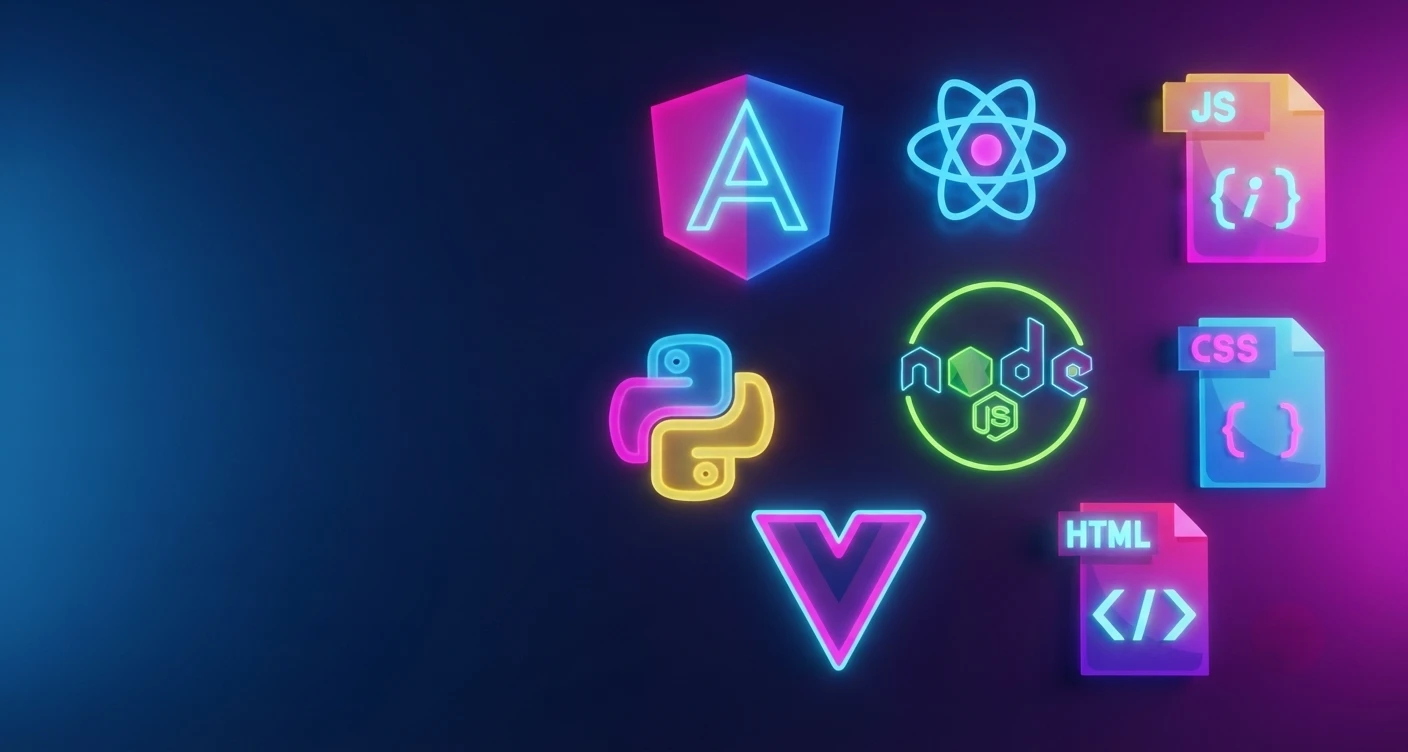
CustomSoftwareDevelopment5

Front-end Technologies

The front-end, often referred to as the client side, is the part of the software that users directly interact with. Here are some popular frontend technologies: React, Angular, and Vue.js offer pre-built components and functionalities, allowing developers to build complex UIs efficiently. 

HTML, CSS, and JavaScript: These are the fundamental building blocks of web pages. HTML provides structure, CSS styles the appearance, and JavaScript adds interactivity.

Back-end Technologies

The back-end, or server-side, handles the core logic and data processing of the software. Here are some common backend technologies: Languages like Python, Java, and Node.js are widely used for backend development, each offering its own strengths and use cases. 

Frameworks like Django (Python), Spring (Java), and Express.js (Node.js) provide structure and tools for building scalable and maintainable backend applications. 

Database Solutions

Databases store and manage the software’s data. Here are some popular options: 

Structured databases like MySQL, PostgreSQL, and SQL Server organize data in tables with rows and columns, making them ideal for storing and querying complex data sets. 

NoSQL Databases offer more flexibility for storing unstructured or semi-structured data, often used for big data or real-time applications (e.g., MongoDB, Cassandra). 

Integration APIs and Middleware

Modern software rarely exists in isolation. APIs (Application Programming Interfaces) and middleware facilitate communication and data exchange between different software components and external services:


  • APIs: Defined interfaces allow different applications to interact and share data in a secure and controlled manner. 
  • Middleware: Software that serves as a bridge between different systems, enabling them to exchange information seamlessly. 

Choosing the right technology stack (combination of technologies and frameworks) depends on the specific needs of the project. Factors like scalability, performance, security, and developer expertise all play a role in the decision-making process. 

Agile Methodologies in Custom Software Development

Custom software development often benefits from Agile methodologies. Agile approaches emphasize flexibility, collaboration, and iterative development, making them well-suited for projects with evolving requirements. Here’s a closer look at three popular Agile methodologies: 

Scrum

Scrum is a structured framework that breaks down development into short, iterative cycles called sprints (typically 1-4 weeks). Here’s the core of Scrum: 

  • Product Backlog: A prioritized list of features and functionalities for the software. 
  • Sprint Planning: Defining the work to be completed in the upcoming sprint. 
  • Daily Scrum Meetings: Short daily stand-up meetings for the team to discuss progress and identify roadblocks. 
  • Sprint ReviewShowcasing the completed work from the sprint and gathering feedback. 
  • Sprint Retrospective: Reflecting on the sprint and identifying areas for improvement. 

Scrum promotes close collaboration between the development team and the client, who can provide feedback and influence priorities throughout the development process. 

Kanban

Kanban is a visual method that focuses on continuous workflow management. Here’s how it works: 

  • Kanban Board: A visual board with columns representing different stages of development (e.g., To Do, In Progress, Done). 
  • Tasks: Represented as cards that move across the board as they progress through development. 
  • Work in Progress (WIP) Limits: Limiting the number of tasks in each stage to avoid bottlenecks and promote focus. 

Kanban offers a flexible approach, allowing for easy prioritization and adaptation to changes as they arise.

Lean Development

Lean development is a set of principles focused on minimizing waste and maximizing value delivered to the customer. It can be applied within Agile methodologies like Scrum and Kanban. Here are some core tenets of Lean: 

  • Eliminate WasteIdentify and remove any activities that don’t add value to the final product. 
  • Build Quality In: Prioritize quality throughout the development process to avoid rework. 
  • Continuous Improvement: Always strive to improve processes and identify ways to deliver faster and more efficiently. 

By applying Lean principles, custom software development becomes more efficient and delivers greater value to the client.

Importance of User Experience (UX) Design in Custom Software Development

A positive UX translates to happy users who are more likely to adopt, use, and recommend your software. Here’s how UX design plays a crucial role: 

 UX design follows a user-centered approach, putting the user’s needs and preferences at the forefront of the development process. This involves:

  • Understanding User Needs: Through research techniques like interviews, surveys, and user persona creation, the UX team gathers insights into user needs, goals, and pain points. 
  • Designing for Usability: The software should be intuitive and easy to use, with clear navigation, workflows, and visual elements that guide users efficiently. 
  • Enhancing User Satisfaction: The overall user experience should be positive and enjoyable, leaving users feeling productive and accomplished when using the software. 

By prioritizing user needs, UX design ensures the software is not just functional but truly user-friendly and enjoyable to interact with.

Wireframing and Prototyping

UX designers use wireframes and prototypes to visualize and test the software’s user interface (UI) before any coding begins:


  • Wireframes: Low-fidelity, skeletal layouts that focus on the overall structure and information hierarchy of the UI. 
  • Prototypes: More interactive representations of the UI that allow users to simulate interacting with the software and provide early feedback. 

These tools help identify usability issues early on, saving time and resources during development.

Usability Testing

Usability testing involves observing real users interacting with the software prototype or early versions of the software. This helps identify:


  • Usability problems: Areas where users struggle to navigate, find information, or complete tasks. 
  • User confusion: Unclear labels, icons, or workflows that lead to user frustration. 

Areas for improvement: Opportunities to refine the design and enhance the overall user experience.

Security Considerations in Custom Software Development

Data Encryption

Data encryption protects sensitive information by scrambling it into an unreadable format. It’s applied in two key areas: 

  • Data at Rest: Encrypting stored data on databases and servers to prevent unauthorized access in case of breaches. 
  • Data in Transit: Encrypting data transmission between users and the software to prevent interception during network communication. 

Strong encryption algorithms and proper key management ensure effective data protection. 

Authentication and Authorization

Authentication confirms users’ identities, while authorization controls their access to software features:


  • Authentication Methods: Secure methods like passwords, multi-factor authentication (MFA), or single sign-on (SSO) verify user identities. 
  • Authorization Levels: User roles with varying access levels to data and features are defined based on the principle of least privilege. 

Implementing robust authentication and authorization mechanisms restricts access to sensitive data and features to authorized users. 

Cost and Resource Management in Custom Software Development

Regular Security Audits

Regular security audits identify and address vulnerabilities introduced during development:


  • Penetration Testing: Simulated attacks uncover weaknesses in the software’s security. 
  • Vulnerability Scanning: Automated tools detect known vulnerabilities in libraries, frameworks, or coding practices. 
  • Security Code Reviews: Experts review code to identify security flaws and risky coding practices. 

By conducting regular audits, potential security risks are proactively addressed, enhancing the software’s resilience to attacks.

Budgeting for Custom Software Development

To ensure your custom software project stays within budget:


  • Define clear project requirements upfront to avoid cost overruns. 
  • Break down costs, including development, licensing, infrastructure, and maintenance. 
  • Utilize established cost estimation models like time and material or fixed cost. 
  • Allocate a contingency buffer for unexpected expenses. 

Resource Allocation

Efficient resource management is crucial:


  • Compose a development team with the right skills, considering in-house, outsourcing, or hybrid options. 
  • Assign tasks based on team members’ expertise to optimize efficiency. 
  • Promote clear communication and collaboration to prevent rework and align priorities. 
  • Utilize project management tools for tracking progress and adjusting resource allocation. 

Managing Time and Deadlines

Effective time management ensures timely project delivery:


  • Define project scope clearly to prevent feature creep and schedule delays.
  • Set realistic deadlines to avoid undue pressure on the team. 
  • Consider Agile methodologies like Scrum or Kanban for iterative development. 
  • Monitor progress regularly through meetings and project management tools to identify and address potential delays early on.

Future Trends in Custom Software Development

Artificial Intelligence and Machine Learning Integration

CustomSoftwareDevelopment6

Artificial Intelligence and Machine Learning can revolutionize custom software development by augmenting insights, decision-making, and system optimization. ML empowers applications to recognize patterns like images, voice, and user behavior, while AI enables 24/7 customer support through chatbots and enhances operational efficiency by executing tasks accurately. In critical situations, AI swiftly analyzes data, facilitating rapid and informed decision-making. These technologies promise to fundamentally transform how businesses operate and interact with their customers. 

Internet of Things (IoT) Solutions

In 2024, one of the leading emerging trends in software development is the proliferation of the Internet of Things (IoT). This technology facilitates connectivity and data exchange among physical devices, vehicles, buildings, and more. Edge computing complements IoT by processing data closer to its source, reducing latency and enhancing performance. As the number of IoT devices rises, ensuring their security and data protection becomes paramount. This necessitates the implementation of robust communication protocols, data encryption, and stringent device management to safeguard against cyberattacks. 

Blockchain Technology in Custom Software

Blockchain, originating as the foundation of cryptocurrencies like Bitcoin, has expanded beyond finance and is gaining traction in diverse sectors, including software development. While still in early adoption, it’s a trend worth monitoring. In custom software development, blockchain is applied in supply chain management, identity verification, digital rights management, and other areas. Its decentralized structure guarantees secure data storage and transactions, making it invaluable for critical applications.  

How Can Experion Help You with Custom Software Development?

Custom software development is just one slice of the pie when it comes to what we offer. Being a leading custom software development firm, Experion is dedicated to understanding your business objectives, your audience’s needs, and the technical landscape. Together, we’ll create a roadmap focused on delivering maximum value to your organization. With our industry expertise and technical know-howwe’ll transform your goals into a concrete plan for a standout software solution. When it comes to building your software, we offer flexibility to adapt to your project requirements and preferences.  

TypeScript vs JavaScript: Choosing the Right Language

When it comes to software development and web development, choosing the right programming language can significantly impact the success and efficiency of your project. Two popular options in the realm of frontend and backend development are TypeScript and JavaScript. While they share similarities, they also have distinct features that cater to different development needs. Let’s delve into the comparison between TypeScript and JavaScript to help you make an informed decision for your next project. 

What is Typescript

TypeScriptvsJavaScript-ChoosingtheRightLanguage1

TypeScript, on the other hand, is a superset of JavaScript developed by Microsoft. It extends JavaScript by adding static typing to the language, enabling developers to catch errors early in the development process. TypeScript compiles down to plain JavaScript, which means that any JavaScript code is also valid TypeScript code. This makes it seamlessly integrable into existing JavaScript projects, allowing developers to gradually adopt TypeScript without rewriting their entire codebase. 

Benefits of Typescript

  1. Static Typing – One of the most significant benefits of TypeScript is its static typing system. Unlike JavaScript, where variable types are determined dynamically at runtime, TypeScript allows developers to define types for variables, function parameters, and return values. This static typing enables early error detection during development, leading to more robust and maintainable code. It also enhances code readability and provides better documentation, making it easier for developers to understand and work with large codebases 
  2. Improved Code Quality – With its static typing and advanced type inference capabilities, TypeScript helps improve overall code quality. By catching type-related errors at compile-time, developers can prevent common bugs and ensure code correctness before deploying it to production. Additionally, TypeScript’s strict mode provides further safeguards against potentially unsafe or ambiguous code constructs, resulting in cleaner and more reliable code. 
  3. Enhanced Tooling Support – TypeScript comes with a rich set of development tools and integrations that enhance the developer experience. Popular code editors like Visual Studio Code provide robust support for TypeScript, offering features such as IntelliSense, code navigation, and refactoring tools. These tools improve productivity by providing real-time feedback, auto-completion suggestions, and quick fixes, allowing developers to write code more efficiently and with fewer errors. 
  4. Better IDE Integration – TypeScript seamlessly integrates with popular IDEs and development environments, offering native support for features like code navigation, debugging, and code formatting. This tight integration ensures a smooth development workflow and facilitates collaboration among team members. Whether you’re working on frontend or backend code, TypeScript’s IDE support streamlines development tasks and accelerates the iteration process. 
  5. Strong Ecosystem – TypeScript benefits from a robust ecosystem of libraries, frameworks, and tools that cater to various development needs. Many popular JavaScript libraries and frameworks, such as React, Angular, and Vue.js, provide first-class support for TypeScript, allowing developers to leverage its benefits in their projects seamlessly. Additionally, TypeScript’s compatibility with existing JavaScript codebases makes it easy to adopt and integrate into both new and existing projects without requiring a complete rewrite. 
  6. Future-proofing – As web applications continue to grow in complexity and scale, the demand for more robust and maintainable code solutions increases. TypeScript offers a forward-looking approach to web development, providing features and capabilities that align with modern development practices and industry standards. By embracing TypeScript, developers can future-proof their codebases and ensure long-term maintainability and scalability.   

What is JavaScript

JavaScript, often dubbed as the “language of the web,” has been a staple in web development for decades. It’s a versatile scripting language that allows developers to create dynamic and interactive web pages. JavaScript is primarily used for frontend development to add interactivity and behavior to websites. It’s supported by all major web browsers, making it a universal choice for web development projects. 

People get impatient and they get tempted by things like you know Windows on the PC and you will think the web will die in every 10 years and it doesn’t, it just keeps going…” – Brendan Eich, Creator of JavaScript and co-founder of Mozilla and Brave

Benefits of JavaScript

  1. Cross-platform Compatibility – One of the standout advantages of JavaScript is its cross-platform compatibility. JavaScript code runs on all major web browsers, including Chrome, Firefox, Safari, and Edge, as well as on various operating systems like Windows, macOS, and Linux. This ubiquity ensures that web applications built with JavaScript can reach a wide audience without compatibility issues, providing a seamless user experience across different devices and platforms. 
  2. Client-Side Interactivity – JavaScript empowers developers to create highly interactive and responsive user interfaces on the client-side. With features like DOM manipulation, event handling, and AJAX requests, JavaScript enables developers to build dynamic web pages that respond to user actions in real-time. This interactivity enhances user engagement and provides a more immersive browsing experience, leading to increased user satisfaction and retention. 
  3. Rich Ecosystem of Libraries and Frameworks – JavaScript boasts a vast ecosystem of libraries, frameworks, and plugins that streamline development tasks and accelerate the creation of web applications. Popular libraries like jQuery simplify DOM manipulation and provide cross-browser compatibility, while frameworks like React, Angular, and Vue.js offer robust solutions for building scalable and maintainable frontend applications. These tools empower developers to leverage pre-built components, modules, and utilities, reducing development time and effort significantly. 
  4. Server-Side Development with Node.js – JavaScript’s versatility extends beyond the client-side to server-side development with Node.js. Node.js allows developers to build fast and scalable server applications using JavaScript, leveraging the same language and skill set across the entire stack. This unified development approach fosters code reuse, simplifies project maintenance, and enables full-stack developers to work seamlessly across frontend and backend components. 
  5. Rapid Prototyping and Iteration – JavaScript’s lightweight syntax and dynamic nature make it ideal for rapid prototyping and iterative development. With its interpreted nature and loose typing system, developers can quickly write and test code without the need for lengthy compilation or strict type declarations. This agility facilitates rapid iteration and experimentation, enabling developers to iterate on features, gather feedback, and make improvements iteratively. 
  6. Community Support and Continuous Innovation – JavaScript benefits from a vibrant and active community of developers, enthusiasts, and contributors who continuously push the boundaries of web development. From open-source projects and online forums to developer meetups and conferences, the JavaScript community fosters collaboration, knowledge sharing, and innovation. This collective effort drives the evolution of JavaScript and ensures that developers have access to the latest tools, techniques, and best practices in web development. 

Difference between TypeScript and JavaScript

  1. Typing System – JavaScript is dynamically typed, meaning variable types are determined at runtime. This provides flexibility but can also lead to potential errors, especially in larger codebases where type mismatches may occur. TypeScript, on the other hand, is statically typed. It introduces a type system that allows developers to define types for variables, function parameters, and return values. This helps catch errors at compile-time, leading to more robust and maintainable code. 
  2. Tooling and Development Experience – JavaScript has a wide range of tools and frameworks available for development, but its development experience may vary depending on the chosen toolset. While there are IDEs and text editors with JavaScript support, they may not offer the same level of features and integrations as those for TypeScript. TypeScript provides a richer development experience with features like code navigation, intelligent code completion, and refactoring tools. It is well-supported by popular code editors like Visual Studio Code, which offer extensive TypeScript support out of the box. TypeScript’s tooling ecosystem enhances productivity and code quality, particularly in larger projects. 
  3. Adoption and Compatibility –JavaScript is universally supported by all major web browsers, making it a ubiquitous choice for web development. It has a vast ecosystem of libraries, frameworks, and resources that cater to various development needs. JavaScript code can also be easily integrated with existing projects without requiring additional setup.  TypeScript is a superset of JavaScript, which means any valid JavaScript code is also valid TypeScript code. This makes it easy to adopt TypeScript gradually in existing projects or alongside JavaScript codebases. TypeScript is also supported by major JavaScript libraries and frameworks, allowing developers to leverage its benefits without significant changes to their existing workflows. 
  4. Error Handling and Debugging –In JavaScript, errors are often caught at runtime, which can sometimes lead to unexpected behavior or crashes. Debugging JavaScript code may require manual inspection or the use of browser developer tools to identify and fix errors. TypeScript’s static typing system helps catch errors early in the development process, reducing the likelihood of runtime errors. Additionally, TypeScript’s compiler provides detailed error messages and warnings, making it easier to debug code and identify potential issues before deployment. 
  5. Learning Curve –JavaScript has a relatively low barrier to entry, making it accessible to beginners and experienced developers alike. Its dynamic nature allows for quick experimentation and learning, which can be advantageous for newcomers to web development. TypeScript introduces additional concepts such as static typing and type annotations, which may have a steeper learning curve for developers unfamiliar with statically typed languages. However, TypeScript’s gradual adoption approach allows developers to learn and apply TypeScript features incrementally as they become more comfortable with the language. 

TypeScript vs JavaScript: When to Choose What

When it comes to selecting between TypeScript and JavaScript for your web development projects, understanding the strengths and use cases of each language is crucial. Let’s explore when it’s best to choose JavaScript and when TypeScript might be the more suitable option. 

When to Choose TypeScript

  • Large-Scale Projects – TypeScript shines in large-scale projects where code maintainability, scalability, and long-term stability are essential. Its static typing system allows developers to catch errors early in the development process, leading to more robust and maintainable codebases. TypeScript’s type annotations provide clarity and documentation, making it easier to understand and reason about code, particularly in complex projects with multiple contributors. 
  • Type Safety – For projects where type safety is critical, such as applications with strict data validation requirements or high-security standards, TypeScript offers significant advantages over JavaScript. Its static typing system helps prevent common errors and ensures type consistency throughout the codebase, reducing the likelihood of runtime errors and improving overall reliability. 
  • Enhanced Tooling Support – TypeScript’s rich ecosystem of development tools and integrations makes it well-suited for projects that require advanced tooling support. IDEs like Visual Studio Code offer extensive TypeScript support, including features like code navigation, intelligent code completion, and refactoring tools. These tools enhance developer productivity and code quality, particularly in larger and more complex projects. 
  • Team Collaboration – When working in a team environment, the choice between TypeScript and JavaScript may also depend on factors such as team expertise and familiarity with the language. If the team is already proficient in JavaScript and comfortable with its dynamic nature, sticking with JavaScript may be preferable. However, for teams working on large-scale projects or projects with strict requirements for type safety and code maintainability, adopting TypeScript can streamline collaboration and ensure consistency across the codebase. 
  • Project Requirements – Ultimately, the decision between TypeScript and JavaScript should be based on the specific requirements of your project. Consider factors such as project size, complexity, scalability needs, team expertise, and development goals when choosing the appropriate language. Whether you opt for the flexibility of JavaScript or the type safety and tooling support of TypeScript, both languages offer unique advantages that can empower you to build robust and innovative web applications. 

When to Choose JavaScript

  • Quick Prototyping – JavaScript shines when it comes to rapid prototyping and quick iterations. Its dynamically typed nature allows for flexible and agile development, making it an excellent choice for projects where speed is paramount. JavaScript’s simplicity and straightforward syntax enable developers to prototype ideas rapidly without the overhead of type annotations or strict typing rules. 
  • Simplicity – For smaller projects or tasks that don’t require complex type systems or advanced tooling, JavaScript’s simplicity may be preferred. Its lightweight nature and minimal setup make it easy to get started with, particularly for beginners or developers who prioritize simplicity and ease of use over advanced features. 

Use Cases for TypeScript

  • Enterprise Applications – TypeScript is an excellent choice for building large-scale enterprise applications where reliability, scalability, and long-term maintainability are paramount. Its static typing system enables developers to catch errors early in the development process, reducing the risk of runtime issues and ensuring code consistency across the project. 
  • High-traffic Websites – Websites with high traffic and complex functionality can benefit from TypeScript’s type safety and enhanced tooling support. By leveraging TypeScript’s static typing system and robust ecosystem of development tools, developers can build resilient and performant web applications capable of handling large volumes of traffic and user interactions. 
  • Financial Applications – Applications dealing with financial data or transactions require a high degree of accuracy and security. TypeScript’s static typing system helps prevent common errors and ensures type consistency throughout the codebase, reducing the risk of financial errors or vulnerabilities. Additionally, TypeScript’s type annotations provide clear documentation, making it easier to audit and maintain financial applications over time. 
  • Collaborative Projects – In projects with multiple contributors and a high degree of complexity, TypeScript’s static typing system and clear type annotations facilitate collaboration by providing a common language and set of conventions for developers to work with. This consistency in code style and structure streamlines communication and ensures code quality across the team. 

Use Cases for JavaScript

  • Prototyping and Proof of Concepts – JavaScript’s dynamic nature and lightweight syntax make it ideal for rapid prototyping and proof of concepts. Startups and small teams can quickly iterate on ideas and experiment with different features without the overhead of type annotations or strict typing rules. 
  • Single Page Applications (SPAs) – JavaScript is well-suited for building single page applications (SPAs) that require dynamic user interfaces and seamless client-side interactions. With frameworks like React, Angular, and Vue.js, developers can leverage JavaScript’s flexibility to create rich and responsive web applications that deliver a superior user experience. 
  • Interactive Web Elements – JavaScript is commonly used to add interactivity and behavior to web pages, such as form validation, animations, and event handling. Its versatility and compatibility with all major web browsers make it a popular choice for enhancing the user experience and creating engaging web content. 
  • Cross-platform Mobile Development – JavaScript frameworks like React Native and Ionic enable developers to build cross-platform mobile applications using JavaScript. By sharing code between web and mobile platforms, developers can streamline development efforts and reach a broader audience with their applications. 

By considering these use cases and evaluating the specific requirements of your project, you can make an informed decision about whether TypeScript or JavaScript is the right choice for your development needs. Whether you prioritize type safety and code maintainability or rapid prototyping and flexibility, both languages offer unique advantages that can empower you to build successful web applications. 


Will TypeScript Replace JavaScript

The emergence of TypeScript has sparked debates about its potential to replace JavaScript altogether. Let’s explore two contrasting theories regarding the future relationship between TypeScript and JavaScript. 

Replacement Theory

Advocates of the replacement theory believe that TypeScript’s advanced features, particularly its static typing system and enhanced tooling support, position it as a superior alternative to JavaScript. They argue that TypeScript’s ability to catch errors at compile-time rather than runtime, along with its seamless compatibility with existing JavaScript codebases, makes it an attractive option for developers seeking robust and maintainable solutions. 

Proponents of this theory envision a future where TypeScript gradually supplants JavaScript as the dominant language for web development. As TypeScript gains traction and adoption, developers may increasingly turn to TypeScript for new projects, leveraging its benefits to improve code quality, productivity, and long-term maintainability. Over time, JavaScript could become less prevalent in favor of TypeScript, especially in contexts where type safety and scalability are paramount. 


Coexistence Theory

Conversely, proponents of the coexistence theory argue that TypeScript and JavaScript serve distinct purposes and have their own strengths and weaknesses. They advocate for a harmonious coexistence between the two languages, recognizing that each has its place in the development ecosystem. 

According to this theory, TypeScript excels in specific use cases such as large-scale projects requiring type safety and code maintainability. However, JavaScript remains a versatile and lightweight option suited for quick prototyping, smaller projects, and scenarios where flexibility is prioritized. Rather than replacing JavaScript outright, TypeScript will coexist alongside it, with developers choosing the appropriate language based on the unique requirements of each project. 

In this scenario, TypeScript serves as a complementary tool rather than a direct replacement for JavaScript. Developers have the flexibility to leverage either language depending on the project’s needs, allowing them to strike a balance between type safety, productivity, and agility. 

Conclusion

The choice between TypeScript and JavaScript is not merely a matter of preference but rather a strategic decision influenced by project requirements, team expertise, and long-term goals. Both TypeScript and JavaScript offer unique benefits and cater to different development needs, making them invaluable tools in a developer’s toolkit. 

TypeScript, with its static typing system, enhanced tooling support, and focus on code maintainability, shines in large-scale projects where reliability and scalability are paramount. Its ability to catch errors early in the development process and its seamless integration with existing JavaScript codebases make it an attractive choice for teams seeking to build robust and maintainable applications. 

On the other hand, JavaScript’s versatility and simplicity make it ideal for rapid prototyping, quick iterations, and smaller projects where speed and agility are prioritized. Its widespread adoption, rich ecosystem of libraries and frameworks, and cross-platform compatibility ensure that JavaScript remains a ubiquitous choice for web development. 

As for the debate over whether TypeScript will replace JavaScript, it’s evident that both languages have their place in the development ecosystem. While some advocate for TypeScript as a potential successor to JavaScript, others argue for their coexistence, recognizing the strengths and use cases of each language. Whether TypeScript eventually supplants JavaScript or not, what remains certain is the importance of choosing the right tool for the job and adapting to the evolving needs of the development community. 

Key Takeaways

  • Consider project requirements – Choose TypeScript for large-scale projects requiring type safety and code maintainability, while JavaScript may be more suitable for quick prototyping and smaller projects. 
  • Leverage TypeScript’s benefits – Utilize TypeScript’s static typing system, enhanced tooling support, and strong ecosystem for improved code quality and developer productivity. 
  • Embrace JavaScript’s versatility – Harness JavaScript’s cross-platform compatibility, client-side interactivity, and rich ecosystem of libraries and frameworks for building dynamic and interactive web applications. 
  • Recognize coexistence – Acknowledge that TypeScript and JavaScript can complement each other, with developers choosing the appropriate language based on project needs and team expertise. 
  • Stay adaptable – Keep abreast of developments in both TypeScript and JavaScript ecosystems, adapting strategies and tools as needed to meet the evolving demands of web development. 

Angular vs React

Every software development project begins with a single question: which framework will bring my vision to life? Whether you’re a seasoned developer tackling a new challenge or an entrepreneur with no clue about how your goal is going to be achieved, the choice between Angular and React matters. Angular and React, two popular JavaScript frameworks for building front-end web applications, have notable differences. Each framework offers its own set of advantages and challenges, making it crucial to choose wisely based on the specific needs of your project. This is where the debate between Angular and React becomes real. It’s not just about code and syntax; it’s about making a strategic decision that will impact the success of your project. In this article, we’ll explore the key considerations when choosing between Angular and React. Whether you’re embarking on a new venture or looking to enhance an existing project, our aim is to equip you with the insights necessary to make a well-informed decision.

What is Angular

AngularvsReact1

Angular is a platform and framework designed for constructing single-page client applications utilizing HTML and TypeScript. Angular streamlines the development process of single-page applications by providing a structured framework with powerful features for building interactive and dynamic user interfaces. It serves as the foundation for building exceptional web applications by employing core concepts such as components, services, templates, directives, data binding, dependency injection, and routing.

Angular, developed by Google, has indeed become a dominant force in the field of front-end development. Its robust architecture, comprehensive features, and strong backing from a tech giant like Google have propelled it to the forefront of web development frameworks.

Benefits of Angular

  • Cross-Platform Development Enabled by Modular Architecture: Angular’s ability to develop cross-platform applications is complemented by its modular architecture, which facilitates the creation of clean, reusable code bases, fostering collaboration among developers.
  • Efficient Two-Way Data Binding: Angular’s two-way data binding eliminates the hassle of manual synchronization between the model and view layers. This smooth interaction guarantees that alterations in the interface are immediately mirrored in the underlying data, simplifying development processes.
  • Dependency Injection for Modularity and Testability: Angular’s dependency injection system fosters component modularity and testability, enhancing maintainability and scalability and enabling teams to adapt swiftly to evolving requirements.
  • TypeScript for Code Quality and Productivity: TypeScript enhances code quality and developer productivity, catching errors early and ensuring robust applications.
  • MVVM Architecture for Separation of Concerns: Angular’s adoption of the MVVM architecture separates business logic from presentation, simplifying maintenance and testing and laying the foundation for sustainable development practices.
  • Visually Stunning Applications with FlexLayout and Angular Material: With features like FlexLayout and Angular Material, Angular can enable the creation of visually stunning and device-agnostic applications.
  • Solid Testing Support: Angular’s commitment to testing is solid, providing developers with built-in support for unit tests and end-to-end testing, empowering teams to deliver flawless applications.

What is React

AngularvsReact2

ReactJS, also referred to as React is a highly popular JavaScript library designed to create user interfaces. Developed by Facebook, it is widely used in web development to build dynamic and interactive applications. In this article, we will delve into the key concepts of React.

React employs an in-memory virtual DOM instead of directly manipulating the browser’s DOM. This virtual representation enables React to efficiently manage and optimize updates by minimizing direct manipulations to the browser’s DOM. As a result, React only alters what requires modification, enhancing its efficiency.

Benefits of React

  • Enhanced Speed: React’s architecture permits developers to leverage individual application parts on both the client and server sides. This streamlined approach accelerates the development process, allowing multiple developers to work on distinct components without affecting the application’s overall logic.
  • Flexibility: With its modular structure, React facilitates code maintenance and adaptability. This flexibility not only eases modifications but also reduces time and costs associated with updates, making it an attractive choice for those businesses that are seeking agility.
  • Optimized Performance: Engineered for high performance, React incorporates a virtual DOM program and server-side rendering. These features ensure swift execution, even in complex applications, contributing to an enhanced user experience.
  • Ease of Use: Deploying React is relatively straightforward, particularly for developers proficient in JavaScript. Its intuitive nature allows seasoned developers to grasp its intricacies swiftly, minimizing onboarding time and enabling rapid development cycles.
  • Component Reusability: A standout feature of React is its emphasis on component reusability. Developers can leverage pre-built components across various sections of the application, saving time and effort. Moreover, changes to one component do not propagate to others, ensuring modularity and ease of maintenance.
  • Mobile Application Development: React’s versatility extends beyond web development to encompass mobile native applications on both Android and iOS platforms. Facebook’s enhancements have made React a viable option for cross-platform mobile app development, streamlining the development process and reducing time-to-market.

Difference between Angular and React

AngularvsReact3

Angular vs React – Architecture

  • Angular’s architecture is centered around providing a comprehensive framework for building web applications. It offers a structured, opinionated approach, meaning it comes with built-in solutions for various aspects of development, such as components, dependency injection, routing, and more. This can be advantageous for larger teams or projects where consistency and maintainability are crucial.
  • React, on the other hand, takes a more lightweight approach, focusing primarily on the view layer of the application. It provides a JavaScript library for building UI components, allowing developers to choose their own tools and libraries for other functionalities like routing and state management. This flexibility can be advantageous for projects where customization and specific architectural choices are required.

Angular vs React – Language

  • Angular primarily uses TypeScript, a superset of JavaScript, which provides benefits such as better type safety and code organization. TypeScript is known for catching errors during development and improving the overall developer experience.
  • React primarily relies on JavaScript framework but offers the option to use TypeScript as well. This gives developers the freedom to choose the language that suits their preferences and project needs.

Angular vs React – Learning Curve

  • Angular tends to have a steeper learning curve compared to React due to its comprehensive nature and emphasis on TypeScript. Developers new to Angular may need time to grasp its concepts, such as modules, components, services, and dependency injection.
  • React, with its simpler and more lightweight approach, is generally easier to learn initially, especially for developers with a strong background in JavaScript. Its component-based architecture and declarative syntax make it more approachable for beginners.

Angular vs React – Scalability and Performance

  • Angular applications can scale well for complex enterprise applications, but they may suffer from performance issues due to the larger framework size and two-way data binding. However, with proper optimization techniques and architectural choices, Angular applications can still achieve good performance.
  • React is known for its performance optimizations and smaller bundle size, making it ideal for highly dynamic user interfaces. Its virtual DOM and one-way data flow contribute to efficient rendering and improved performance, especially for applications with frequent updates to the UI.

Angular vs React – Community and Ecosystem

  • Angular benefits from a large and active community supported by Google. This community provides extensive resources, including documentation, tutorials, and third-party libraries, contributing to a rich ecosystem. Developers can leverage these resources to streamline development and address challenges encountered during the project lifecycle.
  • React is supported by a large and lively community, bolstered by an expansive array of third-party libraries, tools, and resources. Its open-source nature fosters collaboration and innovation, leading to the development of a wide range of solutions for different use cases. This diverse ecosystem empowers developers to choose the best tools and libraries to suit their specific project needs

Angular vs React – Flexibility and Adaptability

  • Angular, with its structured and opinionated approach, offers less flexibility compared to React. While this can provide consistency and maintainability, it may require more effort to adapt to specific project requirements or integrate with other libraries and frameworks.
  • React’s modular nature and focus on the view layer make it highly flexible and adaptable. Developers have the freedom to choose the tools and libraries that best suit their needs, allowing for greater customization and integration possibilities. This flexibility enables developers to tailor solutions to fit unique project requirements and adapt to changing demands over time.

Angular vs React – Tooling and Development Experience

  • Angular provides a comprehensive set of tooling through the Angular CLI (Command Line Interface), offering features for scaffolding, building, testing, and deploying Angular applications. This integrated tooling streamlines the development process and ensures consistency across projects, enhancing the overall development experience.
  • React, on the other hand, requires developers to set up tooling with different libraries and configurations. While this may offer more flexibility and customization options, it also requires developers to make more choices and investments in setting up the development environment. However, React’s ecosystem provides a wide range of choices for tooling, allowing developers to tailor their workflow to their preferences and project requirements.

Angular vs React – Community Support and Updates

  • Angular benefits from strong community support and regular updates from Google. The Angular team provides a clear roadmap for future development, ensuring transparency and continuity for the framework. This ongoing support and guidance help developers stay up-to-date with the latest features, advancements, trends and best practices.
  • React enjoys massive community support from both Facebook and the broader open-source community. With frequent updates and contributions from developers worldwide, React evolves rapidly to address emerging trends and challenges in web development. This fast-moving ecosystem ensures that React remains relevant and competitive in the ever-changing landscape of front-end development.

Angular vs React – Industry Adoption

  • Angular is well-suited for building large-scale, complex single-page applications (SPAs) and enterprise web applications. Its comprehensive framework and robust features make it an attractive choice for organizations requiring scalability, maintainability, and long-term support. Angular is widely adopted across various industries and is used by companies such as YouTube, Upwork, and Forbes.
  • React is ideal for building interactive user interfaces, SPAs, and mobile applications. Its component-based architecture and declarative syntax promote code reusability, modularity, and maintainability, making it suitable for projects with dynamic UI requirements. React is widely adopted by tech giants such as Facebook, Netflix, and Instagram, showcasing its versatility and effectiveness in different use cases and industries.

Angular vs React: When to Choose What

The choice between Angular and React depends on factors like project requirements, the expertise of your team, development preferences, and industry standards. Let’s analyze a few aspects:

Angular vs React – Project Complexity

  • For complex projects requiring intricate logic and data flow, Angular shines with its structured approach and built-in features. Its comprehensive framework is well-suited for handling the demands of large-scale applications.
  • On the other hand, for simpler projects or prototypes, React’s lightweight nature and flexibility make it an ideal choice. Its component-based architecture allows for rapid development and iteration, making it suitable for smaller-scale endeavors.

Angular vs React – Development Team Expertise

  • Teams familiar with TypeScript will find Angular to be a natural fit, as it heavily leverages TypeScript for type safety and code organization. Angular’s use of TypeScript enhances development efficiency and reduces the likelihood of errors.
  • For teams with strong JavaScript knowledge, React offers an easier learning curve. Its optional adoption of TypeScript allows teams to transition gradually, making it accessible to developers with varying levels of experience.

Angular vs React – Time to Market

  • React’s simpler initial setup and lightweight nature enable faster development, making it a preferred choice for projects with tight deadlines or a need for rapid prototyping. Its ease of use allows teams to iterate quickly and get projects up and running in less time.
  • While Angular’s initial setup may take longer due to its structured nature, its clear architecture promotes cleaner code and easier long-term maintainability. Choosing Angular may result in a longer time to market initially but can pay off in the form of reduced technical debt and smoother maintenance over time.

Angular vs React – Flexibility and Customization

  • React offers high flexibility and customization options, allowing developers to choose specific libraries and tailor the architecture to suit project requirements. This flexibility empowers teams to create solutions that are precisely tailored to their needs.
  • Angular, with its structured approach, provides a well-defined architecture that reduces the need for customization but may limit flexibility. While this can streamline development and promote consistency, it may require more effort to adapt to specific project requirements.

Angular vs React – Performance Requirements

  • For projects with highly dynamic user interfaces, React’s performance optimizations make it an excellent choice. Its virtual DOM and efficient rendering engine ensure smooth performance even in applications with frequent UI updates.
  • While Angular can handle significant data sets well, React might be preferable for extreme performance needs, especially when fine-tuned for specific use cases. Both frameworks can deliver satisfactory performance, but React’s optimizations may offer an edge in highly demanding scenarios.

Angular vs React – Community and Ecosystem Support

Both Angular and React boast large, active communities supported by industry giants such as Google and Facebook, respectively. These communities provide extensive resources, libraries, and tools, ensuring that developers have access to the support they need to build successful projects.

Angular vs React – Long-Term Maintenance and Support

  • Angular’s clear structure promotes easier long-term maintenance by providing a well-defined architecture and coding conventions. Teams can navigate codebases more efficiently, reducing the likelihood of errors and technical debt over time.
  • While React has a massive community, finding highly skilled developers for long-term maintenance may be easier with Angular due to its more structured approach. However, both frameworks offer robust support and resources for ongoing maintenance and support.

While Angular offers a structured and opinionated approach, React provides greater flexibility and adaptability, allowing developers to tailor solutions to specific needs and leverage the strengths of each framework to deliver high-quality web applications.

Specific Use Cases

Here are ten use cases that demonstrate how Angular and React can be leveraged to address specific development needs, whether it’s building complex enterprise applications, dynamic e-commerce platforms, or immersive data visualization tools. By understanding the unique strengths and features of each framework, developers can make the right decisions when choosing the right technology stack for their projects.

  1. Large Enterprise Application (Angular): Building a complex web application for a company like a CRM (Customer Relationship Management) system or an internal dashboard requires a robust framework like Angular. Its opinionated structure and built-in features, such as modules, services, and dependency injection, provide a solid foundation for managing large-scale projects. Angular’s two-way data binding and powerful CLI (Command Line Interface) simplifies development tasks, while its TypeScript support ensures type safety and enhanced code maintainability. Moreover, Angular’s scalability makes it suitable for accommodating growing business needs and handling intricate data flows within enterprise applications.
  2. E-commerce Platform (React): Creating a dynamic and user-friendly online store demands a framework like React, known for its flexibility and component-based architecture. React’s declarative approach allows developers to compose UI elements into reusable components, facilitating the creation of customizable and interactive shopping experiences. Features like React Hooks enable state management and side-effect handling, essential for implementing functionalities like smooth product filtering and interactive add-to-cart actions. Furthermore, React’s ecosystem offers a wide range of libraries and tools, such as Redux for managing complex application state, making it an ideal choice for building modern e-commerce platforms.
  3. Social Media App (React): Developing a social media platform necessitates a framework capable of handling real-time updates and user interactions seamlessly. React’s virtual DOM efficiently reconciles UI changes, ensuring a smooth and responsive user experience in dynamic applications like social media platforms. With React’s component-based architecture, developers can create reusable UI components for features such as news feeds, notifications, and messaging systems. Additionally, React’s ecosystem includes libraries like React Router for managing application navigation and Redux or MobX for state management, empowering developers to build feature-rich social media apps with ease.
  4. Single-Page Application with Offline Functionality (Angular): Building a complex Single-Page Application (SPA) that remains functional even without an internet connection requires a framework like Angular, equipped with features for offline support. Angular’s service worker support enables developers to implement progressive web app (PWA) features, such as caching resources and handling network requests, ensuring a seamless user experience even in offline mode. Additionally, Angular’s dependency injection mechanism facilitates modular development and testing, essential for building robust SPAs with offline functionality.
  5. Progressive Web App (PWA) (Both): Creating a web app that feels native and can be installed on a user’s device for offline access is achievable with both Angular and React. Angular offers a structured approach to building PWAs, leveraging features like service workers and Angular Universal for server-side rendering to enhance performance and reliability. On the other hand, React provides flexibility in adopting PWA features, allowing developers to choose from a variety of libraries and tools, such as Workbox for service worker management and Next.js for server-side rendering. Whether developers prefer Angular’s comprehensive ecosystem or React’s flexibility, both frameworks enable the creation of PWAs that deliver a native-like experience to users across different devices.
  6. Real-time Collaboration Tool (React): Developing a collaborative platform like a document editor or a shared whiteboard requires a framework capable of managing real-time updates and user interactions efficiently. React’s component-based architecture and virtual DOM make it well-suited for building responsive and interactive collaboration tools. Developers can leverage technologies like WebSockets or GraphQL subscriptions to enable real-time communication between clients and servers, ensuring seamless collaboration among users. Moreover, React’s state management solutions, such as Redux or React Context API, enable developers to synchronize application state across multiple clients, facilitating real-time collaboration in complex web applications.
  7. Interactive Data Visualization Tool (Both): Building dashboards or charts to display complex data in an engaging way is achievable with both Angular and React. While both frameworks offer capabilities for data visualization, React may be preferred for highly interactive and dynamic visualizations due to its virtual DOM and performance optimizations. Developers can leverage libraries like D3.js or Victory.js along with React to create custom data visualization components that respond quickly to user interactions. Additionally, Angular’s comprehensive ecosystem includes libraries like ngx-charts, providing ready-to-use components for building interactive data visualizations within Angular applications. Whether developers choose React for its flexibility or Angular for its structured approach, both frameworks enable the creation of immersive data visualization tools for various domains and industries.
  8. Content Management System (CMS) Backend (Angular): Developing the administrative backend of a CMS requires a structured approach to managing content and user roles effectively. Angular’s features like dependency injection, routing, and forms make it well-suited for building complex backend systems with a focus on scalability and maintainability. Developers can utilize Angular’s HttpClient module to interact with backend APIs, facilitating data retrieval and manipulation within CMS applications. Furthermore, Angular’s modularity enables developers to organize code into reusable modules, making it much easier to manage and extend the functionality of CMS backends overtime.
  9. Single-Page Game with Complex Mechanics (React): Creating a game with intricate rules and frequent UI updates demands a framework capable of handling dynamic content efficiently. React’s virtual DOM and performance optimizations make it a suitable choice for developing single-page games with complex mechanics. Developers can leverage React’s state management solutions, such as Redux or React Context API, to manage game state and synchronize UI updates across different components. Additionally, React’s component-based architecture allows developers to encapsulate game logic within reusable components, facilitating code maintenance and scalability as the game evolves.
  10. Mobile App (React Native): Building a native mobile app using React Native offers a familiar development experience for React developers while generating native code for iOS and Android platforms. React Native’s component-based architecture allows developers to reuse code across different platforms, reducing development time and effort. Moreover, React Native provides access to native APIs and components, enabling developers to create feature-rich mobile applications with native-like performance and user experience. With a vast ecosystem of libraries and tools, React Native empowers developers to build cross-platform mobile apps that leverage the strengths of React for frontend development.

Conclusion

In summary, there isn’t a definitive “best” choice between Angular and React. It’s crucial to assess your project’s requirements, your team’s skills, and your long-term objectives to make a well-informed decision that suits your needs and priorities. Both frameworks offer strengths and trade-offs, so consider factors such as the complexity of your project , the expertise of your development team, time to market, and specific use cases when making your decision.

A Holistic Approach for Low Carbon Emissions in the EU

Setting the Stage: EU’s Ambitious Targets and Protocols for Carbon footprint

Reducing carbon emissions stands as a critical imperative globally, with the European Union (EU) leading the charge by setting ambitious deadlines and stringent protocols. Recognizing the urgency of climate action, the EU has committed to achieving carbon neutrality by 2050, enshrined in various protocols such as the European Green Deal, CSRD, and the Effort Sharing Regulation.  

While these targets underscore the EU’s commitment to environmental stewardship, realizing them presents multifaceted challenges that demand innovative solutions. 

List of EU regulatory norms and their timelines  

Sl No: Regulation Description


Timelines
1. CSRD – Corporate Sustainability Reporting Directive Proposed extension of the Non-Financial Reporting Directive (NFRD), aiming to establish a common EU-wide standard for sustainability reporting. Proposed in 2021, expected to be adopted in 2023.
2.  EGD – European Green Deal A comprehensive plan for the EU to achieve climate neutrality by 2050, encompassing various initiatives across sectors. Launched in December 2019, with ongoing initiatives and long-term goals aiming for climate neutrality by 2050.
3. EU Taxonomy Regulation A framework classifying economic activities based on their environmental sustainability, guiding investments towards green projects. Adopted in 2020, with phased implementation starting in 2021.
4. SFDR – Sustainable Finance Disclosure Regulation Requires financial market participants to disclose the sustainability aspects of their investments, aiming to prevent greenwashing. Phased implementation started in March 2021.
5. EU Emissions Trading System (EU ETS) – Phase 4 The cornerstone of EU climate policy, setting a cap on greenhouse gas emissions for sectors like power generation and heavy industry. Phase 4 covers the period 2021-2030.
6. ESR Effort Sharing Regulation Establishes binding annual greenhouse gas emission targets for EU member states in sectors not covered by the EU ETS, such as transport and agriculture. Applies to the 2021-2030 period

A Strategic Approach to Emission Reduction

AHolisticApproachforLowCarbonEmissionsintheEU1

At the core of emission reduction efforts lies the necessity of conducting comprehensive carbon footprint assessments. Such assessments entail identifying and quantifying emissions across the entirety of the value chain. This foundational step facilitates the streamlining of processes, ensuring precise measurement of emissions. With accurate data in hand, companies can then employ tailored solutions that align with their specific industry or business model. These solutions not only aid in regulatory compliance but also provide insights to enhance internal and external operational sustainability. 

 Moreover, collaboration with suppliers and stakeholders is paramount, fostering collective efforts to reduce emissions throughout the value chain. By setting ambitious yet achievable reduction targets, implementing energy-efficient technologies, optimizing supply chain logistics, and investing in renewable energy sources, companies can navigate the path toward regulatory compliance while advancing sustainable practices. 

Challenges in Software Implementation for Emission Reduction

However, implementing software solutions to monitor and manage carbon emissions presents its own set of challenges. Data accuracy remains a persistent hurdle, particularly given the need for real-time data from diverse sources. Gathering and integrating such data, especially within complex supply chains, can prove daunting. 

The implementation process further requires overcoming integration challenges across various business units and legacy systems. This necessitates significant investments in technology upgrades and skilled professionals proficient in carbon accounting and reporting. 

Navigating the Solutions Implementation Maze

The software implementation process itself presents its own set of challenges. Integration across various business units and software systems requires a harmonized approach. Legacy systems may not be equipped to handle the demands of modern emission tracking, necessitating significant investments in technology upgrades. Moreover, the lack of skilled professionals in carbon accounting and reporting exacerbates the challenge, as companies struggle to find the expertise required for seamless software implementation. 


Despite these challenges, companies can embark on their journey towards carbon emissions compliance by adopting a strategic and phased approach. The correct expertise and experience can bring in a lot more clarity and churn out actionable strategies to curb these challenges.    

Strategic Software Implementation

Again, back to the realm of software solution implementation, companies must invest in user-friendly, integrated platforms that can seamlessly collect, analyze, and report emission data. Choosing software that aligns with emerging reporting standards and can adapt to future changes ensures long-term compliance and hassle-free assurance activities. Regular training programs for employees on the usage and importance of the software can enhance its effectiveness, reducing the chances of errors and ensuring a smooth transition. 

Moreover, collaboration with a solutions provider with ESG expertise in the industry and its associated activities can provide valuable insights and support. Participating initiatives focused on carbon reduction not only keep companies abreast of the latest “green” developments and regulatory norms but also foster a sense of shared responsibility and can later help them grow into a brand image that is associated with sustainability leadership, transparency and trust among stakeholders.  


Charting a Course to Carbon Emissions Compliance

In conclusion, while the challenges of reducing carbon emissions in the EU are formidable, they are not insurmountable. A strategic blend of comprehensive assessment, target setting, and investments in technology and human capital can pave the way for emission compliance. By embracing innovation and collaboration, companies can navigate the complexities of emission reduction, contributing to a greener, more sustainable future. Furthermore, while these efforts may not always align with traditional business models, they can lead to increased returns in the long run through improved efficiency, reduced operational costs, and enhanced brand reputation. 

Reference

What is API Integration? The Complete Guide

Understanding API integration is the key to unlocking a seamless experience in a digital world where software tools reign supremeAPI integration plays a pivotal role in creating cohesive and efficient systems. Whether it’s leveraging API data integration to synchronize information across platforms or utilizing custom API integration services to tailor solutions to unique needs, businesses are increasingly turning to this technology to streamline operations. With the rise of Ecommerce microservices architecture, the demand for seamless API integration has only intensified as companies seek to integrate diverse services and functionalities into a unified ecosystem. From inventory management to customer relationship management, the possibilities are endless with API integration as it empowers businesses to adapt and thrive digitally. But what exactly is an API, and how does it work?  

What is API Integration?

WhatisAPIIntegration-TheCompleteGuide1

An API, or ‘Application Programming Interface, is a fundamental concept in modern software development, enabling different applications, systems, and services to communicate and work together seamlessly. An API should not be mistaken for a user interface (UI), which serves as the front-end interface overlaid on software, enabling users to issue commands to manipulate the application as desired. Put simply, UIs facilitate human interaction with software, while APIs facilitate machine-to-machine communication.  

Types of APIs for Integration

When integrating various software systems, two primary approaches are commonly used: RESTful APIs and SOAP APIs. 

RESTful APIs vs. SOAP APIs: A Comparison

RESTful APIs

Representational State Transfer (REST) APIs are a popular choice due to their simplicity and flexibility. These APIs utilize standard HTTP methods such as GET, POST, PUT, and DELETE to execute operations on resources. RESTful APIs follow a stateless, client-server architecture. Here, each request from the client contains all the information needed to process it without relying on server-side sessions. This architectural style allows for scalability and easier caching, making RESTful APIs ideal for web-based applications and services. 

SOAP APIs

Simple Object Access Protocol (SOAP) APIs are known for their robustness and adherence to standards. SOAP APIs use XML as the message format and HTTP or SMTP as the transport protocol. They offer built-in error handling and security features, making them suitable for enterprise-level integrations where reliability and transactional integrity are paramount. However, SOAP APIs can be more difficult to implement and require additional overhead due to the XML parsing involved. 

GraphQL APIs: Advantages and Use Cases

While RESTful and SOAP APIs have been the go-to choices for many integration scenarios, a newer player has emerged in recent years: GraphQL APIs. GraphQL, a query language for APIs developed by Facebook, empowers clients to request precisely the data they require in a single query. Unlike RESTful APIs, which often require multiple endpoints to fetch related data, GraphQL allows clients to specify their data requirements upfront, leading to more efficient and predictable data fetching. This fine-grained control over data retrieval makes GraphQL APIs particularly well-suited for mobile applications and complex data fetching scenarios. 

Challenges in API Integration

Integrating different systems through APIs can be a powerful way to enhance functionality and streamline processes. However, it also comes with its own set of challenges that developers must navigate. 

Data Mapping and Transformation Challenges

One of the primary challenges in API integration is ensuring that data exchanged between systems is properly mapped and transformed. This involves converting data formats, reconciling differences in data structures, and handling data validation and normalization. Data mapping and transformation can become particularly complex when integrating systems with disparate data models or when dealing with large volumes of data. Addressing these challenges requires careful planning, robust data mapping strategies, and effective error handling mechanisms. 

Authentication and Authorization Issues

Another significant challenge in API integration is managing authentication and authorization. Ensuring that APIs are secure against unauthorized access and restricting access to protected resources to authenticated users are crucial steps in safeguarding sensitive data and upholding system integrity. However, implementing authentication and authorization mechanisms can be complex, especially in distributed systems with multiple endpoints and diverse user roles. Developers must choose appropriate authentication methods, such as OAuth or API keys, and implement robust authorization policies to control access to API resources effectively.  

Strategies for Successful API Integration

Effective API integration requires careful planning, implementation, and management. By adopting the right strategies, developers can streamline the integration process and ensure the successful operation of their systems. 

Choosing the Right Integration Patterns

Selecting the appropriate integration patterns is crucial for ensuring seamless communication between systems. Whether it’s point-to-point integration, publish-subscribe models, or event-driven architectures, each integration pattern offers distinct advantages and considerations. By analyzing system requirements, scalability needs, and data flow characteristics, developers can choose the integration patterns that best suit their use case. Additionally, leveraging standardized integration patterns and industry best practices can simplify development, reduce complexity, and promote interoperability between systems. 

Implementing Error Handling and Recovery Mechanisms

Error handling and recovery mechanisms are essential components of robust API integration solutions. Despite careful planning and testing, errors and failures can occur during the integration process due to various factors such as network issues, data inconsistencies, or system failures. Implementing comprehensive error handling mechanisms, including proper error logging, error codes, and error recovery strategies, can help mitigate the impact of failures and ensure the resilience of integrated systems. Additionally, incorporating retry logic, fallback mechanisms, and circuit breaker patterns can improve system reliability and fault tolerance, enabling applications to gracefully recover from errors and maintain continuity of service. 

Security Considerations in API Integration

Ensuring the security of API endpoints is paramount for safeguarding sensitive data and protecting against unauthorized access and malicious attacks. By implementing robust security measures, developers can mitigate risks and build trust with users and stakeholders. 

Best Practices for Securing API Endpoints

Securing API endpoints involves implementing a combination of authentication, authorization, encryption, and other security measures to protect against common threats such as data breaches, injection attacks, and unauthorized access. Best practices for securing API endpoints include:


  • By implementing strong authentication mechanisms, such as OAuth or API keys, to verify the identity of clients accessing the API, we can enforce access control policies that restrict access to sensitive resources based on user roles and permissions. 
  • Using http encryption to encrypt data transmitted between clients and servers and prevent eavesdropping and tampering. 
  • Validating input data and sanitizing user inputs to prevent injection attacks and other forms of exploitation. 
  • Regularly updating and patching APIs to address security vulnerabilities and mitigate emerging threats. 


Managing API Access and Permissions

  • Managing API access and permissions is essential for controlling access to sensitive data and resources and preventing unauthorized usage of APIs. Key considerations for managing API access and permissions include: 
  • Implementing granular access control mechanisms to enforce least privilege principles and limit access to only the necessary resources and operations. 
  • Using API keys, tokens, or other access tokens to authenticate and authorize clients accessing the API and track usage and activity. 
  • Regularly auditing and monitoring API usage and access patterns to detect and respond to suspicious activities and potential security breaches. 
  • Revoking access tokens and deactivating API keys for inactive or unauthorized users to prevent unauthorized access and protect against misuse. 

Testing and Monitoring API Integrations

Testing and monitoring are critical aspects of API integration, ensuring the reliability, performance, and functionality of integrated systems. By employing appropriate testing techniques and monitoring practices, developers can identify issues early, optimize performance, and maintain the health of their APIs. 

API Testing Techniques: Unit Testing vs. Integration Testing

API testing involves verifying that individual API endpoints and integrated systems function correctly and meet specified requirements. Two common testing techniques used in API integration are unit testing and integration testing. 

Unit Testing

Unit testing focuses on assessing individual components or units of code in isolation to confirm their expected behavior. In the context of API integration, unit testing may involve testing individual API endpoints, functions, or modules to validate their behavior and functionality. Unit tests typically focus on specific functionalities and use cases, allowing developers to detect and fix bugs early in the development process.

Integration Testing

Integration testing involves testing the interaction between different components or systems to verify that they work together as intended. In API integration, integration testing may involve testing the communication between API endpoints, validating data exchange, and verifying the behavior of integrated systems under various scenarios. Integration tests help ensure that APIs integrate seamlessly and function correctly in a real-world environment. 

Monitoring Performance and Reliability of Integrated APIs

Monitoring the performance and reliability of integrated APIs is essential for identifying bottlenecks, optimizing resource usage, and ensuring the availability and responsiveness of API endpoints. Key aspects of monitoring integrated APIs include: 

Performance Monitoring

Performance monitoring involves tracking key metrics such as response time, throughput, and error rates to assess the performance of API endpoints and identify performance bottlenecks. By monitoring performance metrics in real-time and over time, developers can identify trends, diagnose issues, and optimize the performance of integrated systems. 


Reliability Monitoring

Reliability monitoring involves monitoring the availability and uptime of API endpoints to ensure they remain accessible and responsive to client requests. Reliability monitoring tools can alert developers to downtime, outages, or performance degradation, allowing them to respond quickly and minimize service disruptions. 

Tools and Technologies for API Integration

Various tools and technologies are available to streamline the process of API integration, enabling developers to build robust, scalable, and interoperable systems. From integration platforms to API gateways, these solutions offer a range of features and potential to simplify integration workflows and manage APIs effectively. 

Integration Platforms as a Service (iPaaS)

Integration Platforms as a Service (iPaaS) are cloud-based platforms that facilitate the integration of different applications, data sources, and services. These platforms offer a wide range of tools and features for designing, deploying, and managing integrations, including: 

Connectors and Adapters

iPaaS platforms provide pre-built connectors and adapters for popular applications, databases, and services, allowing developers to easily connect and integrate disparate systems. 

Data Mapping and Transformation Tools

iPaaS platforms offer tools for mapping and transforming data from a format to other format and structures, enabling seamless data exchange between integrated systems.  

Workflow Orchestration

iPaaS platforms support workflow orchestration capabilities, allowing developers to design and automate complex integration workflows, including data synchronization, transformation, and routing. 

Monitoring and Management:

iPaaS platforms include monitoring and management tools for tracking integration performance, monitoring data flows, and managing API endpoints, enabling developers to identify issues and optimize integrations in real-time. 

API Gateways and Management Solutions

API gateways and management solutions provide centralized platforms for managing and securing APIs, controlling access, and monitoring API usage. These solutions offer a range of features and functionalities, including: 

API Lifecycle Management

API gateways and management solutions support the entire API lifecycle, from design and development to deployment and retirement, enabling developers to manage APIs effectively throughout their lifecycle. 

Security and Access Control

API gateways provide security features such as authentication, authorization, and encryption to protect APIs against unauthorized access and malicious attacks.

Traffic Management

API gateways enable developers to control and manage API traffic, including rate limiting, throttling, and caching, to optimize performance and ensure reliability. 

Monitoring and Analytics

API gateways offer monitoring and analytics capabilities for tracking API usage, performance, and health, providing insights into API usage patterns and identifying potential issues or bottlenecks. 

Use Cases and Examples of API Integration

API integration is vital for facilitating smooth communication and collaboration among diverse systems and services across multiple industries. Below are two common use cases and examples of API integration in e-commerce and social media applications: 

E-commerce: Integrating Payment Gateways and Shipping APIs

In the e-commerce industry, API integration is essential for enabling secure and efficient online transactions, managing inventory, and streamlining order fulfillment processes. One common use case of API integration in e-commerce is integrating payment gateways and shipping APIs. By integrating payment gateways such as PayPal, BillDesk, or Square, e-commerce platforms can securely process payments from customers and facilitate online transactions. Additionally, integrating shipping APIs such as UPS, FedEx, or USPS allows e-commerce platforms to calculate shipping costs, generate shipping labels, and track shipments in real-time, providing a seamless shopping experience for customers. 

Social Media: Integrating APIs for Social Login and Sharing Features

In the realm of social media applications, API integration enables users to interact with social media platforms seamlessly, share content, and authenticate users with social login features. For example, integrating APIs from platforms like Facebook, Twitter, or Google allows social media applications to offer social login options, enabling users to sign in to the app using their existing social media credentials. Additionally, integrating sharing APIs enables users to share content from the app directly to their social media profiles, increasing engagement and driving traffic to the application. 

Future Trends in API Integration

Emergence of Serverless Architecture: Serverless architecture, a form of cloud computing, eliminates the need for managing on-premise servers, allowing developers to focus on application development while reducing costs and enhancing efficiency. 

Expansion of API Management

With the surging popularity of APIs, there’s an increasing demand for robust API management tools to streamline tasks like monitoring API usage and managing access control, thereby automating processes and enhancing efficiency. 

API-as-a-Product Approach

Treating APIs as products rather than mere communication tools is gaining traction, offering varied API products tailored to specific applications or services, fostering innovation and catering to diverse user needs. 

Integration of Artificial Intelligence and Machine Learning

The integration of AI and ML in API development streamlines tasks such as documentation generation and usage trend monitoring, improving efficiency and resource allocation for businesses. 


Integration of APIs with Chatbots

The integration of APIs with chatbots facilitates natural human-computer interaction, enhancing user experience across various domains like customer service, sales, and marketing through automated conversational interfaces. 

Growth of the Internet of Things (IoT)

As IoT devices proliferate, APIs play a crucial role in connecting devices and sharing data, enabling seamless communication and interoperability in IoT ecosystems. 

Rise of Edge Computing

Edge computing brings computation and data storage closer to where it’s needed, enhancing performance and reducing latency, thereby optimizing resource utilization and minimizing costs. 

Advancement in API Analytics

API analytics provide insights into usage trends, errors, and performance improvements, leveraging big data to enhance API performance, scalability, and overall efficiency. 


Focus on API Security

As the number of APIs increases, ensuring API security is paramount, involving measures like authentication, authorization, and rate-limiting to safeguard against unauthorized access and misuse. 

Surge in Open-Source APIs

Open-source APIs, which are freely available for modification and use, offer cost-effective solutions for businesses and ease integration into existing infrastructure, fostering collaboration and innovation. 

Adoption of Low-Code and No-Code Platforms

The adoption of low-code and no-code platforms has been on the rise in recent years, driven by several factors:

  • Increased productivity: These platforms empower businesses to swiftly adapt to changing market conditions and evolving customer needs by rapidly developing new applications or features.
  • Democratization of development: With minimal coding required, low-code and no-code platforms open up application development to a broader audience, including citizen developers and business analysts, making it accessible beyond traditional developers.
  • Rapid innovation: These platforms empower businesses to stay ahead of shifting market tides and ever-evolving customer expectations, effortlessly spinning up new applications or features at lightning speed.
  • Integration with existing systems: Many low-code and no-code platforms seamlessly integrate with existing IT infrastructure, simplifying the process of building and deploying applications.

Microservices Architecture and API-first Development

Microservices architecture and API-first development practices are revolutionizing software design and development.  

Microservices architecture breaks down large applications into smaller, loosely coupled services that communicate through APIs. This approach enables greater agility, scalability, and resilience, allowing teams to develop, deploy, and update services independently. API-first development emphasizes designing APIs before implementing any underlying functionality, ensuring clear communication and alignment between different teams and components. By adopting microservices architecture and API-first development, organizations can accelerate development cycles, improve collaboration, and deliver more flexible and scalable applications. 

Serverless Computing and Event-driven APIs

Serverless computing and event-driven APIs are revolutionizing the way applications are constructed and deployed in the cloud. By eliminating the need to manage server infrastructure, serverless computing empowers developers to concentrate on writing code and deploying functions as small, event-driven services. Event-driven APIs enable services to react to events and triggers in real-time, enabling seamless integration and automation of workflows. This approach offers benefits such as auto-scaling, reduced operational overhead, and pay-per-use pricing models. By leveraging serverless computing and event-driven APIs, organizations can build more efficient, scalable, and cost-effective applications that respond dynamically to changing demands and events in the cloud. 

Conclusion

In summary, API integration is pivotal in modern software development, enabling seamless communication between applications and services. Key trends such as serverless architecture, AI integration, and the rise of microservices are reshaping how we design and deploy software. These trends emphasize efficiency, scalability, and security. By embracing these advancements, businesses can drive innovation and deliver exceptional user experiences. Microservices architecture and API-first development practices enable greater agility, scalability, and resilience in software design and development. With the help of a robust API integration services provider, businesses can unlock a multitude of benefits. These services enable seamless communication and interaction between various software systems, fostering efficient data exchange and functionality integration. By automating processes and streamlining workflows, businesses can significantly improve operational efficiency, reducing manual efforts and minimizing errors. Moreover, API integration facilitates scalability, allowing organizations to adapt to evolving demands and expand their operations without disruption. Enhanced customer experiences are another key advantage, as integrated systems enable businesses to deliver personalized and cohesive interactions across multiple touchpoints. Additionally, API integration drives time and cost savings by optimizing resource utilization and eliminating redundant tasks. Access to new features and capabilities, improved data accuracy, and competitive advantage are further benefits. Moreover, integrated systems empower businesses with valuable insights and analytics, driving informed decision-making and strategic planning. Lastly, API integration enhances compliance and security measures, ensuring data protection and regulatory adherence. Overall, leveraging API integration services is crucial for businesses seeking efficiency, agility, and innovation in today’s dynamic marketplace.  

  • API integration is crucial for enabling seamless communication between different applications, systems, and services. 
  • Trends in API integration include the rise of serverless architecture, the growth of API management tools, and the emergence of API-as-a-product approach. 
  • Artificial intelligence and machine learning are integrated into API development, streamlining tasks and improving efficiency. 
  • Chatbots are being integrated with APIs to provide natural human-computer interaction and enhance user experience. 
  • The expansion of IoT and edge computing has increased the demand for APIs that can connect devices and process data closer to the source. 
  • API analytics and security are becoming more critical as the number of APIs grows, requiring measures like authentication, authorization, and rate-limiting. 
  • Open-source APIs offer cost-effective solutions for businesses and foster collaboration and innovation in software development. 
  • Low-code and no-code platforms simplify application development, allowing businesses to customize APIs efficiently regardless of coding expertise. 

What is Full Stack Development? A Comprehensive Guide

Today, businesses are constantly striving to stay ahead of the curve, seeking innovative solutions to meet the ever-evolving needs of their customers. Among the key drivers of this digital transformation is full stack development. This comprehensive approach to software development has revolutionized the way businesses create, deploy, and manage their digital products and services. Let’s delve deeper into what full stack development entails and why it holds paramount importance in modern businesses. 

What is Full Stack Development?

whatisfull-stackdevelopment-theCompleteGuide1

Full stack development refers to the practice of building web applications that cover both the frontend and backend aspects, along with the necessary infrastructure. In simpler terms, a full stack developer is proficient in handling all layers of software development, including the presentation layer (user interface), business logic layer, and database layer. 

A full stack developer possesses a diverse skill set, encompassing proficiency in frontend technologies like HTML, CSS, and JavaScript, as well as backend technologies such as Node.js, Python, or Ruby on Rails. Additionally, they are adept at working with databases, servers, APIs, and other essential components of web development. 

The Importance of Full Stack Development in Modern Businesses

Rapid Prototyping and Iterative Development

In today’s competitive business landscape, speed is of the essence. Full stack development facilitates rapid prototyping and iterative development cycles, enabling businesses to quickly bring their ideas to life and gather feedback from users. This iterative approach fosters innovation and ensures that

End-to-End Ownership

Full stack developers take ownership of the entire development lifecycle, from concept to deployment. This end-to-end approach fosters a sense of responsibility and accountability, ensuring that projects are delivered on time and within budget. Moreover, full stack developers are better equipped to identify and resolve issues across the entire stack, leading to more robust and reliable software solutions. 

Scalability and Future-Proofing

As businesses grow and evolve, their technology needs also change. Full stack development provides scalability and future-proofing by equipping developers with a comprehensive skill set that can adapt to evolving requirements. Whether it’s scaling up infrastructure to accommodate increased traffic or integrating new features into existing applications, full stack developers are well-positioned to handle the challenges of growth and expansion. 

The Key Benefits of Full Stack Development Services

Businesses are constantly seeking ways to optimize efficiency, reduce costs, and accelerate time-to-market. Full stack development services offer a comprehensive solution to these challenges, providing businesses with a versatile and efficient approach to building web applications. Let’s explore some of the key benefits that full stack development services bring to the table. 

Increased Efficiency and Flexibility

Full stack development services empower businesses with a highly adaptable and versatile development approach. By combining expertise in both frontend and backend technologies, full stack developers can seamlessly navigate the entire software development lifecycle. This holistic understanding allows them to tackle a wide range of tasks, from designing user interfaces to implementing complex business logic and integrating with databases. 

The versatility of full stack developers enables businesses to operate with greater agility and flexibility. Instead of relying on multiple specialized teams, companies can leverage the expertise of full stack developers to handle diverse tasks efficiently. This streamlined approach not only accelerates the development process but also reduces dependencies and bottlenecks, enabling teams to iterate quickly and respond rapidly to changing requirements. 

Furthermore, full stack developers are adept at identifying opportunities for optimization and automation throughout the development process. By leveraging tools and frameworks that facilitate rapid development and deployment, full stack development services enable businesses to deliver high-quality software solutions with minimal overhead. 

Cost-effectiveness and Time-to-Market

Another significant advantage of full stack development services is their cost-effectiveness and ability to expedite time-to-market. By consolidating frontend and backend development efforts into a single team, businesses can achieve substantial cost savings compared to hiring separate teams for each task. 

Moreover, the versatility of full stack developers allows for efficient resource allocation, minimizing the need for additional personnel or specialized expertise. This not only reduces overhead costs but also enhances productivity and accelerates project timelines. 

Additionally, full stack development services are inherently conducive to rapid prototyping and iterative development. By adopting an agile approach to software development, full stack developers can quickly translate ideas into functional prototypes, gather feedback from stakeholders, and iterate based on user input. This iterative process enables businesses to refine their products continuously, ensuring that they meet the evolving needs of customers while maintaining a competitive edge in the market. 

Full Stack Development Technologies and Frameworks

Full stack development encompasses a broad spectrum of technologies and frameworks that enable developers to build robust and scalable web applications. From the frontend presentation layer to the backend logic and database management, full stack developers leverage a variety of tools to create seamless and dynamic user experiences.  

Front-end Development: Crafting Engaging User Experiences

Front-end development is the cornerstone of creating compelling and user-friendly web experiences. It involves the creation and optimization of the visual and interactive elements that users interact with directly. Beyond the foundational technologies of HTML, CSS, and JavaScript, front-end developers utilize various frameworks, libraries, and tools to enhance functionality, performance, and user engagement. 

CSS Preprocessors

CSS preprocessors like Sass (Syntactically Awesome Stylesheets) and Less extend the capabilities of CSS by introducing features such as variables, mixins, nesting, and inheritance. These preprocessors streamline the CSS authoring process, improve code maintainability, and facilitate the creation of modular and reusable stylesheets. Additionally, preprocessors enable developers to generate optimized and browser-compatible CSS code more efficiently. 

Front-end Frameworks

Front-end frameworks such as Bootstrap, Foundation, and Materialize provide pre-designed UI components, grid systems, and styling patterns to expedite the development process and ensure consistency across projects. These frameworks offer responsive and mobile-first design principles, empowering developers to create visually appealing and user-friendly interfaces with minimal effort. 

JavaScript Libraries and Frameworks

JavaScript libraries and frameworks play a pivotal role in enhancing interactivity and functionality within web applications. Frameworks like React.js, Angular, and Vue.js facilitate the creation of dynamic user interfaces by enabling the development of reusable components, managing state and data flow, and facilitating efficient DOM manipulation. Additionally, libraries such as jQuery simplify common JavaScript tasks like event handling, AJAX requests, and DOM traversal, reducing development time and improving code readability. 

Progressive Web Apps (PWAs)

Progressive Web Apps (PWAs) represent the convergence of web and mobile app development paradigms, offering a native-like user experience within the browser. PWAs leverage modern web technologies like service workers, web app manifests, and responsive design to deliver fast, reliable, and engaging experiences across platforms. By providing features such as offline access, push notifications, and home screen installation, PWAs enable businesses to reach a broader audience and enhance user engagement. 

Back-end Development: Orchestrating the Inner Workings of Web Applications

Back-end development is the backbone of web applications, responsible for managing data, implementing business logic, and ensuring seamless communication between the server and the client-side interface. Here are some advanced components and technologies commonly used in back-end development: 

Server-Side Frameworks

Express.js (Node.js)

Express.js is a minimalist web application framework for Node.js, designed for building robust and scalable web applications and APIs. It provides a thin layer of features atop Node.js, offering routing, middleware support, and template engines. Express.js’ lightweight nature and flexibility make it a popular choice for developing RESTful APIs and microservices architectures. 

Django (Python)

Django is a high-level web framework for Python that follows the “batteries-included” philosophy, providing a comprehensive set of features for rapid development. It includes an ORM (Object-Relational Mapping) for database interactions, a built-in admin interface, authentication mechanisms, and powerful template language. Django’s built-in components and conventions enable developers to focus on application logic rather than boilerplate code.

Spring Boot (Java)

Spring Boot is an opinionated framework for building production-ready Java applications with minimal setup and configuration. It simplifies the development process by providing auto-configuration, dependency injection, and out-of-the-box support for common patterns like RESTful APIs and data access. Spring Boot’s convention-over-configuration approach enables developers to create robust and scalable applications with ease. 

Database Management and ORMs

ORMs (Object-Relational Mapping)

ORMs like Sequelize (for Node.js), SQLAlchemy (for Python), and Hibernate (for Java) abstract the interaction with relational databases, allowing developers to work with database entities as native language objects. ORMs automate tasks such as database schema generation, query building, and data manipulation, simplifying database interactions and improving code maintainability. 

Data Modeling and Optimization

Back-end developers are tasked with designing efficient database schemas, optimizing queries, and ensuring data integrity and consistency. Techniques such as indexing, denormalization, and caching are employed to improve database performance and scalability, especially in applications with large datasets or high transaction volumes. 

API Development and Integration

RESTful APIs

Representational State Transfer (REST) is a widely accepted architectural style for designing networked applications. RESTful APIs expose resources as URI endpoints, supporting standard HTTP methods like GET, POST, PUT, and DELETE for CRUD (Create, Read, Update, Delete) operations. Back-end developers design and implement RESTful APIs to enable communication between the server and client-side interfaces, facilitating data exchange and application integration. 

Authentication and Authorization

Back-end developers implement authentication and authorization mechanisms to secure APIs and restrict access to sensitive resources. Techniques such as JSON Web Tokens (JWT), OAuth, and session-based authentication are used to authenticate users, validate permissions, and enforce access control policies, ensuring data confidentiality and integrity. 

Asynchronous Programming and Concurrency

Event-Driven Architecture (Node.js)

Node.js leverages an event-driven, non-blocking I/O model, allowing applications to handle multiple concurrent connections efficiently. Back-end developers utilize event loops, callbacks, and asynchronous programming patterns to execute non-blocking operations such as file I/O, network requests, and database queries, optimizing performance and scalability. 

Concurrency Control (Java)

In Java-based applications, concurrency control mechanisms like thread pools, locks, and synchronization primitives are employed to manage concurrent access to shared resources and prevent race conditions. Back-end developers design and implement thread-safe algorithms and data structures, ensuring thread safety and avoiding issues like deadlocks and resource contention. 

Full Stack Web Development Services

Full stack web development services encompass a comprehensive approach to building modern, dynamic, and user-centric web applications. From front-end design to back-end functionality and database management, full stack developers employ a diverse set of skills and technologies to deliver seamless and engaging web experiences. Let’s explore two essential aspects of full stack web development services.

Responsive Web Design and User Experience (UX)

Responsive web design is an essential principle of modern web development, ensuring that websites adjust seamlessly to various devices and screen sizes, delivering an optimal viewing experience. Full stack developers prioritize responsive design to enhance user engagement and accessibility across desktops, tablets, and smartphones. 

Utilizing HTML, CSS, and JavaScript, full stack developers create flexible layouts, fluid grids, and media queries that adjust content and design elements dynamically based on the user’s device. They also focus on optimizing performance and loading times to deliver fast and responsive web experiences, minimizing bounce rates and maximizing user retention. 

Moreover, full stack developers pay close attention to user experience (UX) design, emphasizing intuitive navigation, clear calls-to-action, and interactive elements that enhance usability and engagement. By conducting user research, creating wireframes, and iterating on design prototypes, they ensure that web applications are user-friendly and aligned with the needs and expectations of target audiences. 

Content Management Systems (CMS) Integration

Content Management Systems (CMS) play a crucial role in simplifying content creation, publishing, and management for website owners and administrators. Full stack developers integrate CMS platforms such as WordPress, Drupal, or Joomla into web applications, enabling clients to update and manage website content with ease. 

Through CMS integration, full stack developers empower clients to create and edit web pages, blog posts, images, and multimedia content using intuitive interfaces and WYSIWYG (What You See Is What You Get) editors. They customize and extend CMS functionalities through plugins, themes, and custom modules to meet specific business requirements and branding guidelines. 

Additionally, full stack developers ensure seamless integration between CMS platforms and other components of the web application, such as databases, authentication systems, and third-party APIs. They implement robust security measures to protect sensitive data and prevent unauthorized access, maintaining the integrity and confidentiality of client information. 

Full Stack Mobile App Development Services

Full stack mobile app development services encompass a comprehensive approach to creating mobile applications that run seamlessly across different platforms and devices. From designing intuitive user interfaces to implementing robust backend functionalities, full stack developers leverage a diverse set of tools and technologies to deliver high-quality mobile experiences. Let’s explore two essential aspects of full stack mobile app development services

Cross-platform Development (e.g., React Native, Xamarin)

Cross-platform development frameworks enable developers to build mobile applications that can run on multiple platforms, such as iOS and Android, using a single codebase. This approach streamlines development efforts, reduces time-to-market, and ensures consistency across platforms. 

Native App Development (e.g., iOS, Android)

Native app development involves building mobile applications specifically tailored to a particular platform, such as iOS or Android, using platform-specific programming languages and development tools. While native development requires separate codebases for each platform, it offers unparalleled performance, native user experience, and access to platform-specific features and APIs. 

Full Stack Software Development Services

Tailored Solutions for Specific Business Needs

Full stack software development services offer customized solutions tailored to address the unique requirements and challenges of each business. By understanding the intricacies of the client‘s industry, target audience, and objectives, full stack developers design and implement software solutions that meet specific business needs, improve operational efficiency, and drive growth. 

Integration with Existing Systems and APIs

Full stack software development services encompass seamless integration with existing systems, databases, and third-party APIs. Whether it’s integrating with legacy systems, CRM platforms, or payment gateways, full stack developers ensure interoperability and data consistency across the entire ecosystem. By leveraging APIs and middleware, they enable smooth communication and data exchange between different software components, enhancing productivity and streamlining business processes. 

Full Stack E-commerce Development Services

Shopping Cart Integration and Payment Gateways

Full stack e-commerce development services include seamless integration of shopping carts and payment gateways. Developers ensure smooth navigation and a user-friendly checkout process, integrating popular payment gateways like PayPal, Stripe, or Square to facilitate secure transactions. By implementing robust encryption and compliance with industry standards, they provide a seamless and secure shopping experience for customers. .

Inventory Management and Order Processing

Full stack e-commerce development services encompass efficient inventory management and order processing systems. Developers create intuitive interfaces for managing product listings, tracking inventory levels, and updating stock availability in real-time. They automate order processing workflows, from order placement to shipment tracking, ensuring timely fulfillment and customer satisfaction. Integration with ERP systems and logistics providers streamlines operations, enabling businesses to scale effectively and meet customer demands. 

Full Stack Development for Startups and Entrepreneurs

MVP (Minimum Viable Product) Development

Full stack development for startups and entrepreneurs often begins with the creation of a Minimum Viable Product (MVP). This involves identifying the core features and functionalities essential for solving a specific problem or addressing a market need. Full stack developers collaborate closely with stakeholders to rapidly prototype and iterate on the MVP, leveraging their expertise in both frontend and backend technologies to deliver a functional and user-friendly product within a short timeframe. By focusing on essential features, startups can validate their ideas, gather feedback from early adopters, and iterate on their product roadmap effectively. 

Scalability and Futureproofing

Full stack development for startups and entrepreneurs prioritizes scalability and futureproofing to accommodate growth and evolving requirements. Full stack developers design scalable architectures and employ best practices in coding, database management, and infrastructure provisioning to ensure the flexibility and resilience of the product. They anticipate future challenges and plan for scalability from the outset, leveraging cloud services, microservices architecture, and containerization to handle increased traffic and user demand. By building a robust foundation for growth, startups can adapt to changing market dynamics and scale their business effectively in the long term. 

Full Stack Development for Enterprise Solutions

Enterprise Resource Planning (ERP) Systems

Full stack development for enterprise solutions encompasses the creation and customization of Enterprise Resource Planning (ERP) systems. These comprehensive software platforms integrate various business processes and functions, including finance, human resources, supply chain management, and manufacturing, into a single, centralized system. Full stack developers work closely with enterprise stakeholders to analyze business requirements, design custom modules, and develop scalable and flexible ERP solutions tailored to the organization’s needs. By leveraging modern technologies such as cloud computing, artificial intelligence, and big data analytics, full stack developers ensure that ERP systems optimize efficiency, streamline operations, and enable data-driven decision-making across the enterprise. 

Customer Relationship Management (CRM) Solutions

Full stack development for enterprise solutions also involves the creation and enhancement of Customer Relationship Management (CRM) solutions. These software platforms enable businesses to manage interactions with current and potential customers, track sales activities, and analyze customer data to improve marketing and customer service efforts. Full stack developers design intuitive user interfaces, implement robust backend functionalities, and integrate CRM systems with other enterprise applications such as ERP and marketing automation tools. By providing a 360-degree view of customer interactions and insights, CRM solutions empower enterprises to build stronger customer relationships, increase sales revenue, and drive business growth. 

Full Stack Development Consulting Services

Requirements Analysis and Project Planning

Full stack development consulting services begin with a thorough requirements analysis and project planning phase. Experienced consultants work closely with clients to understand their business objectives, target audience, and technical requirements. Through comprehensive stakeholder interviews and workshops, consultants gather essential information to define project scope, goals, and deliverables. They prioritize features and functionalities based on business value and feasibility, ensuring alignment with budget and timeline constraints. By conducting risk assessments and feasibility studies, consultants mitigate potential challenges and lay the groundwork for a successful development process. 

Technology Stack Selection and Architecture Design

Full stack development consulting services also involve technology stack selection and architecture design. Consultants leverage their expertise in various programming languages, frameworks, and tools to recommend the most suitable technologies for the project requirements. They evaluate factors such as scalability, performance, security, and ease of maintenance to select the optimal technology stack. Additionally, consultants design robust and scalable architectures that align with the client’s long-term goals and accommodate future growth. By defining clear architectural patterns, deployment strategies, and development methodologies, consultants set the stage for a cohesive and efficient development process, ultimately delivering high-quality and sustainable software solutions. 


In conclusion, full stack development stands as a cornerstone in the ever-evolving landscape of modern businesses. Through rapid prototyping, iterative development cycles, and end-to-end ownership, full stack development facilitates innovation, agility, and efficiency in the delivery of digital products and services. Moreover, the versatility and comprehensive skill set of full stack developers empower businesses to adapt to changing requirements, scale their operations, and future-proof their technology stack. Whether it’s building responsive web designs, integrating content management systems, or developing enterprise solutions, full stack development services offer a holistic approach to address the diverse needs and challenges of today’s businesses. With its emphasis on efficiency, flexibility, and scalability, full stack development continues to play a vital role in driving digital transformation and fostering sustainable growth in the digital era. 

Kerala’s Gender-Inclusive Landscape Shaping Tomorrow

Kerala, renowned for its scenic beauty and progressive social indicators, harbors a nuanced landscape of gender diversity. With a male-female ratio of 1.084 and a literacy rate of over 96%, the state sets a compelling stage for exploring the intricate tapestry of gender dynamics within its society.

Kerala’s unique socio-cultural landscape has fostered an environment where women historically enjoyed a distinct advantage, creating a legacy of matriarchal influence.

The matrilineal system, prevalent in certain communities, was a defining feature of Kerala’s social fabric for centuries. Historically, women in Kerala held property rights, and lineage was traced through the maternal side. This matriarchal tradition, primarily found among communities like the Nairs, provided women with a level of autonomy and economic independence uncommon in many other parts of India.

The concept of the ‘Marumakkathayam’ system, where property and wealth passed through the female line, contributed to a more equitable distribution of resources within families. While the matrilineal system has evolved over time, with changing societal norms and legal frameworks, its historical existence highlights that Kerala has been a region where women have wielded influence and enjoyed a unique advantage in terms of social standing and property rights.

Kerala’s cultural and historical narrative is intricately woven with tales of empowered women challenging stereotypes. From the iconic figure of Kannagi, who exemplifies resilience and justice in the Tamil epic “Silappatikaram,” to the Attukal Pongala Festival, recognized by Guinness World Records for being the largest gathering of women in a religious activity, Kerala’s women have symbolized collective strength and devotion.

Figures like Arakkal Beevi, the Queen of Cannanore, defied traditional gender roles, while Nangeli’s resistance against the oppressive Mulakkaram tax remains a poignant symbol of defiance. Anna Chandy from Trivandrum was the first woman High Court judge in India and the first woman judge in the Anglo-Saxon world.

Kerala’sGenderInclusiveLandscapeShapingTomorrow1

In folklore, Kadamattathu Kathanar, a legendary folk healer, challenges gender norms by transforming into a woman during healing rituals, emphasizing the recognition of feminine energy. Another notable example of how Kerala’s cultural ethos venerates women is evident in the worship of numerous goddesses, highlighting a deep reverence for femininity within the state’s spiritual fabric. These stories collectively underscore the enduring tradition of women’s empowerment in Kerala, shaping the state’s cultural and historical identity.

This historical context has undoubtedly played a role in shaping Kerala’s contemporary commitment to gender equality and women’s empowerment.

Let’s examine the ways in which the state has endeavored to create a more equitable environment for women:

  1. Educational Attainment -Kerala boasts a remarkable achievement in gender parity in education. According to the Census of India 2011, the literacy rate in the state is 94%, with 96.1% for males and 92.1% for females. The wide gender gap in literacy has been steadily narrowing over the years, emphasizing the state’s commitment to providing equal educational opportunities for both genders. The emphasis on education has not only empowered women but has also resulted in a more informed and progressive society.
  2. Workforce Participation -Kerala boasts a relatively high workforce participation rate for women compared to many other Indian states. According to the World Bank’s data, the female labor force participation rate in Kerala was approximately 35% in 2020, which is significantly higher than the national average.The state’s strong focus on education has translated into a more educated and skilled female workforce. The state not only produces high quality talent, but manages to retain it as well, as proven by the India Skills Report 2024, which revealed that Kochi was a the top choice of location for female employment seekers. Additionally, Kerala’s social fabric, characterized by a relatively progressive attitude, has contributed to a greater acceptance of women in the workforce across various sectors.
  3. Political Representation -Political empowerment is a crucial aspect of gender diversity, and Kerala has made strides in ensuring women’s participation in the political sphere. The Kerala Panchayati Raj Bill 2009 and Kerala Municipality Bill 2009 ensured reservation of 50 per cent seats in local bodies for women. As of 2022, women in Kerala hold a substantial number of seats in local bodies, with over 55% representation in panchayats and municipalities, according to the State Election Commission.Moreover, Kerala has seen the appointment of women to key political positions, exemplified by the presence of women in ministerial roles and as Members of Parliament. Most notably, K.K Shailaja, lead the state through an outbreak of the Nipah virus in Kozhikode and through the COVID-19 pandemic so efficiently that she garnered global recognition for her work.
  4. Healthcare Access -The state’s commitment to gender diversity extends to healthcare, with Kerala consistently ranking high in health indicators. According to the National Family Health Survey (NFHS) data, the maternal mortality rate in Kerala is considerably lower than the national average. This can be attributed to the widespread availability of healthcare facilities and the state’s focus on maternal and child health.Additionally, Kerala has always valued female children, as opposed to several other states in the country – the sex ratio in Kerala stands at 1,084 females for every 1,000 males, a marked improvement compared to the national average.
  5. Women’s Empowerment Initiatives -Several government and non-governmental initiatives in Kerala are specifically designed to empower women economically, socially, and politically. The Kudumbashree Mission, launched in 1998, is one such initiative that has played a pivotal role in women’s empowerment. It is the world’s largest women’s network and focuses on poverty eradication through women’s self-help groups, providing them with opportunities for skill development and entrepreneurship. As of September 2023, Kudumbashree has 3,16,860 neighborhood groups, with a total membership of 4.6 million women.Furthermore, the Nirbhaya Kerala Project, aimed at ensuring the safety and security of women, has been instrumental in creating a safer environment for women across the state. These initiatives underscore Kerala’s commitment to fostering an inclusive and gender-diverse society.
  6. Transgender Rights and Inclusivity -Gender diversity goes beyond the binary concept of male and female, and Kerala has made commendable strides in recognizing and protecting the rights of the transgender community.The state government was the first in the country to introduce policies and initiatives to ensure inclusivity with the State Policy for Transgenders in 2015. The state has several schemes and financial aid options for members of the community including provisions for vocational training, self-employment assistance, marriage assistance, aid for sex reassignment surgery, scholarships for transgender students and a 24X7 telephone helpline.
  7. Entrepreneurial Spirit -Kerala’s women have demonstrated a remarkable entrepreneurial spirit, taking charge of their economic destinies. Initiatives like the Kudumbashree project have led to financial independence and social empowerment. Women across the state have ventured into businesses, challenging stereotypes that confined them to domestic roles and contributing to the economic vibrancy of Kerala.The state government’s “Year of Enterprises” project in 2023 witnessed over one lakh new businesses being registered in the state in just eight months, out of which 35,000 of them were launched by women.
  8. Cultural Contributions -Kerala’s cultural landscape has been significantly influenced by women who have broken free from traditional molds. From artists and writers to performers and activists, women have played a pivotal role in shaping Kerala’s cultural narrative. Renowned female writers like Kamala Surayya (Madhavikutty) and cultural icons like K.R. Gowri Amma have left an indelible mark, challenged stereotypes and redefined the cultural ethos of the state.More recently, figures like Mrinalini Sarabhai, Arundhati Roy and Sara Joseph have contributed to the cultural landscape on a global stage, drawing Kerala to the limelight as a place where women thrive.
  9. Social Activism and Advocacy -Women in Kerala have been at the forefront of social activism and advocacy, championing causes ranging from gender equality to environmental sustainability. Organizations led by women have actively challenged societal norms and worked towards creating a more inclusive and equitable society. Their relentless efforts have not only challenged stereotypes but have also inspired a new generation of women to actively engage in social change. As we navigate the rich tapestry of Kerala’s gender dynamics, it becomes apparent that the state’s success lies not just in statistics but in the stories of individuals who have shattered glass ceilings, challenged traditions, and contributed to a cultural narrative where women thrive. Kerala’s gender-inclusive journey is not merely a statistical achievement; it is a testament to the spirit of resilience, progress, and collective empowerment shaping the destiny of tomorrow.Let us work together to continue creating a society where inclusivity is valued, and every woman is free to pursue her dreams fearlessly.

How Can Edge Computing be Used to Improve Sustainability

Edge computing stands out as a promising frontier by offering a multitude of benefits that extend beyond mere efficiency gains.

The concept of edge computing has emerged as a transformative force in the vast landscape of modern technology, where data reigns supreme, and it is indeed reshaping the traditional paradigms of data processing and analysis. Edge computing transforms resource management for sustainability by decentralizing data processing, minimizing energy consumption, and enabling real-time environmental insights, fostering a greener and more efficient future. Let’s learn more about it here.

What is Edge Computing?

WhatisEdgeComputing1

At its core, edge computing embodies the ethos of proximity, advocating for the processing and analysis of data closer to its source of generation rather than relegating it to distant cloud servers. Simply put, it brings data processing closer to its source, resulting in faster data processing and reduced network congestion.

Traditionally, the hallmark of data processing resided within centralized cloud servers, where vast troves of data were transmitted for analysis and storage. However, this conventional approach had limitations, particularly concerning latency and real-time responsiveness. With the advent of edge computing, these constraints are systematically dismantled, as data processing is decentralized and brought closer to the edge of the network or even embedded within the devices themselves.

Benefits of Edge Computing

Real-time Processing Capabilities

One of the paramount advantages of edge computing is its capability to deliver real-time processing capabilities. By conducting computations in close proximity to the data source, delays associated with data transmission to remote servers are mitigated, facilitating instantaneous decision-making and response mechanisms. This real-time processing capability is particularly invaluable in scenarios necessitating swift action, such as autonomous vehicles, industrial automation, or healthcare monitoring systems.

Minimizing Latency for Faster Data Processing

Edge computing tackles the problem of delay, or latency, in sending data to faraway servers for processing. By handling computations closer to where data is created, like on devices or local servers, edge computing cuts down the time it takes for data to travel. This means faster communication and better performance, especially for things like virtual reality, online gaming, and financial trading, where even small delays can cause big problems.

In critical sectors such as manufacturing, healthcare, and autonomous vehicles, where split-second decisions are paramount, edge computing is invaluable. Take manufacturing, for example – edge devices can swiftly analyze sensor data on-site, enabling real-time anomaly detection and process optimization without dependence on centralized servers. This approach not only enhances efficiency but also minimizes downtime, illustrating the transformative potential of edge computing in diverse industries.

Experion brings the capability to design edge computing solutions tailored to industry-specific needs, helping enterprises process data closer to the source, improve response times, and create smarter, more efficient operations.

Optimizes Bandwidth Utilization

In addition to enhancing real-time processing and latency reduction, edge computing optimizes bandwidth utilization by minimizing the volume of data transmitted across the network. Traditional cloud computing architectures require transmitting large

volumes of data from edge devices to remote data centres for processing and analysis. However, bandwidth constraints, especially in remote locations or areas with poor network connectivity, can hinder this data transfer. Edge computing addresses this challenge by processing data locally on edge devices or edge servers, reducing the amount of data that needs to be transmitted over the network. This approach optimizes bandwidth usage, minimizes latency, and ensures that critical data is processed efficiently, even in bandwidth-constrained environments. For example, in an IoT deployment with numerous sensors collecting data in a remote agricultural field, edge computing can preprocess and filter data locally before sending only relevant insights to the central data centre, conserving bandwidth and improving overall system performance.

Data Security

Edge computing strengthens data security by processing sensitive information locally, reducing exposure to threats during transmission to centralized data centres or cloud environments. This minimizes the risk of unauthorized access or breaches while keeping data closer to its source. Additionally, edge computing allows for implementing security measures like encryption and access controls directly on edge devices or networks, adding an extra layer of protection against cyber threats. This distributed security model is especially beneficial for industries like healthcare, finance, and government, where data privacy and regulatory compliance are critical. For example, in healthcare, edge devices can process patient data locally, ensuring compliance with regulations like HIPAA while still enabling timely medical interventions based on real-time insights.

Improved Scalability

The scalability afforded by edge computing represents yet another compelling proposition, empowering organizations to seamlessly accommodate fluctuating demands and scale their infrastructures in tandem with evolving requirements. Unlike traditional cloud architectures, which may encounter scalability challenges due to centralized processing constraints, edge computing facilitates distributed scalability, wherein computational resources can be dynamically provisioned across edge nodes to accommodate varying workloads. This inherent scalability not only enhances operational agility but also ensures optimal resource utilization, thereby future-proofing organizations against the uncertainties of technological evolution.

Decentralized Renewable Energy Management

Edge computing enables decentralized management of renewable energy sources. For example, solar panels and wind turbines. In a smart grid system, edge devices installed on individual homes or businesses can analyze energy production and consumption patterns in real-time. By adjusting energy usage based on local generation and demand, edge computing helps optimize renewable energy utilization, reduce reliance on fossil fuels, and minimize carbon emissions. In commercial buildings, edge computing can support intelligent building energy management systems that optimize ventilation, heating, and air conditioning systems for energy efficiency. By analyzing data from occupancy sensors, temperature sensors, and weather forecasts in real time, edge devices can adjust HVAC settings dynamically to maintain optimal comfort levels while minimizing energy waste. This aids in reducing energy consumption and carbon emissions linked with building operations, thereby contributing towards sustainability objectives.

Traffic Management and Emissions Reduction

Edge computing can support intelligent transportation systems for traffic management and emissions reduction in urban areas. For instance, edge devices installed on traffic lights and road sensors can analyze traffic patterns in real-time and adjust signal timings to optimize traffic flow and reduce congestion. By minimizing idling and stop-and-go traffic, edge computing helps lower fuel consumption, greenhouse gas emissions, and air pollution, promoting cleaner and more sustainable urban mobility.

Remote Monitoring and Conservation

In environmental conservation efforts, edge computing enables real-time monitoring of wildlife habitats, ecosystems, and natural resources. For example, edge devices equipped with sensors and cameras can be deployed in remote areas to monitor wildlife populations, track deforestation, and detect illegal logging or poaching activities. By processing data locally at the edge, conservationists can respond quickly to environmental threats, implement timely interventions, and promote sustainable land management practices.

Energy-efficient Data Processing

In the agriculture industry, edge computing can be used to look at data from IoT sensors deployed in fields to monitor soil moisture, weather conditions, and crop health. By processing this data locally on edge devices, farmers can optimize irrigation schedules, reduce water usage, and minimize energy consumption associated with pumping and distributing water, leading to more sustainable farming practices.

Indeed, despite the undeniable appeal of edge computing, its adoption requires a nuanced grasp of the accompanying challenges and nuances. Foremost among these is the inherent complexity of overseeing distributed edge environments, demanding resilient orchestration frameworks and seamless integration with established infrastructure. Moreover, meticulous attention must be given to concerns surrounding data and interoperability to guarantee the smooth functioning of edge computing ecosystems.

Conclusion

In conclusion, edge computing represents a paradigmatic shift in data processing, unlocking a myriad of opportunities for innovation and efficiency. The possibilities of edge computing are limitless as technology is poised to reshape the landscape. By processing and analyzing data near its source of generation, edge computing empowers organizations to realize the full potential of real-time insights, reduced latency, optimized bandwidth utilization, fortified security, and unparalleled scalability.

Peer-to-Peer Lending Using GenAI & Blockchain

In the dynamic landscape of peer-to-peer (P2P) lending, the efficacy of collateral management stands as a pivotal factor in safeguarding the interests of both borrowers and lenders. The delicate balance between risk mitigation and borrower empowerment hinges on the meticulous execution of collateral assessments, thresholds, and strategic interventions. This article delves into a sophisticated approach employed by P2P lending platforms, where cutting-edge technologies, specifically GenAI and blockchain, converge to fortify the lending ecosystem. 

We use GenAI to improve creditworthiness analysis in P2P lending by designing Large Language Models (LLM) that go beyond traditional credit scores. It can analyze alternative data like social media, spending patterns, and even psychometrics. We have explored building and designing dynamic models that adjust risk assessment based on real-time data and use explainable AI for transparency. 

GenAI can help detect and prevent fraud in P2P lending by training machine learning algorithms on large datasets to identify suspicious patterns and activity. Besides, we can also develop real-time detection systems and use NLP to analyze borrower communication for inconsistencies. 

We can also personalize risk mitigation for borrowers in P2P lending by using LLM to segment borrowers based on risk and design dynamic loan terms, interest rates, and repayment plans tailored to each profile. Implement early intervention strategies based on GenAI predictions to offer loan restructuring or repayment assistance. 

Leveraging blockchain’s smart contracts for secure loan agreements is a niche strategy that is gaining attention. Designing smart contracts that automate loan terms, including disbursement, repayment, and collateral management. It is easy to implement default triggers for automatic actions and ensure secure and auditable contracts for transparency. 

Blockchain-based identity management improves security and privacy in P2P lending.We explored integrating solutions that provide secure and verifiable borrower information. Allow borrowers to control their data and share it selectively with lenders while using zero-knowledge proofs for authentication without revealing sensitive details. 

We can also enable alternative collateralization with digital assets in P2P lending usingmechanisms for storing, managing, and liquidating digital assets like cryptocurrencies and NFTs as collateral. Explored fractionalized ownership of real-world assets on the blockchain to expand the borrower and lender pool. 

If we implement these strategies responsibly, we can create a more secure, efficient, and inclusive P2P lending ecosystem using the power of GenAI and blockchain. In the process of facilitating loans through a Peer-to-Peer (P2P) lending platform, the borrower’s journey involves several stages, each carefully orchestrated to ensure a secure and efficient lending experience.

In the initial phase, a borrower initiates the loan application process by submitting a request to the platform. Within this request, the borrower specifies the desired loan amount and provides collateral details. The platform engages an oracle, an external data source, to assess the borrower’s creditworthiness. This oracle retrieves and provides the borrower’s credit score, a crucial determinant in the loan evaluation process using GenAI. Leveraging the credit score alongside other predefined criteria, the platform, using Large Language Models (LLM), makes an informed decision regarding the approval or rejection of the loan request. This decision is pivotal in ensuring responsible lending practices. Upon approval, the borrower proceeds to sign a formal loan agreement. Simultaneously, the borrower is required to deposit the agreed collateral. The platform, once satisfied with the terms, disburses the approved loan amount to the borrower and subsequently notifies the lender about the disbursement

The borrower commits to making regular repayments to the platform within the stipulated time frames. These repayments form the basis for the lender to recover the loan amount. Periodically, the platform engages an oracle to assess the ongoing value of the provided collateral. This process is critical in maintaining the security of the loan arrangement. Should the collateral’s estimated value remain above a predetermined threshold, the loan continues as per the established terms and conditions. This periodic check ensures the ongoing viability of the collateral.

Conversely, if the assessed collateral value falls below the stipulated threshold, the platform issues a warning to the borrower, notifying them of the potential risk of collateral seizure. To avert the risk of collateral seizure, the borrower has the option to top up the collateral. This strategic move helps maintain the collateral value at an acceptable level, mitigating the risk of adverse actions. In instances where the borrower defaults on repayments and fails to top up the collateral as required, the platform initiates a collateral auction. This serves as a last resort to recover the outstanding loan amount. The collateral auction is executed through a dedicated contract. The proceeds from the auction are then distributed to the lender, providing a mechanism for potential recovery of the remaining loan amount. 

By implementing this comprehensive strategy and addressing these considerations, the P2P lending system adopts a robust and secure approach, leveraging GenAI and blockchain technology to enhance transparency and efficiency. It is crucial to note that while this example offers a simplified overview, a real-world implementation demands further development and customization aligned with specific business requirements and regulatory frameworks.